
REVIEW · AMSTERDAM
Amsterdam bike tour with a French-speaking guide local!
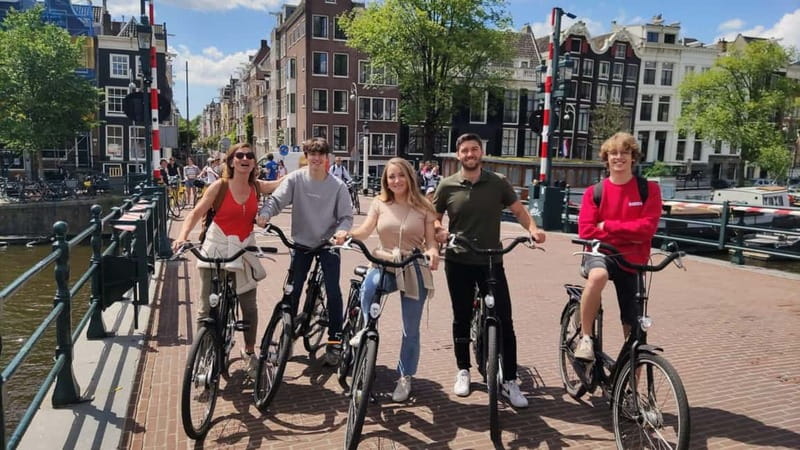
Amsterdam makes more sense on two wheels. This 2.5-hour ride links canals, old neighborhoods, museums, and daily Dutch life, with a French-speaking local guide explaining what you are seeing. I especially like the small groups, limited to 12 people per guide, and the practical hand-brake bikes, which feel more familiar to many riders than Amsterdam’s traditional foot-brake models. The main consideration is that cycling in city traffic requires confidence, and the tour is offered only in French.
I also like the timing. Starting at 10:30 a.m. or 1:30 p.m. gives you an easy first-day activity, and the guide’s restaurant, brown cafe, and neighborhood tips can help shape the rest of your stay. Guides such as George, Georges, and Yago have brought different strengths to the ride: George and Georges are praised for lively explanations of history and Dutch daily life, while Yago is noted for useful, relevant information.
At a glance
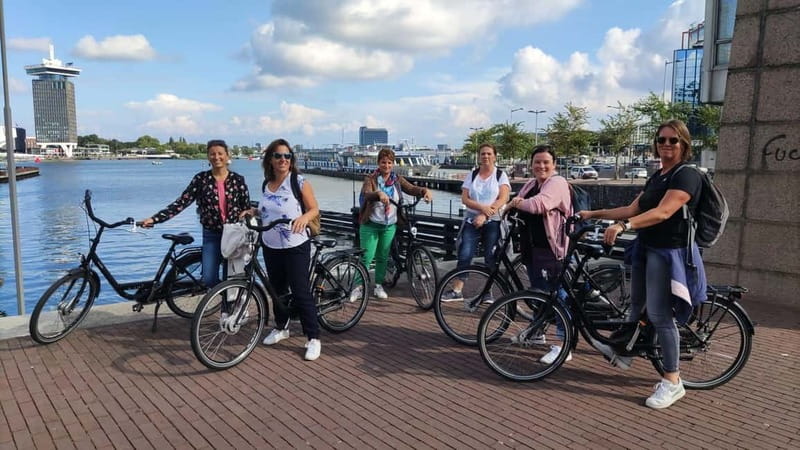
- Small French-language groups: A maximum of 12 people per guide keeps the ride more personal and makes it easier to hear explanations.
- A practical first-day overview: The route connects the Museum Quarter, Dam Square, the Jordaan, canals, and several central districts in one outing.
- Hand-brake Batavus bicycles: Bikes come in all sizes from age eight, with luggage racks and helmets available when needed.
- More than postcard Amsterdam: The route includes Westerdok, the Jordaan, Haarlemmerbuurt, the old Jewish quarter, Vondelpark, and the main canal belt.
- Useful local follow-up advice: You receive suggestions for Dutch restaurants, brown cafes, bars, and neighborhoods to explore on foot.
- Good value at $41: Bike rental is included, and you may receive a 10% discount on a later bike rental or another French-language tour.
Why a bike tour is a smart start in Amsterdam
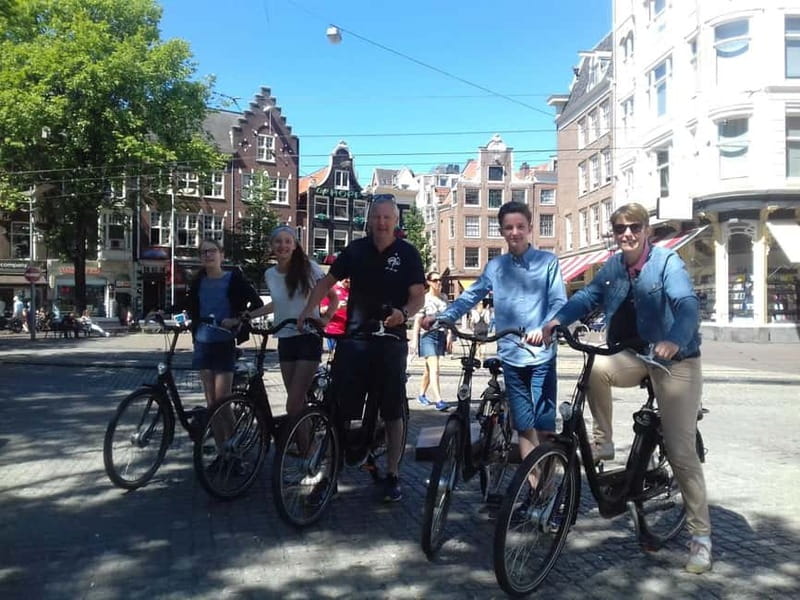
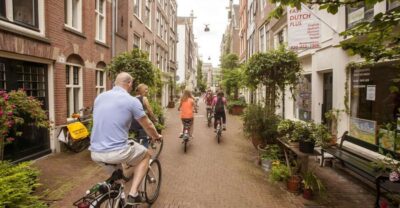
Amsterdam can look compact on a map, yet its canals and one-way streets make walking between major areas slower than you might expect. A bicycle lets you cover more ground while still moving at street level, where you can notice canal houses, bridges, houseboats, shopfronts, and ordinary neighborhood life.
I like this tour as an opening activity because it gives you a citywide framework. You see where the Museum Quarter sits in relation to the old center, how the canal belt wraps around the historic core, and how the Jordaan differs from Dam Square. Later, you can return to the places that deserve more time.
The French-language format adds real value if you are more comfortable asking questions and absorbing historical details in French. The guides do not only point out buildings. The tour covers cultural differences, everyday Dutch habits, Amsterdam’s development, and the practical secrets of Dutch architecture.
This is not a museum-heavy outing. You will generally hear explanations from the bike rather than stop for long indoor visits. That makes the tour efficient, but you should choose another activity if you want extended time inside the Anne Frank House, a museum, or a church.
More Guided Rides in Amsterdam:
- Small Group Guided Bike Tour of Amsterdam’s Hidden Gems
★ 5.0 · 3,936 reviews - Amsterdam: Hidden Gems & Highlights Guided Bike Tour
★ 4.8 · 1,404 reviews - Amsterdam: Relaxed City Highlights Guided Bike Tour
★ 4.7 · 1,069 reviews
Meeting near Central Station at IJdok 47
The tour begins at IJdok 47, near Amsterdam Central Station, at the shop called Amsterdam Bike Rent. This is a convenient starting point if you have just arrived by train or are staying around the central area.
You should allow time to get fitted to the bicycle before the 10:30 a.m. or 1:30 p.m. departure. The bikes are Dutch Batavus models with brakes under the handlebars, not the foot-brake style found on many standard Amsterdam rentals. That difference matters. If you are used to hand brakes, you can control your speed in a familiar way. If you have only ridden Dutch-style foot-brake bikes, ask for a short practice before leaving.
Bike rental is included in the $41 price. The bicycles come in different sizes, and riders from age eight can use their own bikes. Baby seats are available for younger children, and helmets are included if needed. The bikes also have luggage racks, useful for a small bag or water bottle.
The company allows you to leave luggage while cycling. Since exact storage arrangements are not explained, ask the shop staff about the process when you arrive, especially if you are carrying larger suitcases.
Museumkwartier and the city’s cultural side
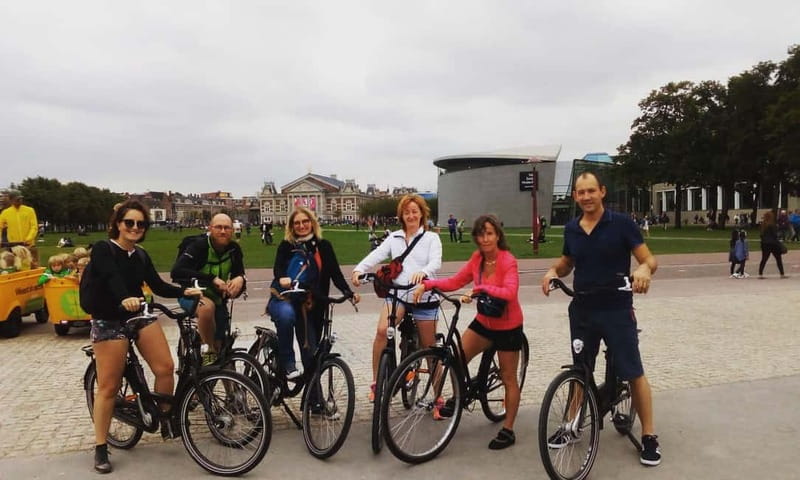
The ride includes Amsterdam’s Museum Quarter, known as Museumkwartier. The tour does not include museum admission, and the schedule does not leave time for a full museum visit, but this stop helps place the city’s major cultural district within the wider street plan.
This is a useful contrast with the older center. Amsterdam is not just canals and narrow houses. The Museum Quarter gives you a sense of the city’s grander public spaces and cultural institutions before the route turns back toward the historic core.
If you plan to visit a museum later, listen for the guide’s orientation rather than trying to squeeze in a separate visit during this tour. The ride works best when you treat it as a visual introduction, not as a substitute for the Rijksmuseum or another major collection.
Dam Square and the old center
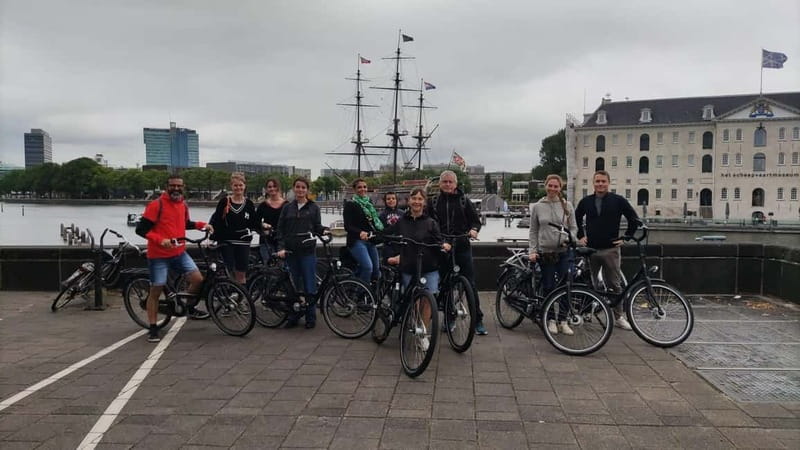
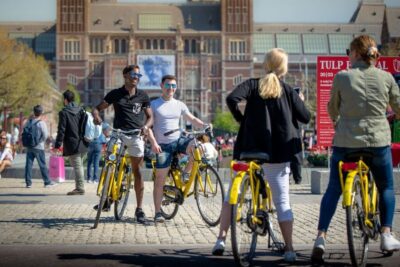
Dam Square is the symbolic heart of Amsterdam and one of the busiest points on the route. Here, your guide can connect the modern city with its older civic center, while helping you understand how the main streets and canals relate to one another.
The square can be crowded, so this is one section where you need to stay alert and follow the guide’s movements. A bicycle tour offers a quick sense of place, but you should not expect a quiet stop or long conversation in the middle of the square.
Still, Dam Square earns its place on a first overview. After seeing it by bike, you will know where it sits in relation to the canals, the Jordaan, and the Central Station area.
A few more days on two wheels around Amsterdam worth a look
- Big Bike tour Amsterdam – See all in 3 unforgettable hours
★ 4.7 · 4,929 reviews - Amsterdam: Off the Beaten Path Bike Tour in French
★ 4.9 · 1,632 reviews - Countryside Bike Tour from Amsterdam: Cheese, Clogs & a Windmill
★ 5.0 · 1,485 reviews - Amsterdam: Windmill, Cheese, and Countryside E-Bike Tour
★ 4.5 · 1,308 reviews
Westerkerk, the Anne Frank House, and the canal belt
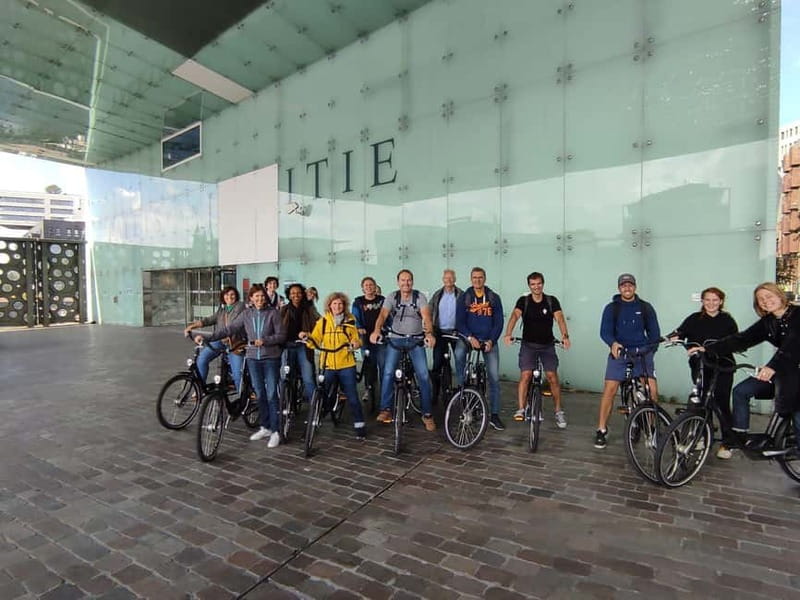
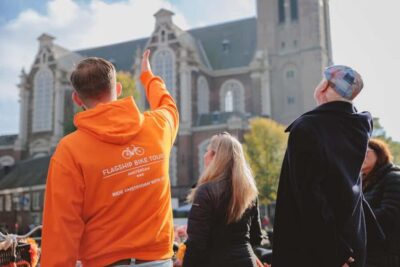
The route continues toward Westerkerk and the Anne Frank House, two important landmarks in the western canal area. The guide provides context from outside, but admission to the Anne Frank House is not included.
This distinction is important. If visiting the Anne Frank House is a priority, arrange that separately and do not assume the bicycle tour provides entry or a long stop. The value here is orientation and context. You see the setting, understand its place beside the canal belt, and can return later with more time.
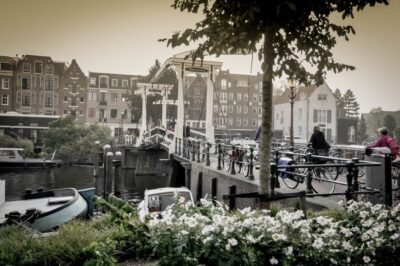
The Grachtengordel, or canal belt, is where Amsterdam’s architecture becomes especially easy to read from a bicycle. You can observe the narrow canal houses, their varied fronts, and the way the waterways shape streets and neighborhoods. The guide also discusses Dutch architectural habits and the city’s relationship with water.
Cycling gives you a wider view than walking, but it also means you must divide your attention between the guide, traffic, pedestrians, and the buildings. Keep your eyes on the road when moving, then take in the details during pauses.
De Negen Straatjes and Haarlemmerbuurt
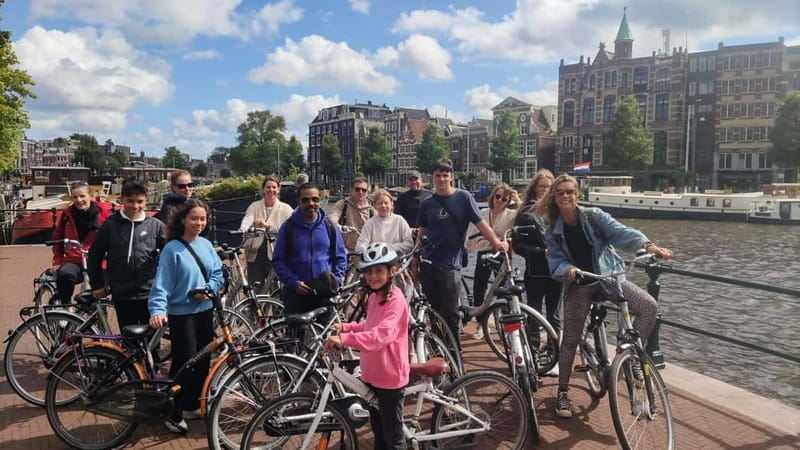
De Negen Straatjes, or the Nine Streets, is a compact area of small streets crossing the canal belt. It is known for independent shops, cafes, and a more intimate street feel than the large central squares.
You may not have time to browse shops during the tour. That is not a flaw so much as a reminder of the ride’s purpose. The guide shows you where the district is and helps you decide if it deserves a return visit on foot.
Haarlemmerbuurt adds another change of mood. The neighborhood is close to the center but feels more local in character, with streets that invite slower exploration. Together, these stops show why Amsterdam is best understood as a collection of districts rather than a single historic center.
I find this kind of route planning useful. You are not simply collecting landmarks. You are learning which areas work for shopping, cafes, architecture, and an evening walk.
The Jordaan and Amsterdam’s everyday character
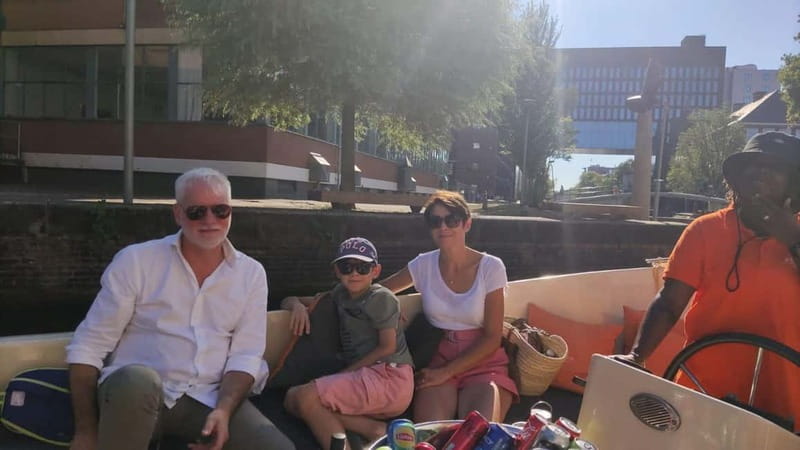
The Jordaan is one of the strongest parts of the route. It is famous, but it still offers a more residential and relaxed feel than Dam Square. The narrow streets, canals, and older buildings make it easy to see how Amsterdam’s historic core continues into ordinary neighborhood life.
The guide’s role matters here. The experience is designed around stories of daily life and cultural differences, not just dates and building names. George and Georges have been praised for mixing national history, local customs, and lively anecdotes, which helps keep the ride moving without turning it into a lecture.
Yago, described as a French-speaking student of economics and politics, has also been praised for giving relevant information. The guides may have different personalities, but the useful common thread is the focus on how people live in the city now, as well as how Amsterdam developed.
You should expect a sightseeing ride rather than a performance. The pace needs to work for the whole group, so there may be brief pauses and explanations instead of long storytelling sessions at every corner.
Westerdok, Vondelpark, and the parts you might miss alone
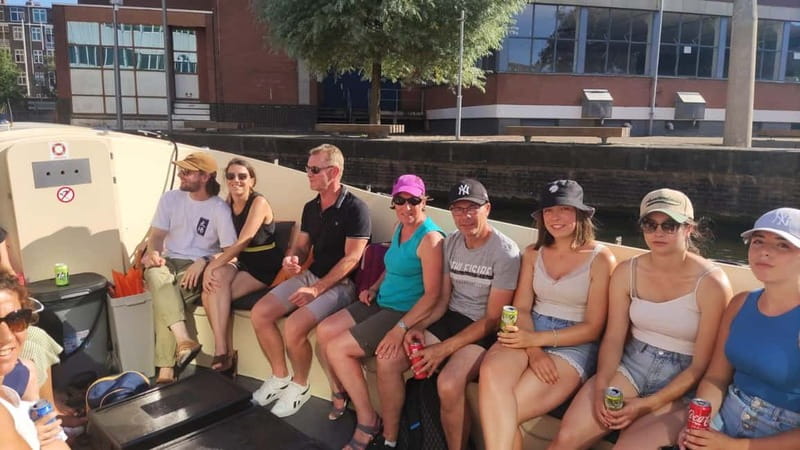
The advertised route also reaches Westerdok, Vondelpark, and Amsterdam’s old Jewish quarter. These areas help broaden the experience beyond the familiar canal postcard.
Westerdok gives you a look at a waterside district near the central area. It is particularly useful for understanding how Amsterdam continues to use and reshape space around water. Vondelpark provides a greener change of setting and shows a side of the city that is easy to miss if you spend all your time around the canals.
The old Jewish quarter adds historical and cultural context. The supplied route details do not specify every stop or building there, so you should think of this as a guided area overview rather than a specialist heritage tour.
This wider reach is one reason to choose the bicycle format. On foot, you might concentrate on the center and the canal belt. By bike, you can connect districts that feel separate when viewed on a basic city map.
What the $41 price really includes
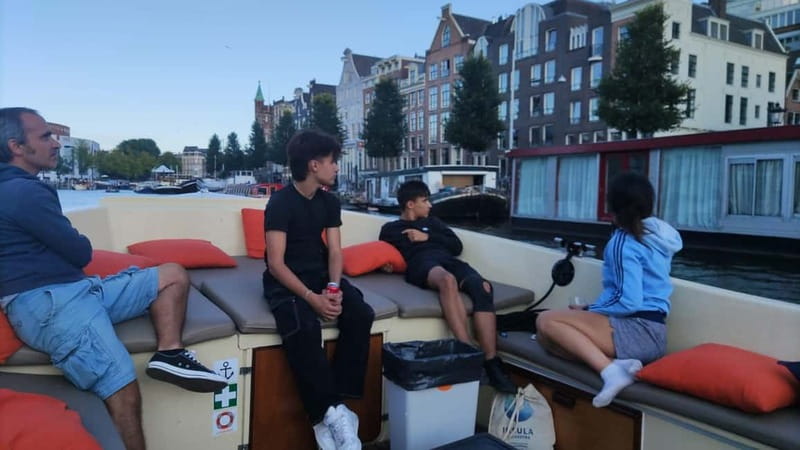
At $41 per person, this tour offers fair value for a 2.5-hour city introduction. You are paying for the bicycle, a French-language guide, a planned route, and a small-group format. A separate bike rental would otherwise add to the cost, and the tour removes the work of planning a route through busy central streets.
The strongest value comes from the information after the ride. You receive recommendations for Dutch restaurants, brown cafes, bars, and neighborhoods to explore on foot, along with maps and local deals. You can also receive 10% off a later bicycle rental and 10% off another French-language guided activity, such as a boat outing or a windmill visit.
The price does not include water, ponchos, an electric bike, a tandem, or a cargo bike. Bring your own water and dress for changeable weather. Since ponchos are not supplied, rain protection is your responsibility.
The tour has free cancellation up to 24 hours before departure, and you can reserve now while paying later if that option is available at booking. These policies are useful, but the bigger decision is physical comfort and language. If you do not want to cycle or do not speak French, the price will not solve the basic mismatch.
Group size, bicycles, and family suitability
A maximum of 12 people per guide is a strong point. Amsterdam cycling can feel stressful when a large pack spreads across a street, so a smaller group is easier to manage and gives you a better chance to ask questions.
The hand-brake bicycles are another practical advantage. They suit riders who prefer conventional brakes, and the racks help with small personal items. All sizes are available, with bikes for children from age eight and baby seats for younger children.
Families should still assess their children’s cycling ability honestly. The tour takes place in an active city, not on a protected cycle path from start to finish. The information confirms that child seats are available, but it does not specify trailers, cargo bikes, or the exact minimum age for a seat.
An electric bike is not included or offered as part of this activity. If you need one, you will need to make a separate arrangement.
Who will enjoy this French-language ride most?
I would choose this tour if you want a broad introduction before exploring Amsterdam in detail. It is especially suitable for French-speaking couples, families with older children, and solo visitors who want a local guide without joining a huge group.
It also suits people who value practical advice as much as sightseeing. The restaurant and cafe suggestions can save you time later, and the guide can point you toward districts you might not have selected on your own.
You may want a different activity if you are looking for a specialist history tour, a museum visit, a relaxed countryside ride, or a route conducted in English. You should also reconsider if rain, city traffic, or regular cycling is likely to make the experience unpleasant.
Should you book the Amsterdam French bike tour?
Book it early in your stay if you speak French and feel comfortable on a bicycle. The compact group, included bike rental, central starting point, and coverage of districts from the Museum Quarter to the Jordaan make it a useful way to get oriented.
I would especially value the tour for its explanations of Dutch daily life, not just its list of landmarks. The most highly praised guides, including George, Georges, and Yago, appear to bring a personal, conversational approach to the city.
Skip it if you want long visits inside major attractions or need an electric, tandem, or cargo bike. For the right rider, though, $41 buys a practical introduction, a local perspective, and several good ideas for the rest of your Amsterdam stay.
FAQ
Where does the Amsterdam French bike tour begin?
It begins at IJdok 47, near Amsterdam Central Station. The bicycle shop is called Amsterdam Bike Rent.
How long does the tour last?
The tour lasts 2.5 hours.
What languages are available?
The guided tour is conducted in French.
What time does the tour depart?
There are two stated departure times, 10:30 a.m. and 1:30 p.m. You should check availability for your chosen date.
Is bicycle rental included?
Yes. The price includes a Batavus bicycle with a hand brake and a luggage rack.
Are the bicycles suitable for children?
Bicycles are available for children from age eight. Baby seats are also available for younger children.
Are helmets provided?
Helmets are included if needed.
Can I bring or leave luggage?
The company states that you can leave your suitcases while you cycle. Ask the shop about the storage procedure when you arrive.
What is the cancellation policy?
You can cancel up to 24 hours in advance for a full refund. A reserve-now, pay-later option is also available.
Just added around Amsterdam
- Amsterdam E Bike Tour to the Windmills of Zaanse Schans★ 5.0 · 65 reviews
- Bike tour in Amsterdam with an Italian guide★ 5.0 · 15 reviews
- Daily group bike tour in Spanish.★ 5.0 · 60 reviews
- Explore Amsterdam by Bike in the Company of a French Local Guide★ 4.5 · 31 reviews
- Zaanse Schans Windmills E Bike Day Trip from Amsterdam★ 5.0 · 15 reviews
- Bill’s Bike Tour Amsterdam – Culture, Liberalism & Tolerance★ 5.0 · 28 reviews
- Amsterdam 3 hrs Bike Tour – live guide En/Fr/De/Nl/Sp★ 4.5 · 138 reviews
- Urban Adventures Amsterdam Bike Tour, Graffiti and Magnet Fishing★ 5.0 · 105 reviews
Amsterdam Cycling Tours, compared.
Big Bike tour Amsterdam – See all in 3 unforgettable hours
Read our review →
Windmill, Cheese, and Countryside E-Bike Tour
Read our review →
Browse the lists this tour appears in