
REVIEW · LISBON
Lisbon: Bike Tour From City Center to Belem
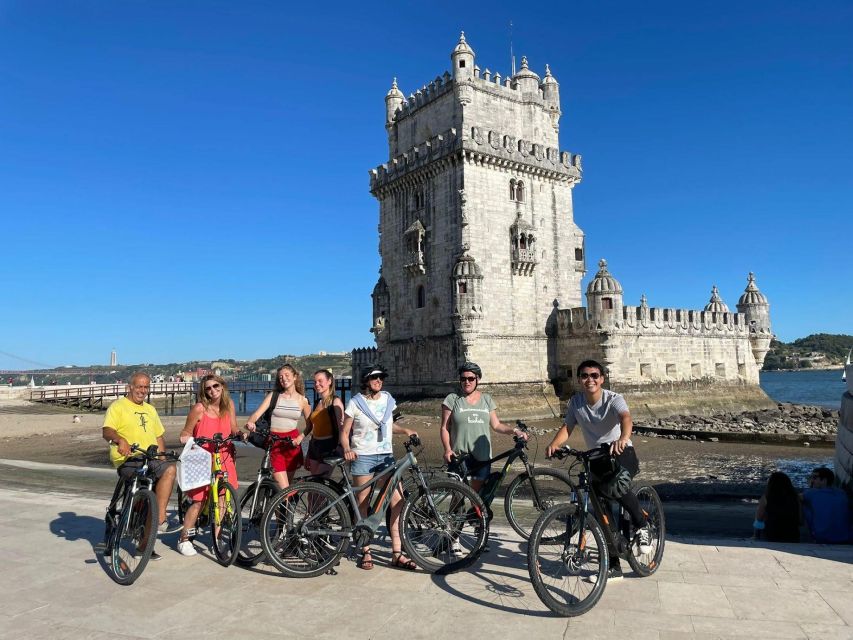
Lisbon opens up on two wheels. This four-hour ride links the city center with Belém, following the Tagus past major monuments, modern architecture, riverside paths, and excellent photo stops. I like the small groups of up to 10 and the relaxed pace, which makes it easier to hear the guide and stay together.
I also like the useful local advice. Guides such as Silvia, Maya, Pedro, and Miguel have been praised for history, restaurant suggestions, photography, and careful group management. The main drawback is that the classic bikes can feel a little worn, and the $18 price does not include the guide’s tip, food, or drinks.
Key points at a glance
- A mostly flat 22-kilometer ride: The route suits casual cyclists better than serious riders, with a leisurely pace and frequent stops.
- Belém gets the full treatment: You see Jerónimos Monastery, Belém Tower, the Monument to the Discoveries, Belém Gardens, and Belém Palace.
- Riverside riding is the star: The route follows the Tagus, including stretches beside the water that are difficult to find on your own.
- Food is part of the fun: The tour includes a stop for a pastel de nata and a taste of ginjinha, the traditional cherry liquor.
- The guide adds real value: Local tips, photo help, historical context, and restaurant suggestions make this more than a simple bike rental.
- Bring basic cycling comfort: You need to know how to ride a bicycle, wear comfortable shoes, and dress for the weather.
Why this is a smart first look at Lisbon
Lisbon can feel confusing at first. Its central streets rise and fall sharply, the neighborhoods spread along the Tagus, and some of the city’s best-known sights sit well west of the old center. A bike tour gives you a quick sense of how the pieces fit together.
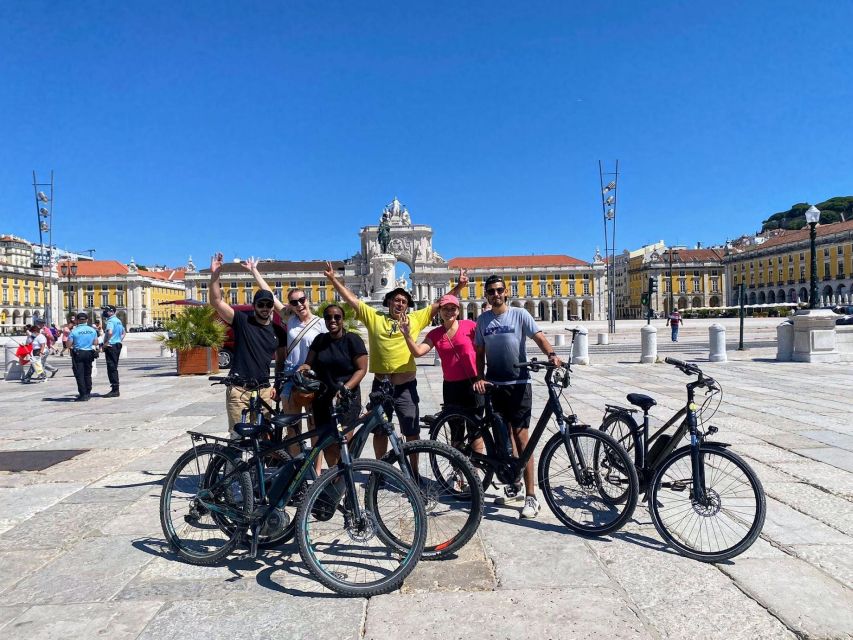
This route starts near Santa Apolónia Metro and Train Station, then connects central Lisbon with Cais do Sodré and Belém. That matters because you get more than a short neighborhood ride. You see the historic center, the riverfront, the grand Praça do Comércio, modern waterfront architecture, and the major monuments of Portugal’s Age of Discovery in one outing.
I would consider taking it during your first few hours in Lisbon. The guides can suggest places to eat, districts to revisit, and sights that deserve more time. You will not explore every corner of the city, but you will get a useful map in your head.
The four-hour length is also well judged. It is long enough to cover a serious distance, yet the ride is broken up by stops for explanations, photographs, food, and views. At $18 per person, the price is notably low for a bicycle, helmet, guide-led route, and several hours of sightseeing. Just remember that the guide is a volunteer and a tip is expected if you feel the service deserves one.
A few more days on two wheels around Lisbon worth a look
- Lisbon: Hills, Alfama, and Mouraria Tour by Electric Bike
★ 4.8 · 3,438 reviews - Lisbon E-Bike Tour Commerce Square, Mouraria and Alfama
★ 4.5 · 1,688 reviews - Lisbon: 7 Hills Half-Day Electric Bike Tour
★ 4.9 · 1,592 reviews
From Santa Apolónia to central Lisbon
The meeting point near Santa Apolónia is practical for anyone using the Metro or train station. You receive a classic bike and helmet, then set off with a local guide in English, French, or Portuguese.
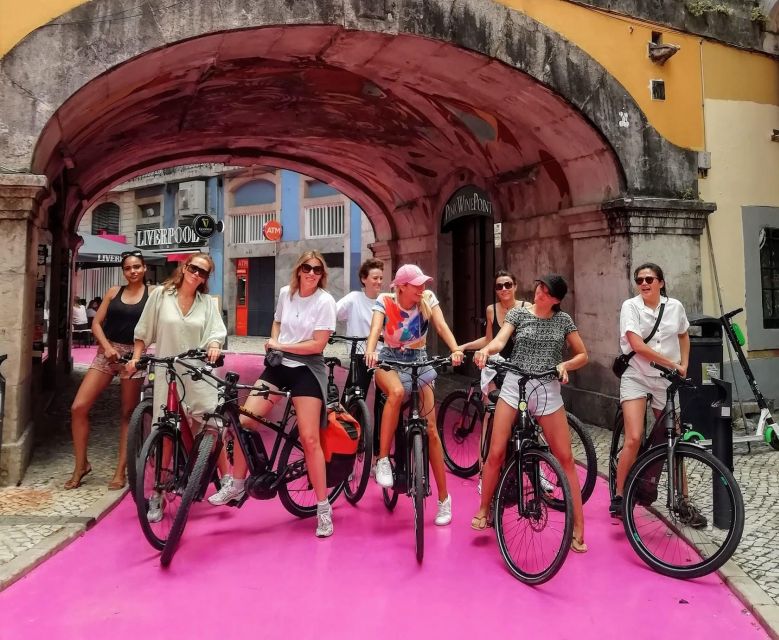
The early section introduces you to Lisbon’s river-facing side. You may pass through or near Cais do Sodré, a useful transport area with restaurants, nightlife, and access to the waterfront. The route also includes Pink Street and Time Out Market, two of the city center’s more current attractions.
These stops help balance the grand monuments later in the ride. You see the Lisbon of food halls, evening bars, and renovated public spaces, not just stone churches and royal buildings. The tradeoff is that a bike route through the center cannot pause at every attraction. If you want a detailed visit to Time Out Market or the shops around Pink Street, save that for another day.
Praça do Comércio, also called Comércio Square, gives the ride a larger civic setting. This broad riverside square is one of Lisbon’s most memorable open spaces, and it helps you understand how strongly the city faces the Tagus. Município Square is another central stop included along the way.
The route is not designed as a hard workout. Several people have found it flat and easy, with time to stop for pictures. One account describes a ride of about 22 kilometers, so you should still be comfortable sitting on a bike for several hours.
Following the Tagus toward Belém
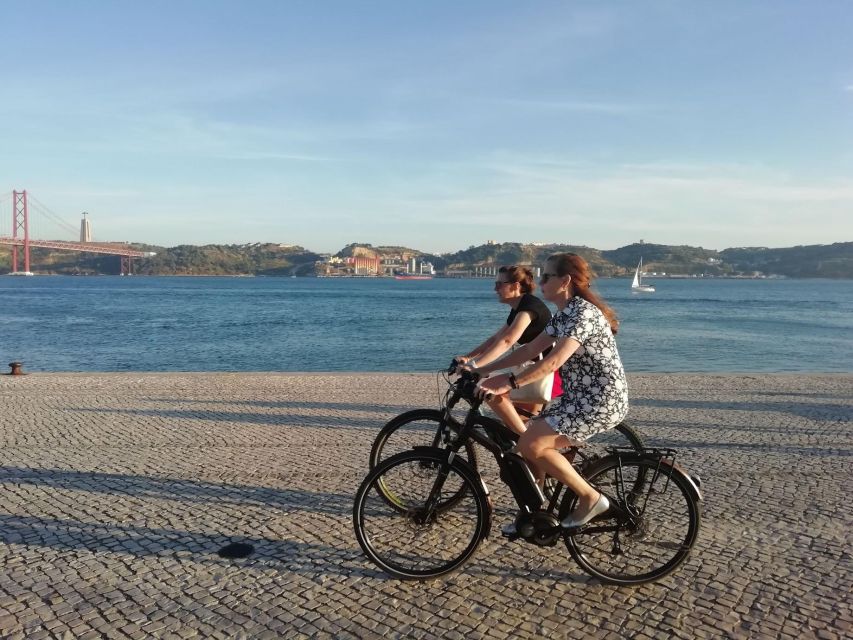
The most enjoyable part of the route is the ride beside the water. You get a changing view of the Tagus while moving west toward Belém, and the bike lets you cover ground without the delays of a bus or the effort of walking the entire distance.
This stretch is especially useful because some riverside paths are not obvious if you are navigating alone. A guide can keep the group on the intended route, point out photo locations, and manage the pace. Several guides have been praised for making sure nobody falls behind, which is important in a mixed group.
Do not expect a racing experience. The pace is leisurely, and the frequent stops make the ride suitable for people who cycle now and then rather than every week. You still need to know how to ride confidently. This is not suitable for anyone who cannot ride a bicycle, and the provider does not list an alternative vehicle.
Weather affects the experience. Comfortable shoes and weather-appropriate clothing are essential. A guide named Silvia was praised for getting the group under cover during a sudden heavy rain shower, but that kind of good timing cannot be guaranteed. Lisbon sunshine can make the ride pleasant, while wind or rain along the river can change the feel quickly.
The MAAT and Lisbon’s newer waterfront
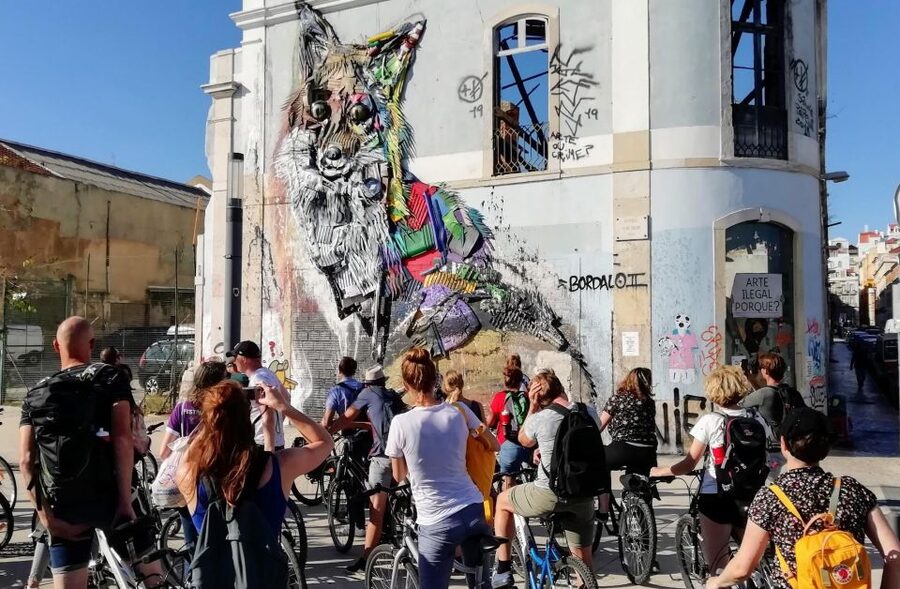
One of the route’s most striking stops is the Museum of Art, Architecture, and Technology, usually called MAAT. Its modern form gives you a sharp contrast with the tiled facades and Manueline stonework found elsewhere in Lisbon.
You may not have time to visit the museum interior, but seeing the building is worthwhile. The stop shows how the waterfront has developed beyond its older monuments. It also gives you a strong photo opportunity, particularly if you enjoy architecture.
I like this part of the tour because it keeps the day from becoming a parade of churches and monuments. Lisbon’s identity is not only historic. The city also uses the riverfront for contemporary design, public spaces, and cultural buildings.
The route then carries on through the Monumental Belém Area. This district has wide open spaces and a calmer feel than the central streets. It is easier to appreciate the relationship between Lisbon, its river, and Portugal’s seafaring past here.
Same roads, a different day in the saddle:
- Lisbon: City Highlights and Viewpoints E-Bike Tour
★ 4.9 · 1,556 reviews - Lisbon: 3-Hour Tour by E-Bike
★ 4.8 · 1,150 reviews - 3-Hour Lisbon 7 Hills Electric Bike Tour
★ 5.0 · 818 reviews - Lisbon: Bike Tour from Lisbon to Belém + Liquor & Pastry
★ 4.7 · 688 reviews
Jerónimos Monastery and Belém’s Manueline stonework
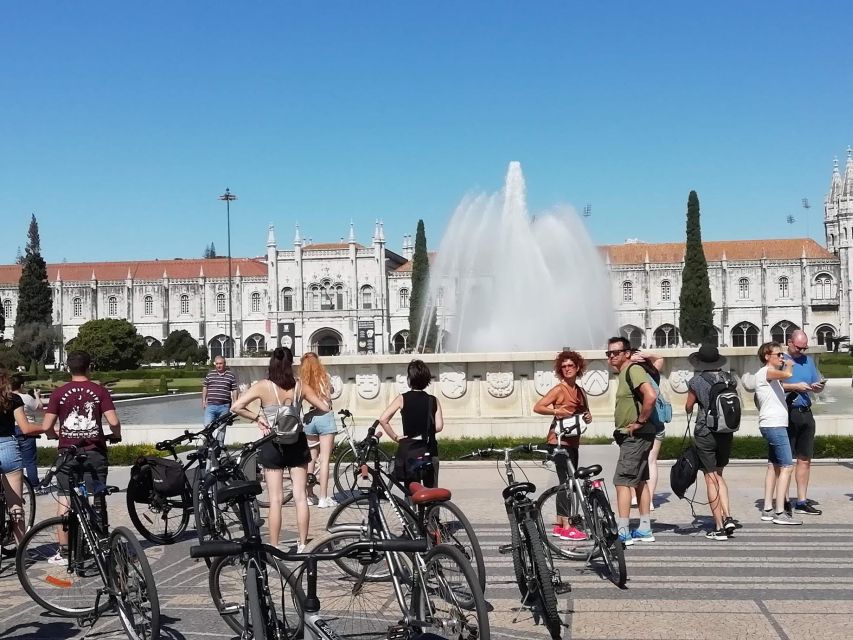
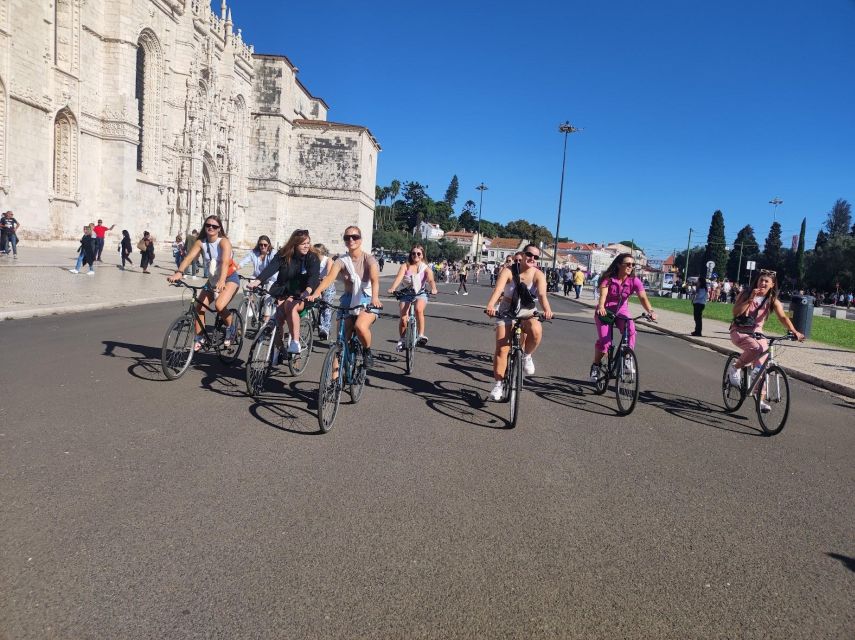
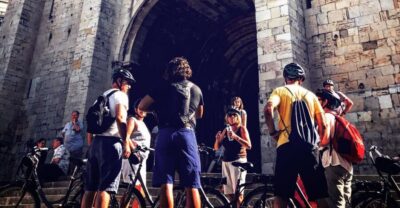
Jerónimos Monastery is one of the major reasons to choose this tour. The monastery is a 16th-century masterpiece and one of the clearest examples of the Manueline style, a Portuguese form of late Gothic architecture with elaborate maritime and natural details.
The bike tour gives you an exterior introduction rather than a full museum visit. That distinction matters. If you want to study the cloisters or spend time inside, plan a separate visit and check opening arrangements for your travel dates.
Even from outside, the building rewards a stop. The carved details are dense, and the scale is impressive. A guide can give the structure a place in Lisbon’s wider story instead of leaving you with only a few photographs.
This is also where the food stop becomes particularly appealing. The tour includes a pastel de nata, Portugal’s famous custard tart, and the route highlights the well-known pastry tradition of Belém. You should treat this as a tasting stop, not a full meal. Food and drinks are not otherwise included, so bring money for anything more substantial.
The tart is a small detail, but it improves the rhythm of the day. After cycling and listening, you get a local snack before continuing to the monuments. It is also a simple way to connect the grand architecture with ordinary Portuguese food culture.
Belém Tower and the Monument to the Discoveries
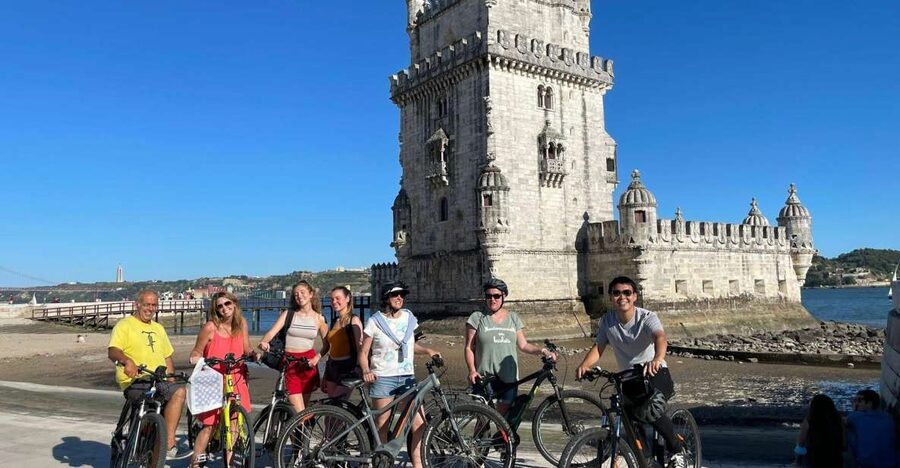
Belém Tower is another major highlight. Built in the 16th century, it is closely associated with the Manueline style and sits at the edge of the Tagus. Its position gives the stop a strong sense of place, since the river is not just scenery here. It is part of the monument’s purpose and character.
As with Jerónimos Monastery, the tour focuses on seeing the site and hearing about it from the guide. The schedule does not promise an interior visit. If you want to climb the tower or explore its rooms, you will need separate time.
The Monument to the Discoveries adds a different scale. Its large riverside form honors Portugal’s maritime expansion and provides broad views across the water. It is one of the best places on the route for a group photograph, and guides often help with photos during the stops.
The historical subject deserves a little care. The monument celebrates Portugal’s seafaring achievements, but those voyages also belong to a complicated period of overseas expansion. A good guide can help you understand why these places matter without reducing the story to a simple heroic tale.
Belém Gardens and Belém Palace round out this section. You see more of the district than you would by rushing from one famous building to another. The gardens offer a change of pace, while the palace connects Belém with Portugal’s royal past.
Ginjinhas, photo stops, and local advice
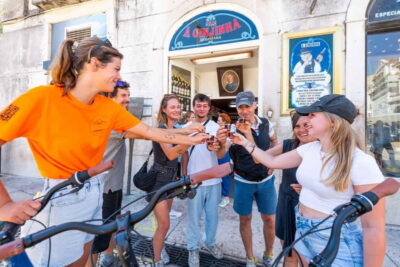
The tour includes a taste of ginjinha, a traditional Portuguese cherry liquor. This is a small serving rather than a drinking session, and you should tell the guide if you do not want alcohol. The experience works best as a cultural sample alongside the pastel de nata.
Photo stops are built into the ride. That makes a difference because you do not have to choose between keeping up and taking pictures. Guides have also been praised for their photography skills. Miguel, for example, was singled out for taking excellent photographs, while Silvia helped with pictures and video during another outing.
The local advice may be the most useful part after the sights. Guides have suggested restaurants and further places to explore, and one guide recommended a restaurant that left a particularly good impression. You can ask where to eat, which sights deserve a return visit, and how to shape the rest of your Lisbon stay.
The personal touch can be strong. One guide contacted a participant after an umbrella was left in a bike pannier and arranged a meeting to return it. That is not a promised service, but it shows the kind of care you may receive from an attentive guide.
Bikes, group size, and the real value
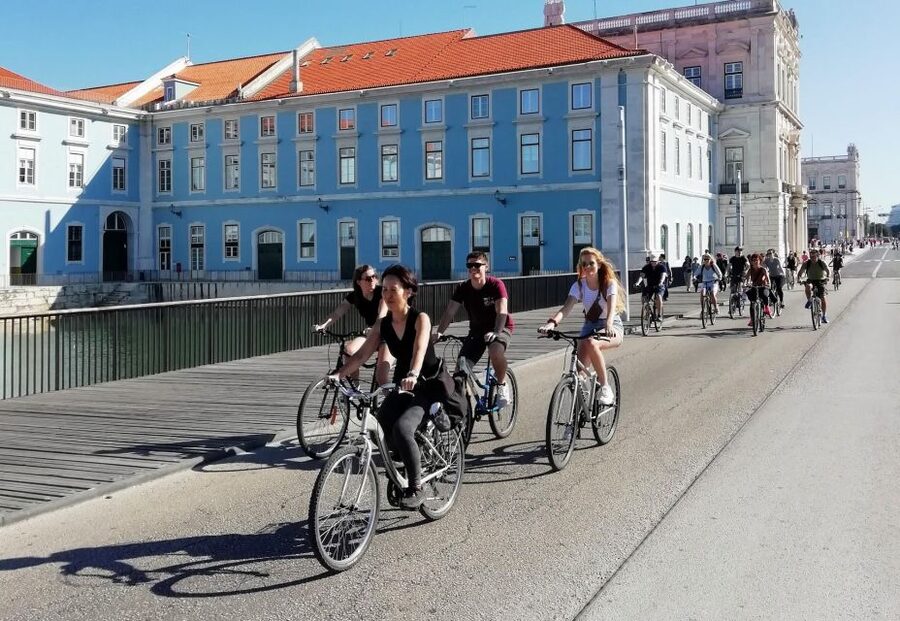
The group is limited to 10 people, which is a major advantage. A small group is easier to manage on city streets, and you can ask questions without shouting across a large crowd. It also gives the guide a better chance to notice if someone needs a slower pace or a short pause.
The included bike is a classic model, not a high-end touring machine. Some riders have described the bikes as a little worn. That is fair criticism, but it needs context. The low price would be difficult to maintain if the tour supplied premium bicycles, and the route is not presented as a sporting event.
You receive a helmet, but food, drinks, hotel pickup, and drop-off are not included. The local guide is also listed separately from the included bicycle tour, with guides volunteering their time. In practice, you should budget for a tip if you enjoy the experience.
At $18, the value is strongest for people who want a broad introduction to Lisbon. You are paying less for luxury equipment and more for route planning, local direction, company, and several hours of sightseeing. If you rented a bike alone, you might save the tip, but you would lose the guide’s route, context, photo help, and suggestions.
Free cancellation up to 24 hours before departure and reserve-now, pay-later booking make it easier to fit the ride into a changing schedule. Starting times vary, so check availability when booking.
Who should book this ride?
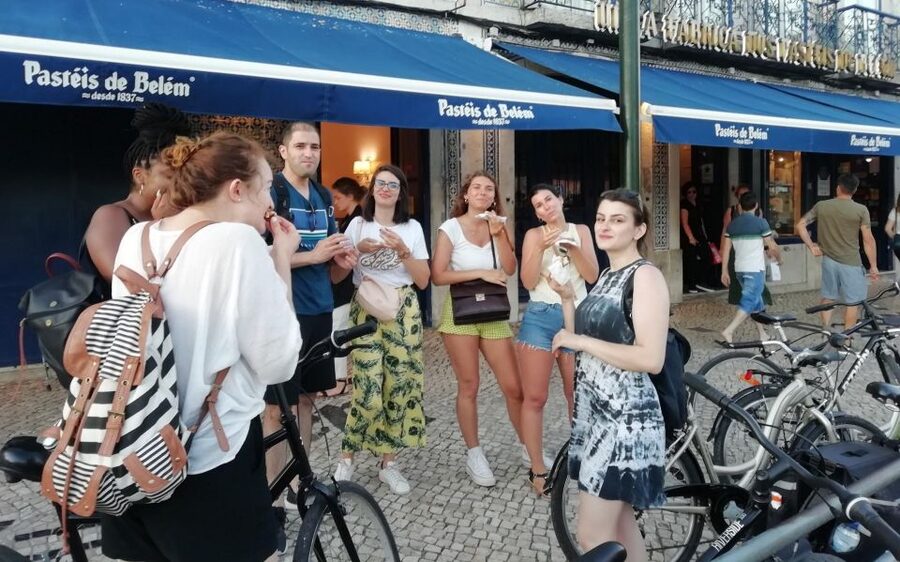
I would recommend it to first-time visitors, casual cyclists, couples, friends, and families with older children who can ride comfortably. It is also a good fit if you want to cover central Lisbon and Belém in one morning or afternoon without relying on public transport between every stop.
It may not suit you if you want a demanding cycling workout, a luxury bike, or long interior visits at the monuments. It is also a poor choice if you dislike group tours or cannot ride a bicycle.
The tour is especially useful early in a Lisbon stay. You can use the guide’s restaurant tips, return to a favorite monument, and plan later walks with a clearer idea of the city’s layout.
Should you book the Lisbon to Belém bike tour?
Book it if you want an affordable, active overview with riverside riding, major monuments, and practical local advice. The strongest reasons are the small group, mostly flat route, relaxed pace, and the chance to see Belém without spending the whole day walking or changing transport.
Skip it if you need top-quality equipment, dislike tipping, or want detailed access inside Jerónimos Monastery and Belém Tower. For most visitors who can ride a bike and want to get their bearings quickly, this is a sensible way to meet Lisbon from the river side first.
FAQ
How long is the Lisbon bike tour to Belém?
The tour lasts four hours.
How much does the tour cost?
The listed price is $18 per person.
Where does the tour meet?
The meeting point is near Santa Apolónia Metro and Train Station.
What languages are available?
The live guide may conduct the tour in English, French, or Portuguese.
How many people are in each group?
The tour uses small groups limited to 10 participants.
Is a bicycle included?
Yes. The price includes a classic bicycle and a helmet.
Do I need to know how to ride a bicycle?
Yes. All participants must know how to ride, and the tour is not suitable for people who cannot ride a bike.
Are food, drinks, and guide service included?
Food and drinks are not included. The guide is a volunteer, so you may tip at the end if you feel the tour deserves it.
Just added around Lisbon
- South Lisbon: 3-Hour Christ the King Electric Bike Tour★ 4.8 · 97 reviews
- Lisbon: 7 Hills Panoramic Guided Tour by E-Bike★ 4.8 · 50 reviews
- Lisbon: Portuguese Petiscos Tasting Tour by E-Bike★ 5.0 · 16 reviews
- Lisbon Bike Rental Explore At Your Pace★ 4.4 · 46 reviews
- Lisbon: E-Bike Adventure Through the City of Seven Hills★ 5.0 · 28 reviews
- Lisbon: 1-Hour Beer, Sangria or Wine Bike Sightseeing Tour★ 4.3 · 110 reviews
- Lisbon Bike Tour: Langs de rivier van Belém naar Lissabon★ 4.7 · 59 reviews
- Lisbon: Guided E-Bike Tour to Belém★ 4.8 · 115 reviews
Lisbon Cycling Tours, compared.
Hills, Alfama, and Mouraria Tour by Electric Bike
Read our review →
Lisbon E-Bike Tour Commerce Square, Mouraria and Alfama
Read our review →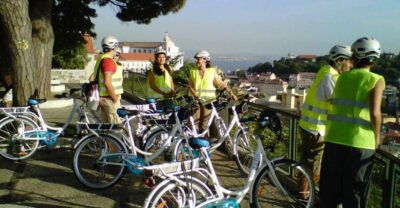

Bike Tour from Lisbon to Belém + Liquor & Pastry
Read our review →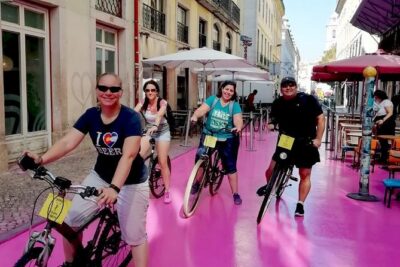
Browse the lists this tour appears in