
REVIEW · BARCELONA
Historical and Modernist Bike Tour Barcelona
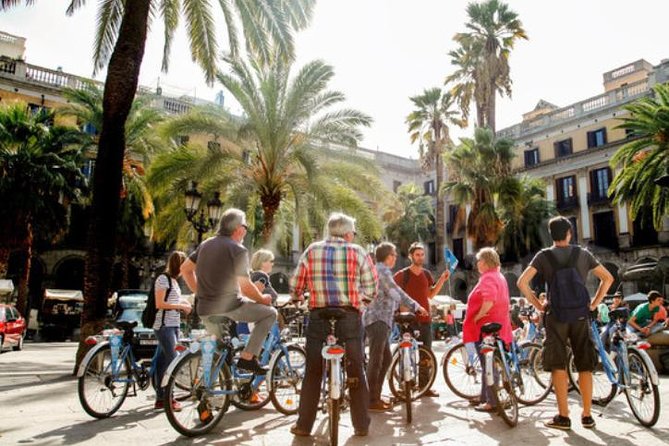
Barcelona reveals itself best on two wheels. This three-hour ride links the Gothic Quarter and El Born with Gaudí’s famous façades, giving you a useful first look at the city’s old streets, grand avenues, and modernist design. I like the strong mix of major sights and local neighborhoods, and I like that the guide uses photographs to explain details you could easily miss.
The $43.55 price includes the bicycle, helmet, bottled water, and guide, which makes it fair for a small-group city orientation. The main consideration is pace: nine listed stops in about three hours means you will usually see each place from outside rather than tour its interior, and busy city streets may not suit every cyclist.
Key points to know before you pedal off
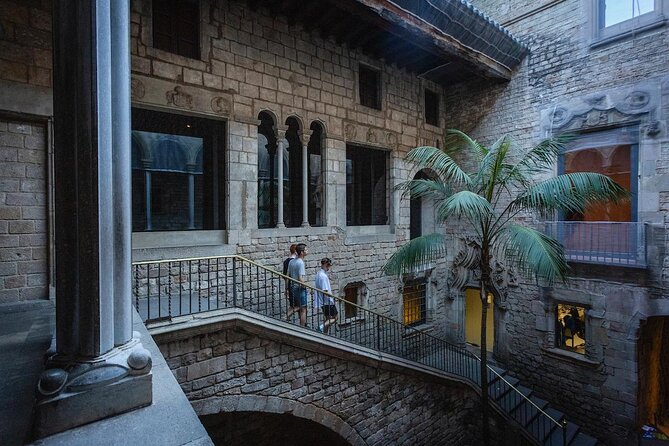
- Nine central Barcelona stops: The route covers the Gothic Quarter, El Born, Picasso’s museum, Sagrada Família, Casa Milà, Casa Batlló, and several important public spaces.
- A useful history-and-architecture blend: You move from medieval lanes and churches to Gaudí’s playful modernist buildings.
- Short stops, broad coverage: Each listed stop lasts about 10 minutes, so this is an orientation tour rather than a long museum visit.
- Small group size: Bookings require at least four people, while the maximum group size is 15.
- Helpful guide style: Guides such as Morgane, Ernesto, and Thomas have been praised for stories, photographs, personal adjustments, and practical Barcelona advice.
- Simple inclusions: A bike, helmet, water, and local guide are included, with the tour returning to its starting point.
Why this route works for a first look at Barcelona
Barcelona can feel confusing at first. The old city has narrow lanes, the newer districts use a broad grid, and Gaudí’s buildings appear in several different parts of town. This ride helps you connect those pieces without spending your first day underground on public transport.
You meet at Carrer de la Marquesa, 1, in Ciutat Vella, a central location near the old town. From there, the route moves through historic districts before reaching some of Barcelona’s best-known modernist buildings. It then returns to the same meeting point, which is useful if you have luggage plans, a nearby hotel, or another appointment.
I see this as a get your bearings fast experience. You will not study one monument in detail, but you will learn where several major sights fit in relation to one another. That can make the rest of your stay easier to plan.
The tour is offered in English, though it may be operated by a multilingual guide. That can be a benefit for mixed-language groups, but if you want a strictly English-only presentation, it is worth confirming when you book.
More Heritage and Temple Bike Tours in Barcelona:
- Barcelona: 2.5-Hour Bike or E-Bike Historical Tour
★ 4.5 · 1,262 reviews - Barcelona Historical 3-Hour Bike Tour
★ 4.7 · 222 reviews - Historical Barcelona E-bike Guided Tour
★ 4.5 · 106 reviews
Riding through the Gothic Quarter
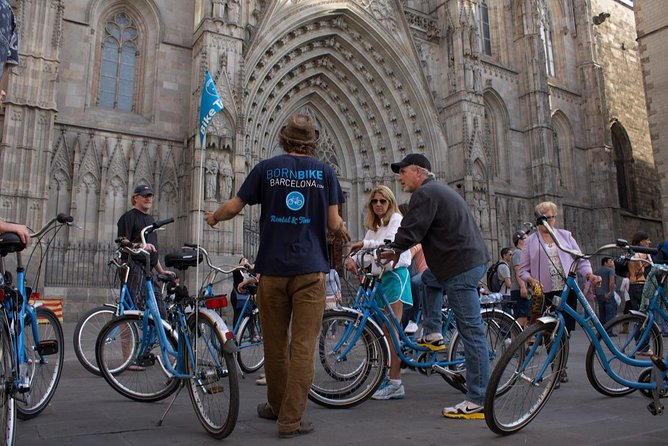
The Gothic Quarter, or Barri Gòtic, gives the tour its strongest sense of age. Its streets are compact, irregular, and full of architectural clues from different periods. A bicycle lets you cover more ground than walking, although you should expect to ride carefully through narrow areas and shared streets.
The listed stop lasts about 10 minutes and has no admission charge. That short pause is enough for an introduction to the district, but not enough for a full architectural study. Your guide may point out details in the street plan, explain how the old center developed, or help you understand why Barcelona feels so different inside the medieval core.
This is one part of the ride where the guide matters a great deal. Morgane has been praised for using photographs while explaining sights, which is a smart method in a crowded old quarter. A picture can show how a building looked at another time or highlight a detail that is hard to see from street level.
Do not expect a quiet museum-like visit here. The Gothic Quarter is a working part of central Barcelona, and the bike is mainly a way to move between points efficiently.
El Born, Santa Maria del Mar, and the city’s medieval heart
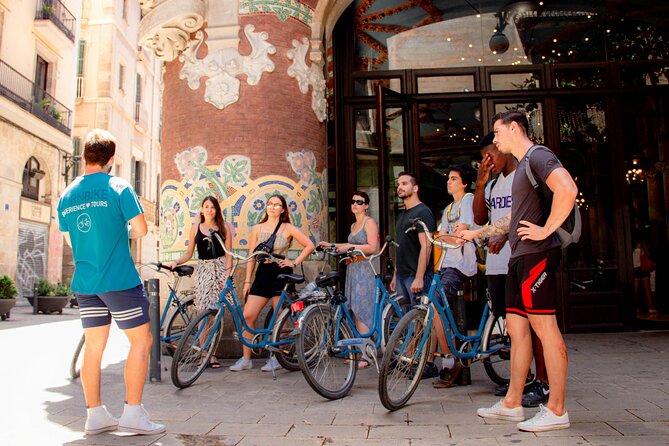
The route then spends real time in El Born, one of the most enjoyable areas for understanding Barcelona’s old city. You visit the Basilica of Santa Maria del Mar, Passeig del Born, and El Born Centre de Cultura i Memòria.
Santa Maria del Mar is listed as a free stop, so the tour can introduce the church without adding an admission cost. The basilica is especially useful in the story of medieval Barcelona because it gives you a sense of the district’s scale and religious importance. Ten minutes is brief, so treat this as a guided look and a prompt to return later if the interior interests you.
Passeig del Born offers a change from the tight Gothic streets. It is a more open public space and helps you see how El Born connects old buildings, daily city life, and pedestrian areas. The ride does not simply tick off famous monuments. It gives you a chance to notice how the neighborhood works as a place where people live, eat, shop, and gather.
El Born Centre de Cultura i Memòria adds another layer. The stop is free according to the tour details, and its name signals a focus on culture and memory. Since the schedule allows about 10 minutes, you should not plan on a full visit to the center during the bike ride. Instead, let the guide explain why it matters, then decide if you want to return on your own.
I especially like this section for visitors who want more than a list of famous façades. El Born helps connect architecture with the city’s past and present without requiring a long detour.
Picasso and the limits of a ten-minute museum stop
The Museu Picasso is another listed stop, but admission is not included. The scheduled 10 minutes makes the purpose clear: you are seeing the museum’s setting and receiving an introduction, not visiting the galleries.
That distinction matters. If Picasso is high on your Barcelona list, you will need a separate ticket and enough time for an independent visit. The bike tour can help you place the museum within El Born, but it cannot replace the museum experience.
This is a recurring theme on the ride. The tour is strongest as a city overview. It gives you names, locations, and context, then lets you return to the places that deserve more time. I consider that a sensible approach for a first day, as long as you do not mistake the brief stops for included sightseeing inside each attraction.
A few more days on two wheels around Barcelona worth a look
- Highlights & Hidden Spots of Barcelona Bike Tour w/ Local Guide
★ 4.5 · 3,009 reviews - Barcelona 3-hour Bike or E-Bike Tour: Highlights and Hidden Gems
★ 5.0 · 1,429 reviews - Barcelona: Private Group Bike Tour
★ 4.8 · 1,420 reviews - Barcelona: Sagrada Familia or City Tour by Bike or eBike
★ 4.8 · 928 reviews
Gaudí’s Sagrada Família, Casa Milà, and Casa Batlló
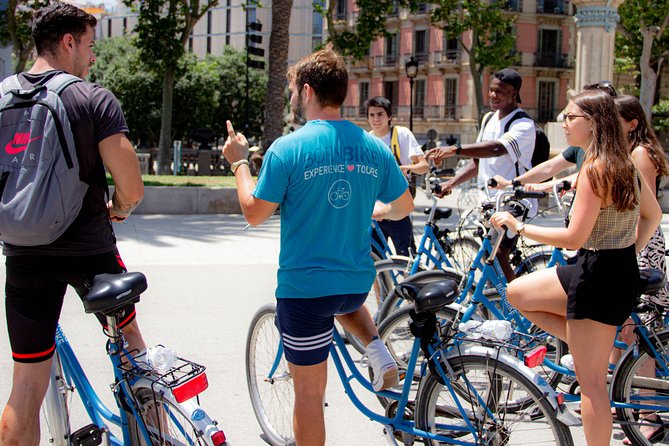
The modernist section brings you to three of Barcelona’s biggest architectural names: the Basilica of the Sagrada Família, Casa Milà, also called La Pedrera, and Casa Batlló.
The Sagrada Família is the grandest stop. Ten minutes will not allow an interior visit, and admission is not included. From the outside, though, the basilica makes a useful anchor for understanding Gaudí’s ideas and Barcelona’s modernist identity. You can hear an explanation, take in the exterior, and then decide if you want to arrange a separate visit.
Casa Milà offers a different side of Gaudí. Its undulating stone exterior and unusual forms are easier to appreciate when someone explains what to look for. Again, the tour does not include admission, so the value comes from seeing the building in context and learning how it fits the route.
Casa Batlló is perhaps the most immediately playful of the three. Its façade rewards a slow look, especially when a guide points out shapes and decorative details. A short stop gives you the outside view, but you will need another visit for the interior rooms and exhibition spaces.
The advantage of reaching these buildings by bike is the connection between them. You are not seeing isolated attractions from a taxi window. You are moving through Barcelona and watching the architecture change as the city opens into larger streets and more formal avenues.
The drawback is time. If you want long photo sessions, interior tours, or detailed architectural lectures at each building, this route will feel rushed. I would use it to choose which Gaudí site deserves your paid admission later.
What the guide adds to the experience
A good city bike tour depends less on the bicycle than on the person leading it. Here, the strongest praise centers on storytelling, photographs, useful advice, and the ability to adjust the ride.
Morgane has been praised for making stops with photographs and explaining how Barcelona developed. That approach can be especially helpful around buildings where the important details are high above street level or easy to miss.
Ernesto has been described as shaping the route around the group’s interests and offering practical suggestions. That kind of flexibility is valuable if you already know some famous sights but want more help with neighborhoods, food areas, or later sightseeing plans.
One family found that the company adjusted the route for a child and for riders who were less confident on bicycles. A child was able to ride with a parent on a double bike, while others used individual bicycles. You should not assume every arrangement is guaranteed, but this example suggests that it is worth explaining your group’s needs before the ride begins.
Thomas has also been praised for leading an enjoyable exploration of the old town. Since guides can vary, the experience may have a slightly different tone from one departure to another. The available information also says the guide may be multilingual, so communication style can vary as well.
The maximum group size of 15 is a reasonable middle ground. It is small enough for questions and personal attention, yet large enough that the guide may need to keep the group moving. The minimum booking size is four people, so solo visitors should check availability carefully before planning around this tour.
Is $43.55 a fair price?
At $43.55 per person, the tour is not the cheapest way to see Barcelona, but the price is reasonable for a three-hour guided ride that includes equipment. You are paying for the bicycle, helmet, bottled water, guide service, and a planned route through several central districts.
The value improves if you are visiting Barcelona for the first time. A standard sightseeing bus can show you more distance, but a bike puts you closer to the old streets and lets you move through El Born and the Gothic Quarter in a more direct way. Walking is also cheaper, but you will cover less ground and may spend more energy finding your way.
The price is less compelling if you already know the center well or plan to buy admission for every major attraction. This tour does not include the Museu Picasso, Sagrada Família, Casa Milà, or Casa Batlló. Think of it as a guided introduction, not a bundle of attraction tickets.
Water and a helmet are small inclusions, but they make the practical side easier. You do not need to arrange a rental separately, and you finish back at the starting point rather than at an unfamiliar part of the city.
Who should book this ride?
I would suggest this tour to first-time visitors who want a broad introduction before choosing which sites deserve a full afternoon. It also suits people who enjoy seeing a city at street level and do not mind short stops.
It may work well for families and mixed-ability groups, especially if you contact the operator about bicycle arrangements in advance. Most people can participate, and service animals are allowed. The tour is near public transportation, which makes the meeting point easier to reach.
You should think twice if you dislike cycling in an urban setting, need a slow walking pace, or want long visits inside museums and churches. The route covers a lot, and the schedule leaves little room for lingering.
The strongest part is the combination of old Barcelona and Gaudí’s modernist city. Many city tours focus on one period. This one lets you compare medieval streets, a historic basilica, El Born’s public spaces, and some of the city’s most recognizable façades in a single outing.
Practical details before booking
The activity lasts about three hours and ends at the meeting point on Carrer de la Marquesa, 1. A mobile ticket is accepted, and confirmation is sent within 48 hours of booking, subject to availability.
You can cancel for a full refund if you do so at least 24 hours before the start time. Changes or cancellations made inside that window are not accepted for a refund, and the cut-off follows Barcelona local time.
Since the group requires at least four people, check that the departure is confirmed before building your day around it. The maximum is 15 people, which keeps the experience more personal than a large coach excursion.
Wear clothes that let you pedal comfortably and keep your plans flexible after the tour. The listed stops are short, and you may discover that one of the museums or Gaudí buildings deserves a return visit.
Should you book the Historical and Modernist Bike Tour?
Book it if you want a friendly, active introduction to Barcelona and prefer seeing neighborhoods connected by bicycle rather than collecting isolated photo stops. The 4.8 rating from 261 ratings and 96 percent recommendation fit the tour’s main strengths: appealing coverage, engaging guides, and useful adjustments for different groups.
I would not book it as your only visit to the Sagrada Família, Picasso Museum, Casa Milà, or Casa Batlló. None of their admission is included, and the 10-minute stops are too short for a proper interior visit.
For most first-time visitors, the best plan is to take this ride early in your stay, listen for the guide’s suggestions, and return later to the two or three places that interest you most. At that point, the bike tour has done its job: it has given you a clear map of Barcelona, a feel for its neighborhoods, and a better idea of where to spend your limited sightseeing time.
FAQ
How long does the bike tour last?
The tour lasts approximately three hours.
Where does the tour start?
It starts at Carrer de la Marquesa, 1, Ciutat Vella, 08003 Barcelona, Spain.
Where does the tour end?
The activity ends back at the meeting point.
Is the bicycle included?
Yes. Use of a bicycle is included in the tour price.
Is a helmet included?
Yes. A helmet is provided.
Is bottled water included?
Yes. Bottled water is included.
Is the tour offered in English?
Yes. The tour is offered in English, though it may be operated by a multilingual guide.
Are attraction admission tickets included?
No. Admission is not included for the Museu Picasso, Sagrada Família, Casa Milà, or Casa Batlló.
How many people can join the tour?
The tour requires a minimum of four people per booking and accepts a maximum of 15 participants.
Can I cancel for a full refund?
Yes. You can cancel at least 24 hours before the start time for a full refund. Cancellations made less than 24 hours before the start time are not refunded.
Just added around Barcelona
- Barcelona: Bike or eBike Tour, Top Sights & Local Insights★ 5.0 · 47 reviews
- E-Bike tour in Barcelona with English Guide★ 5.0 · 128 reviews
- Private Ultimate Gaudi Legacy ebike Tour with Park Güell★ 5.0 · 26 reviews
- Private Electric Bike Guided Tour in Barcelona★ 4.5 · 18 reviews
- Sightseeing by Bike & Photo Shooting★ 5.0 · 31 reviews
- Private Boat rental – Pedal Cruises Barcelona – Cycle Boat★ 5.0 · 29 reviews
- Private electric bike tour – Discovery of Barcelona★ 5.0 · 34 reviews
- Sights of Barcelona E-Bike Tour Led by a Local Guide★ 4.5 · 39 reviews
Heritage and Temple Bike Tours, compared.
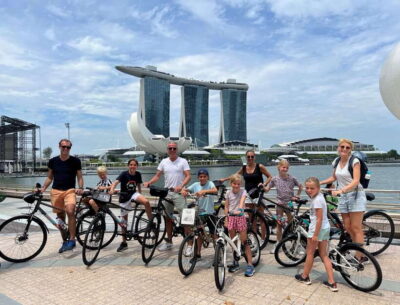
Historical Singapore Bike Tour on Full-Sized Bicycles
Read our review →
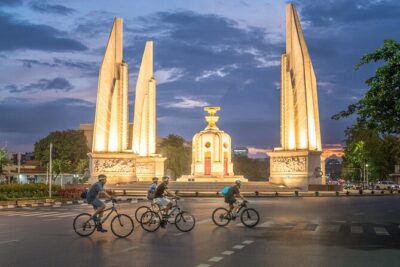
Night Bike Tour with Temples & Flower Market Visit
Read our review →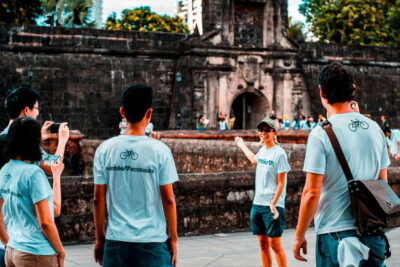
Intramuros, Manila: Historical Bamboo Bike Tour
Read our review →
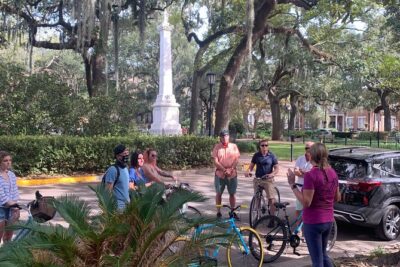
Historical Bike Tour of Savannah and Keep Bikes After Tour
Read our review →Browse the lists this tour appears in