
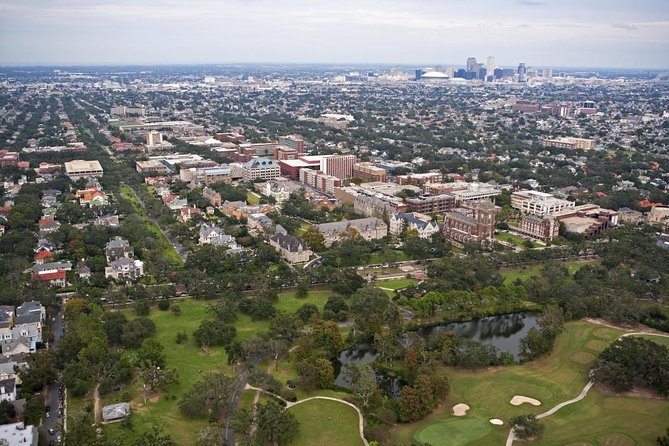
REVIEW · NEW ORLEANS
New Orleans History and Sightseeing Small-Group Bike Tour
New Orleans reveals itself best on two wheels. This three-hour ride links the French Quarter, Treme, and City Park, giving you far more than the usual Bourbon Street snapshot. I like the small group, capped at 10 people, and the easy, mostly flat route that lets you cover ground without turning the day into a marching exercise. The main consideration is that city riding still takes attention, and some riders found the bikes heavy and the brakes unusual at first.
I also like the way the tour moves beyond the postcard center, with stops tied to Creole culture, jazz, cemeteries, and the Mississippi River. Guides such as Chip, Guy, Jeffrey, and Betsy have been praised for clear storytelling and for adjusting their talks to the group. At $55, this is strong value if you want an active introduction to New Orleans, though hot, wet, or stormy weather can affect the experience.
Key points to know before you pedal away
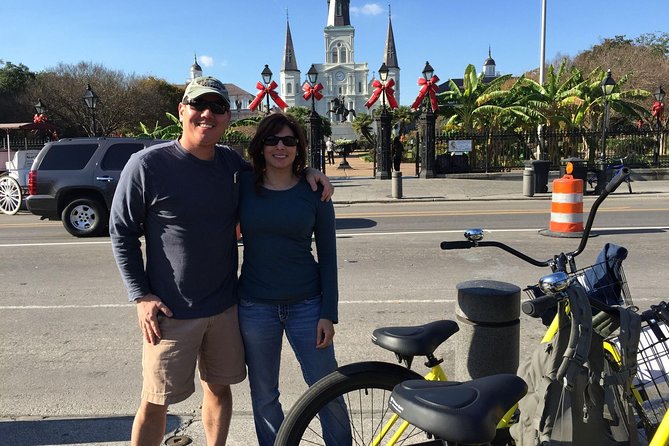
- A 10-person maximum keeps the ride personal: You can ask questions and hear the guide more easily than on a large bus tour.
- The route reaches well beyond the French Quarter: You ride through Faubourg Marigny, Treme, Bayou St. John, and City Park.
- The terrain is generally flat and manageable: The ride suits many casual cyclists, but the bikes are described as somewhat heavy.
- The focus is history with local context: Creole culture, free people of color, jazz, architecture, cemeteries, and neighborhood life all enter the story.
- You get water and a basket: Those small touches matter during a three-hour ride.
- Morning and afternoon departures are available: Choose based on heat, light, and how you want to arrange the rest of your day.
Why a bicycle works so well in New Orleans
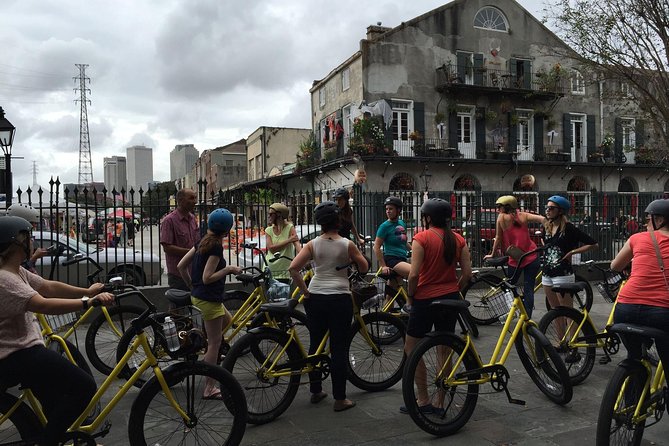
New Orleans can be awkward to cover on foot. The French Quarter is compact, but City Park, Treme, Faubourg Marigny, and the Mississippi Riverfront are spread across a larger area. A bicycle gives you a useful middle ground: slower than a vehicle, quicker than walking, and open to the sounds and street life around you.
I like this tour especially for a first or second day in town. You get a broad look at several districts, then you can return later to the places that caught your attention. The route is not built around one blockbuster attraction. Its value comes from showing how the city’s neighborhoods connect.
The ride is described as flat and fairly easy, with quiet streets, bike lanes on much of the route, the riverfront boardwalk, neighborhood roads, and the broad paths of City Park. That does not mean you can switch off completely. New Orleans streets can be uneven, and you need to watch traffic, pedestrians, and turns.
The bikes are comfortable and come with baskets, which gives you somewhere to place small personal items. One practical warning is worth noting: some riders found the bicycles heavy, and the braking system may take a little practice. Arrive ready to test the brakes and get a feel for the bike before the group sets off.
More City Highlights Bike Tours in the USA
- New York City: Highlights of Central Park Bike or eBike Tour
★ 4.6 · 800 reviews - The Ultimate LA Tour: Full Day Sightseeing Tour On Electric Bike
★ 5.0 · 478 reviews - Central Park NYC Highlights Small-Group Bike Tour
★ 4.5 · 425 reviews
Starting at Jackson Square and the Mississippi River
The tour begins at 223 Dauphine Street, a convenient French Quarter location, and heads toward Jackson Square and the Mississippi Riverfront. This is the right place to start because it introduces the city through its Creole roots rather than only its nightlife.
At Jackson Square, you can expect a stop of about 15 minutes. The square gives you a concentrated view of old New Orleans, with historic buildings, open public space, and the city’s long connection to the river. The riverfront adds another layer, explaining why this location mattered to the growth of the city.
This is a stop where the guide’s ability matters. The physical sights are easy to find on your own, but the stories help connect the architecture, river trade, and Creole culture. Guides have been praised for explaining facts in a relaxed way and answering questions instead of delivering a fixed speech.
The tour returns through the French Quarter at the end, so you do not need to treat this first stop as your only chance to see the area. That is useful because the Quarter looks different at bicycle speed than it does on foot. You pass streets, courtyards, balconies, and daily activity without stopping at every corner.
Faubourg Marigny and the city’s music pulse
Next comes Faubourg Marigny, the oldest neighborhood outside the French Quarter. The planned stop is about 10 minutes, but the ride through the district adds to the experience.
Marigny is closely tied to New Orleans music, and this portion helps explain why the city’s sound is not confined to one famous club or one street. The area is also a good reminder that New Orleans culture grew through neighborhoods, social traditions, and local gathering places.
The stop is brief, so do not expect a full music tour or a long visit inside venues. Instead, you get a street-level introduction while moving through the district. I see that as a strength for a three-hour overview, though travelers seeking live performances or extended time in music clubs will need a separate evening plan.
St. Louis Cemetery No. 3 and above-ground burial
The ride continues toward St. Louis Cemetery No. 3 in the Bayou St. John area. You spend about 15 minutes here, looking at one of New Orleans’ large above-ground cemeteries.
The cemetery gives the guide a chance to explain a part of New Orleans life that can be missed when you stay near the French Quarter. Above-ground tombs are practical, cultural, and architectural features of the city, and the setting feels different from the busy streets downtown.
This is another stop where the guide’s commentary adds real value. You are not simply checking off a cemetery. You are getting context for how New Orleans remembers its dead and how local customs developed.
The short stop also keeps the tour moving. If you want a long cemetery visit, detailed genealogy, or time to examine every tomb, you may find this portion too quick. For a city survey, though, 15 minutes is enough to see the setting and understand why it matters.
Same roads, a different day in the saddle:
- Guided Bike Tour of Old Town Key West
★ 5.0 · 2,611 reviews - NYC: Central Park Bike Rentals
★ 4.2 · 2,528 reviews - Red Rock Canyon eBike Half-Day Tour
★ 5.0 · 1,870 reviews - NYC: Central Park Bike Rental
★ 4.1 · 1,651 reviews
City Park’s old live oaks
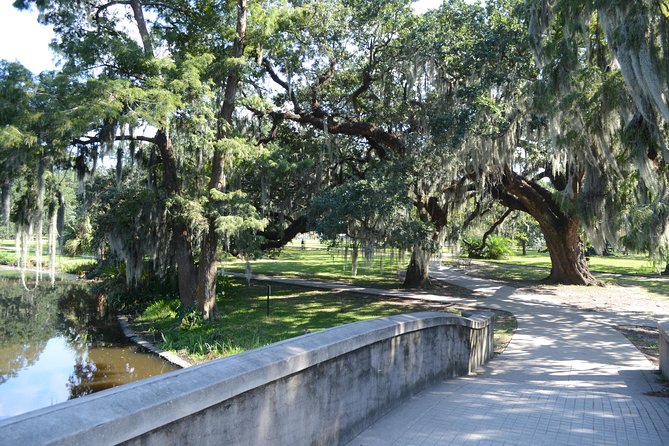
City Park is one of the most appealing parts of the route. The tour allows about 10 minutes in the park, home to a large collection of mature live oaks. Some of these trees are estimated to be 400 to 850 years old.
That age changes the feeling of the ride. After the dense buildings and busy streets of the central neighborhoods, the park offers space, shade, and a slower visual rhythm. The old oaks are the main attraction here, and they give you a sense of time that complements the earlier stops.
Ten minutes is not enough to see all of City Park, and the tour does not promise a full park visit. Think of this as an introduction and a chance to enjoy the trees before continuing. If City Park appeals to you, make a note to return for a longer visit.
The park section is also a practical benefit for riders. The route is not three hours of constant street traffic. You get a change of setting, which helps keep the ride comfortable and interesting.
Treme and the story of free people of color
The tour then reaches Treme, described as the original neighborhood of free people of color. This is one of the most important stops because it broadens the story of New Orleans beyond French colonial images and tourist folklore.
Treme has deep ties to the city’s Black culture, music, and social history. The guide can help you understand the neighborhood as a living community, not just a backdrop for photographs. This is where questions are especially worthwhile. Guides have been praised for tailoring their talks to group interests, so ask about the people, traditions, and music that shaped the area.
The stop lasts about 10 minutes, with more commentary likely taking place while you ride. That format works well for a broad overview but cannot replace a dedicated Treme walking tour. If this neighborhood is a major interest, use the bike tour to get oriented, then return for more time.
Louis Armstrong Park and the beginnings of jazz
Louis Armstrong Park brings the route back to New Orleans music and culture. The park is presented as a place connected to the beginnings of jazz, and the tour gives you about 10 minutes here.
The value is not only the park itself. It is the connection between place, community, and music. After seeing Faubourg Marigny and Treme, you have more context for why jazz developed as part of New Orleans life rather than as an isolated entertainment product.
The stop is short, so expect an introduction rather than a concert history lesson. Still, it creates a useful thread through the day. Creole culture, free people of color, neighborhood traditions, and jazz are treated as connected parts of the city’s story.
Returning through the French Quarter
The final section takes about 15 minutes and leads back through the French Quarter to the Dauphine Street meeting point. You finish where you began, which makes the tour easy to fit into a day of sightseeing.
Some outings have included a stop at Cafe du Monde for a beignet. It is a pleasant addition, but it is not listed as a guaranteed part of every departure, so do not book the tour solely for that treat.
The ride back gives you another look at old New Orleans from the saddle. You may notice details you missed at the start because you now have more context for the streets and neighborhoods.
How the guides shape the experience
The strongest praise has gone to the guides. Chip is repeatedly singled out for his grasp of local history, architecture, legends, and odd bits of city lore. Guy is described as friendly, safe, and good at explaining Creole history. Jeffrey is praised for professionalism and for changing the discussion around the group’s interests. Betsy has been credited with making the ride fun and offering useful restaurant suggestions.
That range matters because the experience depends on the person leading it. A bicycle route is only part of the product. The guide controls the pace, safety instructions, and amount of detail at each stop.
The small group helps here. With no more than 10 riders, you have a better chance of asking a question or hearing a story clearly. The guides also appear to leave room for conversation rather than treating the tour as a speech delivered at fixed points.
Is $55 a good price?
At $55 per person, the tour offers three hours, a bicycle with a basket, bottled water, and a local guide. I consider that fair value for a small-group activity covering several parts of New Orleans.
You are paying for more than bike rental. The guide provides orientation, historical context, route planning, and a degree of safety support. You also cover ground that would take much longer on foot.
The value is strongest if you have limited time in the city or want to decide which neighborhoods deserve a second visit. It is less compelling if you already know New Orleans well and only want a casual bicycle rental.
Who should book this ride?
I would recommend it to adults, families with children aged 12 or older, couples, and friends who want to stay active without committing to a strenuous athletic outing. Several departures have suited people in their 60s, and the flat route makes the ride approachable for casual cyclists.
It is also a smart choice if walking is difficult for you. One family used the bicycle as a way to see the city during a plantar fasciitis flare, avoiding the long walks required by a standard sightseeing day. You still need to pedal, steer, and manage the bike, but you are not covering every district on foot.
The tour may not suit you if you dislike city riding, have little bicycle experience, or need a fully enclosed activity in uncertain weather. Wear comfortable, weather-appropriate shoes and clothes. Bring a water bottle if you prefer more than the included bottled water, and give yourself time to become familiar with the bike’s braking system.
The tour is offered in English, and confirmation is provided when you book. It begins and ends at 223 Dauphine Street, near public transportation. Morning and afternoon departures let you work it around meals, museums, or an evening show.
Free cancellation is available up to 24 hours before the start time. Changes or cancellations inside that window are not refundable, and poor weather or failure to reach the minimum group size can lead to a different date or a full refund.
Should you book the New Orleans bike tour?
Book it if you want a broad, lively introduction to New Orleans in three hours. The route combines the French Quarter, riverfront, music districts, Treme, a historic cemetery, and City Park. That is a useful spread, and the small group gives the guide room to make the ride personal.
I would choose a morning departure on a hot day if possible, and I would take the tour early in your visit so you can return to the places that interest you. Skip it if you want a slow, highly detailed visit to one neighborhood or if cycling in city traffic makes you uneasy.
For most first-time visitors who can comfortably ride a bicycle, the $55 price is justified by the coverage, local storytelling, and easy access to parts of New Orleans that are too far apart for a pleasant walking tour.
FAQ
Where does the bike tour start?
The tour starts at 223 Dauphine Street, New Orleans, Louisiana 70112.
Where does the tour end?
The activity ends back at the original meeting point on Dauphine Street.
How long does the tour last?
The tour lasts approximately three hours.
How many people can join the tour?
The maximum group size is 10 travelers.
What is the minimum age?
The minimum age is 12 years.
Is the tour offered in English?
Yes. The tour is offered in English.
What is included in the price?
The price includes a local guide, bottled water, and a comfortable bicycle with a basket.
What happens if the weather is poor?
If poor weather causes the tour to be canceled, you can choose another date or receive a full refund.
More Small-Group Bike Tours in the USA
- Small-Group Electric Bike Tour of Santa Monica and Venice
★ 5.0 · 458 reviews - Small-Group E-Bike Adventure Tour through Hidden Santa Fe
★ 5.0 · 276 reviews - New Orleans Creole Odyssey Small-Group Bike Tour
★ 5.0 · 268 reviews - Brooklyn Neighborhoods Small-Group Bike Tour
★ 5.0 · 137 reviews
Just added around the USA
- Garden of the Gods Original Electric e-Bike Tour★ 5.0 · 45 reviews
- 3-Hour E-Bike Tour of Trail of the Silver Kings (Old Mine Tour)★ 5.0 · 18 reviews
- Gold Camp Road by E-Bike★ 5.0 · 21 reviews
- Pikes Peak & Garden of the Gods E-Bike Expedition★ 5.0 · 29 reviews
- EBIKE Mountain Adventure in Colorado Springs: Gold Camp Road★ 5.0 · 16 reviews
- Ebike 2 Hour Rental Experience in Manitou Springs, Colorado★ 5.0 · 33 reviews
- Ride Manitou Springs & Garden of the Gods Best Guided eBike Tour!★ 4.5 · 16 reviews
- Historical Bicycle Tour of Dunedin★ 5.0 · 44 reviews
Small-Group Bike Tours, compared.
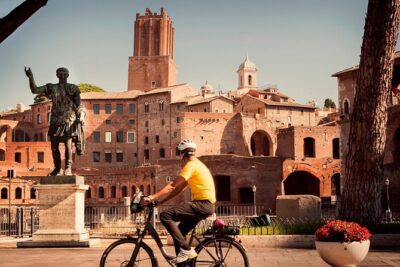
Rome City Small Group Bike Tour with quality Cannondale EBike
Read our review →
Complete Cracow Bike Tour (small group of maximum 15 people!)
Read our review →
Rome by Night – Ebike Small Group Tour – Food and Wine (Option)
Read our review →
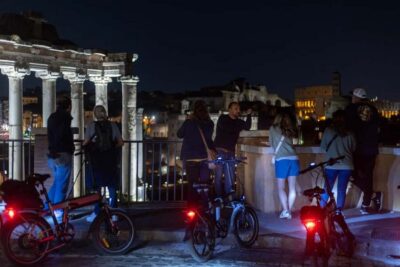
Rome by Night: E-bike Small Group Tour -Food & Wine (Option)
Read our review →
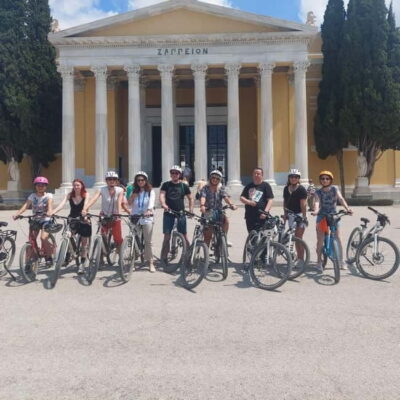
Historic Athens: Small Group Electric Bike Tour
Read our review →
Browse the lists this tour appears in