

REVIEW · CAPE TOWN
Cape Town: Cultural Cycling Tour
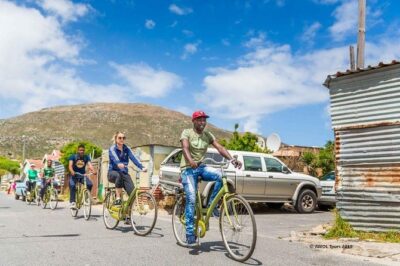
See Masiphumelele at street level. This four-hour bicycle tour offers a direct way to meet local people, learn about Xhosa customs, and see daily life beyond Cape Town’s usual sightseeing routes. I especially like the chance to stop at small businesses and community projects, and the visit to a Sangoma, or traditional healer, gives the outing a cultural focus that goes well beyond a simple bike ride.
I also like that your $106 fee supports local work, with 10 percent going to Masicorp and part of the tour helping a local crèche. The main caution is that this is not a polished sightseeing circuit. Some parts may feel uncomfortable as you confront poverty and unequal living conditions, and the route is not suitable for wheelchair users or people with mobility impairments.
Key points to know before you book
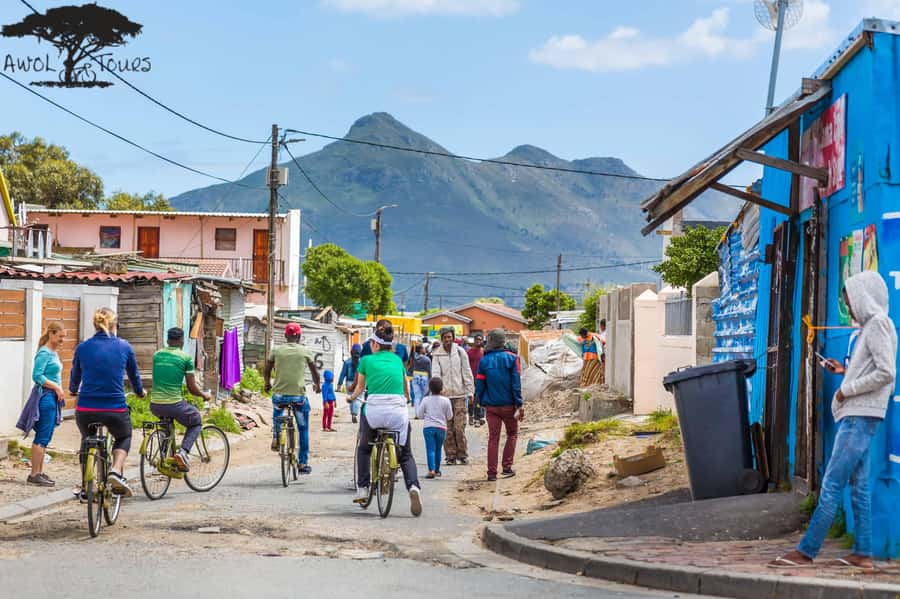
- Meet the Songezo cycling academy: The tour starts at Masicorp’s Chasmay Road Campus, where young cyclists may be training nearby.
- Ride with a local Xhosa guide: You visit community spaces, small businesses, a library, and other places while learning about local customs.
- Meet a Sangoma: Traditional healing and dancing are part of the cultural program.
- Eat local food: Lunch may be served at an African restaurant or in the home of a local woman who prepares traditional tea or food.
- School-day visits vary: A local crèche is visited during school terms, while Sundays may include a gospel church service.
- Small group, practical pace: The group is limited to eight people, and an old-fashioned Dutch bicycle is provided.
Starting at Masicorp and the Songezo cycling academy
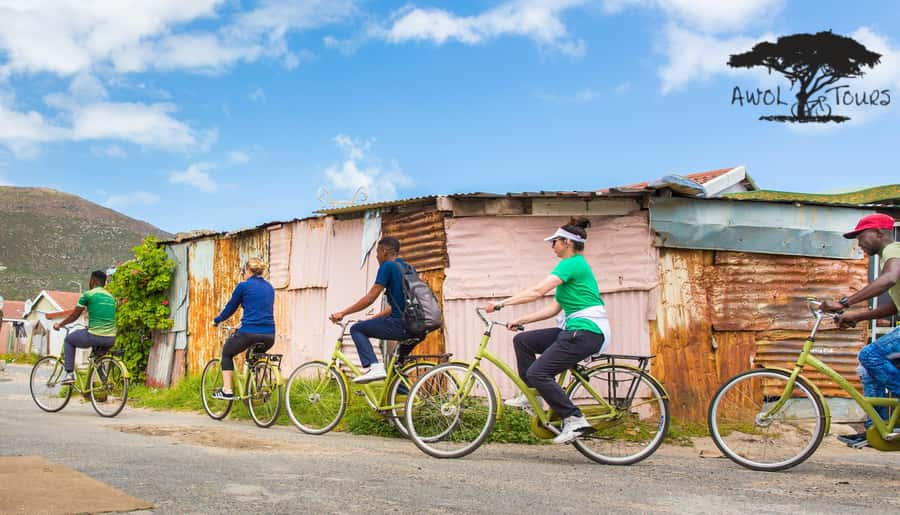
Your four-hour outing begins at the Masicorp Chasmay Road Campus in Masiphumelele. This is more than a place to collect a bicycle. The campus shares a workshop with the Songezo Youth Cycling Academy, so you might see young people from the community training there.
That opening gives useful context. Cycling here is not only a leisure activity for visitors. Songezo Jim, described as South Africa’s first Black South African cyclist, now encourages local youth to take up the sport. The academy connects the bicycle beneath you with a wider effort to give young people skills, confidence, and a constructive activity.
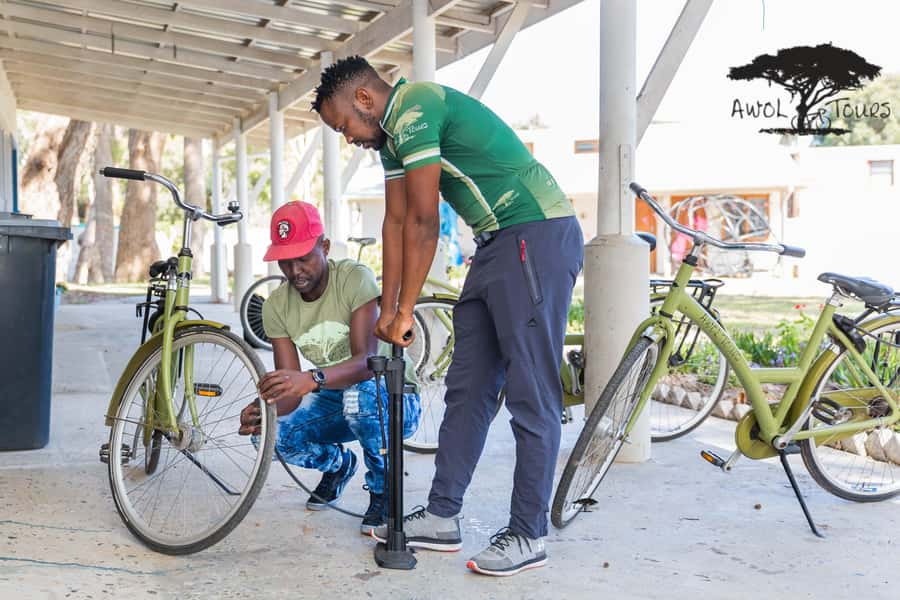
You ride an old-fashioned Dutch bicycle. That sounds charming, but it may not suit every rider. If you prefer a modern touring bike with many gears, this could feel basic. Comfortable shoes are recommended, and you should leave high heels and jewelry at home. Food is also not permitted on the tour, so follow the local operator’s instructions rather than bringing snacks along.
Transport to the meeting point is not included. It can be arranged on request, which is useful if you do not have an easy way to reach Chasmay Road Campus. Be sure to settle that before the day of your tour.
A few more days on two wheels around Cape Town worth a look
- Cape Town City Cycling Tour
★ 5.0 · 199 reviews - Cape Town: Guided Bike Tour
★ 4.9 · 193 reviews - Cape Town: E-Bike City Tour
★ 4.8 · 76 reviews
Riding through Masiphumelele with a local guide
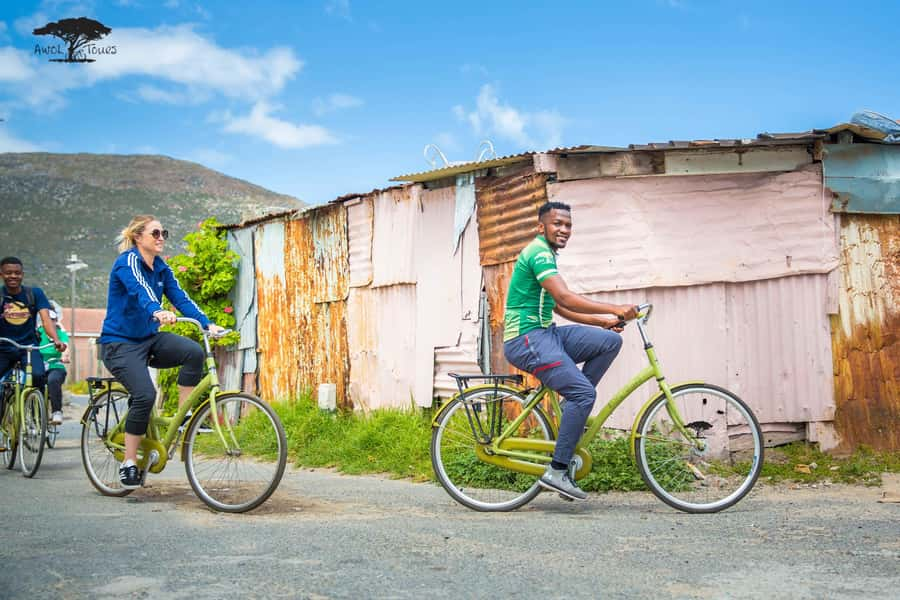
The bicycle makes the visit feel more personal than seeing the area from a vehicle. You move slowly enough to notice places you would otherwise pass, and you can stop while your guide explains what you are seeing.
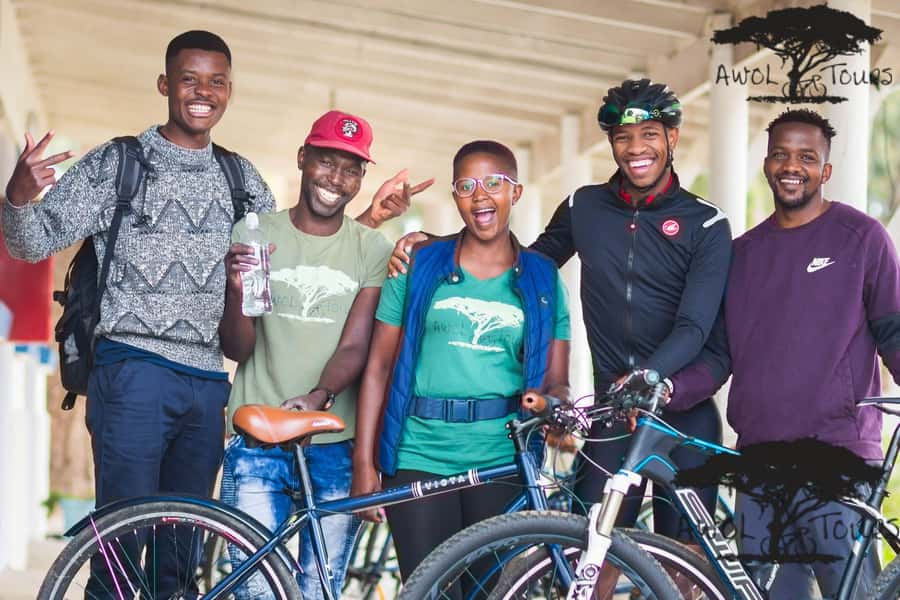
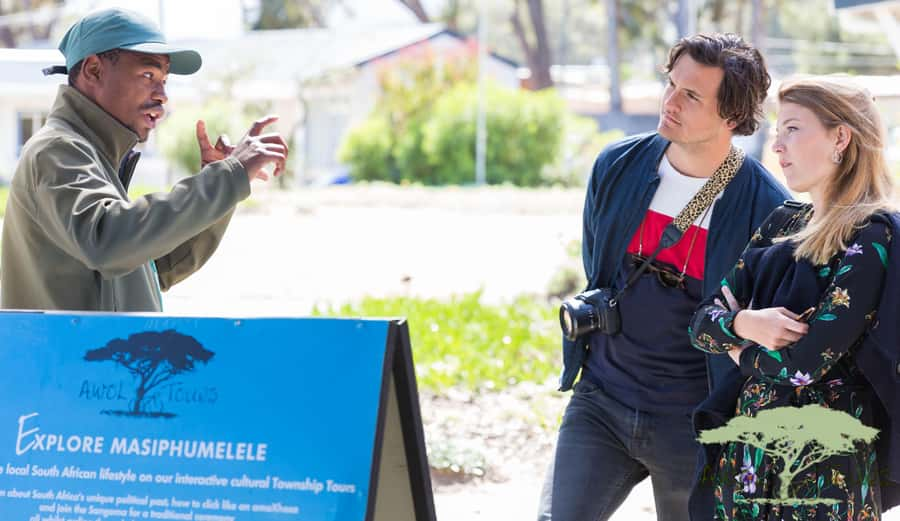
Your guide is a local Xhosa speaker who introduces customs and answers questions about community life. The English-language guiding is a practical advantage, since the tour depends on conversation rather than a long recorded explanation. One guide named Lutho has been praised for making the experience special, though you should not assume Lutho will lead every departure.
The route includes a local library, entrepreneurs, and small businesses. These stops matter because they show Masiphumelele as a working community, not a display arranged for sightseeing. You see places where people study, trade, and build income. The exact stops can vary, and that is part of the nature of a community tour.
I would approach this section with respect and patience. You are entering someone’s neighborhood, not visiting an open-air museum. Ask questions, listen carefully, and avoid treating private homes or people as photo subjects without permission. The point is human contact, not collecting dramatic images.
The small group size helps. With no more than eight people, it is easier to hear the guide and easier for local hosts to talk with you. It also limits the sense of a large group moving through a residential area.
Meeting a Sangoma and learning through movement
A visit with a Sangoma is one of the tour’s most distinctive parts. Sangomas are traditional healers, and the meeting offers a window into a belief system that remains important in South African life.
The program includes dancing with the Sangomas. This is not simply a performance to watch from the side. You may be invited to join in, so be ready for a participatory moment rather than a quiet lecture. If dancing in front of other people makes you nervous, remember that the activity is part of the cultural exchange, not a test of skill.
This stop is valuable because it gives you a chance to encounter tradition in a living setting. At the same time, you should not expect a full course in Xhosa spirituality or traditional medicine in one visit. Listen to the explanations provided and avoid turning the meeting into a novelty.
The experience can feel quite different from Cape Town’s better-known attractions. That difference is a strength for people who want direct contact with local culture, but it may feel outside your comfort zone if you prefer carefully staged sightseeing.
Visiting the crèche during the school term
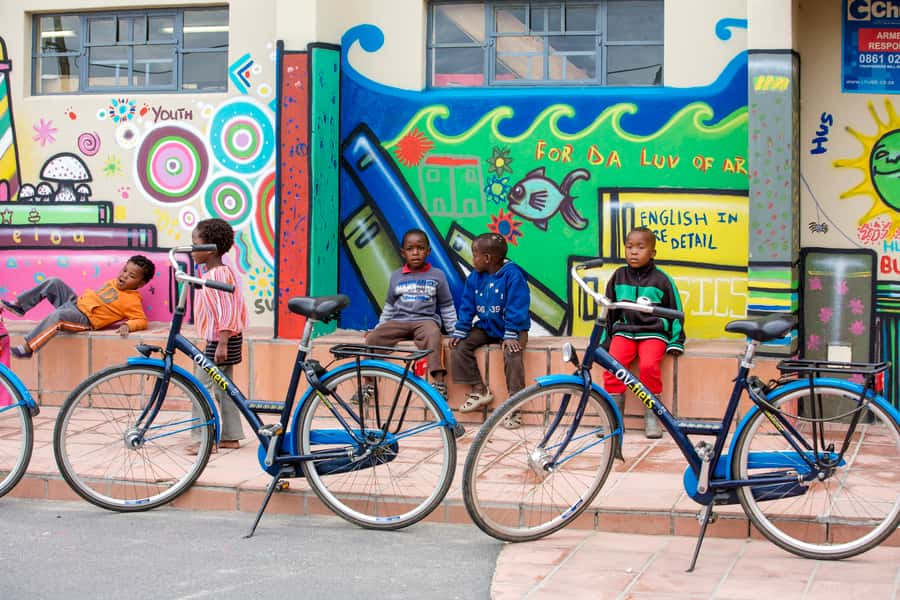
During school time, the route includes a local crèche. It is closed on weekends and school holidays, so this stop is not available on every departure.
The crèche operates under difficult conditions, and part of the tour proceeds helps improve its facilities. This gives your booking a clear local benefit. You are not only paying for a guided activity. You are also helping direct funds toward a place serving children in the community.
Still, this is a stop that requires sensitivity. The children are not there to entertain visitors, and the local partner specifically asks you not to give sweets or treats. If you want to support children, do it through registered charities rather than handing out gifts during the visit.
I appreciate that the project sets this boundary. It protects the children from unequal and confusing encounters and keeps assistance organized. As a visitor, your best contribution is respectful attention, responsible behavior, and the money already built into the tour price.
Same roads, a different day in the saddle:
- Cape Town: Guided eBike Tour with Signal Hill and Clifton …
★ 4.9 · 71 reviews - Cape Town: E-Bike Cape Peninsula Tour
★ 4.7 · 54 reviews - Bicycle Township Tour in Cape Town
★ 5.0 · 43 reviews - Cape Town’s Finest City Bike Tour
★ 5.0 · 43 reviews
A Sunday gospel church option
On Sundays, the itinerary may include a local gospel church. One of the strongest responses to the experience singled out the church service as the best part, while also noting that some other advertised points were not included.
That is a useful warning. The tour has several possible community stops, but the exact mix may depend on the day, school calendar, church schedule, and local circumstances. If attending a gospel service is important to you, ask when booking whether it is planned for your departure.
A church visit can offer a different view of local life from the library, businesses, and cycling academy. You may see how music, worship, and community gathering fit into the Sunday routine. Treat it as a place of worship first, and follow the guide’s advice about appropriate behavior.
Eating African food at lunch
Lunch is included, and it may take place at an African restaurant or in the home of a local woman who regularly hosts tour groups. The home option is especially personal. You may be served authentic African tea or a traditional lunch in a setting where conversation is part of the meal.
This is one of the tour’s best chances to slow down and talk. Food creates an easy bridge between people, and a home meal can show you hospitality in a way a restaurant rarely does. The restaurant option may be more predictable, but it still gives you a chance to try local food rather than eating at a familiar international chain.
The exact menu is not specified, so do not book expecting a particular dish. If you have dietary restrictions, ask the operator before paying. The supplied information confirms that African lunch is included, but it does not promise vegetarian, vegan, halal, or allergy-specific choices.
You are asked not to bring food on the tour. That rule is simple, especially since lunch is part of the program.
What the $106 price really includes
At $106 per person, this is not the cheapest way to spend four hours in Cape Town. The price makes more sense when you look at what is bundled into it: a local Xhosa guide, bicycle use, lunch, the Sangoma visit, and a contribution to Masicorp.
Ten percent of all tour proceeds goes directly to Masicorp, a nonprofit supporting education in the community. Additional proceeds help the local crèche, and the tour operates alongside the Songezo Youth Cycling Academy. That gives the fee a social purpose that a standard guided ride may not have.
Value also depends on what you want from Cape Town. If you only want exercise and scenic cycling, $106 may feel high. If you want a small-group cultural visit with food, conversation, and community benefit, the price is easier to justify.
Keep in mind that transport is not included. It can be arranged on request, but that may add to your total cost. The outing lasts four hours, which is long enough for several stops without taking an entire day away from other Cape Town plans.
The honest parts of the experience
A township tour should not pretend that poverty is comfortable to see. You may notice sharp contrasts between your own circumstances and those of people living in Masiphumelele. One account described feeling uneasy and ashamed while also recognizing the hope and determination of local families.
That emotional response is not a reason to avoid the tour, but it is a reason to choose it carefully. You should come prepared to listen rather than expecting a cheerful photo opportunity. The guide’s role is important here, since you can ask direct questions and receive local context.
The experience also has limits. One Sunday outing included the church but missed some other points, so the route should be treated as flexible. You may not see every location listed in the general plan. That is frustrating if you want a fixed checklist, but it reflects the reality of community schedules and school closures.
The activity is also not suitable for wheelchair users or people with mobility impairments. Cycling requires enough balance and physical ability to manage the provided bicycle. Comfortable shoes are essential.
Who will enjoy this bicycle township tour?
I would recommend it most strongly if you want to meet local people, ask questions, and see community projects at close range. It suits curious visitors who value conversation over a fast list of monuments.
It is also a good fit if you want your spending to support local work. Masicorp receives 10 percent of the proceeds, and the tour links directly with education and youth cycling projects.
You may enjoy it less if you want a scenic ride, a luxury experience, or a tightly controlled schedule. The Dutch bicycle is simple, the route can change, and parts of the visit may feel emotionally demanding.
Families should pay close attention to the rules about children at the crèche. Do not give sweets or treats. Couples, solo visitors, and small groups who are comfortable with cultural exchange may find the eight-person limit especially appealing.
Booking, timing, and practical advice
The tour is offered in English and has a maximum group size of eight. Starting times depend on availability, and the four-hour length makes it easy to fit into a Cape Town itinerary, provided you allow time to reach the campus.
The experience offers free cancellation up to 24 hours before departure and a reserve-now, pay-later option. Those terms help if your plans are still shifting, but you should still confirm the meeting point and transport arrangements.
Wear comfortable shoes and practical clothing for cycling. Leave high heels and jewelry behind. You do not need to bring food, and you should not bring treats for children.
If a gospel church, crèche visit, or home lunch matters most to you, ask which elements are likely on your chosen day. The program has several possible stops, and the calendar affects what you see.
Should you book this Masiphumelele cycling tour?
Book it if you want an honest, small-group look at township life that includes real conversation, local food, traditional healing, and direct support for community projects. The strongest reasons to go are the local guide, the Sangoma visit, the personal lunch setting, and the chance to see the Songezo cycling work at the starting point.
Skip it if you need wheelchair access, dislike cycling, or want a fixed itinerary with no emotional discomfort. Also remember that $106 is a meaningful investment, not a bargain ride.
For the right visitor, this is a thoughtful way to spend four hours in Cape Town. You leave with more than a bicycle outing. You gain a closer look at local enterprise, education, faith, culture, and the people working to improve life in Masiphumelele.
FAQ
Where does the Cape Town Cultural Cycling Tour start?
The tour starts at the Masicorp Chasmay Road Campus, which is also the Masicorp head office and a shared workshop location with the Songezo Youth Cycling Academy.
How long does the tour last?
The tour lasts four hours.
How much does the tour cost?
The listed price is $106 per person.
Is lunch included?
Yes. An African lunch is included. It may be served at an African restaurant or in the home of a local woman who hosts tour groups.
What language is the tour conducted in?
The live tour guide speaks English.
What type of bicycle is provided?
An old-fashioned Dutch bicycle is provided.
Is transport to the meeting point included?
No. Transport is not included, but it can be arranged on request.
Is the crèche visited on every tour?
No. The crèche is visited during school time and is closed on weekends and school holidays.
Is the tour suitable for wheelchair users?
No. The experience is not suitable for wheelchair users or people with mobility impairments.
Just added around Cape Town
- Bicycle Township Tour in Cape Town★ 5.0 · 43 reviews
- Cape Town City and Woodstock Bicycle Tour★ 4.5 · 15 reviews
- Cape Town’s Finest City Bike Tour★ 5.0 · 43 reviews
- Private Cycling Tour of The Cape Peninsula from Cape Town★ 5.0 · 14 reviews
- Mountain Biking Table Mountain to Constantia Morning Ride★ 5.0 · 17 reviews
- Half-Day Winelands E-Bike Tour with Wine Tasting★ 4.2 · 13 reviews
- Cape Town: Peninsula Road Bike Tour★ 5.0 · 23 reviews
- Cape Town: Half-Day e-Bike City Tour★ 4.4 · 35 reviews
Cape Town Cycling Tours, compared.



Guided eBike Tour with Signal Hill and Clifton …
Read our review →


Browse the lists this tour appears in