
REVIEW · MIAMI
Art Deco, History and Crime Bike Tour with Design Enthusiast
Miami Beach has more secrets than sun. This three-hour ride pairs Art Deco expertise with Miami’s stranger stories, from the city’s man-made beginnings to the cocaine cowboys era. I especially like that guide Damian is involved with the Miami Design Preservation League, and that the route reaches Surfside and Bal Harbour instead of circling only the usual South Beach blocks.
The main consideration is the distance. The full route covers about 20 miles round trip, though it includes plenty of stops and is described as manageable rather than exhausting. You should still feel comfortable riding a bicycle for three hours, and Miami’s heat can make the outing harder than the mileage suggests.
Key points to know before you book
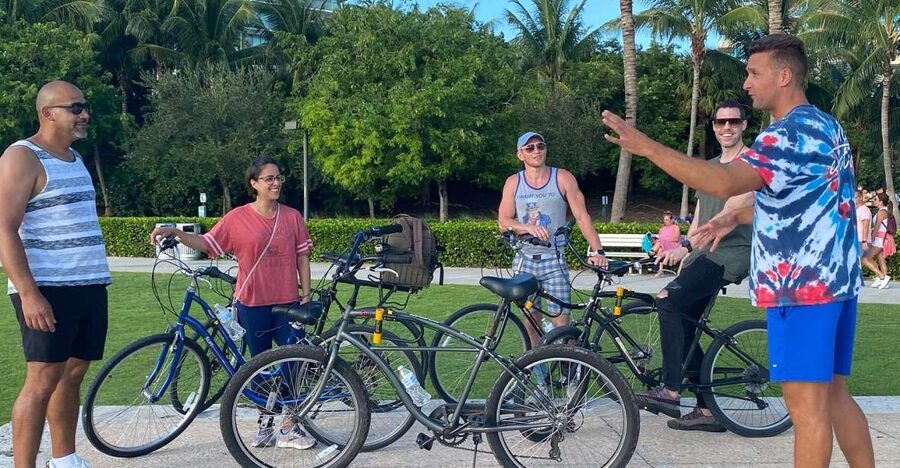
- Damian leads with local experience: His work with Art Deco preservation gives the architecture stories real context, not just dates and photo stops.
- The route goes beyond South Beach: You ride through Miami Beach and continue toward Surfside and Bal Harbour, two separate municipalities with their own character.
- The history takes an unusual turn: Along with design and development, you hear about segregation, Black history, Jewish history, Cuban migration, crime, scandals, and the cocaine cowboys period.
- You may enter historic hotel lobbies: The ride includes Art Deco buildings, Mediterranean Revival details, MiMo design, parks, and notable sites.
- The tour is long but thoughtfully paced: At roughly 20 miles, it uses scenic pauses and storytelling to keep the ride from becoming a race.
- The price includes the basics: For $79, you receive the guided tour, bicycle, water bottle, and helmet if required.
Why Miami Beach makes such a good history ride
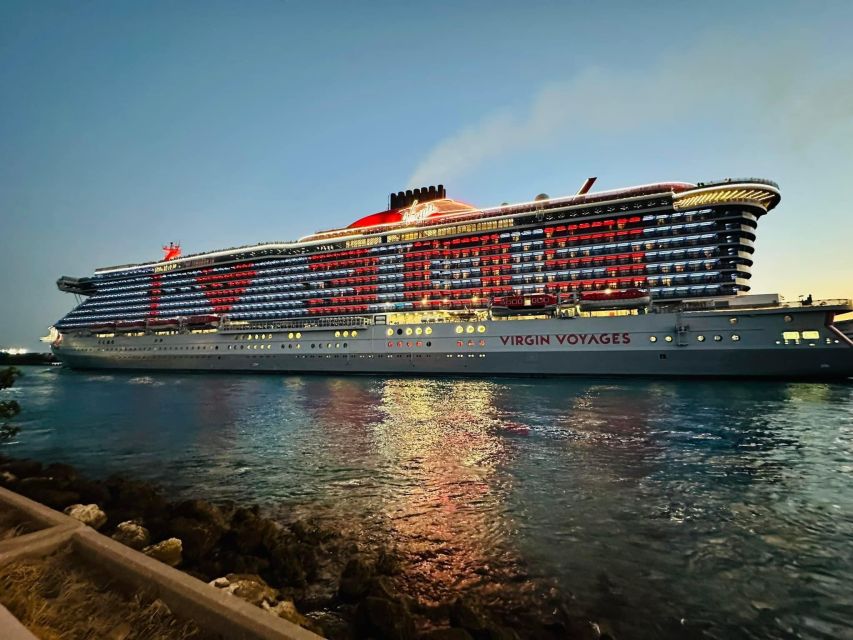
Miami Beach can look effortless at first glance: palms, pastel buildings, oceanfront hotels, and broad streets made for wandering. The city’s backstory is far less simple. Much of Miami Beach is man-made, and Biscayne Bay was once a shallow swamp. That basic fact changes how you see the place. Every grand hotel, landscaped park, and carefully planned boulevard rests on a dramatic act of engineering and promotion.
A bicycle is a smart way to connect those pieces. You cover more ground than on foot, but you remain close enough to notice rounded corners, porthole windows, terrazzo floors, neon signs, and small changes in building style. You also avoid the sealed-off feeling of a bus. The city moves around you, and the stops give you time to listen.
Damian’s role matters here. He is described as a passionate local historian and an active member of the Miami Design Preservation League, the group closely associated with protecting Miami Beach’s Art Deco district. That background should make the architecture portion more than a checklist of colorful façades. You get the reasons these buildings look the way they do, how the city changed, and why preservation matters.
The tour also avoids treating Miami Beach as a one-note resort town. You learn about the Great Depression, segregation, Black history, Jewish history, Cuban migration, and the fast changes that shaped modern Miami. These subjects are not decoration around the buildings. They explain who could live here, who was excluded, who arrived later, and why the city developed its particular identity.
A few more days on two wheels around the USA worth a look
- Guided Bike Tour of Old Town Key West
★ 5.0 · 2,611 reviews - NYC: Central Park Bike Rentals
★ 4.2 · 2,528 reviews - Red Rock Canyon eBike Half-Day Tour
★ 5.0 · 1,870 reviews
Starting among South Beach’s Art Deco hotels
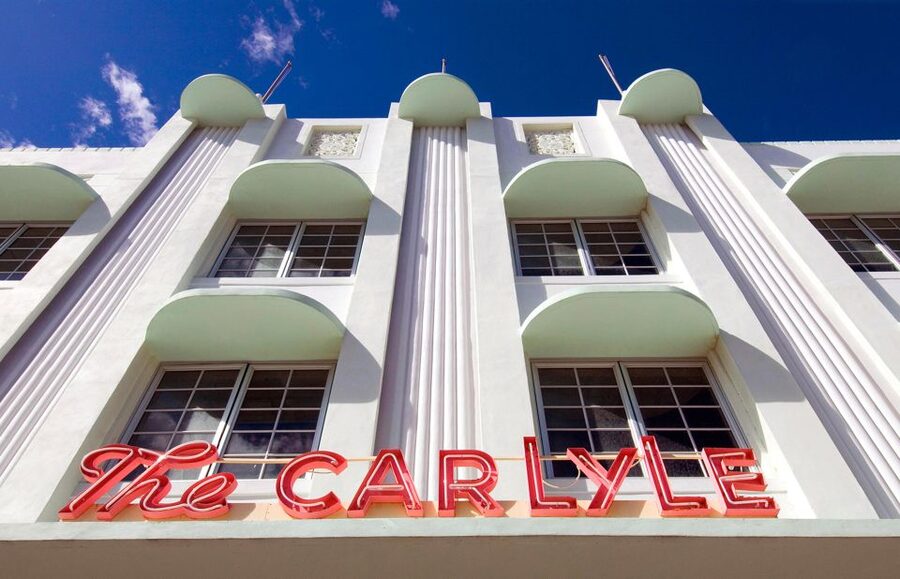
The ride begins at a bicycle rental shop, then moves into the heart of Miami Beach. South Beach is the obvious place to start because its streets hold one of the country’s best-known collections of Art Deco buildings. The style is easy to spot once you know its visual grammar: strong curves, horizontal lines, geometric decoration, glass blocks, and carefully placed details meant to look modern without becoming cold.
The route includes visits through lobbies of exquisite Art Deco hotels. That is an important part of the experience. From the street, you see the façade. Inside, you can notice the colors, flooring, lighting, furniture, and compact design choices that made these hotels feel modern in their time.
You should not expect every stop to be a long formal visit. This is a moving bicycle tour, not a museum program. The value comes from seeing several buildings in context, then hearing how they fit into Miami Beach’s growth and preservation battles.
The guide also introduces Mediterranean Revival and MiMo architecture. Mediterranean Revival brings a more decorative, old-world look, while MiMo, short for Miami Modern, reflects a later period with bolder forms and postwar optimism. Seeing these styles on the same ride helps you understand that Miami Beach is not one architectural district frozen in one decade.
I like this approach because it gives you a way to read the city after the tour ends. Instead of seeing an old hotel as simply colorful, you can start asking what era it belongs to, what materials it uses, and what kind of Miami it was built to sell.
Parks, streets, and the city’s made-up ground
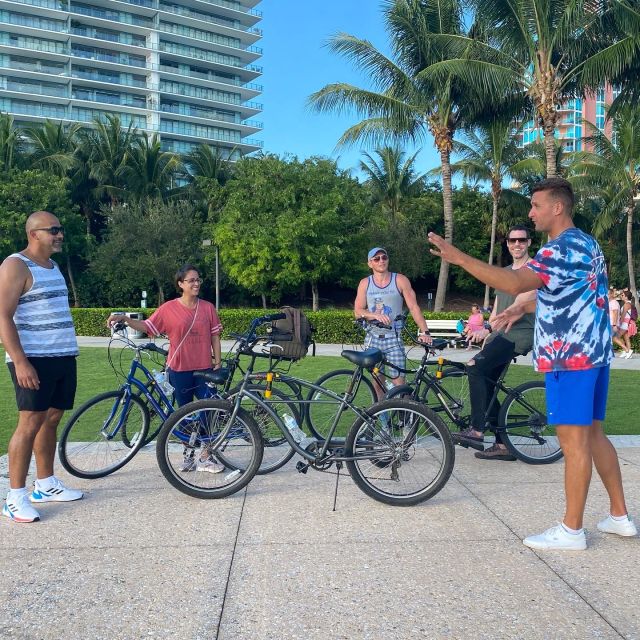
The ride uses scenic parks and historic sites as part of the story. These pauses break up the mileage and give you time to absorb what you have seen. They also help connect buildings to public space, since Miami Beach’s appeal has always depended on more than hotel façades.
The man-made nature of the city is one of the tour’s best ideas. Miami Beach was not simply a natural resort waiting to be discovered. Its developers reshaped land, promoted the area, and built an image that drew residents, tourists, investors, and performers. That story includes ambition and invention, but also exclusion and inequality.
You also hear that Biscayne Bay used to be a shallow swamp. That detail makes the early development story more striking. Miami’s polished streets and resort image came from a place that required major change before it could support the city people recognize today.
The ride’s outdoor format suits this subject. You can see the relationship between water, streets, buildings, and parks in real time. A lecture indoors could explain the same facts, but the bicycle lets you travel through the physical result.
From the Great Depression to Miami’s changing communities
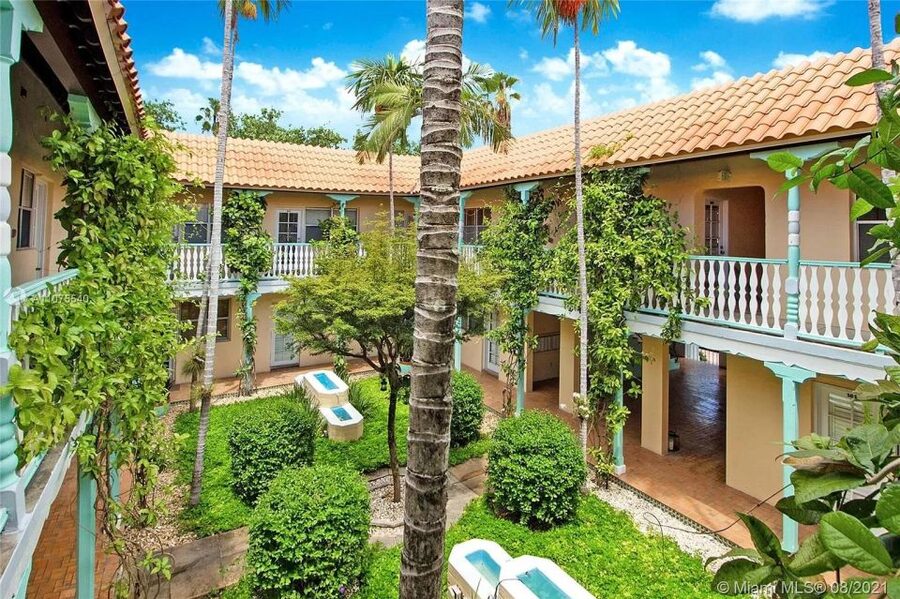
Miami Beach history is not just a success story about wealthy visitors. The tour covers the Great Depression and the difficult history of segregation. Those subjects give the city a fuller shape, especially if your idea of Miami comes mainly from beaches and nightlife.
Black history receives specific attention, as does Jewish history and Cuban migration. These communities played major parts in Miami’s development, yet quick sightseeing often leaves them out. I value their inclusion because it prevents the tour from presenting Art Deco as an isolated design movement with no connection to real people.
Cuban migration is especially important to understanding modern South Florida, though the supplied details do not specify exactly which locations the tour uses for that part of the story. You should expect historical explanation tied to places along the route, not a separate museum-style exhibit.
The discussion of segregation may also change how you view the resort image. A city designed to attract visitors did not offer the same welcome to everyone. Learning that alongside the architecture keeps the pretty streets from becoming a simplified postcard.
For families, this mix can work well. A family of four with teenagers aged 16 and 20 enjoyed the tour, and the subjects offer enough variety to hold attention beyond building styles. Younger children may be less interested in the crime and social history, but the open-air ride and frequent changes of scene can help.
Same roads, a different day in the saddle:
- NYC: Central Park Bike Rental
★ 4.1 · 1,651 reviews - Central Park Bike Rental
★ 4.7 · 1,509 reviews - Austin Biker Gang E-Bike Tour
★ 5.0 · 1,399 reviews - Asheville Historic Downtown Guided Electric Bike Tour with Scenic Views
★ 5.0 · 1,234 reviews
The darker side: crime, scandals, and cocaine cowboys
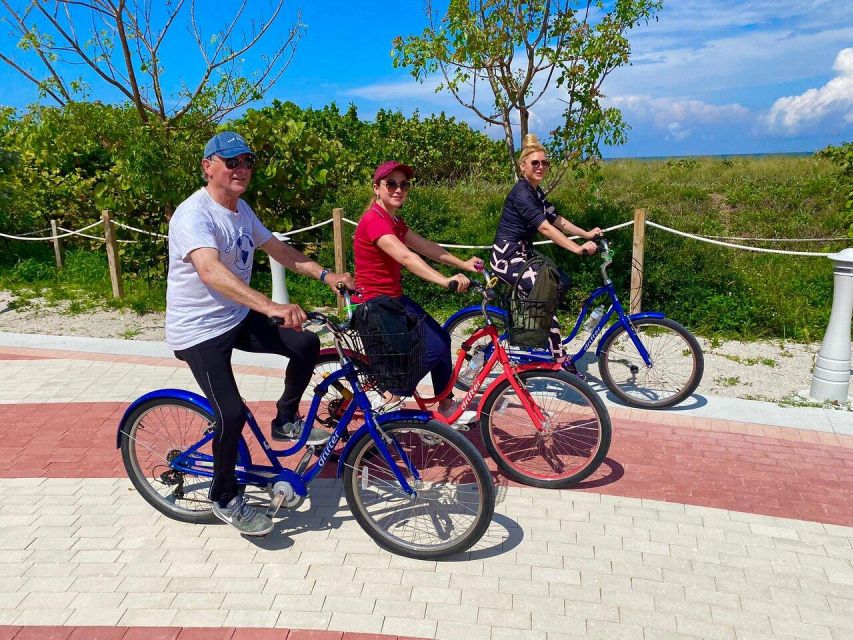
The tour’s title promises more than architecture, and it delivers a darker side of Miami Beach. You hear about local scandals, true crime locations, the cocaine cowboys era, the influence of Miami Vice, and the murder of Gianni Versace.
These subjects are handled as part of the city’s development rather than as disconnected shock stories. Miami’s image in popular culture was shaped by crime, wealth, drugs, television, and celebrity. The tour looks at how those forces affected the city’s reputation and the way outsiders imagined it.
The Gianni Versace murder is one of the most recognizable Miami Beach crime stories, and hearing it at a relevant location gives the subject a strong sense of place. The same is true of the cocaine cowboys period. Instead of treating the era as a glamorous crime film, the tour can place it within Miami’s broader growth and changing public image.
The crime material may not suit everyone. If you want a purely architectural outing, these stories will take time away from design. If you enjoy history’s less polished corners, they add a useful counterweight to the beaches and pastel hotels.
I also appreciate that the tour includes scandals alongside larger subjects such as migration and segregation. That balance keeps the experience from becoming a sensational crime crawl. The city’s past has beauty, conflict, ambition, and violence, and the ride makes room for each.
Continuing north to Surfside and Bal Harbour
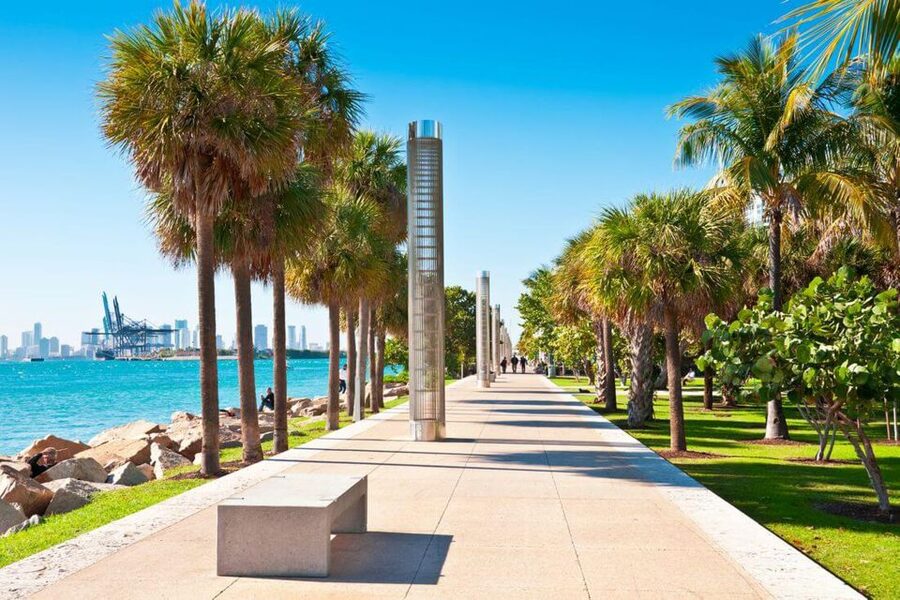
Many visitors stay within South Beach, so the ride north is a real advantage. The route reaches Surfside and Bal Harbour, two municipalities north of Miami Beach. This gives you a broader view of the area and shows how the resort corridor changes as you ride.
The ride is about 20 miles round trip, with scenic stops along the way. That distance is the main physical challenge, but the stopping points should help keep it from feeling like a workout with a history lecture attached. One useful report describes the pace as substantial enough to see a lot, yet not so draining that it ruins the rest of the day.
You should still plan carefully. Wear clothing suited to warm weather, bring your usual comfort with sun exposure into the decision, and do not assume that a flat coastal route feels easy in heat. The included water bottle helps, but it does not replace sensible preparation.
Surfside and Bal Harbour also add variety to the architecture and local history. The supplied information does not list every stop or building in these communities, so I would think of this section as an extension of the main story rather than a guaranteed list of named landmarks.
The route is especially useful if you have several days in the Miami area. You may leave with ideas for restaurants and places to visit later, as the ride exposes you to areas beyond the standard tourist circuit. That practical side adds value: the tour can help shape the rest of your stay.
What the $79 price really covers
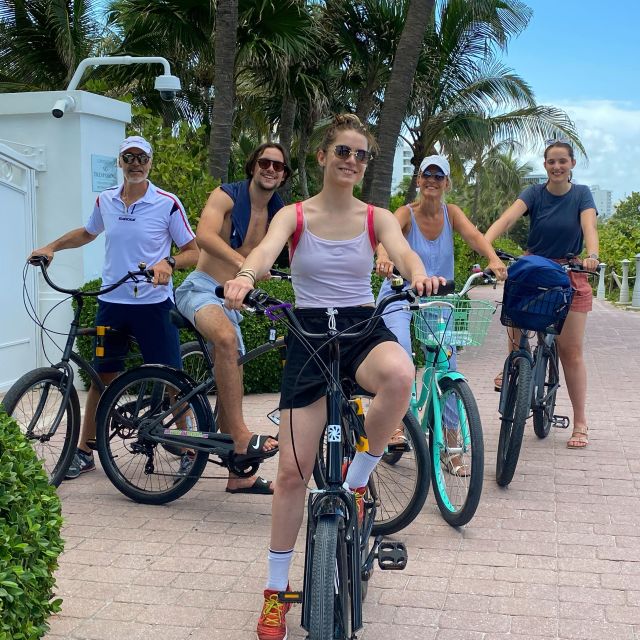
At $79 per person, the cost is reasonable if you value a guide who can connect architecture, local politics, migration, crime, and city planning in one outing. You are not paying only for a bicycle. You are paying for the route design, the guide’s preparation, the storytelling, and access to a wider stretch of Miami Beach than you might cover independently.
The bicycle, water bottle, and helmet if required are included. That removes the need to arrange basic equipment separately. The tour lasts three hours, which is long enough to provide real context but short enough to leave most of the day open.
The value is strongest for first-time visitors who want an introduction to Miami Beach with more substance than a photo walk. It also works for repeat visitors who have seen Ocean Drive but have not thought much about how the city was built or why its architecture matters.
The price is less compelling if you dislike group sightseeing, prefer to set your own pace, or are not comfortable covering a long distance by bicycle. You could see some Art Deco buildings on foot for less money, but you would miss the northward ride, the guide’s full story, and the connections between distant parts of the area.
Free cancellation up to 24 hours before the start and the option to reserve now and pay later make the booking less rigid. Starting times vary, so check the available departure time against the day’s heat and your other plans.
Who will enjoy this three-hour ride most
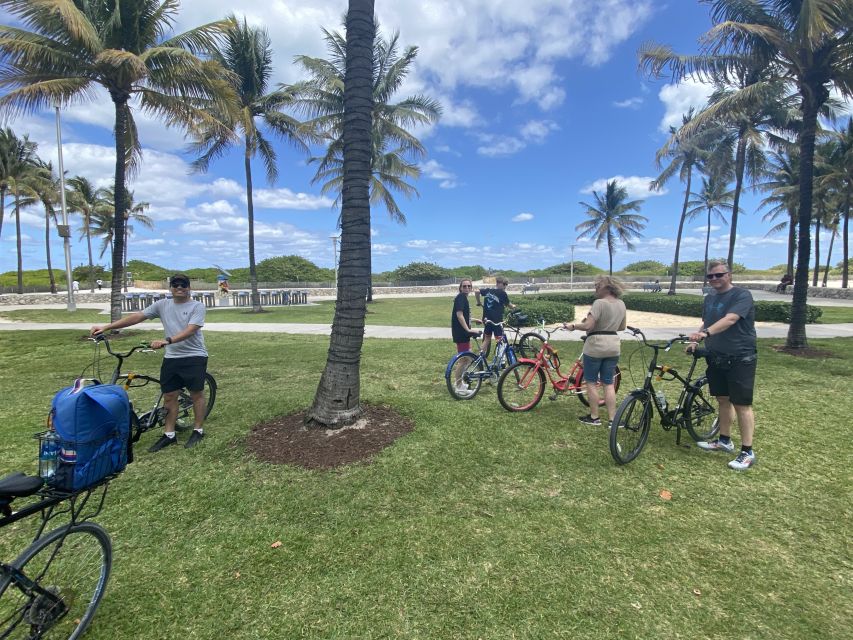
I would recommend it most strongly to people who like cities with complicated stories. You do not need to be an architecture specialist. Curiosity is enough, especially if you enjoy learning why a place looks the way it does.
It suits:
- First-time Miami Beach visitors who want a strong orientation.
- Repeat visitors looking beyond Ocean Drive.
- Architecture fans interested in Art Deco, Mediterranean Revival, and MiMo.
- History-minded families with older children or teenagers.
- People who enjoy true crime when it is tied to real places and wider history.
- Cyclists comfortable with roughly 20 miles and several hours outside.
It may not suit you if you want a slow walking tour with little physical effort. It is also not the best choice for someone seeking only beach time or only crime stories. The experience keeps switching between design, politics, migration, local communities, and crime.
English is the tour language, and the experience is led by a live guide. If your group needs another language, this is not the right fit based on the information available.
Practical advice for making the most of it
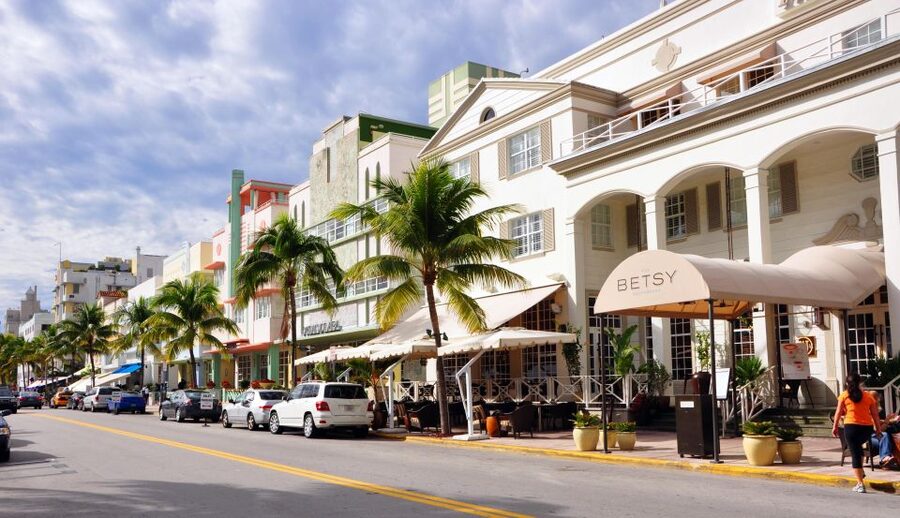
Choose a day when you can handle three hours of outdoor riding. The tour includes water, but you should still plan for the realities of a Florida bicycle ride. The exact starting times vary, so selecting an earlier or later departure may make a major difference to your comfort.
Arrive ready to ride rather than expecting a short architectural stroll. The route begins at a bicycle rental shop and ends at the same meeting point, which makes planning before and after the tour straightforward.
Listen for the links between the subjects. The strongest parts are not isolated facts such as Muhammad Ali becoming world boxing champion for the first time in Miami Beach. They are the connections between fame, tourism, construction, migration, crime, and the city’s changing public image.
Keep a little energy for the final stretch. The route reaches Surfside and Bal Harbour before returning, so the ride does not simply finish after the most familiar South Beach sights. The distance is part of the experience, but it is also the reason to be honest about your cycling ability.
Should you book the Art Deco, History and Crime Bike Tour?
Book it if you want Miami Beach explained rather than merely photographed. Damian’s preservation work, the mix of architectural styles, and the northward route give this outing more range than a standard Art Deco walk.
Skip it if 20 miles sounds unpleasant or if you want a narrow focus on buildings. For everyone else, $79 buys a well-rounded three hours: Art Deco hotels, public spaces, Surfside, Bal Harbour, social history, and the darker stories that shaped Miami’s reputation. It is a strong choice for curious visitors who want to understand why this sunny city has such a complicated past.
FAQ
How long is the Art Deco, History and Crime Bike Tour?
The tour lasts three hours. Starting times vary, so check availability when choosing your date.
How much does the tour cost?
The price is $79 per person.
Where does the tour begin?
It begins at the bicycle rental shop.
Where does the tour end?
The activity ends back at the meeting point.
Is a bicycle included?
Yes. A bicycle is included with the guided tour.
Is a water bottle included?
Yes. Each booking includes a water bottle.
Is a helmet included?
A helmet is included if required.
What language is the tour offered in?
The live guided tour is offered in English.
Does the tour visit places beyond South Beach?
Yes. The route explores Miami Beach and continues to Surfside and Bal Harbour.
Can I cancel for a full refund?
Yes. You can cancel up to 24 hours in advance for a full refund.
Just added around the USA
- Garden of the Gods Original Electric e-Bike Tour★ 5.0 · 45 reviews
- 3-Hour E-Bike Tour of Trail of the Silver Kings (Old Mine Tour)★ 5.0 · 18 reviews
- Gold Camp Road by E-Bike★ 5.0 · 21 reviews
- Pikes Peak & Garden of the Gods E-Bike Expedition★ 5.0 · 29 reviews
- EBIKE Mountain Adventure in Colorado Springs: Gold Camp Road★ 5.0 · 16 reviews
- Ebike 2 Hour Rental Experience in Manitou Springs, Colorado★ 5.0 · 33 reviews
- Ride Manitou Springs & Garden of the Gods Best Guided eBike Tour!★ 4.5 · 16 reviews
- Historical Bicycle Tour of Dunedin★ 5.0 · 44 reviews
Miami Cycling Tours, compared.
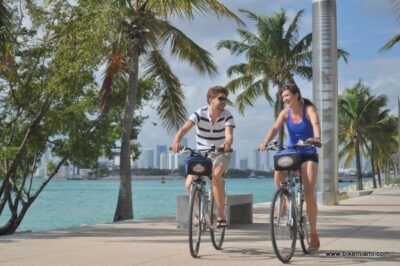
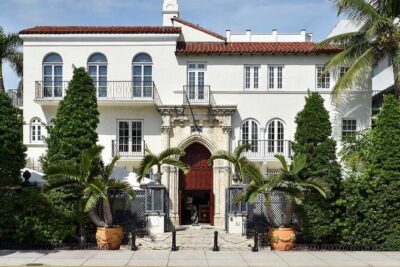
Miami Beach Art Deco & History Bike Tour with Design Enthusiast
Read our review →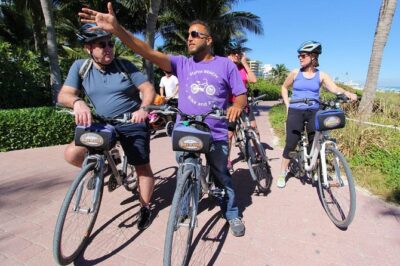



Miami Beach: City Highlights Guided Bike or eBike Tour
Read our review →
Browse the lists this tour appears in