
REVIEW · BERLIN
Berlin: The Wall and Third Reich Guided Bike Tour
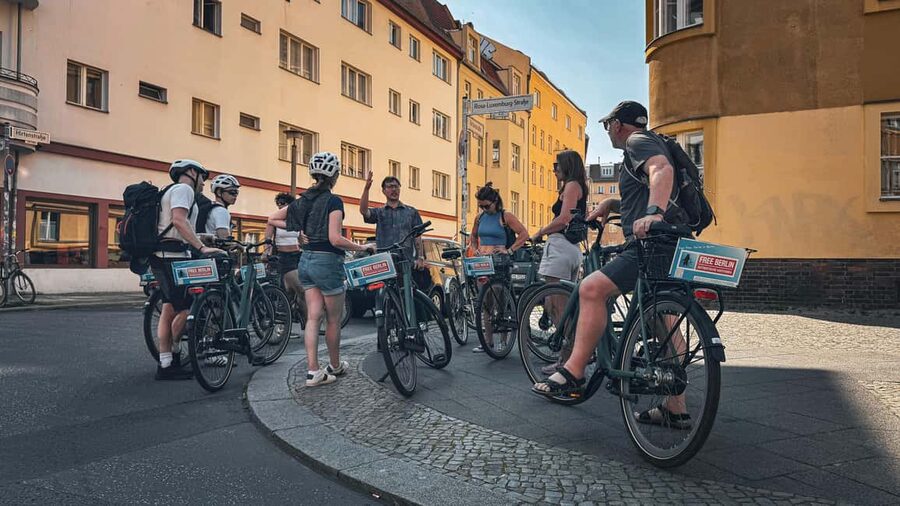
Berlin’s past is best seen on two wheels. This three-hour, 15-kilometer ride links the Berlin Wall, Nazi bunkers, Hitler’s bunker site, and quiet former border streets in a way that lets you cover far more ground than a walking tour. I especially like the small-group feel and the way guides such as Carl, Juliet, Jake, and Bjorn adjust the route and explanations to the people riding.
The two biggest strengths are the access to places buses cannot reach and the human stories about divided Berlin. You should know, though, that this is still a physical outing, and three hours means some stops receive only a short explanation. Wet paths can be slippery, and cold weather calls for proper gloves and warm clothing.
Key points before you book
- 15 kilometers in three hours: A good balance of sightseeing and exercise, but expect a steady ride rather than a slow museum visit.
- A route shaped by the guide: Guides may adjust the order and detail according to group interests, so no two rides need to feel exactly alike.
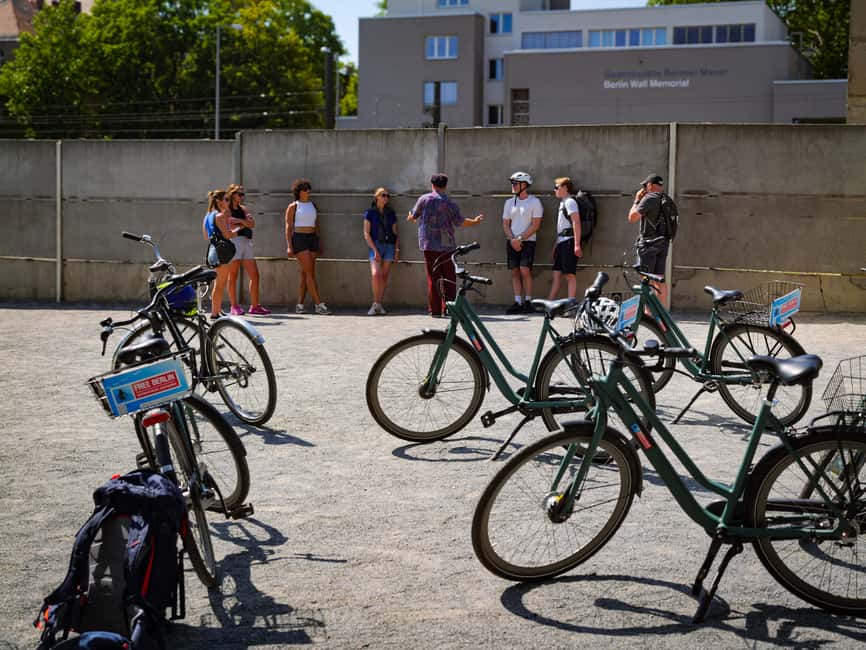
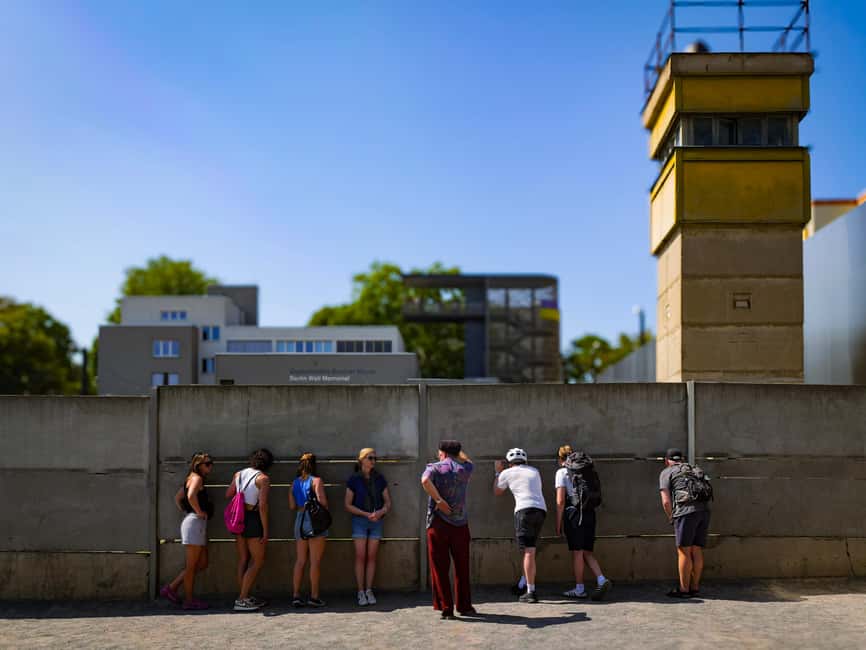
- The Berlin Wall beyond Checkpoint Charlie: You see Bernauer Straße, watchtowers, border paths, a Wall fragment, and the Memorial to Günter Litfin.
- Nazi-era sites with difficult context: The route includes Flak Tower III, the Boros Bunker, the Holocaust Memorial, and the site of Hitler’s bunker.
- Quiet streets and cycle paths: Much of the route avoids heavy traffic, though you still ride beside some busy roads.
- Good value at $41: Bike hire, a guide, a helmet on request, and rain ponchos are included.
Why a bike is the right way to see this history
Berlin’s 20th-century sites are spread across a wide area. A walking tour can explain one neighborhood well, but it cannot easily connect Bernauer Straße, Humboldthain, Invalids’ Cemetery, the government district, and the former Wall route in one morning or afternoon.
A bike solves that problem. You move between sites quickly, yet you can still stop for photographs and short talks. The ride also follows quieter backstreets and cycle paths, giving you a sense of how the former border cut through ordinary neighborhoods. That matters in Berlin, where a section of Wall may appear beside an apartment block, a park, or a modern office building.
You do not need to be a serious cyclist. Several people have described the riding as manageable, and one long-time visitor noted that the tour was not too hard even without much cycling experience. Still, you should be comfortable riding for three hours and staying with a group. The route covers distance, not just a few scenic blocks.
More Guided Rides in Berlin:
- Berlin: Sights and Highlights Bike Tour with a Local Guide
★ 4.8 · 2,698 reviews - Berlin: Guided Bike Tour to Explore the Highlights
★ 4.8 · 506 reviews - Berlin: Cold War & Berlin Wall History Guided Bike Tour
★ 4.8 · 422 reviews
Starting in Nikolaiviertel near the TV Tower
You meet at the Free Berlin office in the courtyard entrance of Poststraße 11. Look for the Free Berlin sign. The start is in Nikolaiviertel, about five minutes from the TV Tower, so it is easy to combine with central Berlin sightseeing.
You choose from the available rental bikes before setting off. The bikes have baskets and are checked regularly by a certified mechanic. A helmet is available if you request one, and large luggage can be left with the operator during the ride.
The opening stop in Nikolaiviertel is brief, but it places the tour in Berlin’s historic center. From here, the route quickly moves into the city’s complicated 20th-century story rather than spending the entire morning on grand central monuments.
Jewish Berlin and the route toward Bernauer Straße
The New Synagogue Berlin and Jewish Centre is one of the early stops. You receive a short guided explanation, enough to place the building and its surrounding district within Berlin’s Jewish history. This is not a full interior museum visit, so treat it as historical orientation rather than a substitute for a longer visit inside.
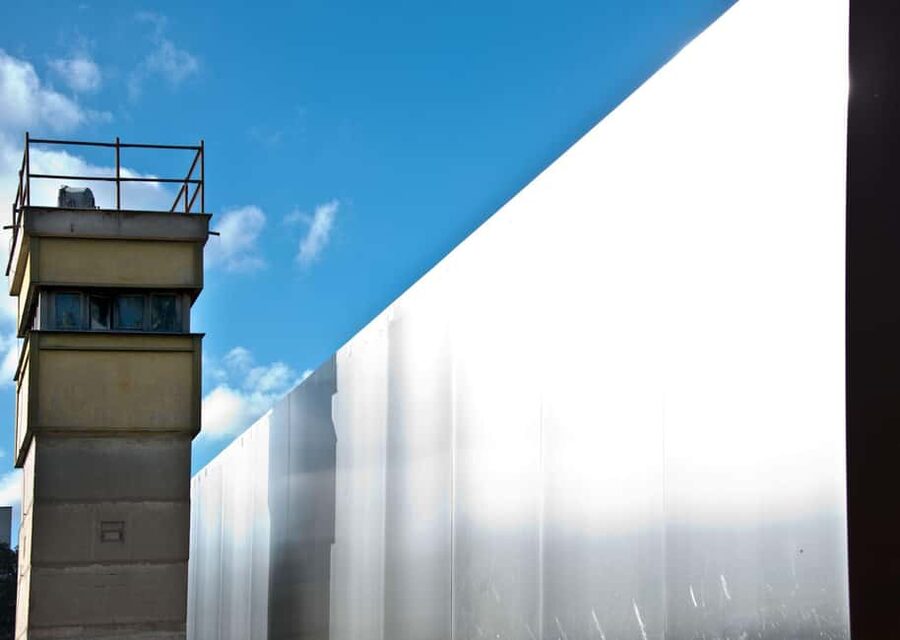
The route then reaches the Berlin Wall Memorial on Bernauer Straße. This is one of the strongest parts of the ride because the Wall’s physical remains, watchtowers, border strip, and documentation come together in one place. You can better understand how the barrier divided homes, streets, and families instead of viewing it only as a colorful section of concrete.
The guide may use old photographs and comparisons with the present-day view. That simple method makes changes easy to grasp. You can see how a once-forbidden border area has found new uses, while traces of the former division remain visible.
At Ruppiner Straße and Mauerpark, the subject shifts from preserved memorial space to the everyday city around it. Mauerpark occupies part of the former border zone, and the route helps explain how Berlin has reused land that once carried armed guards, walls, and restricted movement.
Following the Wall through former border country
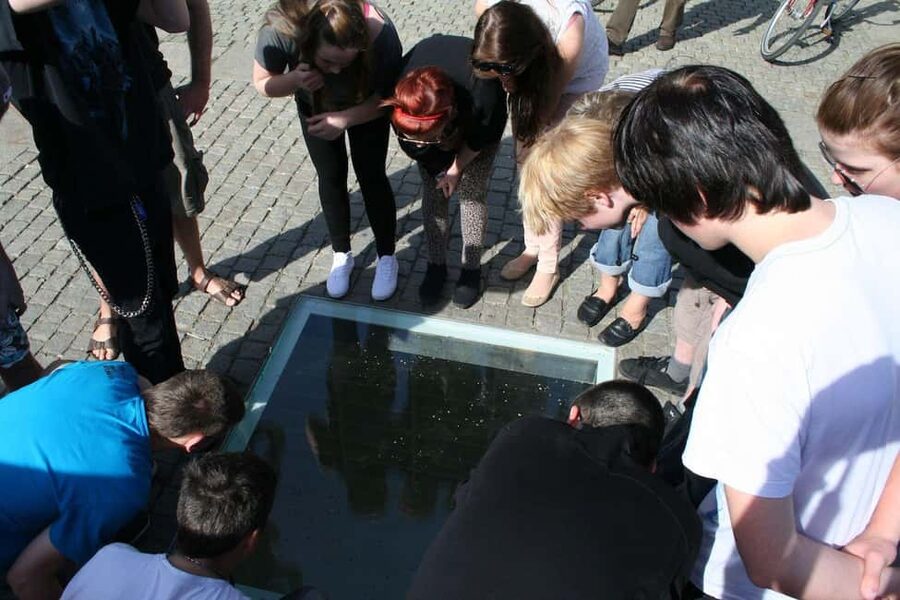
The Berliner Mauerweg, or Berlin Wall Trail, gives the ride its clearest sense of movement. You follow parts of the former border route rather than simply stopping at one famous monument. This is where the bicycle earns its keep: you can connect scattered remains and see how the Wall ran through different types of neighborhoods.
Behmstraßenbrücke adds another viewpoint on the old border area. The tour does not treat the Wall as an isolated structure. Instead, it explains how roads, bridges, paths, and rail lines shaped daily life in a divided city.
This section may be especially useful if you already know the basic Wall story. You hear about escape attempts, ghost stations, and the practical rules that shaped movement between East and West Berlin. The short talks cannot cover every detail, but the route gives you a clear framework for understanding the city before and after reunification.
A few more days on two wheels around Berlin worth a look
- Berlin Highlights 3-Hour Bike Tour
★ 5.0 · 948 reviews - Berlin City Bike Tour with Beer Garden Stop
★ 5.0 · 917 reviews - Berlin Highlights: 3-Hour Bike Tour
★ 4.9 · 809 reviews - Berlin Highlights Sightseeing Bike Tour in Small Groups
★ 5.0 · 652 reviews
Humboldthain’s Flak Tower and the physical remains of war
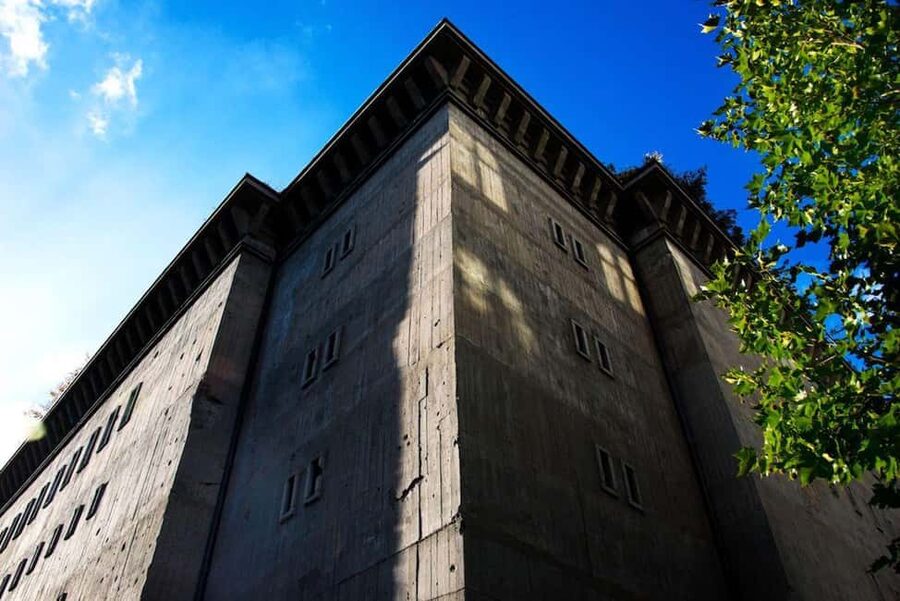
Flak Tower III in Volkspark Humboldthain is one of the more unusual stops. The remains of the enormous wartime bunker show how much military construction was hidden within the city. The stop includes time for photographs and an explanation of the structure’s purpose.
This is not the polished, monumental side of Berlin. It is a heavy and imposing reminder of the Nazi war machine, set within a public park that has a very different use today. The contrast is part of the value.
The route then reaches a surviving piece of the Berlin Wall. It may seem modest beside larger memorial sites, but smaller remnants can make the Wall’s former reach easier to picture. Your guide can connect this fragment with the broader border route and explain what changed after the Wall fell.
Günter Litfin and Invalids’ Cemetery
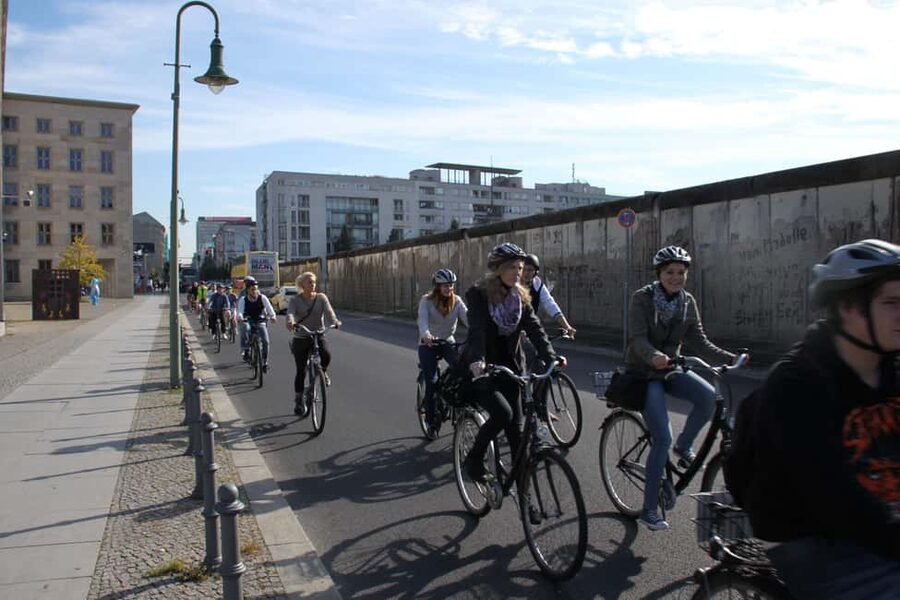
The Memorial to Günter Litfin marks one of the first people killed while trying to cross the Berlin border. This stop puts an individual name and story beside the larger political history. It is one of the places where the tour moves away from dates and leaders and toward the people who faced the border directly.
Invalids’ Cemetery adds another layer. The cemetery has links to Berlin’s military past, and its location near the former border shows how different periods of the city’s history overlap. You may find this stop less immediately familiar than the Berlin Wall Memorial, but that is precisely why the guide matters.
The schedule allows about five minutes at each listed point, though the route can change. If you want long visits at every memorial, this ride will feel rushed. If you want a connected overview with regular stops, the pace works well.
The Boros Bunker and the Nazi vision of Germania
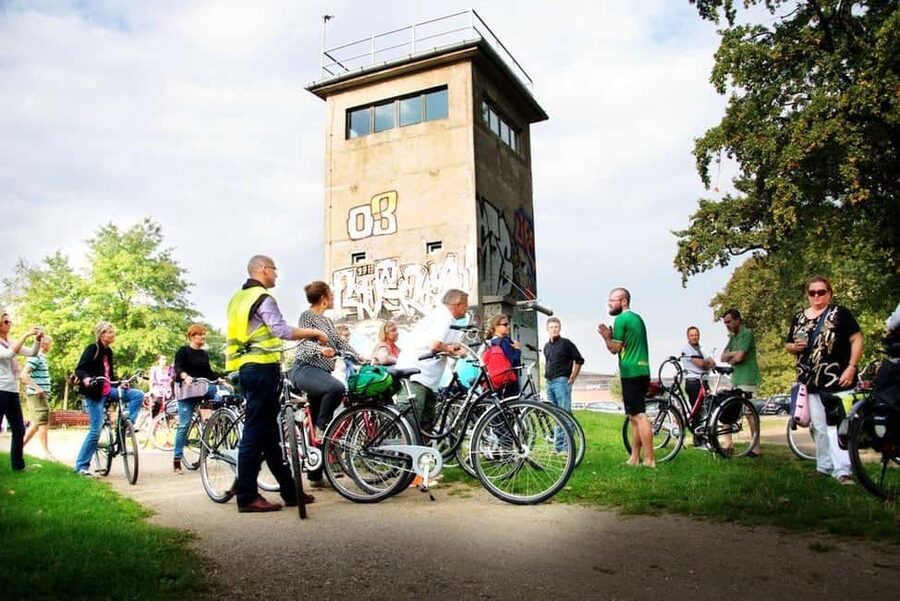
The Boros Bunker, now associated with the Boros Collection, gives you another look at how Berlin has reused difficult structures. The former bunker is now linked with modern art, a sharp change from its original purpose. The tour focuses on the building and its wartime setting, not on a full art collection visit.
You also hear about Germania, the never-completed Nazi plan to remake Berlin as a monumental capital. The idea helps explain why certain parts of the city were altered, cleared, or planned on an enormous scale. It also shows the danger of judging Berlin only by what was built. Some of the most important stories involve projects that never reached completion.
The subject matter is serious, but the guides generally make space for questions and discussion. One guide, Gina’s, was praised for handling difficult questions with ease, while other guides have used family experiences and local memories to give the history a more personal scale. The exact approach depends on who leads your ride.
Holocaust Memorial and the site of Hitler’s bunker
The Holocaust Memorial is a short photo and explanation stop near the center of Berlin. Its field of concrete blocks is easy to recognize, but a guide can add context about its purpose and place it within the wider history of Nazi persecution.
The former site of Hitler’s bunker is nearby. The bunker itself is not open to the public. The location is marked today in a much less dramatic way, and the tour explains why there is no grand underground attraction to visit.
This point is worth clarifying before you book. One person expected a more visible bunker visit and felt disappointed. You should think of this as a location and history stop, not an underground tour. The lack of a preserved interior is part of the site’s present story, but it can surprise anyone expecting a museum entrance.
The route continues past the Federal Ministry of Justice before returning to the starting point. This final stretch helps connect the wartime and Cold War subjects with present-day government Berlin. It is a useful reminder that the city’s political center has been rebuilt and reassigned many times.
Guides make the difference
The strongest part of this experience is the guiding. Carl has been praised for bringing history to life while using quiet parts of the city. Juliet is known for answering questions and adding detail without losing the group’s rhythm. Jake has led lively rides in difficult weather, and Bjorn has shared personal connections to Berlin’s divided past.
Other named guides, including Fabian, Vince, Simone, Yasmin, Paul, and Faima, have also been singled out for clear explanations, flexibility, and enthusiasm. The repeated pattern is important: the value does not come only from the route. It comes from having someone explain why a particular street, bridge, bunker, or Wall fragment matters.
A Berlin native or former East Berliner can add a particularly useful perspective, though you should not assume every guide has a personal connection to the events. The tour is strongest when you ask questions. Guides have adjusted the presentation for people who already know a great deal, families with teenagers, and people encountering the subject for the first time.
Weather, comfort, and family practicalities
Berlin weather can change quickly. Waterproof ponchos are available if rain arrives, and one ride continued successfully in poor weather. Still, wet paths may be slippery, so a dry day is preferable. In winter, wear warm layers and gloves. Three hours on a bike can feel colder than three hours walking.
Children are welcome, and infant seats can be provided on request. That makes the tour a practical family option, especially for older children and teenagers who may connect with the physical remains more easily than with a long indoor lecture.
Group size matters. Private and small-group options are available, and a private ride can be tailored to your interests, starting time, and preferred route. A small group also makes it easier to ask questions and stay close to the guide, though the standard experience may suit you perfectly if you are comfortable sharing the ride.
Is $41 a fair price?
At $41 per person, the price is reasonable for three hours of guiding, bike rental, and a 15-kilometer route. You are paying not just for transport, but for the guide’s ability to connect sites that are spread across central Berlin.
The value is best if you want an overview. You cover far more ground than on foot and reach places that a sightseeing bus cannot easily access. The tradeoff is limited time at each stop. If your priority is one museum or memorial with detailed exhibits, spend a separate visit there.
The ride also avoids the cost and planning involved in renting a bike independently. You receive a maintained bicycle, a basket, a helmet on request, and rain protection. That makes the price particularly fair for a first visit when you want the route and historical context handled for you.
Who should book this Berlin bike tour?
Book it if you want to understand how Nazi and Cold War history still shapes Berlin’s streets. It suits active visitors, families, curious teenagers, and anyone who prefers stories attached to real places rather than a long indoor presentation.
It is less suitable if you dislike cycling, need a long time at every stop, or want to enter Hitler’s bunker or spend hours inside a museum. I would also avoid treating it as a rainy-day plan unless you are prepared for slick paths and cold weather.
For most people, this is a smart first or second-day Berlin activity. You get a broad map of the city’s 20th-century history, then you can return later to the Berlin Wall Memorial, Holocaust Memorial, or another museum that deserves more time. The combination of solid bikes, quiet routes, and guides who welcome questions makes the $41 price easy to justify.
FAQ
How long is the Berlin Wall and Third Reich bike tour?
The tour lasts three hours.
How far do you cycle?
The route covers about 15 kilometers.
Where does the tour start?
You meet at the Free Berlin office in the courtyard entrance of Poststraße 11. Look for the Free Berlin sign in Nikolaiviertel.
Is bike rental included?
Yes. Bike rental is included in the price.
Is a helmet provided?
A bike helmet is available if you request one.
Are rain ponchos available?
Yes. Waterproof ponchos are provided in case of rain.
Which languages are available?
The tour is offered in German, French, and English.
Can I book a private tour?
Yes. Private and small-group options are available. A private tour can have a personal starting time and a route adjusted to your interests.
Are children allowed?
Yes. The experience is family-friendly, and infant seats can be provided on request.
Can I cancel for a full refund?
Yes. You can cancel up to 24 hours in advance for a full refund. You can also reserve now and pay later.
Just added around Berlin
- Berlin Wall and Cold War Bike Tour in Small Groups★ 5.0 · 114 reviews
- Berlin: Guided Private Bike Tour to Explore the Highlights★ 5.0 · 12 reviews
- Berlin : The best bike tour with a Berlin guide and insider tips★ 5.0 · 14 reviews
- Alternative Berlin Bike Tour – Off the Beaten Tracks in Small Groups★ 5.0 · 99 reviews
- Potsdam Bike Tour with Rail Transport from Berlin★ 4.5 · 81 reviews
- Berlin: Guided Bike tour of the Berlin Wall and Third Reich★ 5.0 · 160 reviews
- Berlin : Guided Private Sightseeing Tours with Funbikes, Teambikes★ 5.0 · 20 reviews
- Small-Group Berlin Wall Bike Tour★ 5.0 · 17 reviews
Berlin Cycling Tours, compared.
Sights and Highlights Bike Tour with a Local Guide
Read our review →
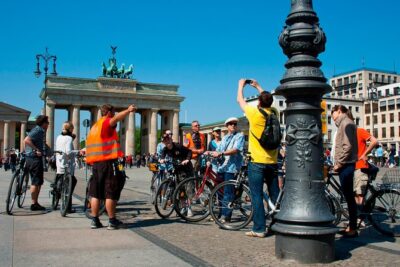
Berlin Highlights Sightseeing Bike Tour in Small Groups
Read our review →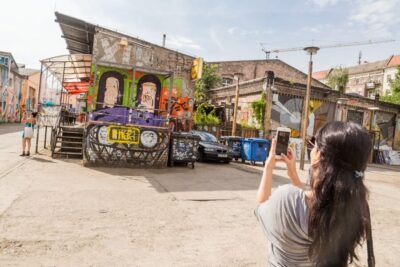
Alternative Bike Tour of Kreuzberg & Friedrichshain
Read our review →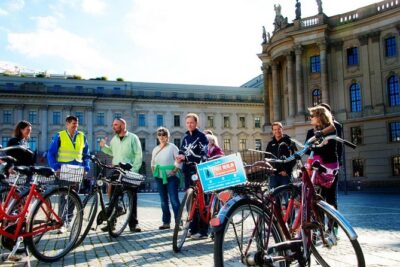

Cold War & Berlin Wall History Guided Bike Tour
Read our review →Browse the lists this tour appears in