
REVIEW · GERMANY
Dresden: Guided City Tour by Bike
Dresden opens up beautifully on two wheels. This three-hour bike tour links the city’s grand old town with quiet Elbe paths, leafy gardens, and the creative outer Neustadt. I like the easy route, with no major climbs, and the way it mixes famous sights with places you might miss on foot. The main drawback is clear: the tour is conducted only in German.
I also like the price. At $23 per person, including a guide, helmet, and bicycle if you book the rental-bike option, it offers a lot of Dresden in a short morning or afternoon. The tour is best for anyone aged 14 or older who wants city orientation, local stories, and a little exercise without turning the day into a serious cycling workout.
Key points to know before you book
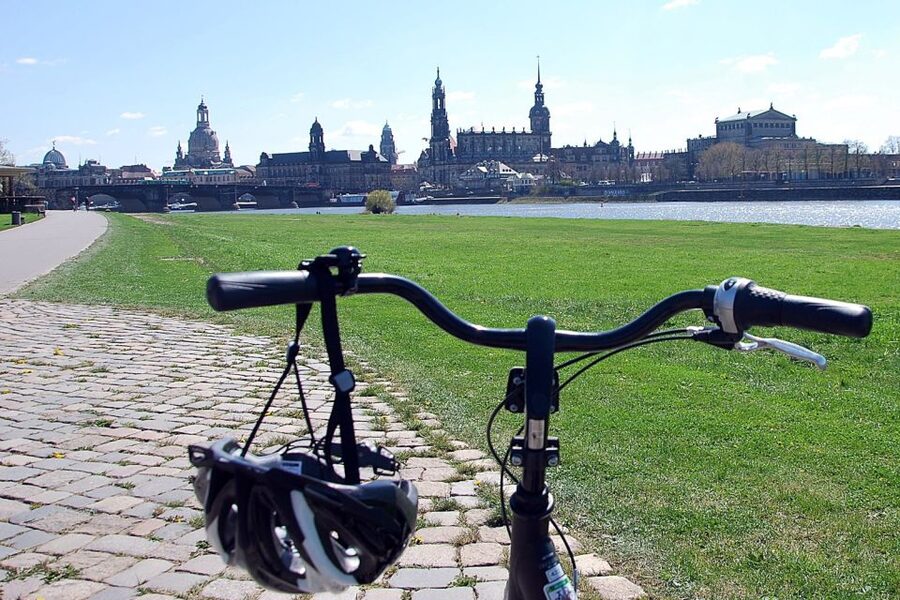
- The route is mostly easy riding: Quiet streets, cycle tracks, and the Elbe Valley make this a comfortable introduction to Dresden with no significant height differences.
- You see both famous and less expected Dresden: Frauenkirche, Semperoper, Zwinger, the Hygiene Museum, Kunsthofpassage, and the outer Neustadt all fit into one circuit.
- The Waldschlösschen Bridge brings the best wide view: You pause here for views toward Dresden’s Elbe castles.
- The tour is German only: You need to understand German to follow the guide’s stories and explanations.
- The bicycles received good marks: Recent feedback describes the bikes as suitable for the route and the tour as well organized.
- It is not for young children: The minimum age is 14.
Why this bike tour works well in Dresden
Dresden is easy to admire from a tram or walking route, but a bicycle gives you a better sense of its shape. The old town sits beside the Elbe, while the newer districts spread north across quieter streets and cycle routes. In three hours, you can connect these areas without spending much of the tour waiting for transport.
I particularly like the balance between sightseeing and movement. You are not parked in front of one monument for a long lecture. Instead, you ride from one part of the city to the next, stopping for explanations, views, and short breaks. That makes the tour useful on a first visit, but it also gives returning visitors a fresh look at Dresden beyond the central monuments.
The route is described as one of Germany’s prettiest cycling routes, and the appeal is easy to understand. You follow the Elbe banks, pass gardens and open spaces, and use an extensive network of cycling paths. The lack of major hills matters. You can pay attention to the city rather than saving your energy for the next climb.
The pace also seems to be a strength. Feedback about guides named Jürg and Jörg praises clear explanations, humor, interesting stories, and a comfortable riding speed. One less favorable comment suggests the guide quality can vary, so I would treat the guide as an important part of the experience rather than assuming every departure will feel identical.
More City Highlights Bike Tours in Germany
- Berlin: Sights and Highlights Bike Tour with a Local Guide
★ 4.8 · 2,698 reviews - Berlin Highlights 3-Hour Bike Tour
★ 5.0 · 948 reviews - Berlin Highlights: 3-Hour Bike Tour
★ 4.9 · 809 reviews
Meeting at Frauenkirche and getting oriented
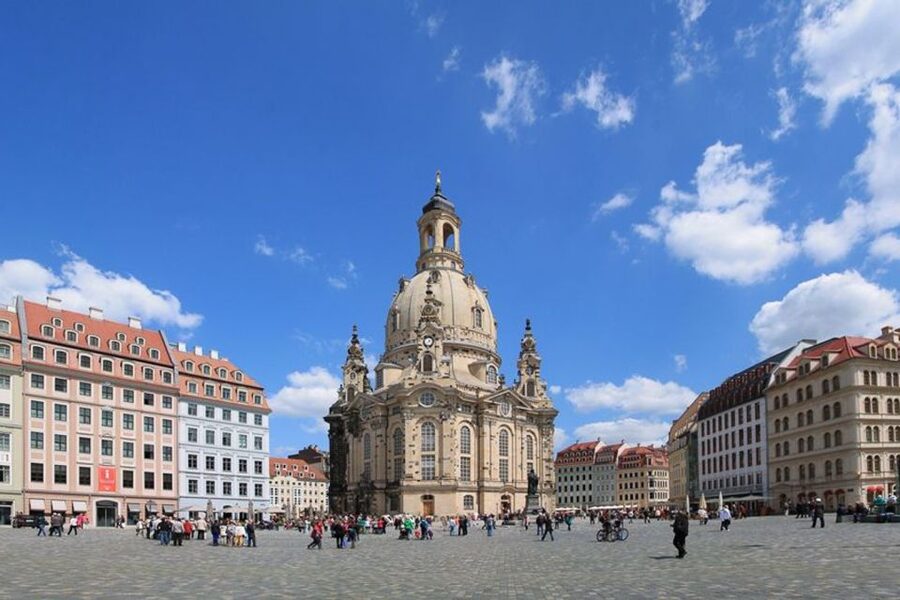
The tour begins at Dresden Information, at the Frauenkirche. The meeting point is in the basement seating area of the Tourist Information office, so allow a few minutes to find the correct level and gather before the ride begins.
Starting here puts you in the middle of Dresden’s old town from the first minute. The Frauenkirche is one of the city’s defining buildings, with its broad stone dome and central place in Dresden’s modern story. A guided stop gives you more than a quick photograph. You learn about the church and its role in the city, including why it matters so much to Dresden’s identity.
The opening stop is practical, too. You begin with a major landmark that is easy to locate, then quickly move into the wider city. If you are new to Dresden, this first section helps you understand how the central monuments relate to the river, the squares, and the routes you may explore later on foot.
From the Hygiene Museum to the Großer Garten
The ride continues toward the German Hygiene Museum and the Großer Garten, Dresden’s large central park. These stops change the mood from monumental old town to civic culture and open green space.
The Hygiene Museum is an unusual Dresden sight. Its name may sound clinical, but it is a major cultural attraction devoted to people, health, the body, and society. On this bike tour, you receive a guided look rather than a full museum visit, so do not expect time to explore its exhibitions in detail. Still, it is a useful stop because it shows a different side of Dresden beyond baroque buildings and wartime history.
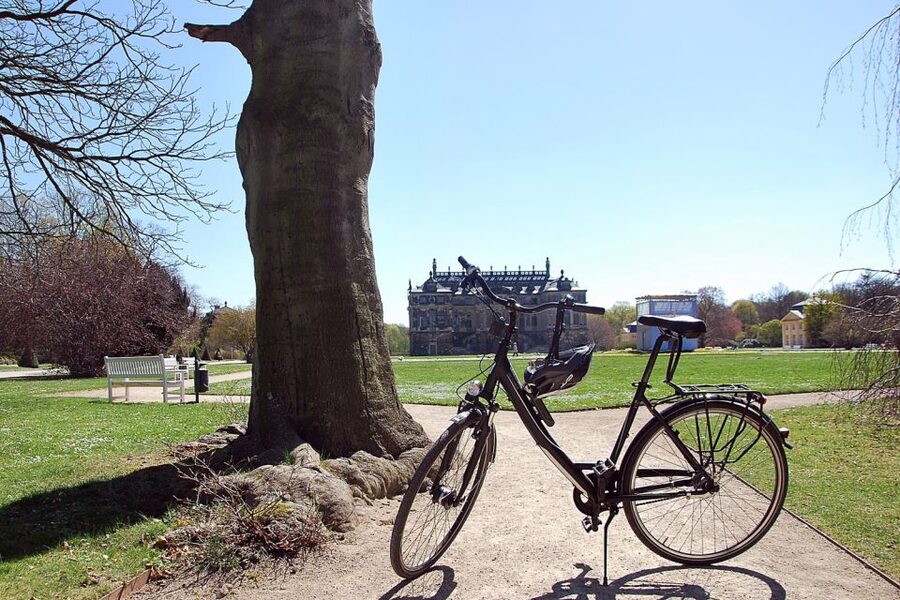
The Großer Garten offers a welcome break from city streets. The route passes the Palais of the Grand Garden, a refined building set within the park. Here, the ride becomes quieter and more spacious. I like this section for travelers who want Dresden to feel like more than a collection of museums and churches.
The tour does not require you to handle major gradients, but you still need to be comfortable cycling for three hours. You may stop often, yet this is an active sightseeing outing, not a bus tour with occasional steps between attractions.
The Waldschlösschen Bridge and Elbe castle views
One of the most scenic parts comes at the Waldschlösschen Bridge. The group stops for photographs and a guide explanation, with views toward the Elbe castles.
This is where the value of using a bicycle becomes especially clear. The tour can reach a broad river viewpoint that sits away from the tight cluster of the old town. You get a stronger sense of Dresden’s setting along the Elbe, with the city opening out around the water.
The bridge itself also carries a complicated place in Dresden’s recent story because of its impact on the Elbe Valley’s international cultural designation. The supplied tour details do not promise a full discussion of that issue, so you should think of this as a scenic and geographic stop, not a dedicated architectural or political lecture.
Bring a camera, but keep your expectations sensible. The stop is a photo break within a larger city circuit, not a long viewpoint visit. Its appeal comes from seeing Dresden from a different angle and understanding how far you have already traveled by bike.
Same roads, a different day in the saddle:
- Munich 3-Hour Guided Bike Tour
★ 4.5 · 1,731 reviews - Hamburg 3-Hour Bike Tour
★ 4.8 · 1,583 reviews - Classic Mike’s Bike Tour daily @ 11.30 incl Beer Garden & Surfers
★ 5.0 · 1,246 reviews - Berlin City Bike Tour with Beer Garden Stop
★ 5.0 · 917 reviews
Pfunds Molkerei and the outer Neustadt
After the bridge, the route heads toward Pfunds Molkerei, with a short break for restrooms. This is a useful practical pause at about the halfway point, especially on a warm day or after the longer ride through the Elbe Valley.
Pfunds Molkerei is famous for its ornate tiled interior and dairy-shop setting. The tour information promises a glimpse and a restroom stop, not an extended tasting session or shopping visit. You should treat it as a quick cultural pause rather than the main food stop of the day.
From there, you enter Dresden’s outer Neustadt, the city’s trendier and more creative district. This is a strong counterpoint to the old town. Instead of grand royal buildings, you see a neighborhood associated with newer urban life, independent culture, and a different pace.
The outer Neustadt is one of the reasons I would choose this tour over a standard old-town walk. Many short city tours stay near Frauenkirche, the Zwinger, and the Semperoper. This ride shows you how Dresden changes once you leave the postcard center. The guide’s local tips may also help you decide where to return later for food, drinks, or a more relaxed evening.
Kunsthofpassage and Dresden’s creative side
The Kunsthofpassage is another highlight in the Neustadt. This group of courtyards is known for imaginative building facades and small urban details. It is not a huge attraction, but it gives the tour a sense of discovery.
You should expect a guided look rather than a long, private exploration of every courtyard. Bikes may need to be handled carefully in a tighter pedestrian area, and the stop works best as part of the larger route. The reward is contrast: after the formal spaces of Dresden’s baroque center, Kunsthofpassage feels playful and contemporary.
This section also helps explain why a bike tour can be more useful than a fixed walking loop. You cover enough ground to compare distinct parts of Dresden, while still stopping at places where a guide can explain what you are seeing.
Returning through the baroque center
The final section brings you back toward Dresden’s grandest monuments. You see the Baroque district, the Palais of Japan, Theatre Square, the Semperoper, and the Zwinger before returning to Dresden Information.
The Semperoper is Dresden’s famous opera house and one of the great buildings around Theatre Square. A guide can point out its place in the city’s architectural ensemble and explain why this square is central to Dresden’s cultural image. You will see the exterior during the circuit, but the tour does not include an opera performance or an interior visit.
The Zwinger completes the old-town portion with a flourish. Its courtyards, pavilions, and formal design show Dresden at its most ceremonial. Like the Frauenkirche and Semperoper, it deserves a longer visit if you have time, but the bike tour gives you the essential orientation and helps you place it within the city.
Because the tour returns to the starting point, you can easily continue exploring on foot afterward. That is useful: you can revisit the monument that caught your attention rather than trying to absorb every detail while keeping up with the group.
What the $23 price really buys you
At $23, this is a strong-value introduction to Dresden. You are paying for three hours with a licensed guide, a bicycle if you select the rental-bike option, and a helmet. You also get a route that covers more ground than a typical walking tour.
The value is strongest if you have limited time. In one outing, you see major old-town sights, a central museum, a large park, the Elbe, the outer Neustadt, and several less obvious stops. Paying separately for transport between these areas would take time and would not give you the same continuous view of the city.
The price is less compelling if your priority is entering monuments or spending long periods inside museums. This is an overview tour. The guide points out the Frauenkirche, Hygiene Museum, Semperoper, and Zwinger, but the experience does not include full admission visits to those attractions.
A bicycle is included only when you choose the option with a rented bike. Check the selected booking option carefully. A helmet is included with the guided bike tour, and recent feedback describes the bicycles as suitable for the route.
Who will enjoy this ride most
I would recommend this tour to first-time visitors who want quick orientation without sitting on a bus. It also suits people returning to Dresden who have already seen the central monuments and want to connect them with Neustadt and the Elbe routes.
You should be reasonably comfortable on a bicycle and able to ride for three hours. The route avoids significant height differences, which makes it approachable, but it is still an active outing. Children under 14 cannot join, so families with younger children will need another way to see the city.
The German-only format is the biggest filter. If German is not comfortable for you, the guide’s stories and historical context will be hard to follow. The route itself is easy to appreciate visually, but much of the value comes from the commentary, local tips, and stories about Dresden’s past and present.
The guide can shape the day. Positive feedback highlights clear storytelling, humor, strong knowledge, and an easy pace, particularly from guides identified as Jürg or Jörg. One mixed assessment points out that not every guide may leave the same impression. That is a fair reason to keep expectations flexible.
Practical details for a smooth outing
The tour lasts three hours, and starting times vary, so check availability for the day you want. A morning departure leaves the rest of the day for museums and monuments. An afternoon departure may work better if you want to explore the old town first.
Wear clothes suitable for active riding and check the weather before you set out. The route includes riverside paths, city streets, park areas, and stops where you may stand beside the bicycle. Comfortable shoes matter more than formal clothes.
Allow a little extra time to find the basement seating area at Dresden Information. The meeting point is at the Frauenkirche, but the precise location is inside the Tourist Information office.
You can cancel up to 24 hours before the start for a full refund, and the reserve-now, pay-later option keeps your plans flexible. Those terms are useful if your Dresden schedule is still changing.
Should you book the Dresden bike tour?
Book it if you want a well-priced first look at Dresden that joins the old town, the Elbe, Großer Garten, and outer Neustadt in one ride. The route is unusually varied, the hills are not a major concern, and the mix of famous sights and everyday districts gives you useful bearings for the rest of your stay.
Skip it if you need an English-language tour, want full interior visits, or prefer a slow walking pace. For German speakers aged 14 and older, though, this is an efficient and enjoyable way to understand Dresden’s layout, hear local stories, and see much more than the central postcard sights.
FAQ
How long is the Dresden bike tour?
The tour lasts three hours.
Where does the tour begin and end?
It begins and ends at Dresden Information at the Frauenkirche. The meeting point is in the basement seating area of the Tourist Information office.
Is the tour available in English?
No. The live guide and tour language are German only.
Is a bicycle included?
A bicycle is included if you book the option with a rented bike. A cycling helmet is included with the tour.
What sights does the route visit?
The route includes Frauenkirche, the German Hygiene Museum, Großer Garten, Waldschlösschen Bridge, Kunsthofpassage, Semperoper, and Zwinger. It also passes the Palais of the Grand Garden, the VW factory, Pfunds Molkerei, the Baroque district, and the Palais of Japan.
Can children join the tour?
Children under 14 are not permitted to join.
Just added around Germany
- 3-Hour Cologne Street Art Bike Tour in Small Group with Guide★ 4.5 · 20 reviews
- Private-Group Bike Tour of Cologne with Guide★ 5.0 · 20 reviews
- Berlin Wall and Cold War Bike Tour in Small Groups★ 5.0 · 114 reviews
- Berlin: Guided Private Bike Tour to Explore the Highlights★ 5.0 · 12 reviews
- Berlin : The best bike tour with a Berlin guide and insider tips★ 5.0 · 14 reviews
- Alternative Berlin Bike Tour – Off the Beaten Tracks in Small Groups★ 5.0 · 99 reviews
- Potsdam Bike Tour with Rail Transport from Berlin★ 4.5 · 81 reviews
- Berlin: Guided Bike tour of the Berlin Wall and Third Reich★ 5.0 · 160 reviews
City Highlights Bike Tours, compared.
3-Hour Porto Highlights on a Electric Bike Guided Tour
Read our review →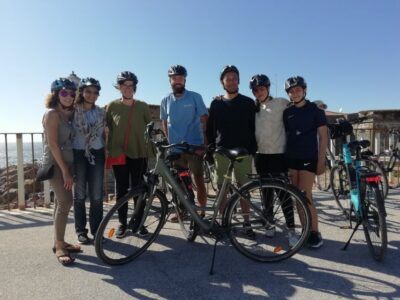
City Highlights 3-Hour Guided Electric Bike Tour
Read our review →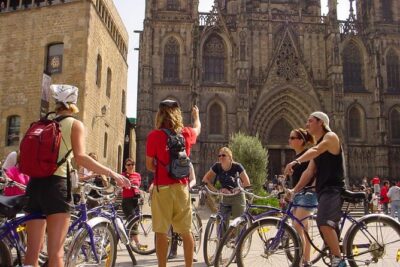
Highlights & Hidden Spots of Barcelona Bike Tour w/ Local Guide
Read our review →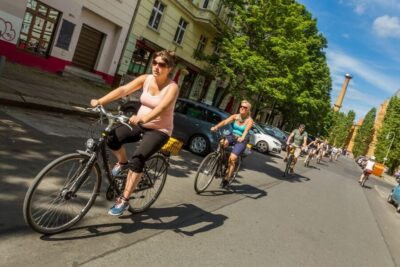
Sights and Highlights Bike Tour with a Local Guide
Read our review →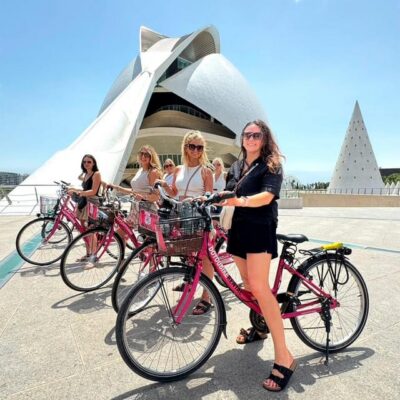
Highlights 3 Hour Bike Tour with a Local Guide
Read our review →
Browse the lists this tour appears in