
REVIEW · MALLORCA
Palma de Mallorca Old Town Guided Bike Tour (Small Groups)
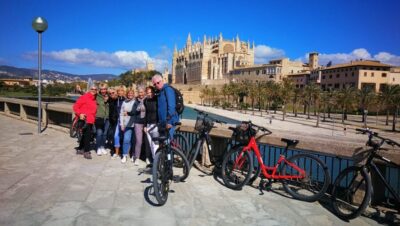
See Palma faster, without turning sightseeing into a march. This three-hour small-group bike tour links the Cathedral, Arab Baths, old walls, cloisters, and market quarter while giving you a local guide’s stories along the way. I like the gentle pace and the chance to cover more ground than you can on foot.
I also like that the route uses quiet lanes and cycle paths for much of the ride, with frequent stops for photos and explanations. The main consideration is that the tour uses standard bicycles, not e-bikes, and people with mobility impairments may find the format unsuitable.
Key points to know before you book
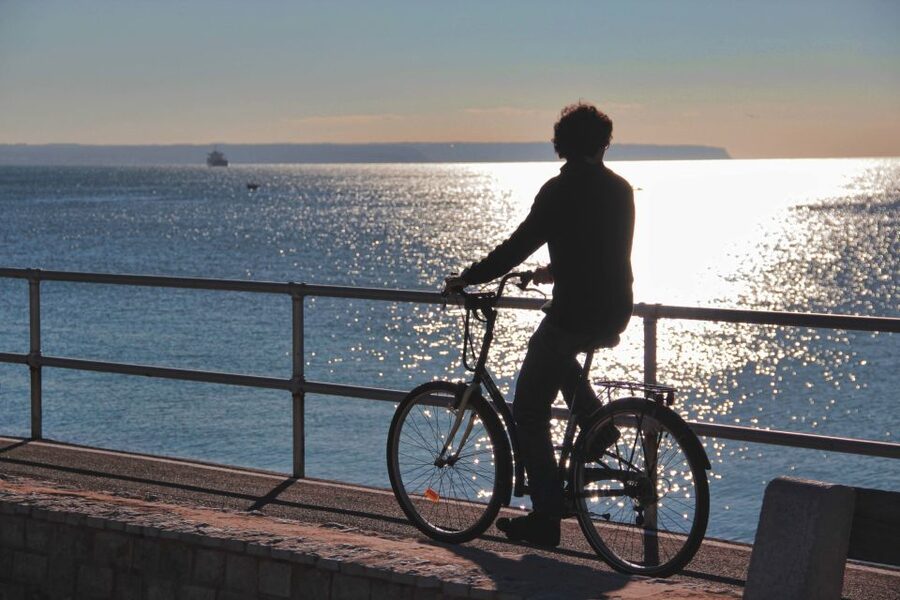
- The ride is gentle rather than athletic: Several riders who had not cycled for years found the pace manageable, with no intense hills reported.
- Palma’s grandest sights are included: You see Palma Cathedral, La Almudaina, La Lonja, the old walls, Arab Baths, Santa Eulàlia, and Santa Clara.
- Guides make the difference: Sergio, Tony, David, Suzanna, and Fernando are praised for clear explanations, humor, patience, and local recommendations.
- Quiet timing helps: Morning departures and less crowded days, especially Sundays and weekdays outside peak season, can make the narrow streets easier to navigate.
- The route is photo-friendly: Parc de la Mar and the city walls provide some of the best open views of the Cathedral and waterfront.
- Budget for extras: The $58 price includes the bicycle, helmet, guide, insurance, and tax, but monument admission, food, and drinks cost extra.
Why a bicycle works so well in Palma’s old town
Palma’s center is compact, but its sights are scattered through a maze of lanes, plazas, waterfront paths, and former religious quarters. On foot, you can see the Cathedral and nearby palace easily, but reaching the Arab Baths, Santa Clara, La Lonja, and other corners takes more time and more pavement.
A bicycle gives you a wider view of the city without turning the day into a workout. The route is described as easy-going, and several riders found it mostly flat. One person who had not ridden in more than 30 years felt comfortable after a cautious start. That tells you something useful: this is sightseeing by bike, not a sporty cycling excursion.
The route reportedly follows cycle paths for much of the ride, along with quiet lanes and narrow streets without cars. Still, Palma is an active city, and you should feel reasonably secure handling a bicycle in an urban setting. The tour is not designed for people with mobility impairments.
The small-group format matters here. Palma’s old streets can be tight, so a smaller party is easier to keep together and less awkward around pedestrians. It also gives you a better chance to ask questions. Guides have been praised for adjusting the pace, waiting for slower riders, and allowing extra time at stops.
More Guided Rides in Spain:
- Highlights & Hidden Spots of Barcelona Bike Tour w/ Local Guide
★ 4.5 · 3,009 reviews - Valencia: City Highlights Guided Bike Tour
★ 4.7 · 2,373 reviews - Madrid: 3 h. Guided Highlights Bike Tour with Optional Tapas
★ 4.9 · 1,623 reviews
Starting at Plaça del Rosari near Paseo del Born
You meet at Plaça del Rosari, 4, close to Paseo del Born and Plaza de la Reina. This is a handy central starting point, especially if you are already exploring the old town or arriving from the Cathedral area.
After check-in, you receive a bicycle and helmet. The helmet is included, and although one account described it as optional, wearing it is the sensible choice in city traffic. A left-luggage facility is available if you bring bags, which is useful if you are fitting the tour between hotel checkout and a later departure.
One practical point deserves attention: the standard booking is for regular bicycles. A participant expected e-bikes and was disappointed at check-in, although paid e-bike upgrades were available in at least one case. If you need motor assistance, ask about the upgrade before the ride rather than assuming it is included.
Es Baluard and Palma’s changing city
The first scheduled stop is Es Baluard Museum, with about 30 minutes for a guided visit. The supplied details do not confirm that admission is included, so treat this as a guided stop rather than assuming you will enter the museum.
The museum area is valuable because it connects modern Palma with its fortified past. The name refers to a bastion, and the location helps you understand how the city’s defensive walls shaped its growth. Your guide may also explain how Palma is changing today, a subject specifically praised during the tour.
This is a good early stop because it gives you a broader frame before the ride moves into the more concentrated old quarter. The drawback is simple: if you expect a full museum visit, check the entrance arrangement first. Monument and museum admission fees are not part of the $58 price.
La Lonja’s slender columns and merchant past
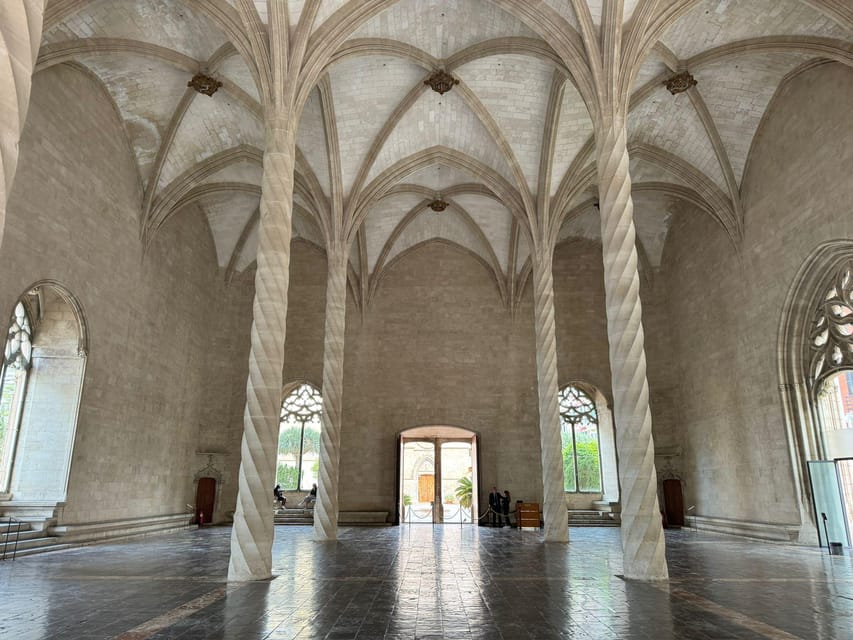
From Es Baluard, the route continues to La Lonja de Mallorca, one of Palma’s most elegant Gothic buildings. The stop lasts about 15 minutes and focuses on the façade and its distinctive slender columns.
La Lonja was built for commerce, and its design reflects the importance of Palma’s merchants and maritime trade. Even a short explanation here adds meaning to what might otherwise look like a beautiful but puzzling stone hall.
I like the way this stop fits a bike tour. You get enough time to understand the building, take photographs, and move on without spending half the morning indoors. If you want a long architectural study, the brief stop may feel limited, but the tour is meant to give you a well-rounded introduction to Palma rather than detailed access to every monument.
A few more days on two wheels around Spain worth a look
- Seville Highlights Bike Tour (English)
★ 5.0 · 2,225 reviews - Seville: Highlights City Bike Tour
★ 4.8 · 2,168 reviews - Madrid Highlights Bike Tour
★ 5.0 · 1,731 reviews - Seville: Relaxing City Bike Tour with a Tour Guide
★ 4.8 · 1,588 reviews
Parc de la Mar and the best Cathedral views
The 30-minute stop at Parc de la Mar is one of the strongest parts of the route. This open waterfront park gives you room to step off the bicycle, take photographs, and see the Cathedral from a generous distance.
From here, the scale of La Seu becomes easier to appreciate. The building’s massive façade and tall structure dominate the edge of the old city, while the open setting lets you frame it without the tight angles found in the old lanes.
This is also where the tour’s photo promise makes sense. Views from the old walls and waterfront area provide some of the clearest pictures of Palma’s main monument. Go in the morning if you can, since several people found early rides more comfortable and less crowded.
The Arab Baths and Palma’s Moorish past
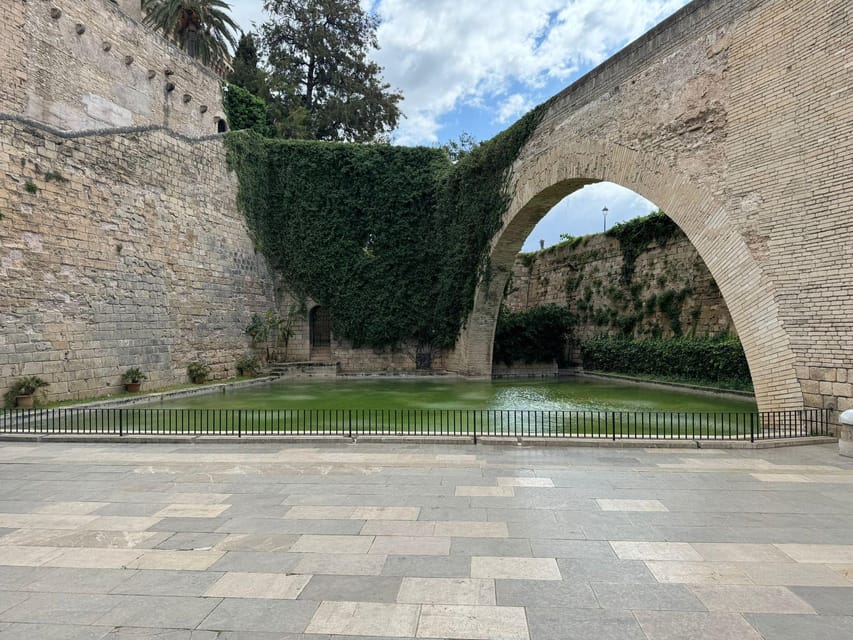
The 15-minute stop at the Banys Àrabs, or Arab Baths, adds a very different layer to the city. These remains recall Palma under Muslim rule and show how much earlier the city’s story began than the Gothic monuments suggest.
The stop is short, so expect an explanation and an exterior or concise visit rather than an extended archaeological session. Entrance fees are not included, and the information provided does not confirm whether the group enters the baths.
This is exactly the kind of place that benefits from a guide. The remains are quieter and less immediately grand than the Cathedral, so a clear explanation helps you see why the site matters. You are not simply ticking off another building. You are connecting Palma’s Roman, Byzantine, Muslim, and Christian chapters.
Santa Eulàlia and the old city’s religious quarter
The route then reaches Església de Santa Eulàlia for about 15 minutes. The church is part of the old center’s dense religious quarter, where narrow streets and historic façades make cycling feel more intimate than riding along the waterfront.
At this point, the stop-by-stop rhythm becomes clear. You ride a short distance, park, listen, and have time for questions before moving on. That structure keeps the tour from becoming a continuous stream of facts.
The strongest guides appear to understand that people remember stories better than dates alone. Sergio, Tony, David, Suzanna, and Fernando have each been praised for humor, patience, and lively explanations. Sergio in particular is noted for using old photographs to show how Palma has changed over time.
Palma Cathedral and the Royal Palace of La Almudaina
The Cathedral is the centerpiece of the tour, with roughly 30 minutes devoted to it. You can expect a detailed look at the imposing exterior and an explanation of its place in Palma’s religious and civic life.
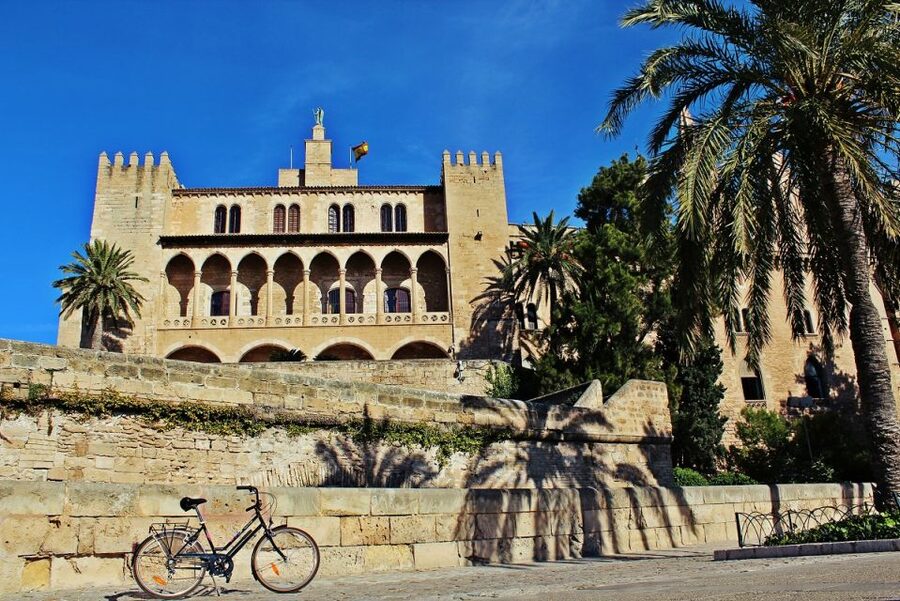
The route also takes in La Almudaina, the former Arabian fortress beside the Cathedral. It later became a royal palace and remains an official residence of the Spanish Royal Family. Even from outside, the pairing is striking: Muslim fortification beside a major Christian Gothic church, with the old walls tying the scene together.
Do not assume that the tour price includes entry inside the Cathedral or palace. The listed inclusions cover the guide, bicycle, helmet, insurance, and tax, while monument entrance fees are excluded. If you want interior visits, ask about them separately and allow extra time beyond the three-hour ride.
The Cathedral stop can become crowded during the middle of the day. A guide helps you find the best angle and keeps the visit focused, but you should not expect the quiet of a private architectural viewing. This is still a working city center.
Santa Clara, cloistered calm, and a memorable side stop
The final scheduled sight is the Convent de Santa Clara, with about 30 minutes. Several accounts single out this stop as a highlight, and it is easy to see why. The convent offers a calmer, more enclosed contrast to the open waterfront and monumental Cathedral.
One particularly appealing detail from past tours is the chance to buy biscuits made by the nuns at a cloister. This is not presented as a guaranteed part of every departure, so treat it as a possible local touch rather than a promised inclusion. It is the kind of small encounter that gives the route a human scale.
The convent also shows why a bicycle tour can be more than a checklist of major sights. You are not only seeing Palma’s grand façade. You are also getting glimpses of how religious communities and ordinary city life fit into the old center.
Paseo del Borne and the ride back
After Santa Clara, the route returns toward the starting point, including Paseo del Borne. This elegant avenue is lined with luxury shops and busy city life, giving you a final change of mood after the quieter lanes and cloister.
The ride ends back at Plaça del Rosari, 4. The full circuit takes three hours, including explanations and stops. That is long enough to get your bearings across the old center, but short enough to leave room for lunch, a beach visit, or an afternoon inside the Cathedral.
Some past departures also offered tapas afterward, and several people enjoyed it. The supplied tour details list food and drinks as not included, so consider any tapas arrangement an optional extra rather than part of the base booking.
Guides, bicycles, and the pace of the ride
The guide is the main reason to choose this tour over renting a bicycle alone. Sergio is repeatedly praised for historical detail, humor, and keeping the group together. Tony is praised for safety and patience, while David, Suzanna, and Fernando are also remembered for local stories and practical suggestions.
That range of names suggests a team rather than one single guide, so your exact style may vary. The common thread is a relaxed approach. Guides have adjusted their pace for cautious riders, answered questions, and suggested places to eat after the ride.
The bicycles are generally described as comfortable and easy to pedal, though one person found some bikes a little old. Another late arrival was assigned bicycles they did not love before upgrading to e-bikes. I would arrive on time, check the fit, and mention any concerns before setting off.
The ride is not described as strenuous. People who were out of practice managed well, and several accounts mention no difficult hills. Still, you should be comfortable mounting, steering, braking, and riding for three hours with regular stops.
Is $58 a fair price?
At $58 per person, this is not the cheapest way to see Palma. You could walk between several central sights for little or no cost. The value comes from combining transportation, orientation, local commentary, bicycle use, helmet, insurance, and a carefully connected route in one morning or afternoon.
I think the price is reasonable if you want context and convenience. You cover more ground than on foot, avoid planning your own route, and get help finding quieter lanes and useful viewpoints. It is especially good value during a first visit, when you want a clear sense of how the old town fits together.
The value is weaker if you mainly want to enter monuments at length. Admission is extra, food and drinks are extra, and the tour gives you a guided overview rather than a series of long indoor visits.
Free cancellation up to 24 hours before the start and the reserve-now, pay-later option make planning less risky. Check the available start times, since morning can be the better choice for lighter crowds and cooler riding conditions.
Who should book this Palma bike tour?
I would choose this for a first visit to Palma, couples and friends who enjoy light activity, families with confident older cyclists, and anyone who finds a full walking tour too tiring. It also suits people who want both major sights and smaller corners such as Santa Clara and the Arab Baths.
It may not suit you if you dislike city cycling, need an accessible format, want e-bikes included, or prefer long visits inside each monument. A walking tour may be better for anyone who wants to linger at the Cathedral or avoid riding altogether.
Should you book it?
Book this tour if you want a friendly, practical introduction to Palma that mixes movement with history. The gentle pace, frequent stops, and strong guide feedback make it a good way to cover the old town without spending three hours on foot.
Before booking, confirm the bicycle type, ask about e-bike availability if needed, and remember that entry fees are separate. Arrive on time, choose a morning departure when possible, and leave space afterward for the Cathedral interior, lunch, or an optional tapas stop.
FAQ
How long does the Palma old town bike tour last?
The tour lasts three hours, including cycling, guided stops, and time for explanations.
Where does the tour begin and end?
It begins and ends at Plaça del Rosari, 4, 07001 Palma, near Paseo del Born and Plaza de la Reina.
What sights are included on the route?
The route includes Es Baluard Museum, La Lonja de Mallorca, Parc de la Mar, the Arab Baths, Santa Eulàlia, Palma Cathedral, and the Convent of Santa Clara. It also includes views of La Almudaina and the old city walls.
Is bicycle use included in the price?
Yes. The price includes use of a bicycle and helmet, along with the local host, insurance, and tax.
Are entrance fees included?
No. Entrance fees to monuments are not included. Food and drinks are also separate.
Is the tour conducted in English?
Yes. The listed host language is English.
Can luggage be stored during the tour?
Yes. Luggage can be stored in the left-luggage facility during the ride.
Just added around Spain
- Private guided Costa Brava Cycling Tour: The Best Catalonia Road★ 5.0 · 14 reviews
- Cadiz Small Group Bike Tour★ 4.5 · 215 reviews
- Cádiz 2:30h Bike Tour★ 4.5 · 82 reviews
- Bike tour with Pintxos & Drinks in Getxo (Scenic Bilbao Seaside)★ 4.5 · 68 reviews
- BILBAO-City Highlights Bike Tour★ 5.0 · 116 reviews
- Bilbao Highlights 3-hour E-Bike tour: Small Group or Private Tour★ 5.0 · 202 reviews
- Guided mountain bike route – “Pata Negra” Tour★ 5.0 · 88 reviews
- Mountain Bike Tour Font de la Mata★ 5.0 · 14 reviews
Mallorca Cycling Tours, compared.
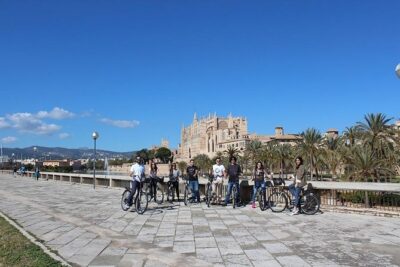
Palma de Mallorca Easy Bike Tour (Small Groups)
Read our review →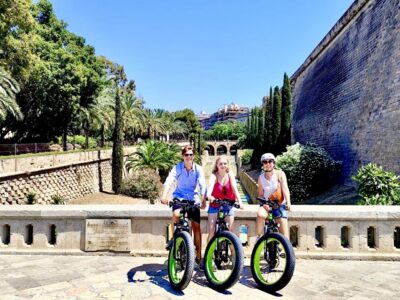
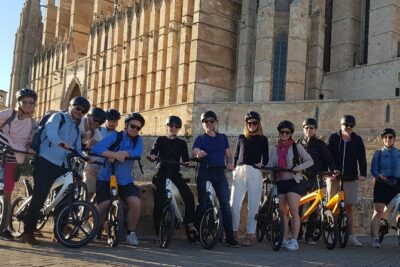
Palma de Mallorca: Guided Bicycle Tour with Tapas & a Drink
Read our review →
3 Hours Historic E-Bike Tour in Palma de Mallorca
Read our review →
Mallorca: Touring or electric bike rental in Cala Millor
Read our review →Browse the lists this tour appears in