
REVIEW · WELLINGTON
Remutaka Rail Trail Mountain Bike Explorer Cycle Tour
Leave the city behind on two wheels. The Remutaka Rail Trail Mountain Bike Explorer gives you a simple way to trade Wellington’s streets for native forest, old rail tunnels, bridges, and wide mountain views. I like the easy point-to-point route and the fact that transport, a pedal mountain bike, safety gear, lunch, and water are all handled for you.
I also like the freedom to ride at your own speed rather than staying beside a guide. The main caution is important: the trail is not uniformly gentle. Much of it is flat or downhill, but the final 4 to 5 kilometres can become narrow and rocky, so you should feel reasonably comfortable on a mountain bike.
Key points to know before you book
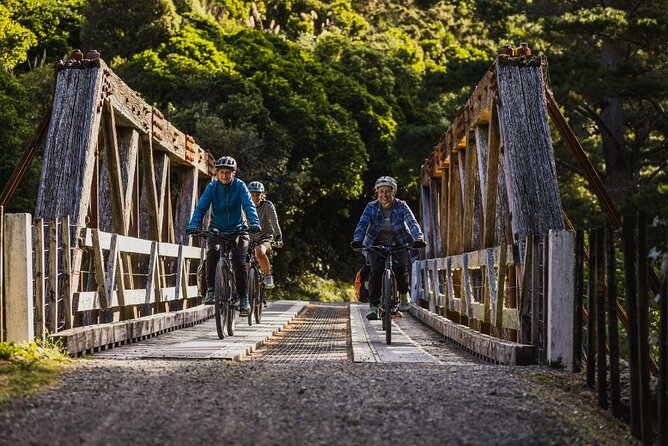
- A 28-kilometre ride from Kaitoke to Cross Creek follows an old railway route through forest, tunnels, bridges, and open country.
- The ride is self-guided, with a safety briefing, route instructions, equipment, and help available before you set off.
- The first section is usually the easiest, while the narrower final kilometres require more care and may suit walking your bike in places.
- Lunch, water, helmets, lights, and pannier bags are included, along with shuttle transport from central Wellington.
- The tour suits active visitors of mixed ability, but you need moderate fitness and confidence handling a standard mountain bike.
- The $124.11 price is strong value if you need transport and equipment, especially on a cruise stop or short Wellington stay.
Why this rail trail makes a good Wellington day out
Wellington is famous for wind, hills, and compact city sights. The Remutaka Rail Trail gives you a different side of the region. Instead of spending the day moving between museums, cafés, and viewpoints, you spend several hours in native bush and open countryside.
The route follows a former railway line through the Remutaka Range. That old engineering corridor gives the ride a natural rhythm. You cross bridges, pass through rail tunnels, and follow a track that is easy to understand for much of the way. You do not need to keep checking a complicated map every few minutes.
I like the independence built into this outing. Staff explain the route, show you how to call for help, and answer questions before you leave. Then you ride without a guide beside you. That can feel more relaxed than a tightly controlled group ride, but it also means you must pay attention to the briefing and make sensible choices on the trail.
The small group size, capped at 11 people, helps keep the shuttle and equipment process manageable. It also means you are not setting off with a huge cycling crowd.
More Mountain Bike Tours in New Zealand
- Half-Day Self-Guided Mountain Bike Journey through Whakarewarewa Redwood Forest
★ 5.0 · 124 reviews - Wanaka: Self-Guided Regular MTB – Lake Hawea to Lake Wanaka
★ 4.8 · 40 reviews - Lava Loop- Guided electric mountain bike tour in Akaroa
★ 5.0 · 34 reviews
Starting at Kaitoke and entering Pakuratahi Forest
Pickup is at 9:15am from Wellington Port for cruise ship passengers, or 9:30am at the main entrance of Wellington Station. From there, a shuttle takes you to Kaitoke, the starting point for the approximately 28-kilometre ride.
The trail begins in Pakuratahi Forest, where native bush and birdlife provide the first change from city scenery. This section is a good warm-up. The early incline is described as gentle, and the old rail alignment keeps the route from turning into a constant hill climb.
Your bike is a standard pedal mountain bike, not an electric bike. You receive a helmet, other safety equipment, lights, and a pannier bag. That last item is useful because it gives you somewhere to keep a jacket, small personal items, or anything you do not want in your pockets.
The route is well marked and follows a clear former railway corridor. Still, you should not confuse an easy-to-follow route with a completely effortless ride. You need to pedal for several hours, manage gravel and loose stones, and remain comfortable on uneven ground.
Tunnels, bridges, and the old railway route
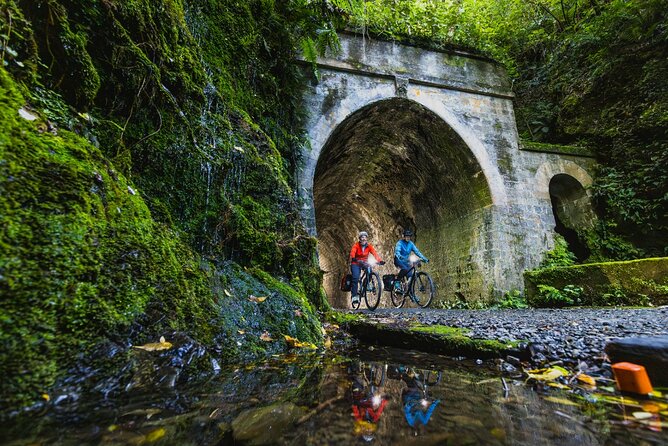
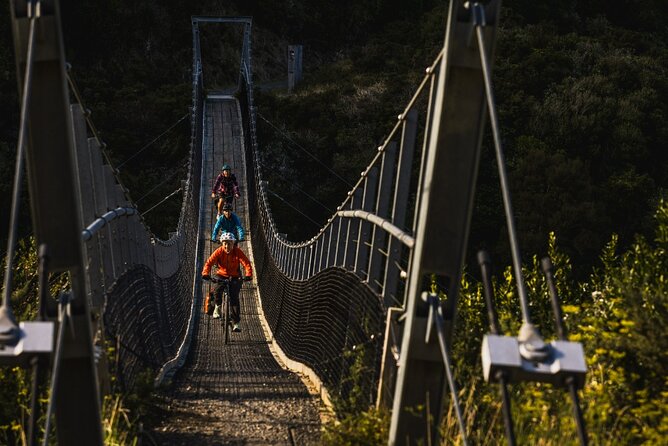
The most characterful part of the ride comes from the railway features. You pass through tunnels and cross bridges that give the trip more personality than a basic forest cycle path. Lights are provided, which matters in the darker tunnel sections.
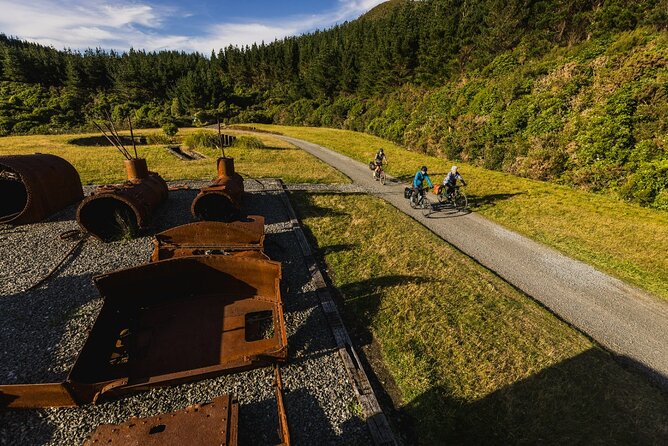
There are information placards along the way, so you can pause to understand more about the railway and the route’s past. The old line also helps explain why the ride generally feels manageable. You are following a corridor built for trains, not attacking a steep mountain track from the bottom.
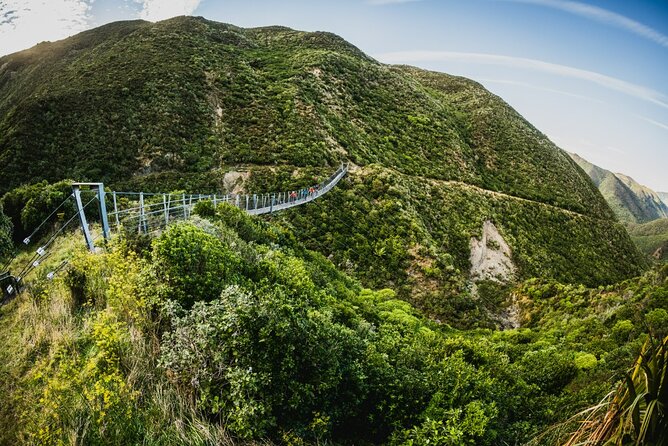
The route has a pleasing variety. Forest gives way to more open views, then the trail returns to cuttings, bridges, and rocky sections. A creek runs beside parts of the route, adding sound and movement to what can otherwise be a quiet ride.
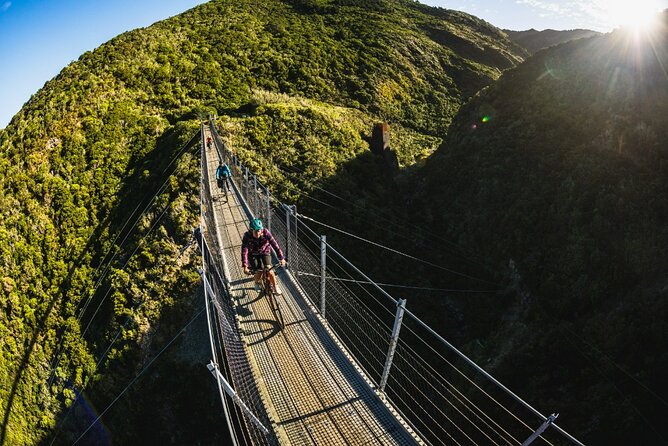
Conditions can change the feel of the outing. One person had strong wind that made crossing a suspension bridge by bike unwise. Another rode in cold rain and still enjoyed the day, but poor weather can make the surface more slippery and the exposed sections less comfortable. This is an outdoor activity, not a rain-or-shine city excursion.
The summit picnic and the descent to Cross Creek
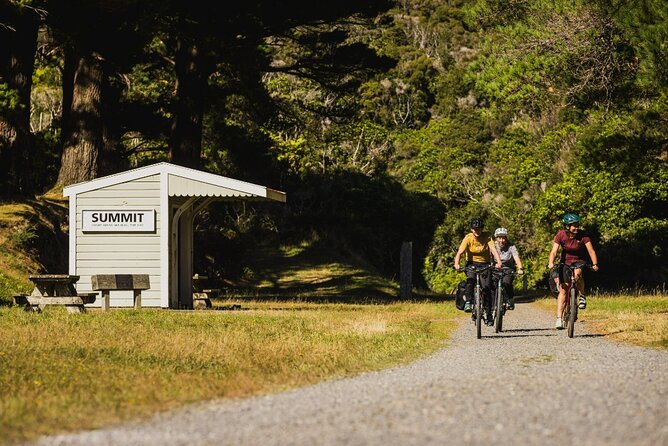
The summit is the natural pause in the day. You can stop for the included picnic lunch before beginning the descent toward Cross Creek. Lunch and water are provided, but you should tell the operator about dietary needs as soon as possible, including vegetarian, gluten-free, or no-seafood requirements.
The summit break is useful for more than eating. It divides the ride into manageable sections and gives you a chance to adjust clothing, check your bike, and consider how much energy you have left. Pack a light jacket even in warm weather because the range can feel cooler and windier than Wellington.
The descent is where the ride becomes more technical for some people. The final 4 to 5 kilometres can include a narrower track, loose rocks, and a steep drop beside parts of the route. You do not need to prove anything. Walking the bike for a short section is sensible, not a failure, especially if the surface makes you uneasy.
The route description presents the ride as suitable for all cycling levels, and that is fair if it means you can choose your pace and walk difficult parts. It does not mean every metre feels like a smooth family cycleway. Confident riders will find the challenge enjoyable. Less experienced riders should expect to slow down and possibly dismount near the end.
Same roads, a different day in the saddle:
- The Classic: our most popular electric bike tour of Auckland’s Highlights
★ 5.0 · 497 reviews - Bike the Wanaka and Hawea Trails
★ 5.0 · 346 reviews - Self-Guided Wine Tours by Bike with Lorelle & Greg
★ 5.0 · 304 reviews - Otago Central Rail Trail One Day Wonder Cycle tour
★ 5.0 · 300 reviews
Cross Creek pickup and the option beyond Featherston
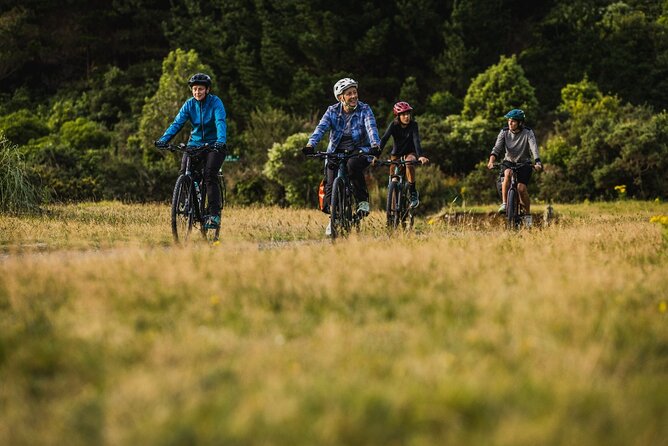
The standard ride ends at Cross Creek, where you are collected near the Royal Hotel in Featherston. The shuttle then takes you back over the Remutaka Range, through the Hutt Valley, and toward Wellington Station or Wellington Port.
The expected return is around 3:30pm to 3:45pm. That makes this a useful choice for a full Wellington day, although cruise ship passengers should allow enough buffer around ship departure times and confirm the port return arrangements when booking.
If you still have energy, there is an optional continuation toward Featherston. Several riders found the extra 10 kilometres worthwhile, describing it as a flatter, quieter route with open views and animals along the way. This extension is not the main 28-kilometre ride, so ask the staff about current timing and pickup arrangements before counting on it.
The extension is especially appealing if the main route felt short to you. On the other hand, do not force it after a tiring or wet ride. The point of a good cycling day is to finish pleased, not to turn the last hour into a slog.
Is the standard bike manageable?

For many people, yes. The route is mostly level or downhill after the early climb, and the old railway alignment avoids the relentless climbing found on some mountain bike outings. One rider felt an electric bike was unnecessary for this direction of travel.
That does not make the ride effortless. You need moderate physical fitness, enough stamina for several hours outdoors, and basic confidence on a bike. The more technical sections require attention rather than speed. Loose rocks can catch an unwary wheel, particularly on the descent.
I would describe the ride as accessible for an active beginner, but not ideal for someone who rarely cycles or feels nervous on gravel. If you are uncertain, tell the operator about your experience before setting off. The briefing includes route choices and advice for sections where you may feel uncomfortable.
Do not wear loose clothing that could catch in the bike. Closed shoes are required, and running shoes are suitable. In warmer months, shorts and a T-shirt with a light jacket in reserve make sense. In cooler conditions, use long pants or tights, plus layers that you can add or remove.
What the price includes at $124.11
At $124.11 per person, this is not simply a bike rental. The fee includes return transport from central Wellington, a mountain bike, helmet, safety gear, lights, pannier bag, lunch, water, taxes, and fees.
That package gives the price useful value. Renting a bike alone would not solve the transport problem, and arranging your own shuttle across the range could be awkward. You also avoid bringing trail equipment with you or finding a suitable route on your own.
The main thing you do not receive is an on-trail guide. Staff brief you at the start, but once you ride away, you are responsible for following the route and judging your pace. Some people will prefer this freedom. If you want a guide beside you explaining every bend, this is not that kind of tour.
The booking pattern, with many reservations made well ahead of time, suggests you should not leave it until the last day of a short Wellington visit. You also need to provide your approximate height so the bike can be sized correctly.
Weather, safety, and practical limits
Weather matters a great deal here. The activity can be canceled in poor conditions, with the choice of another date or a full refund. You can also cancel for a full refund up to 24 hours before the start time, but changes or cancellations inside that window are not accepted.
Wind deserves special attention. Wellington already has a reputation for it, and the route includes exposed bridges and mountain sections. Staff can advise you if conditions make a particular feature uncomfortable, but you should be prepared to walk the bike when needed.
Mobile coverage is not guaranteed across the trail. The pre-ride briefing explains how to call for assistance when there is no cellular service. Listen closely. That small piece of information matters more on a self-guided ride than it would on a fully escorted excursion.
Service animals are allowed, and the starting points are near public transportation. The activity is limited to a maximum of 11 people, which keeps the operation relatively small. Confirmation is provided at booking.
Who will enjoy this ride most?
I would recommend it to you if you want active time outside Wellington without having to organize a bike, shuttle, route, lunch, and safety gear separately. It works particularly well for people who enjoy independent cycling but still want staff support before departure.
It is also a good match for cruise ship passengers who want something more memorable than a short city walk, provided the return timing fits your ship schedule. The central port pickup is convenient for that purpose.
Strong cyclists may find the main route too short or too easy in places. For them, the possible continuation toward Featherston adds interest. New riders can enjoy it too, but should accept that walking on the roughest section is perfectly reasonable.
I would think twice if you dislike gravel, have poor balance on uneven surfaces, or want a fully guided commentary from start to finish. You also need to be comfortable spending six hours on an outdoor activity where weather can change the mood of the day.
Should you book the Remutaka Rail Trail tour?
Book it if you want a well-organized escape from Wellington with genuine scenery, railway history, and enough physical challenge to feel like an outing rather than a sightseeing transfer. The included transport and equipment make the $124.11 cost fair, and the lunch removes another small planning task.
Go in with the right expectations. This is a self-guided ride on a mostly manageable route, not a smooth cycle path and not an escorted mountain biking lesson. Wear proper shoes, listen to the safety briefing, take the rocky final section slowly, and walk whenever that feels safer.
For an active visit to Wellington, this is one of the better ways to spend a day beyond the city center.
FAQ
How long does the Remutaka Rail Trail bike tour last?
The experience lasts approximately six hours. Pickup is around 9:15am from Wellington Port for cruise ship passengers or 9:30am from Wellington Station, with an expected return around 3:30pm to 3:45pm.
Where does the cycling begin?
The ride begins at Kaitoke, after the shuttle leaves central Wellington. The main cycling route is approximately 28 kilometres long and finishes near Cross Creek.
Is a guide present during the ride?
No. Staff provide a briefing, explain the route, answer questions, and describe how to call for help. You then ride independently without an on-trail guide accompanying you.
Is the tour suitable for beginners?
The trail is suitable for cyclists of all levels, but you should have moderate physical fitness. Some later sections are narrow and rocky, and you may prefer to walk your bike there.
Are electric bikes provided?
The tour provides pedal mountain bikes, not electric bikes. The route is mostly level or downhill after the initial section, but you still need to pedal for several hours.
What equipment is included?
You receive a mountain bike, helmet, other safety gear, lights, and a pannier bag. Transport, lunch, and water are also included.
What should I wear?
Wear suitable outdoor clothing and closed shoes. Running shoes are acceptable. Avoid loose clothing that could catch on the bike, and bring a light jacket or extra layers for changing weather.
Can dietary requirements be accommodated?
You should provide dietary information as soon as possible when booking. Examples include vegetarian, gluten-free, or no-seafood requirements.
What happens if the weather is poor?
The trip may be canceled in unfavorable weather. You can choose an alternative date or receive a full refund. You can also cancel up to 24 hours before the start time for a full refund.
Just added around New Zealand
- Morning Guided with Afternoon Self-Guided Biking Wine Tour★ 5.0 · 30 reviews
- Private Biking Wine Tour (full day) in the Marlborough Region★ 5.0 · 13 reviews
- Full-Day Marlborough Wine Region Bike Hire★ 5.0 · 35 reviews
- The Inside Loop: an electric bike tour of Auckland’s Coolest Neighborhoods★ 5.0 · 150 reviews
- Full Day Ebike Tour in Karangahake Gorge (ex Auckland)★ 5.0 · 14 reviews
- The City Lights: a unique electric bike tour of Auckland by night!★ 5.0 · 36 reviews
- Lava Loop- Guided electric mountain bike tour in Akaroa★ 5.0 · 34 reviews
- Akaroa Explorer- Guided Electric Bike Tour in Akaroa★ 5.0 · 18 reviews
Mountain Bike Tours, compared.
La Paz: Mountain Bike Down the World’s Most Dangerous Road
Read our review →
Chiang mai Hike & Downhill Bike Adventure –Suthep National Park
Read our review →
Guided Mountain Bike Tour of Mustang Trail in Red Rock Canyon
Read our review →
3 Hour Sonoran Desert Private Guided Mountain Bike Tour
Read our review →
Suthep National Park Hiking & DH Mountain Biking
Read our review →
Browse the lists this tour appears in