
REVIEW · SHANGHAI
Shanghai: Full Day Classic Bike Tour With an Authentic Lunch
Shanghai is best understood at street level. This seven-hour bike tour connects grand landmarks with everyday neighborhoods, giving you a useful mix of colonial buildings, old lanes, shopping streets, parks, museums, and local food. I like that you see far more than you could on foot, and I especially like the stop inside an old Nongtang community, where Shanghai life feels less polished and more real. The included authentic local lunch adds practical value, too.
The main consideration is traffic. You need to be a confident, alert cyclist, particularly around cars and mopeds. One past rider found cars fairly courteous but mopeds less predictable, so this is not the best choice if city cycling makes you nervous. The guide does help choose safer routes and looks after the group, but you still need to ride assertively.
Guides such as Julia, May, and Mayfer have been praised for their energy, flexibility, local explanations, photography, and willingness to help with small practical matters. Mayfer even helped one rider find the route back to a hotel after the tour. That kind of personal help can make a long day in a huge city much easier.
Key points to know before you book

- Seven hours on a quality bicycle: You cover a remarkable amount of central Shanghai without sitting in a vehicle, though the length requires reasonable stamina.
- Traffic is part of the experience: You ride through city streets rather than along a fully separated cycle path, so confidence and attention matter.
- Old Shanghai appears between the famous sights: Nongtang lanes, Shikumen homes, Shanghai Old Street, and an ancient park add local texture to the better-known landmarks.
- Lunch is included: The meal is local rather than designed for tourists, with dumplings and soup among the dishes served on one reported outing.
- The route mixes many eras: Japanese concession buildings, the Former French Concession, the Bund, Tianzifang, Xintiandi, and People’s Square show how sharply Shanghai changes from block to block.
- The starting point is in Hongkou: You begin at Building No. 39, Che Zhan South Road, opposite Shanghai Fuxing Senior High School, and return there at the end.
Why a bicycle makes sense in Shanghai
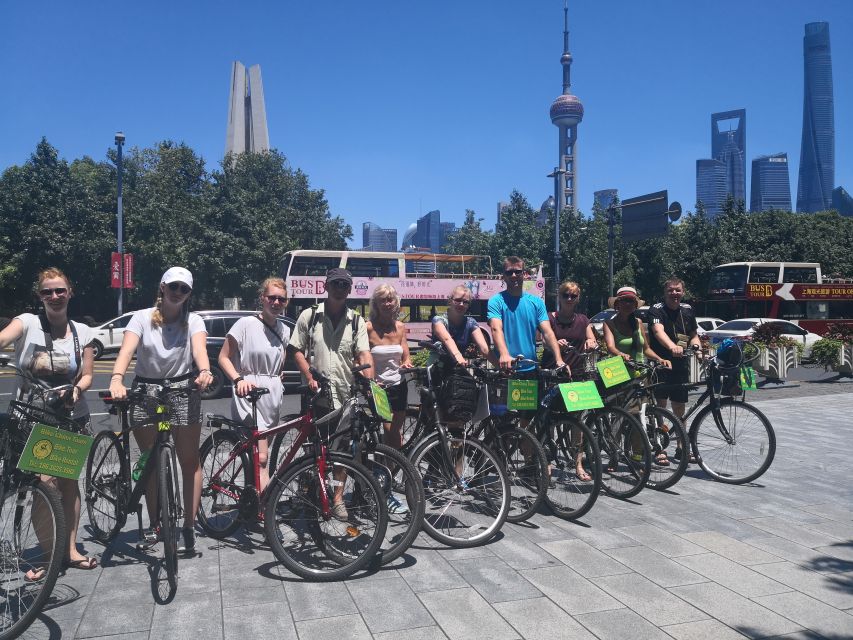
Shanghai is too large for a neat walking tour of its central sights. The bicycle solves that problem. You can move from the People’s Square area to the Former French Concession, then on to the Bund and Shanghai Old Street without spending much of the day waiting in traffic.
The bike also changes what you notice. From a car, old entrances, shop fronts, lane communities, and street activity pass in a blur. On two wheels, you can slow down, stop, and hear the guide explain what you are seeing. You get a better feel for how grand commercial Shanghai sits beside older residential districts.
The route is not simply a parade of famous buildings. It uses major sights as anchors, then threads through local streets and historic neighborhoods between them. That is the tour’s main strength. You receive orientation for future sightseeing, but you also see the city as a place where people live and work.
The included high-quality bicycle, helmet, lock, and mineral water keep the day straightforward. You do not need to arrange a rental or carry drinking water from stop to stop. The helmet is especially important because the route includes ordinary city traffic, not just quiet park paths.
More Rides with Lunch in China:
- 4-Hour Private Beijing Hutong Bike Tour with Dumpling Lunch
★ 5.0 · 13 reviews - Electric Cycling Tour of Ubud with Free Hotel Transfer and Lunch
★ 5.0 · 1,397 reviews - Bangkok: Bike and Canal Boat Tour with Lunch
★ 4.9 · 1,350 reviews
Starting in Hongkou and seeing an older Shanghai
The meeting point is Building No. 39 on Che Zhan South Road in Hongkou District, directly opposite Shanghai Fuxing Senior High School. This is not one of Shanghai’s headline attractions, but that is part of the point. You begin away from the postcard center and move toward it, watching the city change as you ride.
The tour starts in the former Japanese concession area, where colonial-era architecture provides an early look at Shanghai’s complicated past. Your guide explains the buildings and the role of foreign-controlled districts in the city’s development. The exact buildings visited can vary, but the opening section gives you useful context before the route reaches the more famous central districts.
This first stage also helps you settle into the bike. You learn how the guide handles intersections and how the group moves through traffic. Pay attention here. The most comfortable riders are not necessarily the fastest ones, but those who stay alert, keep a steady line, and follow the guide’s signals.
The Former French Concession and Shikumen lanes
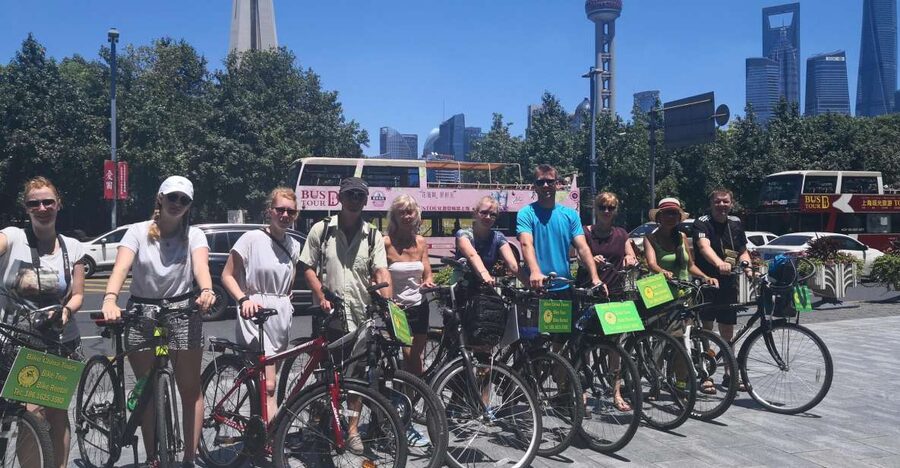
The Former French Concession is one of the most appealing parts of the day. Its tree-lined streets and varied heritage buildings offer a different mood from the crowded shopping areas and monumental civic spaces elsewhere in Shanghai. You ride through the district while the guide points out architectural details and explains how local and foreign influences shaped it.
The tour then enters a Shikumen Nongtang community. Shikumen means stone-gate homes, a distinctive Shanghai housing form that combines Chinese courtyard traditions with Western touches. Nongtang refers to the lane communities built around these homes.
This is where the tour feels most connected to daily life. Rather than looking only at landmark facades, you pass through a residential setting that shows how people used to live in close-knit lane neighborhoods. Some areas have changed quickly, and the contrast between old lanes and new development is an important part of understanding Shanghai.
You should not expect a quiet museum visit. These are living communities, and the experience depends on the conditions that day. The reward is seeing a side of the city that a standard sightseeing bus cannot reach.
A local lunch in the French Concession
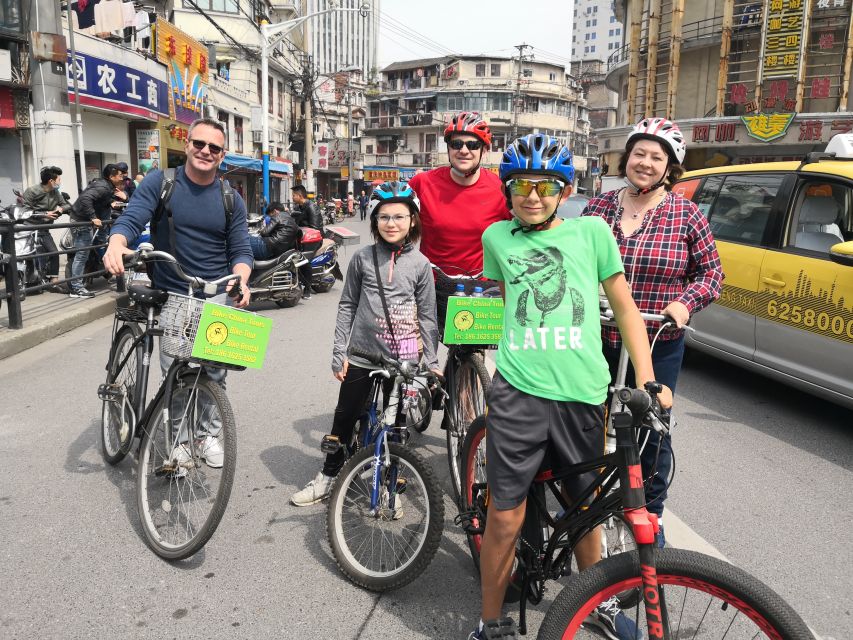
After riding through the older lanes, you stop for an authentic local lunch in the French Concession area. This breaks up the cycling at a sensible point and lets you sample Shanghai food without having to choose a restaurant on your own.
One reported meal included dumplings and soup, though the exact dishes may differ. The point is not a formal restaurant tasting menu. It is a practical local meal that refuels you and gives the guide a natural chance to explain everyday food customs.
I see lunch as a real part of the tour, not a minor extra. Food helps make a place understandable, and a local meal is often more revealing than another quick photo stop. Still, you should bring realistic expectations. Personal expenses are not included, so anything beyond the provided lunch is your responsibility.
If you have dietary restrictions, the supplied information does not specify how they are handled. Ask before booking rather than assuming the meal can be adjusted.
More Full-Day Rides in China:
- Full-Day Shanghai Classic Bike Tour
★ 4.9 · 20 reviews - Ninh Binh Full-Day Tour from Hanoi to Hoa Lu, Tam Coc & Mua Cave Via Boat & Bike
★ 5.0 · 4,384 reviews - From Perth: Rottnest Island Full-Day Bike and Ferry Trip
★ 4.7 · 2,548 reviews - Versailles Full Day Bike Tour with Palace, Gardens, & Picnic
★ 5.0 · 2,217 reviews
Tianzifang, art, and the old Nongtang setting
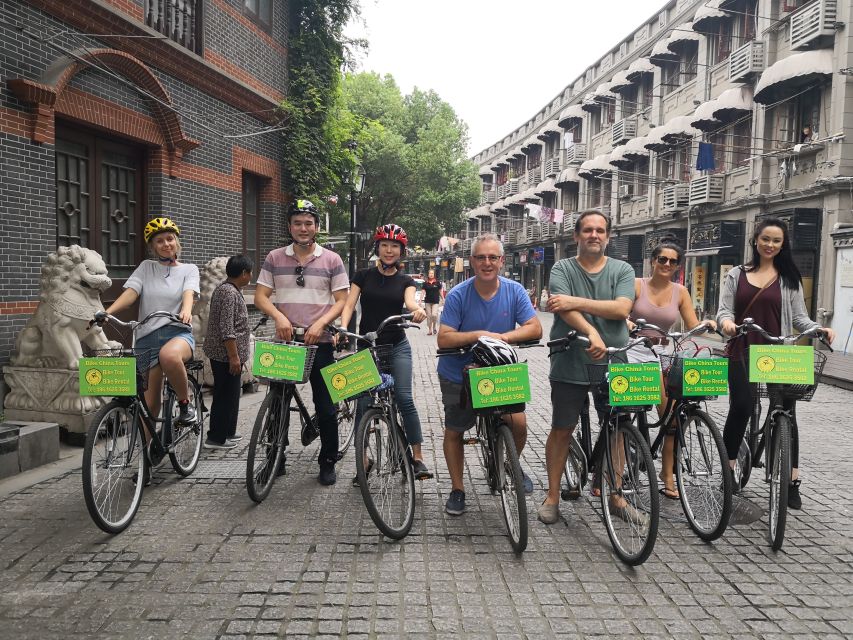
Tianzifang is one of Shanghai’s best-known converted lane districts. The route visits an art gallery in an old Nongtang area before continuing through Tianzifang, where local and Western influences meet.
Here you find the sort of mixed-use setting that makes Shanghai fun to explore: bars, outdoor cafes, boutique shops, studios, and antique shops packed into older lane buildings. It is more commercial than a residential Nongtang, but that contrast is useful. You see how old spaces are reused for modern creative and retail life.
The stop is suited to browsing rather than a long shopping session. If you want to buy something, your guide may be able to help with bargaining. One rider particularly appreciated help negotiating purchases in the old town, along with an unplanned fruit-shopping stop. Do not count on the exact same detour, but the guide’s flexibility can add charm to the day.
Tianzifang can also feel crowded and shop-focused. If your main interest is architecture or quiet lanes, this may be less satisfying than the earlier Nongtang visit. If you enjoy small stores, studios, and people-watching, it is a worthwhile part of the route.
Xintiandi and Shanghai’s polished historic side
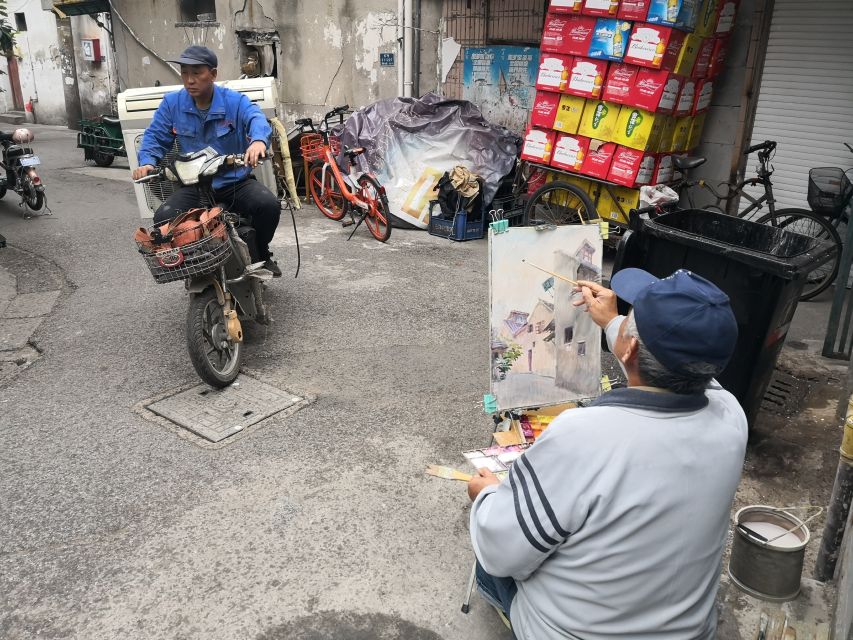
The ride continues to Xintiandi, a pedestrian district known for fashion, restaurants, and restored Shikumen architecture. The area presents old-style buildings in a highly polished setting.
That makes Xintiandi useful for comparison. Earlier, you see lived-in lane communities. Here, similar architectural ideas are presented for dining, shopping, and leisure. The contrast helps you understand that Shanghai’s historic quarters are not all preserved in the same way.
You may prefer the rougher, more everyday atmosphere of the Nongtang lanes, but Xintiandi is easier to explore and visually tidy. The guide’s commentary helps explain the difference between authentic residential fabric and a restored commercial district.
People’s Square, the museum, and the Grand Theater
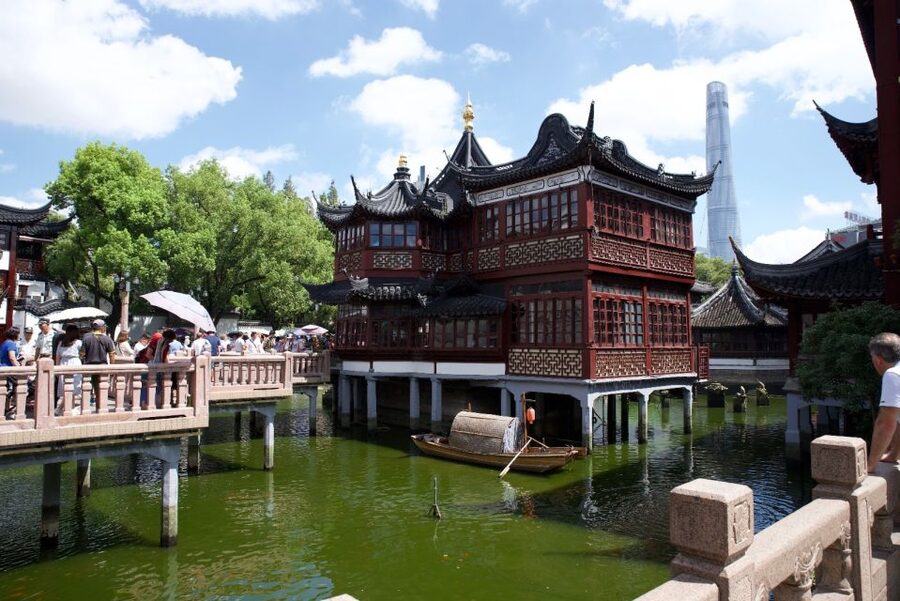
The route then reaches People’s Square, one of central Shanghai’s key civic areas. From here, you ride past or visit major cultural landmarks including Shanghai Museum and Shanghai Grand Theater.
These stops give the day a strong sense of scale. People’s Square is not just another photo point. It connects museums, public buildings, transportation, and some of the city’s most important central spaces. Shanghai Museum adds a cultural focus, while the Grand Theater brings modern performance architecture into the picture.
The tour is primarily a cycling and orientation experience, so do not expect a long interior museum visit unless the guide specifically confirms it. The value here is seeing how the landmarks fit together and learning which ones deserve a return visit on your own.
That is one reason the route works well early in a Shanghai stay. You can mark the places you want to revisit, then return later with more time.
Nanjing Road and the Bund by bicycle
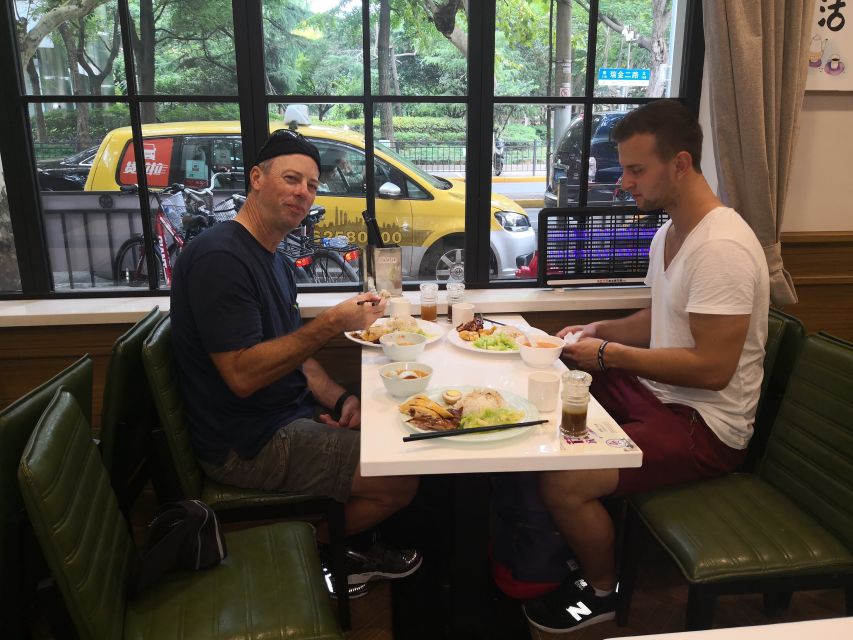
Nanjing Road is Shanghai’s most famous shopping street, and cycling across or along it gives you a quick sense of the city’s commercial energy. It is a major contrast with the older residential lanes. Here, the focus is retail, crowds, bright signs, and movement.
The ride continues toward the Bund, where colonial architecture lines the Huangpu River. The buildings are the main attraction, with grand facades that reflect Shanghai’s international commercial past. Seeing them after the Former French Concession and the Japanese concession area helps you compare different parts of the city’s colonial-era built environment.
Riding through this section is exciting, but it is also where traffic awareness matters most. The route does not remove the city’s traffic challenges. You should be comfortable watching vehicles, following the guide, and reacting calmly when conditions change.
The benefit is speed and perspective. You do not spend the whole day walking between major sights, yet you still experience the streets between them. The drawback is that busy areas can feel rushed, especially if you want extended time for photographs or interiors.
Shanghai Old Street and the ancient park
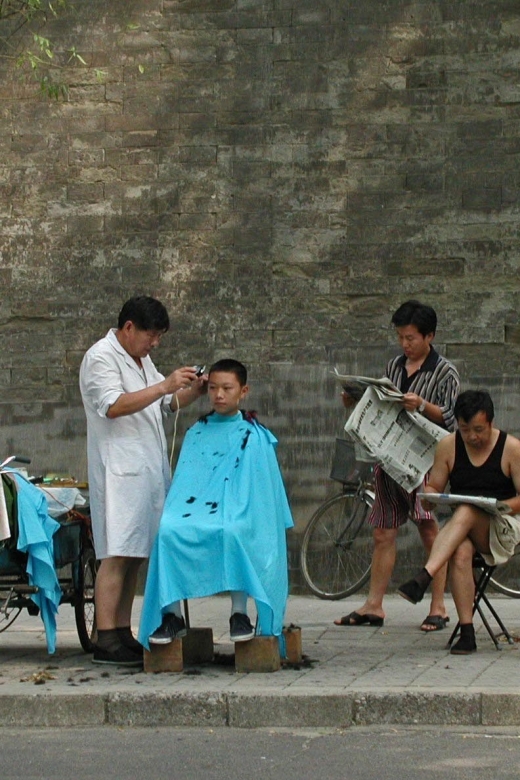
Shanghai Old Street adds another historic layer, with traditional-style buildings and a connection to the older city. It is a useful counterpoint to Nanjing Road’s modern shopping scene and the Bund’s grand foreign-era architecture.
The tour also visits an ancient park with more than a hundred years of history. This stop brings in local customs, traditional culture, and a slower setting after the traffic and commercial districts. Parks are important in Shanghai because they offer public space for ordinary routines, not just sightseeing.
The details of the park visit can depend on the day’s route and timing. Still, it gives you a chance to see a calmer side of the city and hear about local habits beyond architecture.
How demanding is seven hours on a bike?
Seven hours sounds intense, but the actual effort is moderated by stops, commentary, lunch, and sightseeing. One rider who expected the day to be exhausting found it manageable and surprisingly comfortable.
That does not mean the tour is effortless. You need to pedal for much of the day, and urban cycling requires mental energy as well as physical effort. If you rarely ride a bicycle or dislike traffic, choose another way to see Shanghai.
A good approach is to treat this as an active sightseeing day, not a cycling workout. Wear comfortable clothes, use the provided helmet, drink the included water, and keep your attention on the road. The guide’s route choices help, but no city bike tour can remove every traffic concern.
The experience suits confident beginners as well as regular cyclists, provided they are comfortable riding in a busy city. It is less suitable for anyone seeking a slow, fully protected cycle path.
The guides and the value of local help
The guide can make or break a full-day tour. Julia was praised for being energetic, easy to question, and willing to share information beyond a fixed script. May was described as positive and generous with explanations. Mayfer was praised for flexibility, photography, and practical help after the ride.
Guide assignments can change, so you should not book on the assumption that one particular person will lead your tour. Still, the pattern is encouraging: the best part of the guiding is not only factual commentary, but the personal attention.
Photography is another small benefit. Since you are often riding, taking pictures can be awkward. One guide took many photos during the day, allowing the rider to enjoy the route without constantly stopping for a camera.
Is $85 a fair price?
At $85 per person, the tour includes seven hours of guiding, a bicycle, helmet, lock, mineral water, and lunch. I consider that fair value if you want a full orientation to Shanghai and would otherwise need to arrange several separate visits and meals.
The price is less attractive if you mainly want extended time inside museums or a relaxed look at one neighborhood. A bike tour covers ground, but coverage always means shorter stops. You are paying for the route, local interpretation, equipment, and the ability to connect distant districts in one day.
Check the final price carefully when booking. One person found they had paid three times as much as others in the same group, which suggests that prices or booking channels can differ. The tour received an overall rating of 4.2 from 19 ratings, a solid result but not a reason to ignore the traffic and pricing considerations.
Free cancellation is available up to 24 hours before departure, and you can reserve now while paying later. Those policies make planning easier, but they do not change the need to confirm the starting time and meeting point.
Who should book this Shanghai bike tour?
You should consider it if you want to see the major central sights and understand how they connect. It is particularly good for a first or second day in Shanghai, when you need orientation before deciding where to spend more time.
I also recommend it for people who value local neighborhoods as much as famous landmarks. The Shikumen lanes, Nongtang communities, ancient park, local lunch, and street-level commentary give the day more substance than a simple landmark checklist.
You should think twice if you are uneasy around traffic, have limited cycling stamina, or want a slow cultural tour with long indoor visits. The route is broad rather than deeply focused, and the city itself remains active around you.
Final verdict: book it for range and local texture
I would book this tour if my goal were to understand Shanghai quickly and see many sides of it in one day. The strongest features are the mix of famous sights and ordinary neighborhoods, the included local lunch, and the guides’ reported willingness to answer questions, take photos, and adjust the experience.
I would not choose it simply because it is the cheapest way to sightsee. At $85, it earns its price through the long route, equipment, guide, and meal, but traffic and cycling confidence are genuine requirements. If you are comfortable on a bike, this is a lively, useful introduction to Shanghai that can help you plan the rest of your stay.
FAQ
How long does the Shanghai bike tour last?
The tour lasts seven hours. Starting times vary, so check availability when booking.
Where does the tour start?
You meet at Building No. 39, Che Zhan South Road, Hongkou District, Shanghai, directly opposite Shanghai Fuxing Senior High School.
Where does the tour end?
The tour returns to the same meeting point.
Is an English-speaking guide included?
Yes. The tour includes a live English-speaking guide.
What equipment is provided?
A high-quality bicycle, helmet, lock, and mineral water are included.
Is lunch included?
Yes. An authentic local lunch is included. Personal expenses beyond the included items are not covered.
Can I cancel for a full refund?
Yes. You can cancel up to 24 hours in advance for a full refund.
Just added around China
- Private Chengdu Half Day Bike Tour★ 4.0 · 13 reviews
- Beijing Highlights-Private Beijing Bike Tour★ 4.5 · 21 reviews
- 4-Hour Private Beijing Hutong Bike Tour with Dumpling Lunch★ 5.0 · 13 reviews
- Street Food in Beijing Hutongs by Bike★ 5.0 · 11 reviews
- Modern Beijing Discovery by Bike★ 5.0 · 13 reviews
- Full-Day Shanghai Classic Bike Tour★ 4.9 · 20 reviews
- Shanghai Must-See and Foodie Test Bike Tour( Day & Night)★ 4.7 · 70 reviews
- Shanghai: 4-Hour Nightlife Adventure & Tasting Bike Tour★ 4.4 · 81 reviews
Shanghai Cycling Tours, compared.
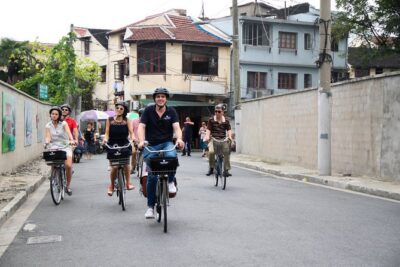
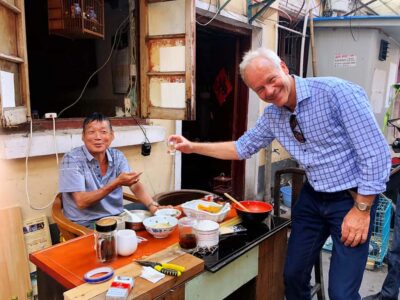
Half-Day Bike Tour of Shanghai Old Town with Food Tasting
Read our review →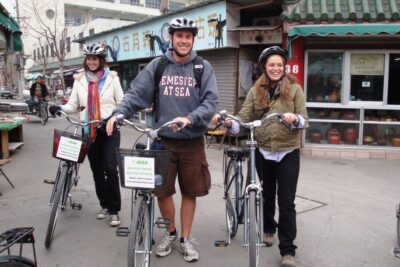
Half-Day Old Shanghai Small Group Bike Tour (Day & Night)
Read our review →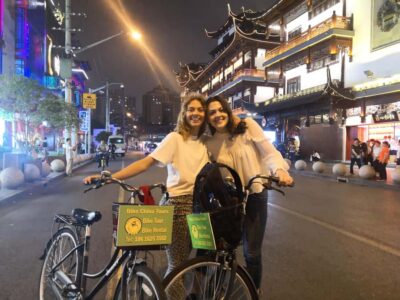
Shanghai: 4-Hour Nightlife Adventure & Tasting Bike Tour
Read our review →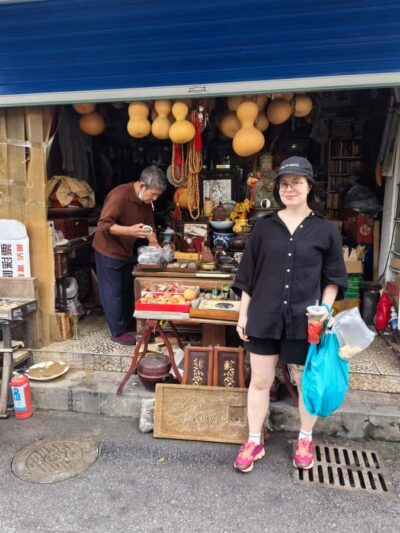
Shanghai Must-See and Foodie Test Bike Tour( Day & Night)
Read our review →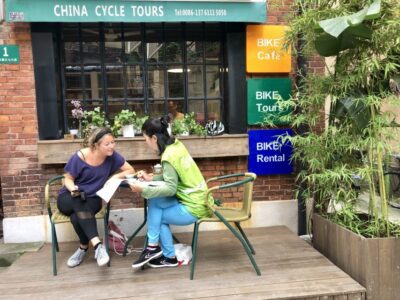
Browse the lists this tour appears in