
REVIEW · COPENHAGEN
Urban Design and Livability E-bike Tour
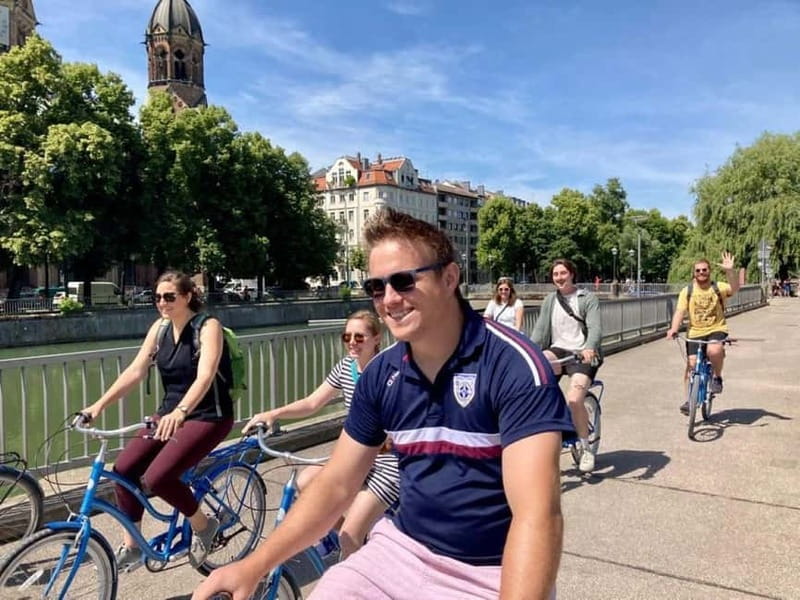
Copenhagen makes more sense on two wheels. This three-hour e-bike tour links the city’s architecture, public spaces, waterfronts, and neighborhoods in one lively ride. I like the small group of up to 10 people, which should make it easier to hear the guide and ask questions. I also like the unusual route, which goes beyond postcard Copenhagen to places such as CopenHill, Christiania, and Islands Brygge.
The main thing to consider is the amount of riding. The electric bikes make the distance easier, but you still spend much of the three hours moving through the city. The stops are short, usually about 10 minutes, so this is best for seeing many parts of Copenhagen rather than touring each site in detail.
Key points to know before booking
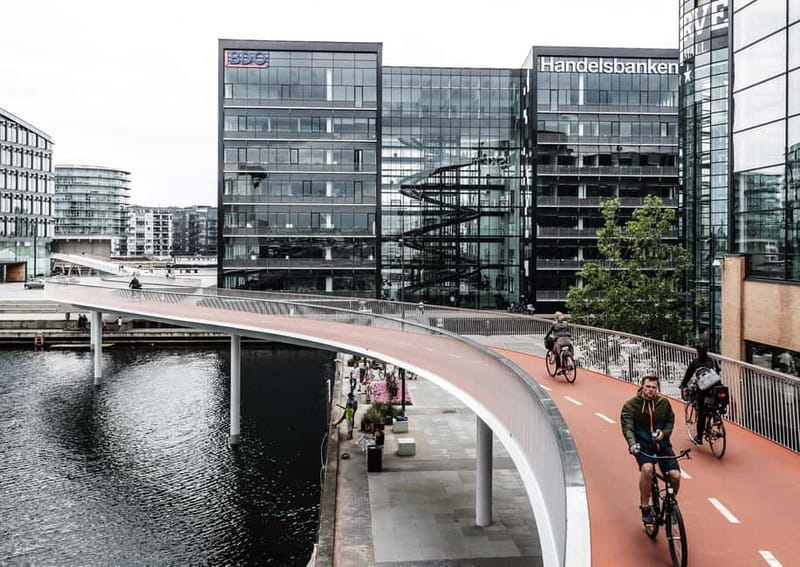
- Copenhagen by e-bike: The electric bicycle covers a wide stretch of the city without making the ride feel like a workout.
- Urban design is the theme: You see how former industrial areas, public swimming spaces, cultural buildings, and newer projects shape daily life.
- Ten stops in three hours: The pace is brisk, with time for short explanations, photos, and a look around rather than full visits.
- A small English-speaking group: The tour is offered in English and has a stated maximum of 10 people.
- Strong guide element: Guides including Basha, Mood, Luke, Pasha, Alex, and Rafael have been praised for their humor, city knowledge, and practical suggestions.
- Bring your own food budget: No lunch or drinks are included, though you can buy refreshments before or during the tour.
Why this e-bike ride is a smart introduction to Copenhagen
At $78.10 per person, this is not the cheapest way to see Copenhagen. Still, the price includes the e-bike, an optional helmet, and a licensed or certified guide. You are also covering a lot of ground in three hours, from the harbor to City Hall Square, Nyhavn, and several neighborhoods that sit outside the usual sightseeing loop.
I see the value in the route. A standard central-city walk can show you grand buildings and famous streets, but this tour tries to explain why Copenhagen feels easy to live in. You get examples of waterfront redevelopment, reused industrial land, public recreation, cultural buildings, and new architecture in a single outing.
The electric bike matters here. You are not simply cycling around one compact district. The route connects several parts of town, and one previous rider described the ride as substantial but enjoyable because of the e-bike. You should still feel comfortable cycling for much of the morning or afternoon, but you will not need to arrive ready for a serious athletic challenge.
The 11:00 a.m. start works well on a first or second day in the city. It gives you a broad orientation before you decide where to return later. I would take notes on the neighborhoods and food stops that catch your attention, since the guide can help you plan the rest of your stay.
More E-Bike Tours in Copenhagen
- 2 Hours Copenhagen E-Bike Guided Tours
★ 5.0 · 276 reviews - Copenhagen: Guided E-Bike Tour
★ 4.8 · 141 reviews - E-biking Central Forgotten Giants’ s Adventure
★ 4.5 · 75 reviews
Starting at Holbergsgade and meeting the guide
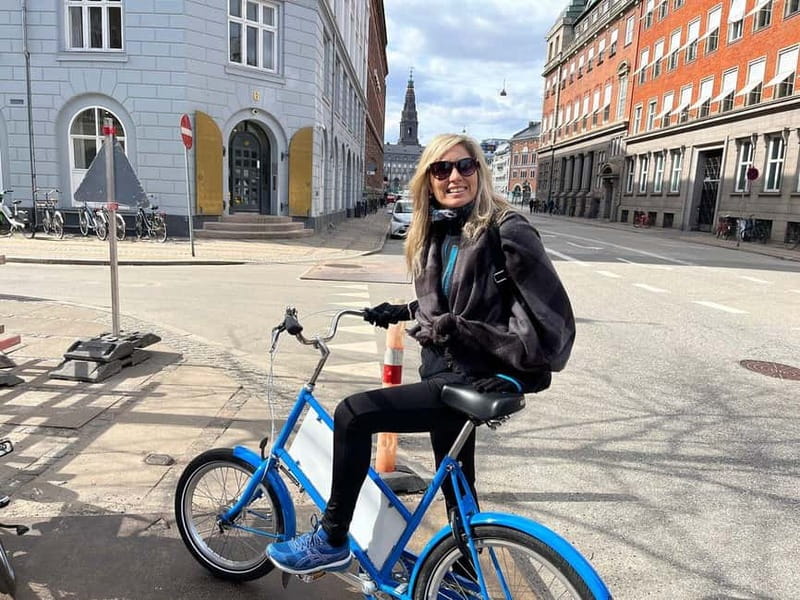
The tour begins at Holbergsgade 12, 1057 København, and returns to the same meeting point. The location is near public transportation, so it should be practical to reach from other parts of central Copenhagen.
You receive confirmation when booking, and the activity is offered in English. The small group size is a real advantage for a city ride. You can usually expect less waiting at crossings and fewer problems hearing the explanation than on a large coach tour.
A helmet is optional, and bicycle use is included. Since the ride depends on good weather, keep an eye on the forecast. If poor weather cancels the outing, you can choose another date or receive a full refund. The same options apply if the minimum number of participants is not reached.
Copenhagen Opera House: a cultural harbor landmark
The first stop is the Copenhagen Opera House, a modern building on the waterfront. The visit lasts about 10 minutes and does not include an admission ticket, though the stop itself is outside viewing rather than an indoor performance visit.
This is a useful opening because it introduces the tour’s main idea: Copenhagen’s harbor is not just a working edge of the city. It is also a place for culture, architecture, recreation, and public life. The Opera House gives the guide a clear example of how a modern landmark can help define the waterfront.
You will not have time for a full architectural study. Think of this as a quick orientation stop, with time to take in the building and hear how it fits the city’s cultural identity.
CopenHill: a recycling plant with a ski slope
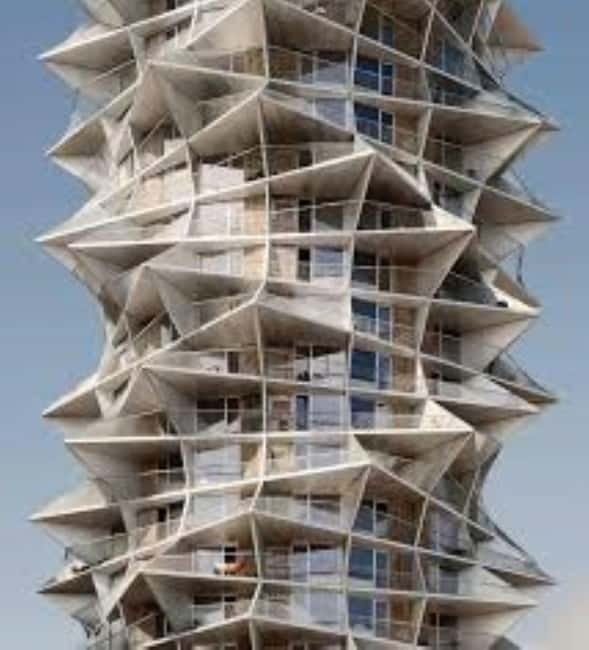
CopenHill is one of the tour’s most unusual stops. This waste-to-energy facility has a ski slope, running track, climbing wall, and cafe. The combination sounds strange at first, which is exactly why it is worth seeing.
The site shows how Copenhagen links practical infrastructure with recreation. Instead of hiding a major utility project away from public life, the design makes room for activities people can use. That gives you something concrete to consider when the guide talks about Danish design and city planning.
The stop is listed at about 10 minutes, so do not expect time to ski, climb, or settle into the cafe. You are there to see the concept, understand its role, and perhaps take a few photographs. If CopenHill is your main reason for booking, you may want to return separately with more time.
More E-Bike Tours in Denmark
- Copenhagen E-Bike Rental
★ 4.7 · 35 reviews
Christiania: a different idea of city life
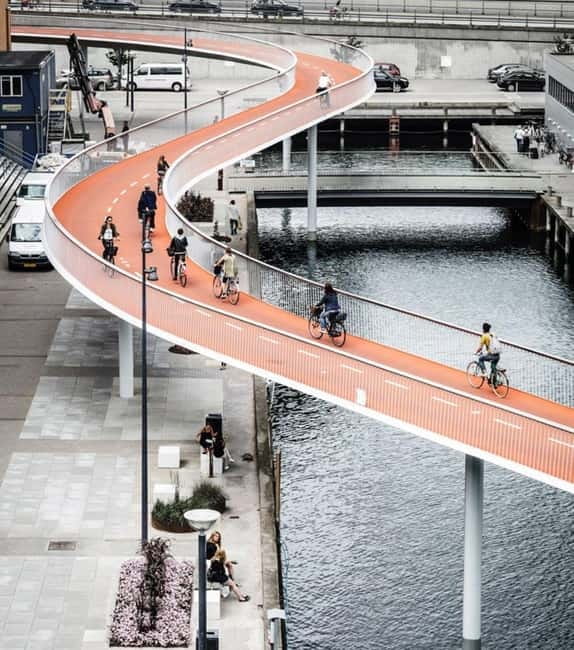
Christiania brings a sharp change in tone. This independent community is associated with individual freedom, freedom of expression, artistic freedom, and freedom of choice. The brief visit gives you a look at a part of Copenhagen that does not fit neatly into the city’s polished design image.
The value here is contrast. The tour is not only about sleek buildings and carefully planned waterfronts. It also shows a community built around a different set of social and artistic ideas.
Because the stop lasts roughly 10 minutes, your understanding will depend heavily on the guide’s explanation. Mood has been praised for making this kind of neighborhood history entertaining, while other guides have been noted for offering honest stories and cultural context. Listen closely, and save any detailed questions for the ride between stops.
Islands Brygge: from industrial edge to public waterfront
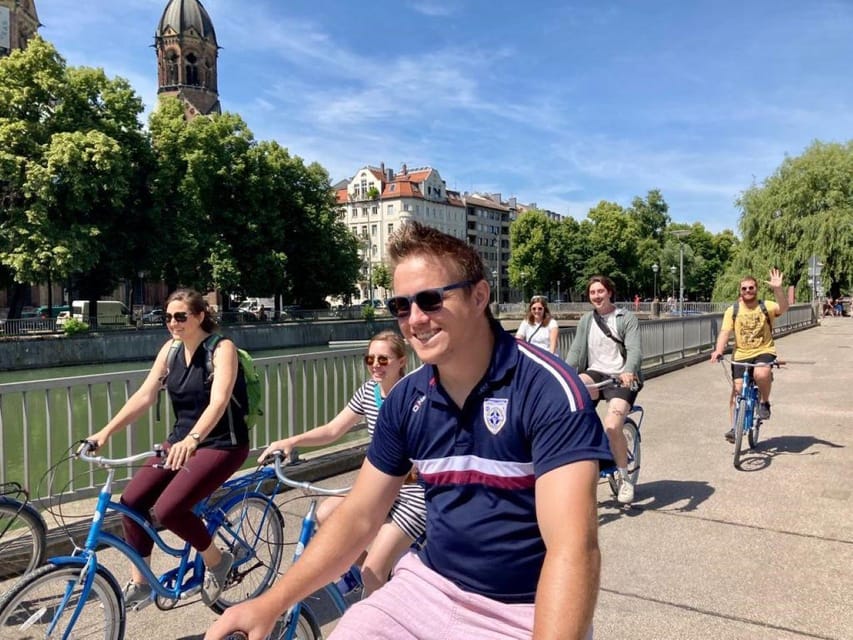
Islands Brygge is a strong example of urban change. Once a rundown industrial district, it now includes green spaces, swimming areas, and modern architecture. The stop gives you a clear look at how former working land can become part of daily city life.
The swimming areas are especially useful for understanding Copenhagen’s relationship with the water. Here, the harbor is not simply something to look at from a bridge. It can also be a place to exercise, relax, and meet friends.
You get only about 10 minutes, so you are unlikely to have time for a swim. Still, the short visit helps connect the design theme to ordinary life. Good urban planning is not just about striking buildings. It is also about giving people pleasant places to spend time.
The Meatpacking District: food, art, and reused industry
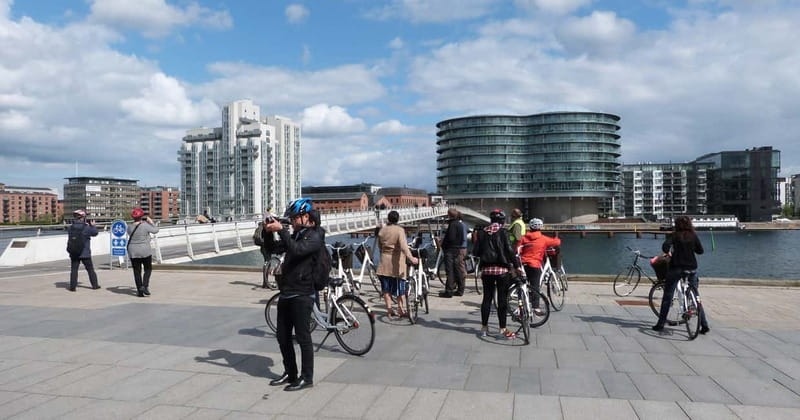
The Meatpacking District was once the city’s butcher quarter. Today it is known for artistic energy and food. It is another stop where old industrial use has been folded into a newer social and culinary role.
I like this part of the route because it gives you a practical reason to return later. The tour provides a quick look, but the district is better suited to a separate evening or meal. You can ask your guide for suggestions, especially if you want to explore Copenhagen’s food scene after the ride.
The guide element matters here. Rafael has been praised for knowing the city’s culinary side, which could make this stop especially useful if restaurants and food markets are high on your list. No food is included in the tour, so plan your own meal budget.
City Hall Square and the center of Copenhagen
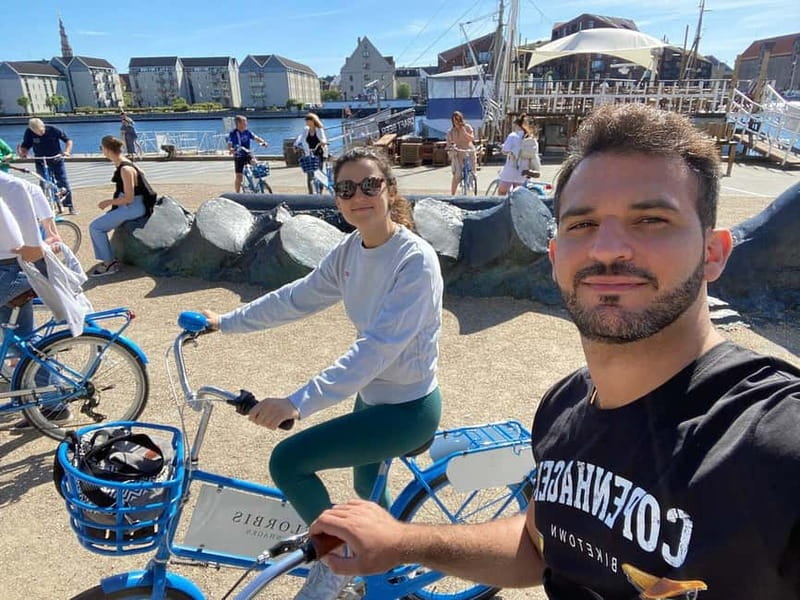
City Hall Square places you back in the traditional center. It sits beside Copenhagen City Hall and the famous Tivoli Gardens, giving you two major reference points in one stop.
This is a good moment to connect the newer parts of the tour with the older civic core. The square is a natural place to understand how public buildings, entertainment, transport, and pedestrian activity meet in the center of town.
Again, the scheduled time is about 10 minutes. You should not expect an interior City Hall visit or entry to Tivoli. The point is orientation and context. If you are staying nearby, mark this as a place to revisit on foot, especially after the tour has helped you understand where it sits in the wider city.
TorvehallerneKBH: Copenhagen’s best food stop
TorvehallerneKBH is one of the tour’s most useful stops for planning the rest of your visit. The two food halls offer Danish and international delicacies, making them a practical choice if your group cannot agree on what to eat.
Unlike several other stops, this one can easily turn into a longer return visit. The tour gives you about 10 minutes, which is enough to see the halls and get ideas, but not enough for a relaxed meal. Since food and beverages are not provided, you may want to return after the tour or buy something before the ride continues if the timing allows.
This is also where the tour’s design theme meets everyday pleasure. Food halls are not only commercial spaces. They can also function as social gathering places, and Torvehallerne helps show how Copenhagen mixes local food culture with international choices.
Nyhavn: the famous canal with a maritime past
Nyhavn is the most recognizable stop on the route. Its colorful buildings and 400-year-old canal remain central to Copenhagen’s public image and maritime past.
You may have seen photographs of it before arriving, but seeing Nyhavn as part of a longer bicycle route gives it a different context. It is one piece of a city that uses its waterfront in many ways, from cultural buildings and swimming areas to restaurants and public gathering spots.
The 10-minute stop is enough for a quick look and photographs. It is not enough for a slow canal-side meal or a full exploration of the surrounding streets. That is fine. The tour keeps moving, and you can return later when you are ready for a longer pause.
Ofelia Plads: public space beside the water
Ofelia Plads is described as a man-made beach in the heart of the city. It offers room for swimming, sunbathing, socializing, and cultural activities.
This stop reinforces one of the tour’s clearest themes: Copenhagen’s waterfront is designed for use. You are not just seeing the harbor from a distance. You are seeing how public space can support recreation and events close to the center.
The word beach should not make you expect a full resort setting. The stop is brief, and the point is to understand the space rather than spend an afternoon there. Still, it is an interesting contrast with Nyhavn. One is closely tied to the old harbor image, while the other points toward newer forms of city leisure.
The Royal Playhouse and sustainable Danish design
The Royal Playhouse is the final listed stop. It is presented as an example of sustainable Danish design and as a building that reflects Copenhagen’s open character.
Ending here makes sense. After seeing a recycling plant with a ski slope, reused industrial districts, public swimming areas, and cultural buildings, you finish with another example of design tied to public life.
The stop lasts about 10 minutes, so it is an exterior introduction rather than a theater visit. If architecture is your main interest, this is one of several places where you will want to note the guide’s comments and return later for a slower look.
What the guides add to the ride
The strongest part of this tour is likely the person leading it. Basha has been praised for explaining architecture, design ideas, Danish life, and urban development in a friendly way. Mood has been described as entertaining and especially good at bringing lesser-known neighborhoods to life.
Luke has been credited with explaining why Copenhagen is considered such a pleasant place to live, while Pasha has been praised for answering questions and offering ideas for the rest of a visit. Alex is noted for making time for questions and keeping the ride fun. Rafael brings added interest for anyone curious about Copenhagen’s food culture.
You are not guaranteed a particular guide, so I would not book solely for one name. The useful pattern is that the guide is not simply leading a bicycle line from one photo stop to another. The best version of this tour gives you stories about how the city works, plus suggestions for where to go next.
Pace, group size, and practical comfort
Three hours is a good length for this route. It is long enough to reach many districts but short enough to fit into a busy Copenhagen schedule. The tradeoff is speed. Ten stops in three hours means you should expect short visits and a fair amount of cycling between them.
The stated maximum is 10 people. That size should help with questions and make the group easier to keep together. You should still allow extra care around city traffic, crossings, and stops. The e-bike reduces the physical effort, but it does not remove the need to pay attention.
Most people can participate, according to the supplied information. No lunch or drinks are included, so eat beforehand or bring money for purchases during the tour. Since the activity depends on good weather, comfortable clothing and a flexible plan are sensible.
Free cancellation is available up to 24 hours before the 11:00 a.m. start. Cancellations or changes made inside that window are not refunded or accepted.
Who should book this Copenhagen tour?
I would choose this ride if you want a first look at several sides of Copenhagen in one morning or afternoon. It suits you especially well if you are interested in architecture, public spaces, food districts, modern city planning, and the way former industrial areas are reused.
It is also a good choice for a first day in town. You get a broad sense of where different neighborhoods sit, then you can return to the places that interest you most.
I would hesitate if you want long visits at each attraction, a food-focused tour, or an easy sightseeing ride with very little cycling. The stops are short, and the electric bike makes the route easier rather than eliminating the riding.
FAQ
How long does the Urban Design and Livability E-bike Tour last?
The tour lasts approximately three hours.
Where does the tour start and finish?
It starts at Holbergsgade 12, 1057 København, Denmark, and finishes back at the same meeting point.
What time does the tour begin?
The listed start time is 11:00 a.m.
Is bicycle use included?
Yes. Use of the bicycle is included, and a helmet is available but optional.
Is food included?
No. Lunch, food, and beverages are not provided. You can buy food and drinks before or during the tour.
What happens if bad weather cancels the tour?
You can choose another date or receive a full refund if poor weather causes the activity to be canceled.
Should you book it?
Book this tour if you want to understand Copenhagen as a living city, not just collect photographs of Nyhavn. The route covers an impressive range of places, and the mix of e-bike riding, short stops, and guide commentary gives you useful bearings fast.
At $78.10, the value depends on your interests. For a compact introduction to urban design, local districts, waterfront planning, and Danish daily life, it is a solid choice. Just arrive ready to ride, bring money for food, and accept that each stop is a preview rather than a full visit.
Just added around Copenhagen
- Best of Copenhagen Biking Tour-3 Hours, Small Group max 10 people★ 5.0 · 22 reviews
- Copenhagen : Highlights Private Bike Tour★ 4.5 · 20 reviews
- Copenhagen: 3 Hour Private Bike Tour★ 4.8 · 64 reviews
- Copenhagen: 2,5-Hour ‘Must See’ Bike Tour with a Local Guide★ 4.9 · 70 reviews
- Copenhagen & Christiania : Guided Bike Tour in French★ 5.0 · 41 reviews
- Copenhagen: City Highlights Guided Bike Tour★ 4.7 · 122 reviews
- Copenhagen: 3 Hours Private Bike Tour with a local Guide★ 4.8 · 100 reviews
- Copenhagen Private Tour: Highlights & Hidden Gems by Bike or Foot★ 4.5 · 145 reviews
E-Bike Tours, compared.
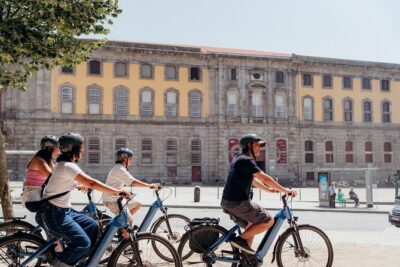
3-Hour Porto Highlights on a Electric Bike Guided Tour
Read our review →
Hills, Alfama, and Mouraria Tour by Electric Bike
Read our review →
Athens Scenic Electric Bike Tour with optional Acropolis visit
Read our review →
City Highlights 3-Hour Guided Electric Bike Tour
Read our review →
Rome EBike Tour: Appian Way, Catacombs & Roman Aqueducts
Read our review →
Top Highlights & Hidden Gems Tour by Cannondale E-Bike
Read our review →Browse the lists this tour appears in