REVIEW · BOLIVIA
From La Paz: The World’s Most Dangerous Road Biking Tour
The mountain ride ends beside a swimming pool. From La Cumbre at 4,700 meters, this full-day trip drops through cold mountain air, cloud, waterfalls, and hot tropical country to Yolosita at 1,200 meters. You cover about 64 kilometers, much of it downhill, with a professional guide team, support vehicle, food, water, and a hotel stop at the end.
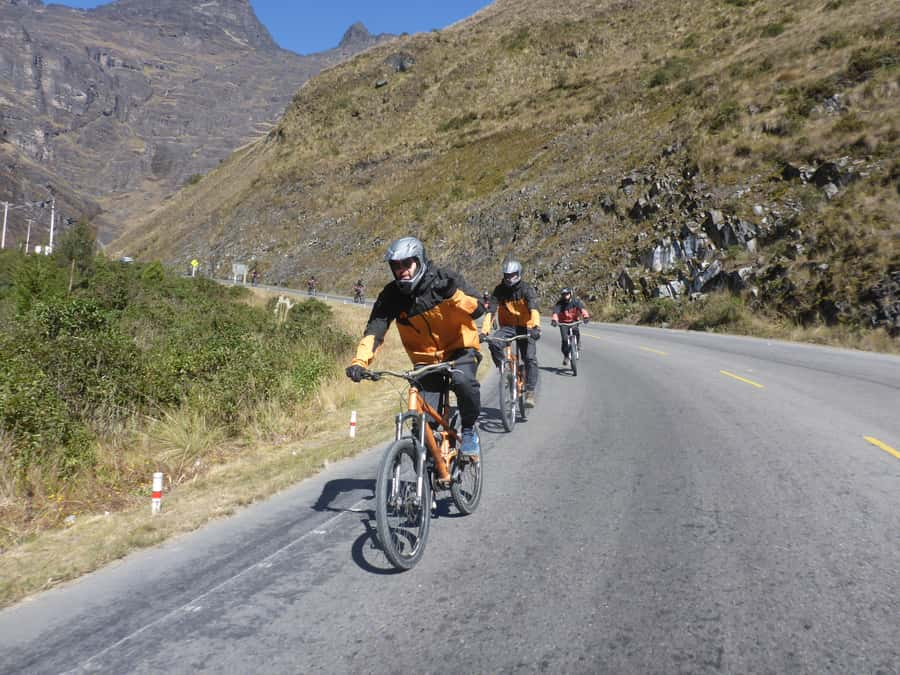
I especially like the dramatic change in scenery, from snow-covered peaks to thick green vegetation in one day. I also like the serious approach to safety: full-face helmets, pads, gloves, full-suspension bikes, hydraulic brakes, first-aid-trained guides, and qualified mechanics. The main drawback is the long transport time, especially the roughly three-hour return by bus. The ride is thrilling, but the whole day demands stamina.
I would pay close attention to guide quality when choosing a Death Road trip, and Vertigo has received strong praise for this part of the service. Guides including Victor, Freddy, Chris, Maury, Javier, and Eddy are singled out for calm instructions, good English, patience, and careful driving. That matters here. This is not a casual cycle path.
Key things to know before riding
- The route drops from 4,700 to 1,200 meters, taking you from icy high-altitude air to hot tropical weather.
- The first section is paved, giving you time to test the bike before the rougher Death Road begins.
- The ride covers about 64 kilometers, with roughly four hours set aside for the main dirt-road section.
- Safety equipment is included, along with a full-suspension downhill bike, water, snacks, and support from guides and a driver.
- The finish is comfortable, with buffet lunch, showers, a swimming pool, and time to clean up.
- You need to budget extra for the 50 boliviano Death Road tax. A zipline is also available at an additional cost.
Why Death Road is such a striking day trip
Bolivia’s Death Road is famous for its steep drop-offs, rough surface, and dramatic setting. You do not begin on the notorious dirt section. Instead, the tour starts high above La Paz, where the cold air and broad views make it clear that this is a serious change of altitude.
The day combines several experiences that rarely come together so neatly. You get a mountain bike outing, a high-altitude road trip, changing climate zones, forest scenery, and a soft landing at a hotel with food and a pool. The downhill direction helps, but you still need to steer, brake, stay alert, and handle a long day outdoors.
The tour is priced at $129 per person. That is not the cheapest activity in Bolivia, but the package includes transport, a bike, protective gear, guides, snacks, unlimited water, lunch, photos, and short videos. You are also paying for mechanics and a support vehicle, which are useful on a route where equipment and rider confidence matter.
A few more days on two wheels around the world worth a look
- Lion City Bike Tour of Singapore
★ 5.0 · 6,211 reviews - Big Bike tour Amsterdam – See all in 3 unforgettable hours
★ 4.7 · 4,929 reviews - 3-Hour Porto Highlights on a Electric Bike Guided Tour
★ 5.0 · 4,392 reviews
Leaving La Paz for Cristo de la Cumbre
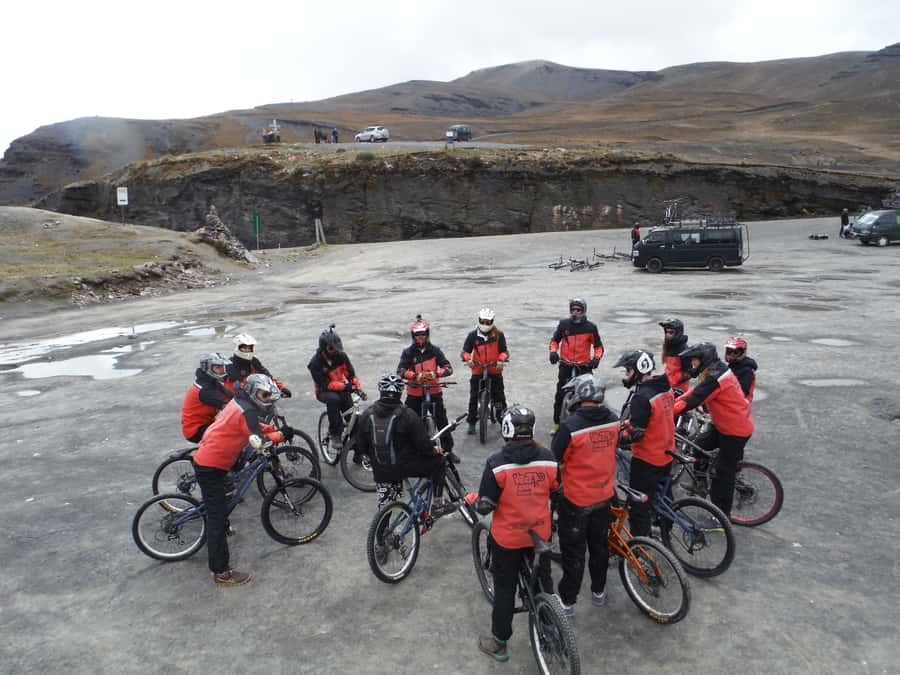
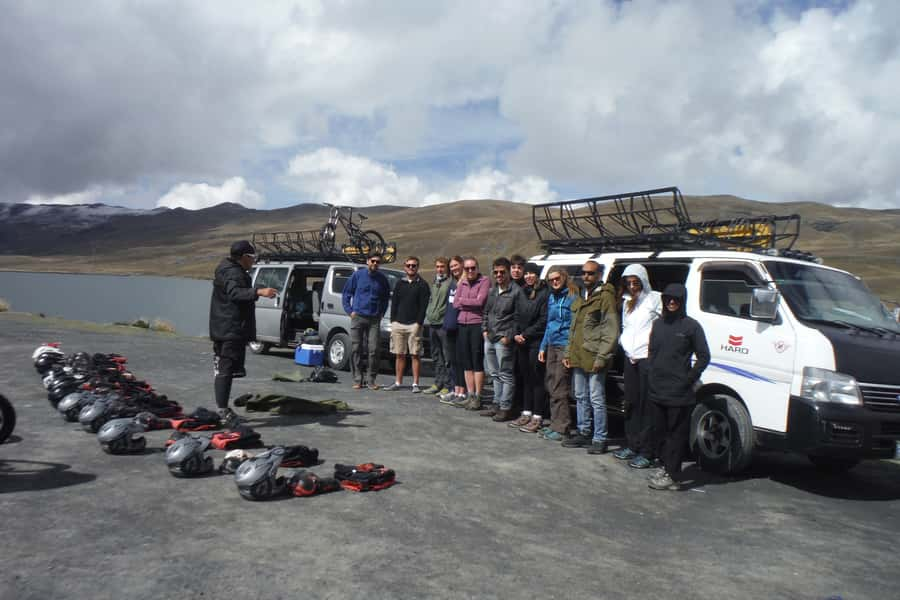
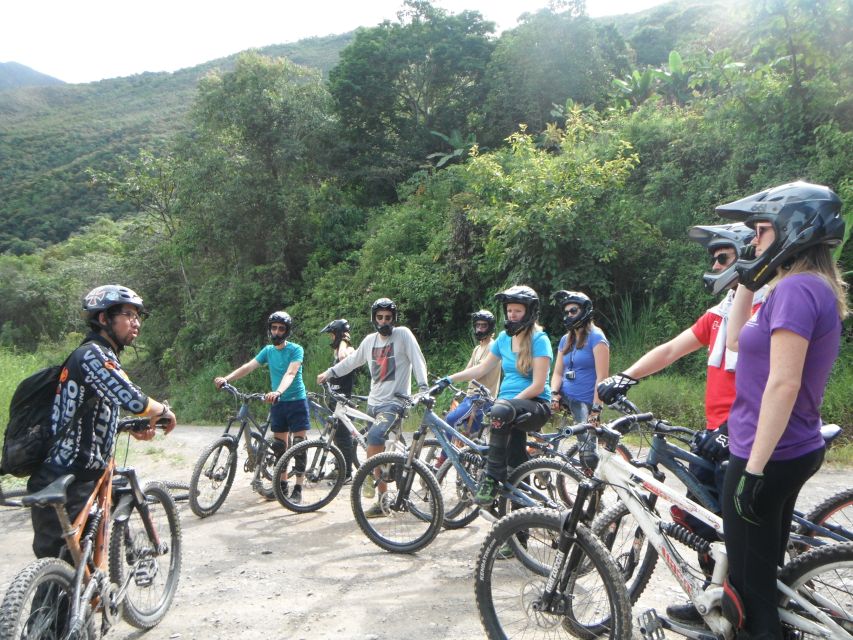
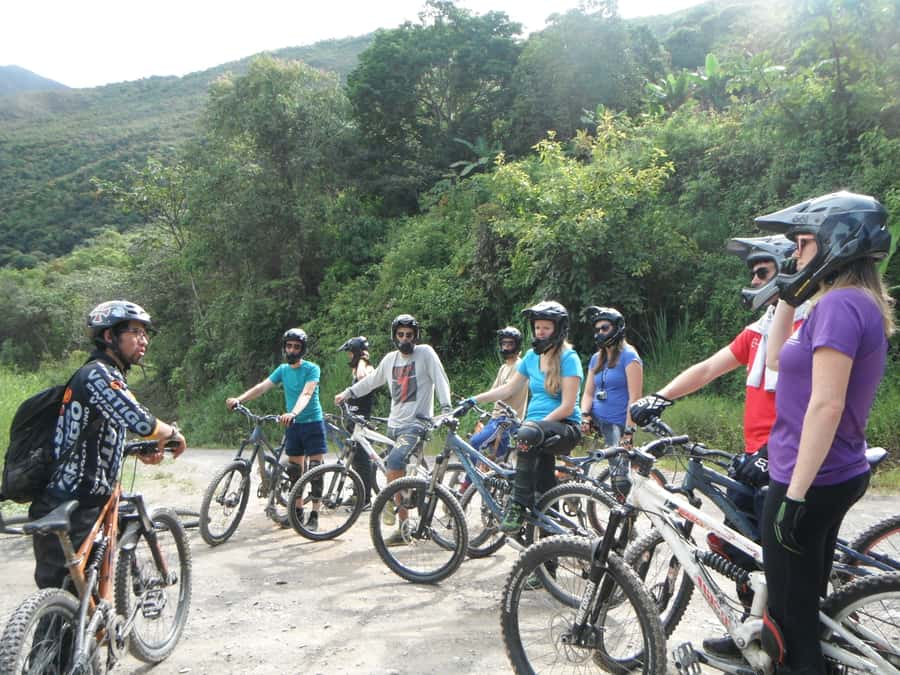
The meeting point is the Vertigo Biking office. The tour bus should be parked directly outside, which makes the early start easier to manage. The first transfer takes about 45 minutes and brings you to Cristo de la Cumbre, where the group receives a safety briefing lasting about 30 minutes.
At roughly 4,700 meters, this is the coldest part of the day. Bring warm clothing even if La Paz feels mild. The altitude can make simple tasks feel harder, and you should not rush into the ride before listening to the guide’s instructions and getting comfortable with the bike.
The guides check the bicycles and explain how to ride the route. This is an important part of the experience, not a formality. You will be using steep downhill roads, and the correct use of brakes, body position, and spacing can make the ride both safer and more enjoyable.
The provided bikes are full-suspension downhill mountain bikes with hydraulic disk brakes. They may not look brand new or high-tech, but the point is working suspension and reliable braking. One rider specifically noted that the bikes did their job well, even if they were not perfectly polished.
The paved opening gives you time to settle in
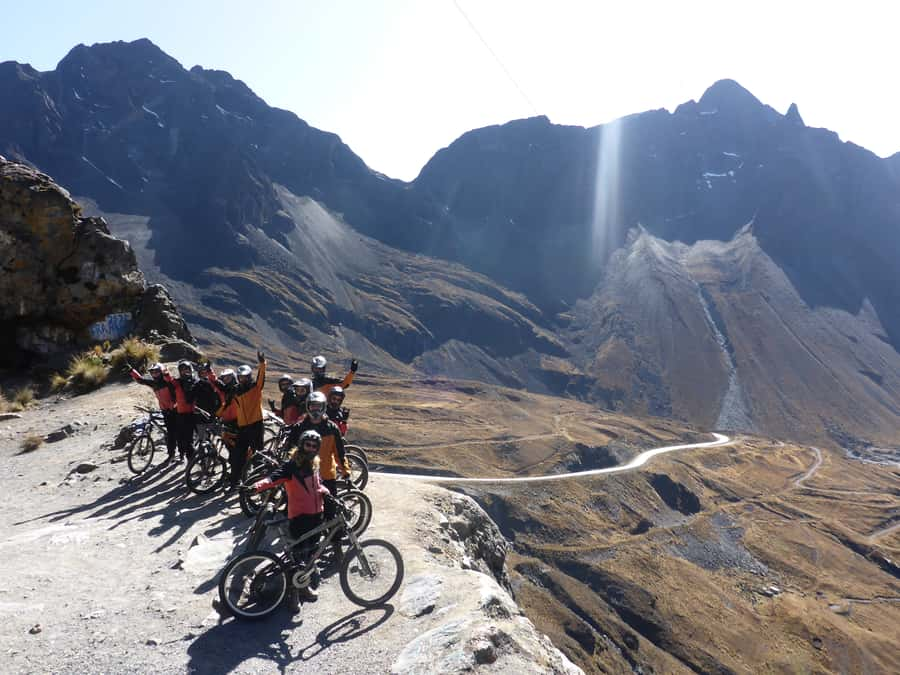
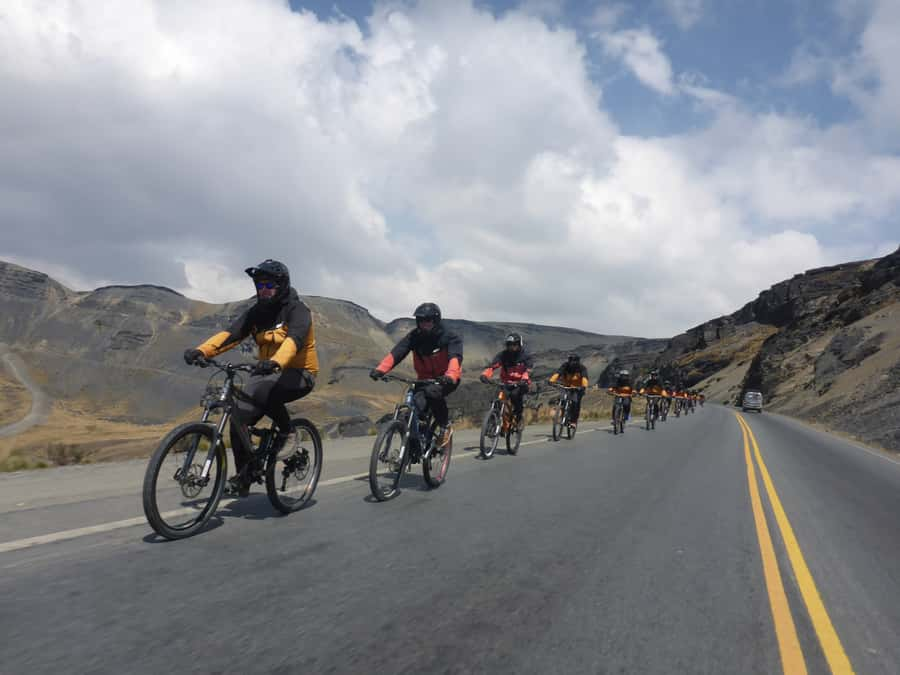
The first cycling section lasts about an hour and follows a paved road through small villages. It is a useful warm-up because you can test the brakes, pedals, seat position, and handling before reaching the rougher road.
This opening section also lets you adjust to riding downhill. You can get used to the group pace and listen to more advice from the guides. There are regular pauses for photographs, bike checks, and instructions. That may feel slow if you arrive eager for action, but it gives the staff a chance to keep the group together and catch small problems early.
The scenery here is open and high. Snow-covered peaks form the backdrop, and the air remains cold. Sunglasses and sunscreen are useful, even on a cool morning. The sun at altitude can be strong.
After this first ride, the group boards the bus for about 15 minutes. That short transfer brings you to Chuspipata, the start of the classic Death Road section.
Chuspipata marks the real start
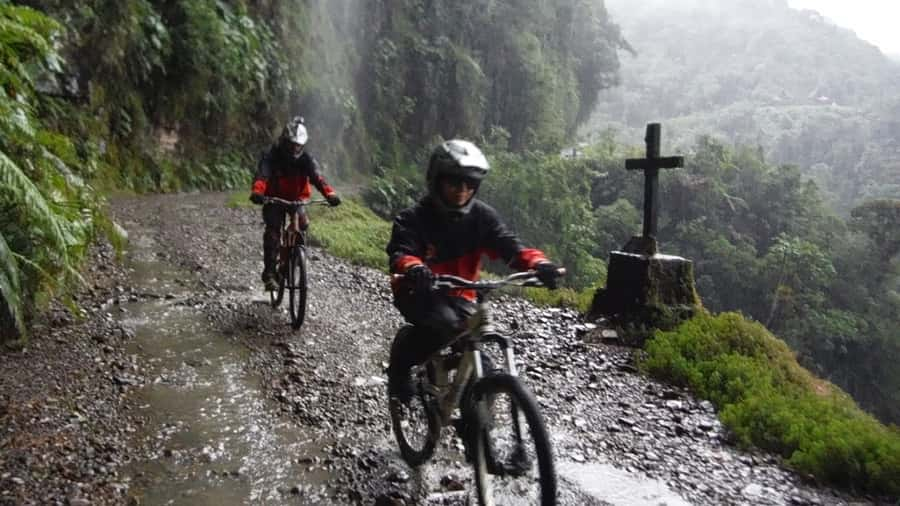
At Chuspipata, the route changes quickly. The paved surface gives way to dirt, the vegetation thickens, and low cloud or mist may drift across the road. You begin riding through a far more enclosed setting, with trees, wet surfaces, and small waterfalls along the way.
The main Death Road section lasts about four hours, including stops for photographs, safety reminders, guided riding, and breaks. It is not four hours of nonstop pedaling. Still, you should expect a substantial period on the bike, often on uneven ground and close to steep edges.
The road can be wet. You may pass beneath small waterfalls and through tiny rivers, so getting splashed is part of the deal. By the end, your clothes may be muddy and damp. This is why spare clothing, swimwear, insect repellent, and a small daypack belong on your packing list.
The best way to enjoy this part is to ride at a pace that lets you stay alert. The guides allow riders to move at their own speed within the group, according to the feedback provided, but you still need to follow their instructions and keep control of the bike. The route is not a place to show off.
Some riders find the experience challenging. One person credited guide Freddy with patient encouragement and steady support during difficult moments. That is a useful clue for anyone who is excited by the idea but unsure of their downhill cycling ability. You do not need to be a competitive mountain biker, but you must be comfortable riding a bike and managing a demanding descent.
Same roads, a different day in the saddle:
- Ninh Binh Full-Day Tour from Hanoi to Hoa Lu, Tam Coc & Mua Cave Via Boat & Bike
★ 5.0 · 4,384 reviews - Small Group Guided Bike Tour of Amsterdam’s Hidden Gems
★ 5.0 · 3,936 reviews - 3-hour Complete Prague Bike Tour
★ 5.0 · 3,674 reviews - Bangkok: Temples, Canals & Local Life Bike Tour
★ 4.9 · 3,511 reviews
Photo stops, viewpoints, and small villages
The schedule includes a 15-minute viewpoint stop, with time for photographs and sightseeing. These breaks help you take in the setting instead of focusing only on the next bend. Guides also take photos and short videos during the day, later uploading them to Dropbox.
There is another stop at a traditional village, scheduled for about 30 minutes. This adds a human element to a route that can otherwise become a blur of dirt, trees, and sharp turns. The stop includes photographs and a short guided visit.
The route’s biggest visual reward is the speed of the climate change. You begin among cold peaks and finish near the entrance to the Bolivian Amazon. The altitude difference is about 3,500 meters, and one rider described the descent as roughly 3,700 meters. Either way, it is a striking drop in a single day.
Yolosita means heat, mud, and relief
The cycling ends at Yolosita, at about 1,200 meters. The temperature is much warmer here, and you may arrive dirty, sweaty, and ready to stop thinking about bicycles for a while.
A bus transfer of about 20 minutes takes you to the lunch and rest stop. The exact schedule allows about 105 minutes for free time, food, and hotel or resort activities. This is one of the tour’s smartest features. A cold meal eaten beside the road would be a poor finish after a long ride. Here, you get a buffet lunch, a shower, and access to a swimming pool.
The pool is not just a bonus. It changes the feel of the entire day. You can rinse off road dust, cool down, change clothes, eat properly, and recover before the return journey. Bring swimwear and a change of clothes so you can make full use of this stop.
The lunch is included, along with snacks during the ride and unlimited water. That means you do not need to carry a full day’s food supply, though you should still bring cash for the extra tax and any optional zipline.
The return bus is the least exciting part
The journey back to Vertigo Biking takes about three hours by bus. This is the main practical weakness of the experience. After a physically demanding ride and a long day, three hours on the road can feel tiring.
The upside is that you do not have to cycle back up. You can rest, change clothes, and let the driver handle the route. Safety-focused driving was praised along with the guides, including specific appreciation for Freddy behind the wheel.
Your overall day includes multiple transfers, the safety briefing, about five hours of cycling split between paved and dirt sections, stops, lunch, pool time, and the long return. Do not book this as a light half-day activity. It is a full day out from La Paz.
Safety, bikes, and guide support
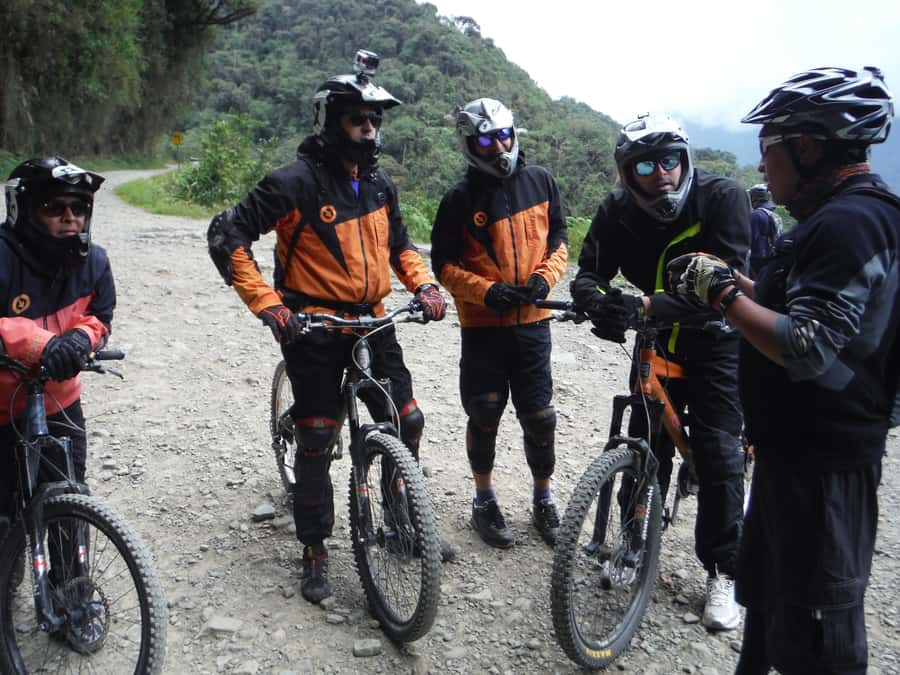
The strongest part of the tour is the attention given to equipment and supervision. You receive:
- Full-face helmet
- Elbow and knee pads
- Mountain bike gloves
- Riding pants and jacket
- Full-suspension downhill mountain bike
- Hydraulic disk brakes
- Support from bilingual guides
- First-aid-trained staff and qualified mechanics
- Private transport
- Water and snacks
Guides speak English and Spanish. Several guide names appear repeatedly in the feedback: Victor is praised for fluent English, cultural conversation, and close attention; Freddy for responsibility, encouragement, and safe driving; Chris and Maury for friendly guiding; and Javier and Eddy for allowing confident riders to enjoy the descent while keeping an eye on safety.
The team also takes photos and short videos, which are uploaded to Dropbox. That saves you from trying to manage a camera on a wet, rough road. Still, protect your phone if you carry one. Water, mud, and falls are all possible.
The activity is not suitable for pregnant women, wheelchair users, people with mobility impairments, people who cannot ride a bike, or anyone under 155 centimeters tall. You also need to bring a passport or ID card, though a copy is accepted.
Who will get the most from this ride?
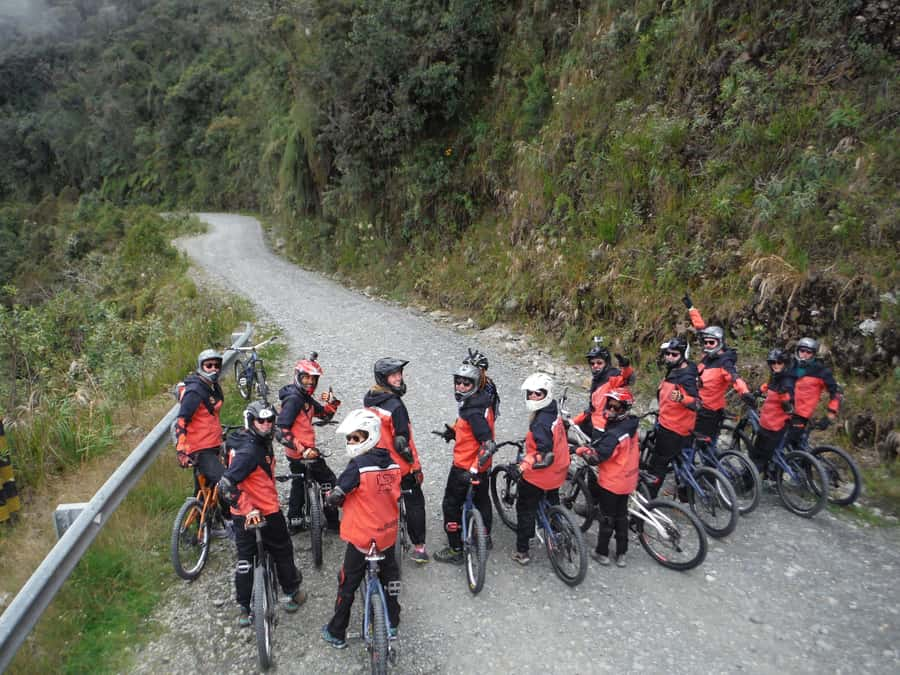
I would recommend this trip to you if you want a major outdoor day and enjoy the idea of a guided challenge. It suits riders who can handle a bicycle confidently and who are willing to follow instructions rather than race down the road.
It is also a good fit if you care about logistics. The bus, support vehicle, mechanics, food, water, photos, and end-of-day hotel stop remove much of the hassle from arranging the route yourself.
I would think twice if you dislike long vehicle transfers, get uncomfortable on rough downhill roads, or want a relaxed sightseeing day. The name is not just marketing. The surface can be difficult, the weather changes, and you need to remain focused.
Your clothing matters. Start with warm layers, then pack sunscreen, sunglasses, insect repellent, swimwear, and a complete change of clothes. A small daypack is better than a large bag, and cash is needed for the 50 boliviano Death Road tax. The zipline is optional and costs extra.
Is $129 good value?
For a full day, $129 is a fair price if you use the included services. A basic bike ride might cost less, but it would not necessarily include private transport, high-quality protective equipment, a support vehicle, mechanics, food, unlimited water, guide coverage, photographs, and a hotel stop with showers and a pool.
The price also buys reassurance. On a route like this, a bike check or a support vehicle is worth more than a souvenir. You are paying for a managed experience rather than simply renting a bicycle and finding the road yourself.
There are two extra costs to remember: the 50 boliviano Death Road tax and the optional zipline. The tax is not included in the advertised price, so keep cash ready.
Should you book the Vertigo Death Road ride?
Book it if you want Bolivia’s most famous downhill cycling experience with strong support, clear safety attention, and a comfortable finish. The guides and drivers receive the highest praise, and that is exactly where a Death Road operator earns its money.
Skip it if you cannot ride a bike, are below 155 centimeters, have mobility limits, are pregnant, or want a short and gentle excursion. Also allow for a long return by bus.
For most fit, confident cyclists visiting La Paz, this is a memorable use of one day. The combination of high Andes, misty dirt road, waterfalls, tropical heat, buffet lunch, and a swimming pool is hard to match. Just pack warm layers for the start, dry clothes for the end, and enough patience for the bus ride home.
FAQ
How much does the Death Road biking tour cost?
The tour costs $129 per person. The 50 boliviano Death Road tax is not included, and the optional zipline costs extra.
How long does the tour last?
It is a one-day experience. The schedule includes a 45-minute opening bus ride, safety briefing, cycling sections, breaks, lunch and pool time, and a return bus journey of about three hours.
Where does the tour start?
You meet at the Vertigo Biking office in La Paz. The tour bus should be parked directly outside the office.
What languages are available?
The live guides speak English and Spanish.
What equipment is included?
The tour includes a full-face helmet, riding pants and jacket, elbow and knee pads, gloves, and a full-suspension downhill mountain bike with hydraulic disk brakes.
Are food and drinks included?
Yes. You receive snacks during the ride, unlimited water, and a buffet lunch at the end.
Can I use a swimming pool after the ride?
Yes. The end stop includes time for a shower, swimming pool use, and relaxation at the hotel or resort.
What should I bring?
Bring warm clothing, sunglasses, swimwear, a change of clothes, sunscreen, insect repellent, cash, a daypack, and a passport or ID card. A copy of the passport or ID is accepted.
Does the tour require a minimum number of people?
Yes. The tour leaves with a minimum of two people. You should contact the operator to confirm that a group is scheduled for your chosen date.
Just added around the world
- Best of Copenhagen Biking Tour-3 Hours, Small Group max 10 people★ 5.0 · 22 reviews
- Urban Design and Livability E-bike Tour★ 5.0 · 18 reviews
- Garden of the Gods Original Electric e-Bike Tour★ 5.0 · 45 reviews
- Copenhagen : Highlights Private Bike Tour★ 4.5 · 20 reviews
- 3-Hour E-Bike Tour of Trail of the Silver Kings (Old Mine Tour)★ 5.0 · 18 reviews
- Gold Camp Road by E-Bike★ 5.0 · 21 reviews
- Pikes Peak & Garden of the Gods E-Bike Expedition★ 5.0 · 29 reviews
- EBIKE Mountain Adventure in Colorado Springs: Gold Camp Road★ 5.0 · 16 reviews
Tours, compared.
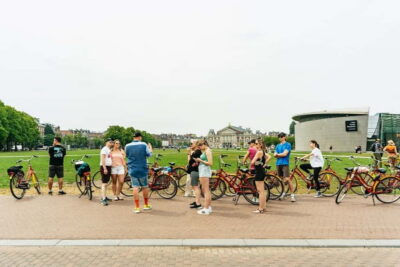
Big Bike tour Amsterdam – See all in 3 unforgettable hours
Read our review →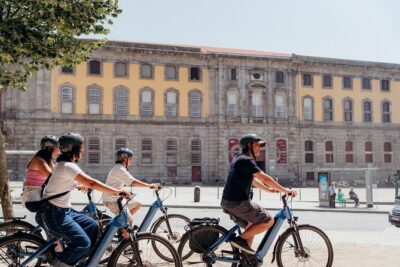
3-Hour Porto Highlights on a Electric Bike Guided Tour
Read our review →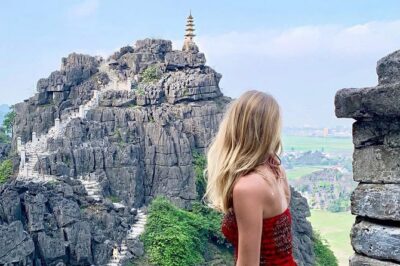
Ninh Binh Full-Day Tour from Hanoi to Hoa Lu, Tam Coc & Mua Cave Via Boat & Bike
Read our review →
Hills, Alfama, and Mouraria Tour by Electric Bike
Read our review →