
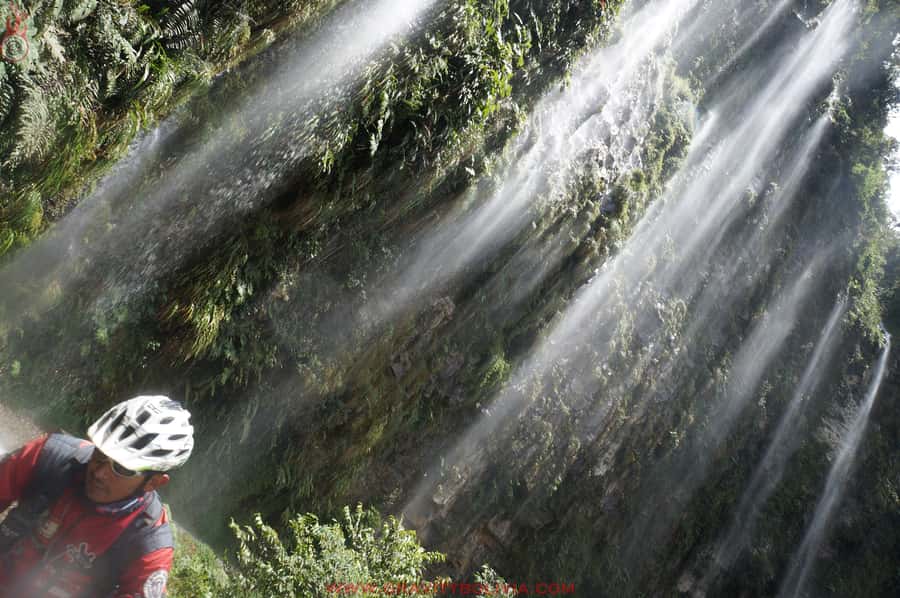
REVIEW · BOLIVIA
La Paz: Mountain Bike Down the World’s Most Dangerous Road
Hold on tight, the mountain drops fast. This one-day ride from La Paz follows 64 kilometers from snowy highlands to the steamy Yungas, with dramatic views, a serious dose of adrenaline, and a well-run support team. I especially like the excellent bikes and constant mechanical checks, plus the guides’ calm, friendly approach to safety. The finish at La Senda Verde Animal Refuge, with lunch and rescued wildlife, gives the day more purpose than a simple downhill thrill ride.
The main catch is the price: $145 per person, plus a 50-boliviano road tax. That is more than some Death Road operators charge. You also need to allow for a long day, since the return drive to La Paz can take several hours and some groups arrive back around 8:30 p.m. Still, if you want the strongest equipment, a private safety vehicle, food, photos, and close support, the higher cost makes sense.
The ride in five useful facts
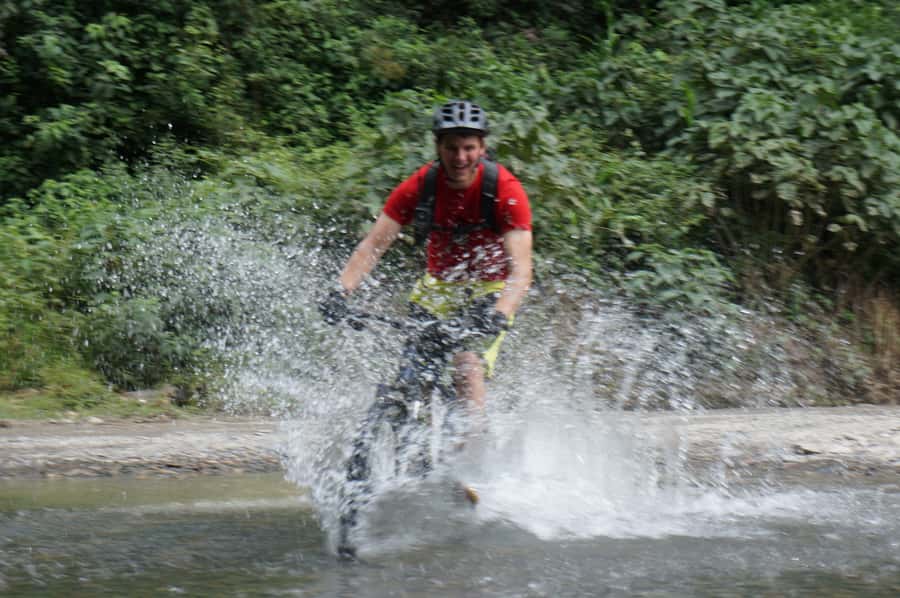
- You start at 4,700 meters at La Cumbre, where cold air, snow peaks, llamas, and alpacas set the scene before the road drops toward the Yungas.
- The route changes character several times, moving from smooth asphalt to an undulating section and then to the narrow dirt road cut into the mountainside.
- Your group is limited to 14 people, with one guide, one mechanic, and a private support vehicle following the ride.
- The bikes are full-suspension downhill models with hydraulic disc brakes, and the team checks tires and brakes during the regular stops.
- You finish at La Senda Verde Animal Refuge, where lunch, a hot shower, and rescued animals make a welcome ending to a dusty day.
Why Gravity is worth considering at $145
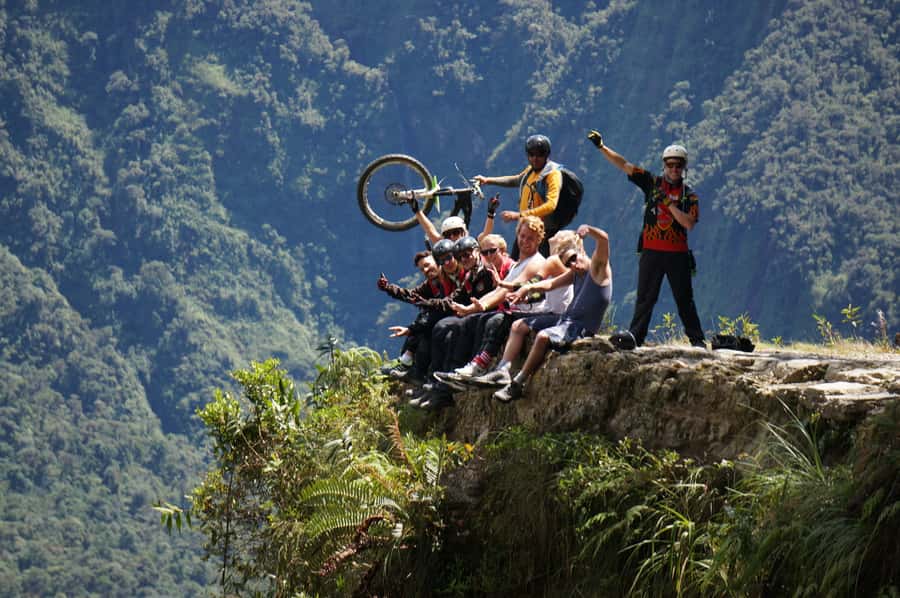
Death Road is not a quiet scenic cycle. It is a controlled adventure on a road with cliffs, loose dirt, mist, traffic concerns, changing weather, and plenty of places where a mistake could matter. Your choice of operator is important here.
Gravity Bolivia charges more than some competing companies, but the package includes far more than a bike and a guide. You get transport from La Paz, breakfast at Café del Mundo, protective clothing, a helmet, gloves, elbow and knee pads, snacks, unlimited water, a private safety vehicle, a mechanic, lunch, sanctuary admission, and hundreds of photographs shared afterward.
I see the mechanic on every tour as one of the most valuable inclusions. The guides stop at several points while you rest, enjoy the views, or catch your breath. During those breaks, the team checks the bikes. Several riders specifically praised the condition of the bikes and the repeated attention to brakes and tires.
The equipment is built for the job. Full suspension helps on the rough dirt sections, while hydraulic disc brakes give you better control on steep, uneven ground. You still need to ride carefully, but you are not being sent down a notorious road on tired rental bicycles.
The group size also matters. Fourteen is small enough for instructions to be heard and for the guide to keep track of everyone. The support vehicle stays with the group, carrying spare equipment and offering a place to sit if your hands, legs, confidence, or weather tolerance give out.
More Mountain Bike Tours in the world:
- From Ubud: Downhill Bike Tour with Rice Terraces and Meal
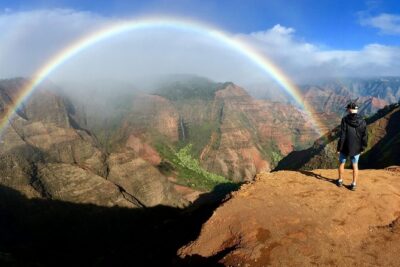
★ 4.9 · 664 reviews - Waimea Canyon Downhill Bike Ride
★ 5.0 · 650 reviews - Chiang mai Hike & Downhill Bike Adventure –Suthep National Park
★ 4.5 · 204 reviews
Breakfast at Café del Mundo and the early mountain climb
The day begins outside Café del Mundo, the meeting point in La Paz. Breakfast is included, with meat, eggs, ham and cheese, vegetarian, and vegan choices. It is a practical start because you need energy before the long descent, and the meal is more substantial than a quick piece of toast.
From there, you drive up toward La Cumbre. The shift from La Paz’s high-altitude city to the open mountain pass is quick and striking. At 4,700 meters, the air is cold and thin. You can see snow-covered Andean peaks, and the road feels far removed from the warmer forest you will reach later.
You should bring warm clothes even if the forecast in La Paz looks pleasant. At the start, you may use the provided cold and wet weather jacket and pants. Sunglasses and sunscreen are also important, since high-altitude sun can be strong even when the air feels chilly.
The guides give instructions before the riding begins. The team includes English and Spanish speakers, and the guides explain what to expect on each section. Names frequently praised by riders include Damien, Kenny, Noel, Ruben, Damian, Kenneth, and Abel, though your assigned team will depend on the day.
The first sight of the route can make your stomach tighten. That is normal. The point is not to win a race. You can ride at a speed that feels manageable, and the bus follows the group so you can get on at any stage.
The first 20 kilometers: fast asphalt and huge Andean views
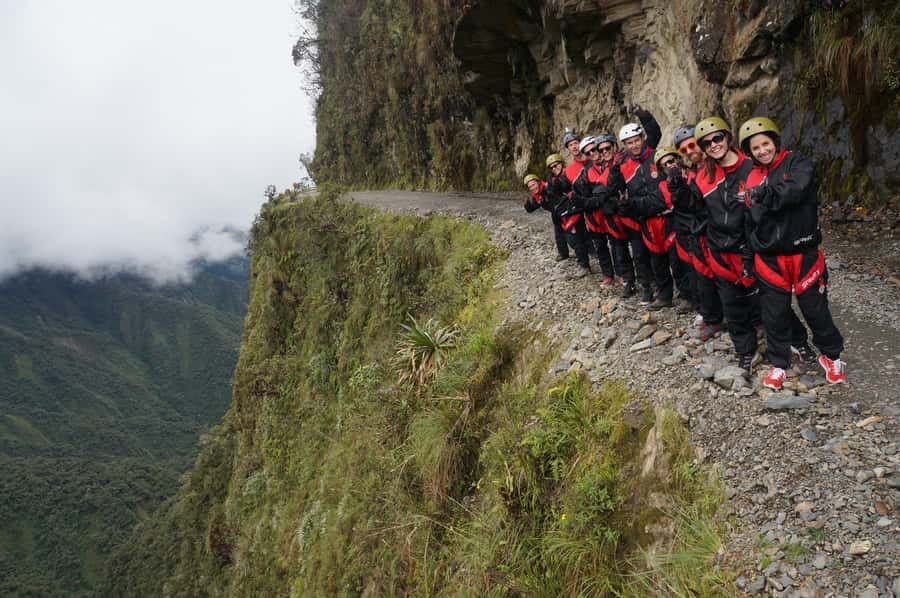
The opening descent runs along asphalt. It is faster and smoother than the dirt road later in the day, but you still need to stay alert. The road twists through high mountain scenery, with cliffs, broad views, tiny settlements, grazing llamas and alpacas, and changing weather.
This section helps you get used to the bike. You learn how the brakes feel, how the suspension responds, and how much speed you want to carry into bends. The guides point out the next section, explain road conditions, and gather the group at regular stops.
I like the way the pauses break up the ride. You get time to take photos, drink water, eat a snack, and rest your hands. The guides also use these stops for bike checks and safety briefings. That rhythm is better than charging nonstop toward the bottom.
The scenery changes as you lose altitude. The cold, bare mountain environment gives way to greener slopes. Cliffs become more dramatic, and the air gradually feels less punishing. You can enjoy the views without needing to pedal hard, since much of the route is a freewheeling descent.
Do not confuse easy pedaling with an easy day. Braking, steering, gripping the handlebars, and staying focused for hours can tire you out. If you are new to mountain biking, tell the guide early. The team has helped people with little mountain-bike experience, but you still need to be able to ride a bike and control it.
The famous dirt road and its 2,000-meter drop
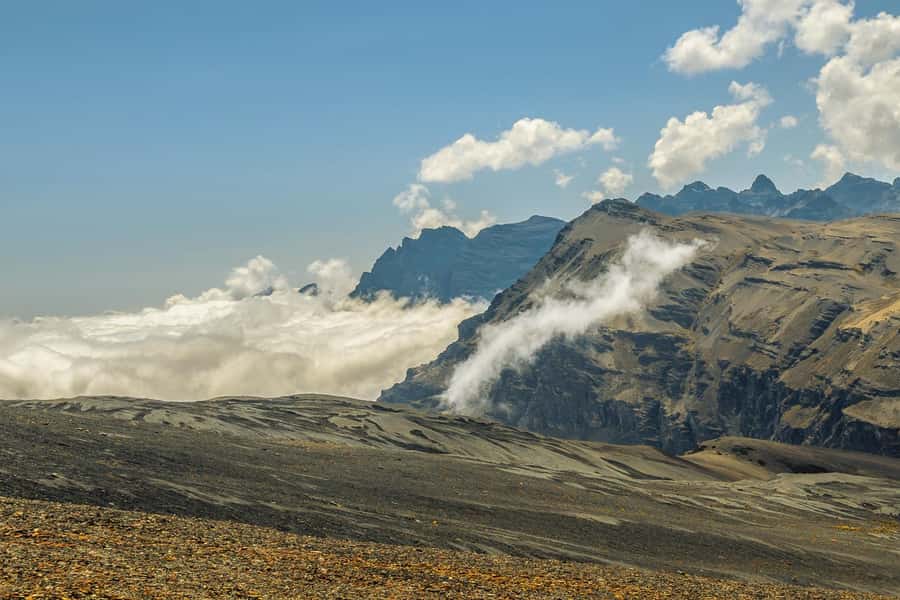
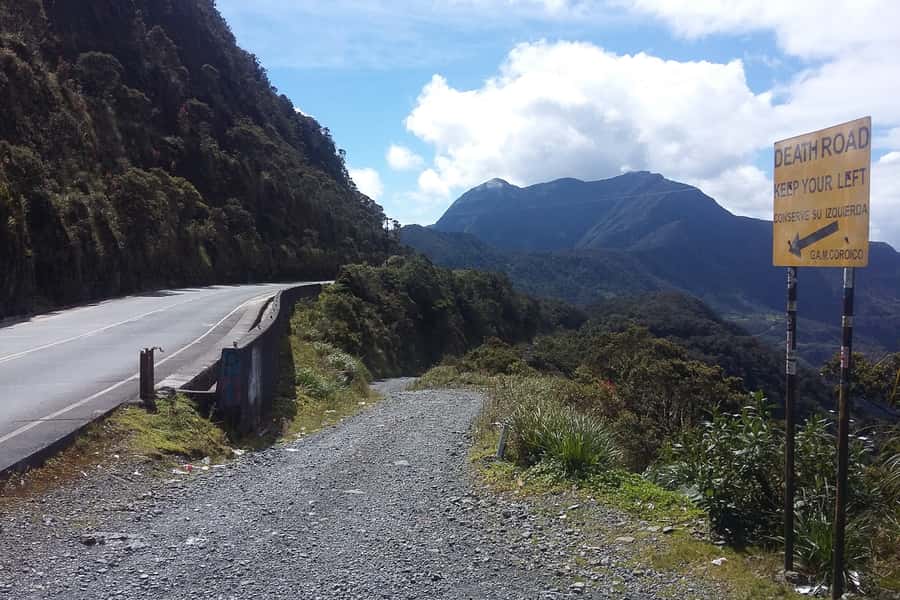
The most famous section begins after the paved mountain road. The dirt road is narrow, rough, and cut into the mountainside. It descends about 2,000 meters through mist, low cloud, dust, and increasingly warm air.
This is the part that gives Death Road its reputation. The road hugs steep mountain walls, and the drop beside you can be severe. You may find yourself balancing excitement with a very practical thought: stay focused, keep your speed under control, and follow the guide’s instructions.
The surface changes under your tires. Some parts are dusty, some rough, and some can be wet or slippery in poor weather. Rain and snow are possible near the upper sections, while the lower road can become hot and dusty. A change of clothes is not optional in spirit, even if you manage to stay upright and relatively clean.
Your guides ride with the group and explain the next stretch at each stop. That advance warning makes a real difference. You are not asked to guess what lies around the next bend. The support vehicle stays behind the riders, and you can use it at any point if you need a break or decide that a section is not for you.
The guide can also put you on the bus if safety requires it. That is worth understanding before you start. Getting on the bus is not a failure. It is part of the safety system, and it protects you and the rest of the group when fatigue, weather, mechanical trouble, or nerves become a problem.
One important practical point: this is not a place to prove your bravery. Some riders enjoy the faster sections, while others take a slower line and stop more often. Both approaches are valid. The road offers enough excitement without turning the day into a contest.
A few more days on two wheels around the world worth a look
- Lion City Bike Tour of Singapore
★ 5.0 · 6,211 reviews - Big Bike tour Amsterdam – See all in 3 unforgettable hours
★ 4.7 · 4,929 reviews - 3-Hour Porto Highlights on a Electric Bike Guided Tour
★ 5.0 · 4,392 reviews - Ninh Binh Full-Day Tour from Hanoi to Hoa Lu, Tam Coc & Mua Cave Via Boat & Bike
★ 5.0 · 4,384 reviews
Photos, snacks, and the value of the support vehicle
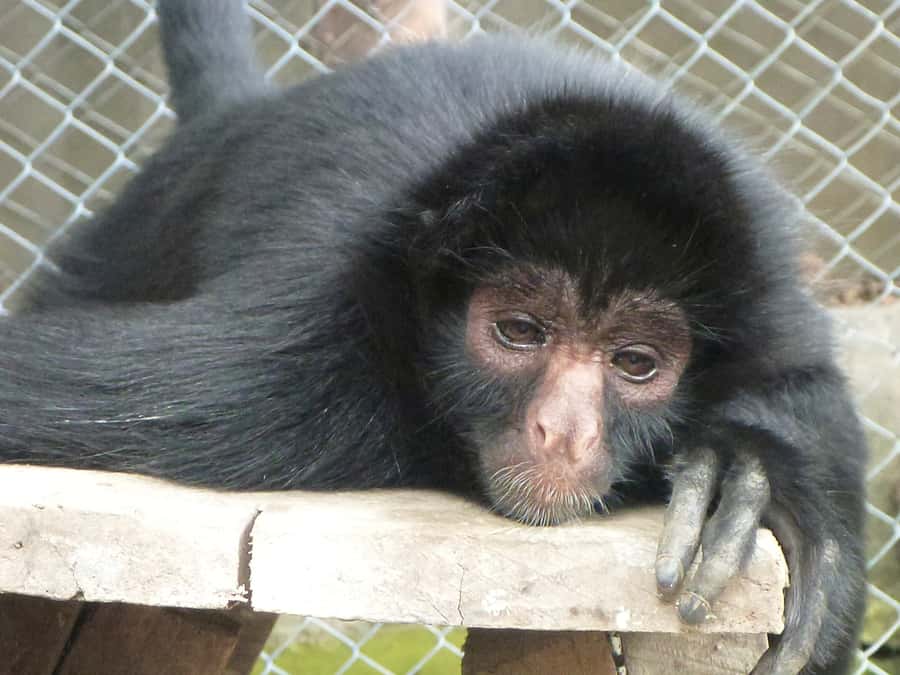
The tour includes two snacks, unlimited water, and a buff that you keep. You should still carry a small daypack with sunscreen, insect repellent, cash, identification, and dry clothing.
A guide takes photos and videos during the ride, so you do not have to pull out your phone near a cliff edge. The package includes hundreds of images uploaded and shared afterward. That is a useful benefit because the best riding moments are also the times when you should keep both hands on the handlebars.
The private vehicle is more than a luggage van. It follows the group, provides a safety backup, and gives you a way to change clothes or rest. One rider described using it to get water and swap clothing during the day. That flexibility makes the tour more approachable for people who are fit enough for a long day but not keen to remain on the bike every minute.
The vehicle also adds peace of mind for friends or family who worry about the road’s name. Death Road is still dangerous, but good procedures reduce avoidable risk. Gravity’s system of guides, mechanic, equipment checks, helmets, pads, and support transport is the reason I would choose a serious operator rather than the cheapest option.
Yolosa and La Senda Verde Animal Refuge
The ride finishes at Yolosa, around 3,500 meters lower than the start. By then, you can expect to be hot, dusty, tired, and pleased to have made it down.
The nearby La Senda Verde Animal Refuge gives the day a gentle change of pace. You have a buffet lunch, drinks and time to look around the refuge. Hot showers, shampoo, and towels have also been available to riders, which is welcome after the dust and sweat of the dirt road.
The refuge cares for animals rescued from the black market and illegal pet trade. Depending on what is available to see, you may encounter monkeys, an Andean spectacled bear, capybaras, birds, and other native animals. The sanctuary is not just decoration at the end of the ride. Your entry helps support its rescue work.
This stop is especially useful because it lets the day end with something quieter and more meaningful. You are not simply dropped beside a road after finishing the descent. You can eat, clean up, see the animals, and let your body recover before the return journey.
There is an optional zipline available for an extra charge, but it is not included. You may also find that the sanctuary stop makes the day longer than expected. The ride itself is only part of the schedule, and the bus journey back to La Paz can take about three hours.
How demanding is the Death Road ride?
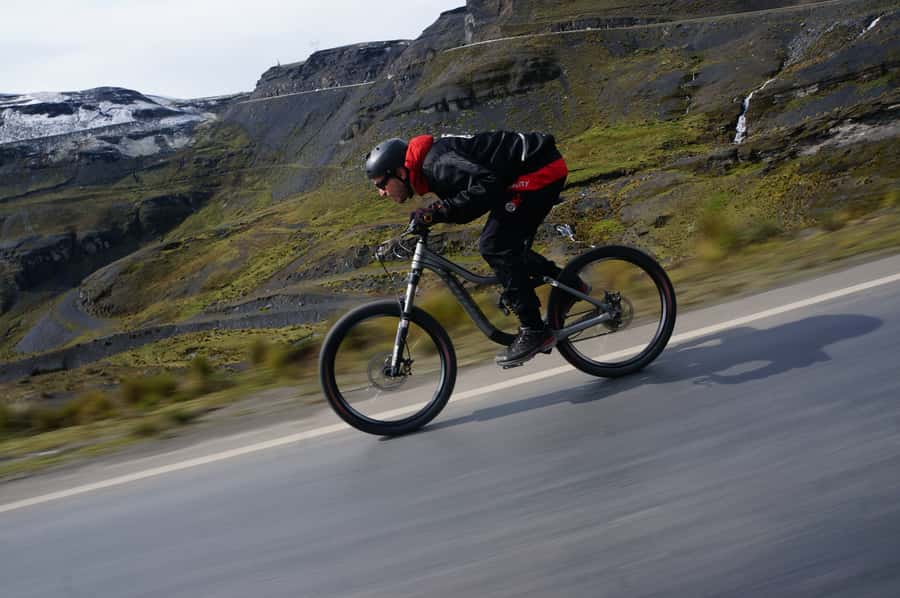
You do not need advanced mountain-bike experience, but you do need to ride a bicycle confidently. The guides can coach beginners and help you choose a comfortable pace, yet they cannot remove the physical and mental demands of the route.
The main strain comes from concentration and braking rather than constant pedaling. Your hands may feel tired, and the long descent can leave your body worn out by the end. Some riders found the day a major personal challenge, while others described it as manageable because the group stopped often.
You should not book this if you cannot ride a bike, have a mobility impairment, use a wheelchair, or are pregnant. The tour is also not suitable for children under 120 centimeters tall.
Bring hiking shoes or other secure footwear. Wear layers, and keep your warm clothing accessible rather than buried at the bottom of your bag. You will move from cold high-altitude air to much warmer forest conditions, so the clothing that feels right at La Cumbre may be entirely wrong at Yolosa.
The long return to La Paz
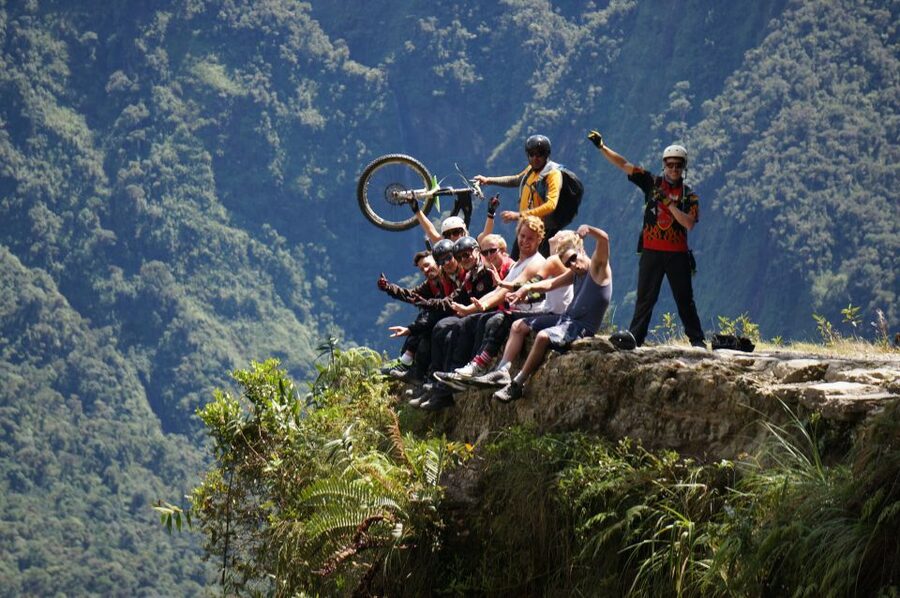
The return drive is the least glamorous part of the day. After lunch, the refuge, and a shower, you load back into the vehicle for the journey uphill and then toward La Paz.
Some riders arrived back around 8:30 p.m., and one found the three-hour return frustrating because it made the day feel longer. You should plan nothing important for the evening. If you are catching a bus, flight, or other tour the next morning, leave yourself plenty of rest.
Still, the late return is part of the trade-off for ending at La Senda Verde rather than finishing immediately at the bottom of the road. The sanctuary, meal, and shower add real value, but they also add time.
Who will get the most from this tour?
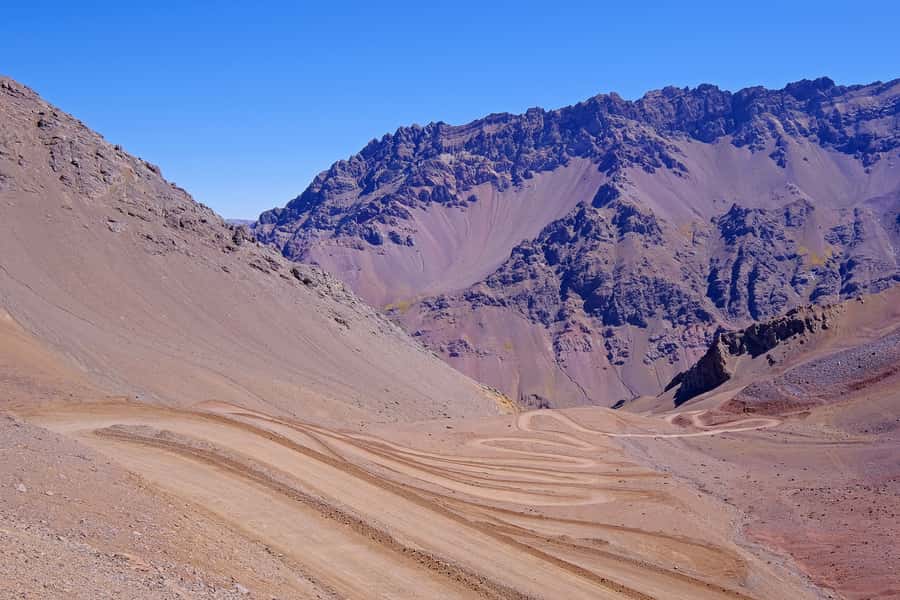
I would choose this trip if you want a carefully supported adventure rather than a bare-bones ride. It suits you especially well if you value good equipment, frequent checks, strong communication, photos, food, and the option to step into the support vehicle.
It is also a good fit for a mixed-ability group. Everyone can ride at a personal pace, and less confident riders are not forced to match the fastest person. The guide may move someone onto the bus if needed, which keeps the day safer for everyone.
I would think twice if your budget is tight, if you dislike long vehicle journeys, or if you want a short activity that ends by mid-afternoon. The road itself is thrilling, but the full day includes transfers, meals, stops, and the sanctuary visit.
Should you book Gravity Bolivia?
Yes, if safety and equipment matter more to you than finding the lowest price. Gravity’s $145 rate covers the items that can make this kind of ride comfortable and controlled: a high-quality downhill bike, protective gear, a mechanic, a private vehicle, food, water, photos, and a small group.
I would book it for a first Death Road attempt, particularly if you are nervous about the reputation of the route. You still need courage, attention, and a reasonable level of fitness, but the staff make the challenge feel organized rather than reckless.
Choose another plan if you cannot ride a bike, need a short day, or do not want to spend extra for a full-service operation. For everyone else, the combination of mountain scenery, a famous dirt-road descent, and La Senda Verde’s rescued animals makes this one of La Paz’s strongest day trips.
FAQ
How much does the Death Road bike tour cost?
The tour costs $145 per person. A 50-boliviano road tax is not included.
How long does the experience last?
It is a one-day activity. The return to La Paz can take several hours, and some riders arrived back around 8:30 p.m.
Where is the meeting point?
Meet outside Café del Mundo in La Paz.
What languages do the guides speak?
The live guides speak English and Spanish.
How large is the group?
The group is limited to 14 participants. Each group has one guide, one mechanic, and a private safety vehicle.
What equipment is included?
You receive a full-suspension downhill mountain bike with hydraulic disc brakes, a helmet, cold and wet weather clothing, elbow and knee pads, gloves, and a buff to keep.
Can I stop riding during the tour?
Yes. The support bus follows the group, and you can get on it during the tour. The guide may also place you on the bus for your own safety or the safety of the group.
Just added around the world
- Best of Copenhagen Biking Tour-3 Hours, Small Group max 10 people★ 5.0 · 22 reviews
- Urban Design and Livability E-bike Tour★ 5.0 · 18 reviews
- Garden of the Gods Original Electric e-Bike Tour★ 5.0 · 45 reviews
- Copenhagen : Highlights Private Bike Tour★ 4.5 · 20 reviews
- 3-Hour E-Bike Tour of Trail of the Silver Kings (Old Mine Tour)★ 5.0 · 18 reviews
- Gold Camp Road by E-Bike★ 5.0 · 21 reviews
- Pikes Peak & Garden of the Gods E-Bike Expedition★ 5.0 · 29 reviews
- EBIKE Mountain Adventure in Colorado Springs: Gold Camp Road★ 5.0 · 16 reviews
Mountain Bike Tours, compared.
Chiang mai Hike & Downhill Bike Adventure –Suthep National Park
Read our review →
Guided Mountain Bike Tour of Mustang Trail in Red Rock Canyon
Read our review →
3 Hour Sonoran Desert Private Guided Mountain Bike Tour
Read our review →
Suthep National Park Hiking & DH Mountain Biking
Read our review →
Half-Day Self-Guided Mountain Bike Journey through Whakarewarewa Redwood Forest
Read our review →Browse the lists this tour appears in