
REVIEW · BRAZIL
São Paulo: Downtown Historical Bike Tour
See São Paulo before the traffic sees you. This three-hour ride connects Paulista Avenue, Copan, Sé Cathedral, Liberdade, and the old center in one useful sweep. I especially like the small groups of up to 10 and the thoughtful café start at Portinha183, where iced mate and pão de queijo set the tone. The main consideration is effort: you cover about 9 to 12 miles, and some streets can be busy or mildly steep.
I also like how the tour mixes grand sights with ordinary city life. You get Oscar Niemeyer’s Copan Building, the Japanese streets of Liberdade, Luz Park, and the city’s oldest colonial site, rather than seeing only polished postcard stops. Guides such as Juliana, Arthur, Pedro, Roberto, and Jefferson have earned praise for their history stories and careful traffic handling, though the $85 price feels high if you only want a quick ride.
Why this São Paulo bike tour earns attention
- A 9 to 12-mile city overview: Cover several major districts in three hours, far faster than walking between them.
- Portinha183 is part of the experience: Start and finish at a cyclist-friendly café near Ana Rosa station, with coffee, iced mate, pão de queijo, and a snack afterward.
- The route links old and new São Paulo: Move from Paulista Avenue’s museums and parks to Copan, the Municipal Theater, Sé, and Pátio do Colégio.
- Bike lanes help with city traffic: Much of the ride uses cycling paths, though you still need to watch cars, pedestrians, crossings, and traffic lights.
- Guides add local context: Arthur, Juliana, Pedro, Roberto, Jefferson, Lucas, and others are praised for explaining history, music, politics, society, and architecture.
- The ride suits adults and older teens: Cycling ability is essential, and children under 13 cannot join.
Starting at Portinha183 near Ana Rosa
The tour begins at Portinha183 Café on Rua França Pinto, 183, in Vila Mariana. The café is about five minutes from Ana Rosa Subway Station, served by São Paulo’s blue and green lines. That makes the meeting point fairly easy to reach without arranging a taxi across town.
Arrive 10 minutes early. You can settle in, meet the guide, and get ready before the group rolls out. Bike rental, helmet, water bottle, and a raincoat if needed are included. The staff also provide iced mate tea and pão de queijo before or after the ride, plus a small souvenir.
I like this setup because it gives you a gentle start. You are not grabbing a bike on a street corner and immediately entering São Paulo traffic. The guide can check the bikes, and you can ask early questions about pace and the route.
The tour is offered in English, Spanish, and Portuguese. The group limit is 10 people, and some departures may feel even more personal if fewer people book. Bring sunscreen, comfortable clothing, and a phone or camera. Keep your device secure when stopped and while riding, since this is still a major city.
More Heritage and Temple Bike Tours in the world:
- Bangkok: Temples, Canals & Local Life Bike Tour
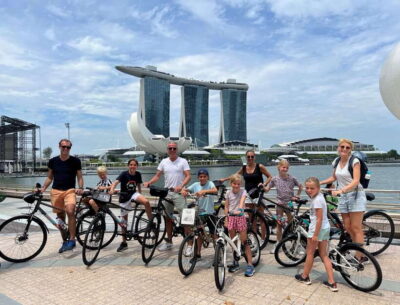
★ 4.9 · 3,511 reviews - Historical Singapore Bike Tour on Full-Sized Bicycles
★ 5.0 · 1,421 reviews - Barcelona: 2.5-Hour Bike or E-Bike Historical Tour
★ 4.5 · 1,262 reviews
Paulista Avenue, Casa das Rosas, and MASP
Paulista Avenue is a strong opening stretch. It is one of São Paulo’s best-known avenues, lined with major cultural buildings, offices, shops, and public spaces. On a bike, you get a broad sense of how the city works instead of seeing one short section on foot.
The route includes Casa das Rosas, a preserved French-style mansion now used as a cultural center. It offers a sharp contrast to the towers around it. This is one of those stops that helps you read São Paulo as a city of different periods layered together.
Next comes the São Paulo Museum of Art, usually called MASP. Its bold structure is one of the city’s most recognizable pieces of modern architecture. The tour is designed around photo stops, so you should expect to admire the building from outside rather than spend time inside its art collection.
That distinction matters. If your main reason for coming is MASP’s galleries, you will need a separate visit. Here, the value is seeing the museum in the larger setting of Paulista Avenue and hearing why it matters to São Paulo.
Trianon Park and Augusta Park bring breathing room
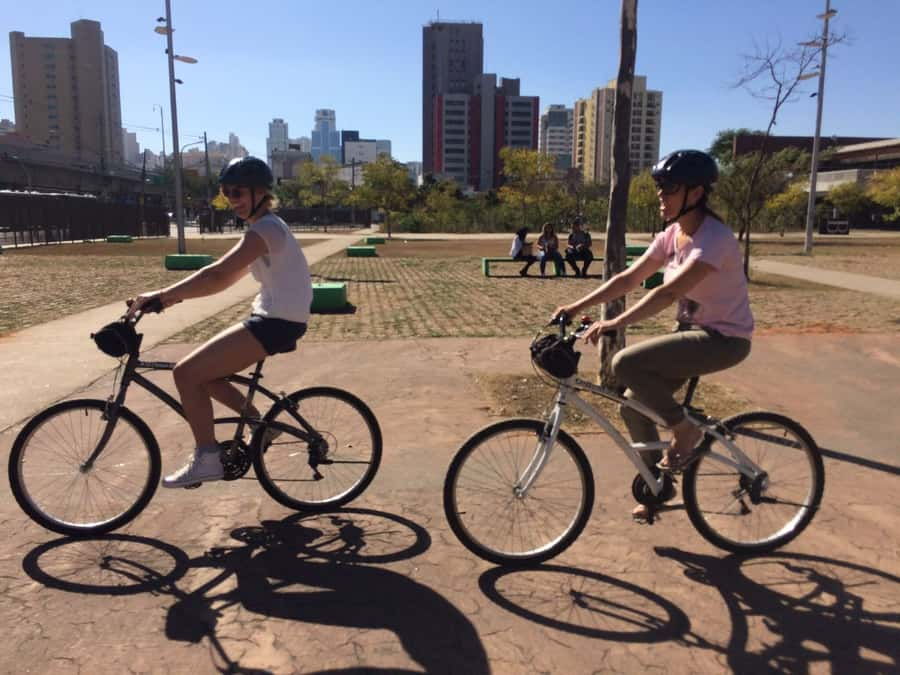
Trianon Park gives the ride a change of pace. This green pocket beside Paulista Avenue offers shade and a break from the hard surfaces and tall buildings. The planned stop lasts about 20 minutes, enough to pause, take pictures, drink water, and listen without trying to pedal and absorb a lecture at the same time.
Augusta Park adds another city park to the route. Its appeal is the meeting of nature and urban life, with nearby buildings and streets framing the trees. You get a better sense of how São Paulo residents use public space for rest and recreation.
The parks also make the ride less tiring. Three hours on a bicycle is not a race, but repeated stops help. Guides have been praised for watching the group’s pace and reminding people to drink. That kind of simple care matters more than a long speech when the heat rises.
São Paulo weather can shift. One experience began with rain and ended at 32 C, so the supplied raincoat may prove useful. Still, bring your own sunscreen and dress for movement rather than style. You will be more comfortable in light, practical clothes.
Copan Building and the city center’s grand stage
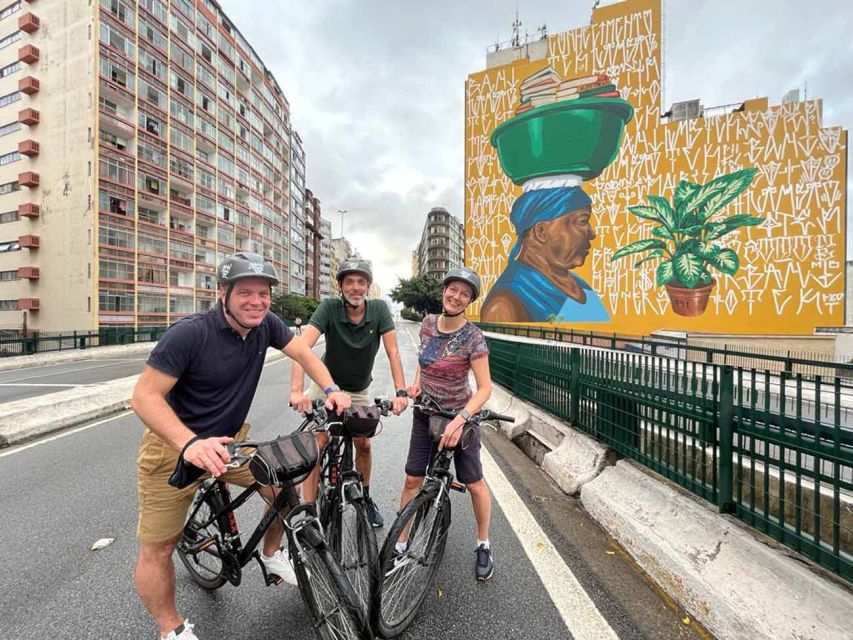
The ride then turns toward downtown and the Copan Building, Oscar Niemeyer’s famous modernist apartment block. Its sweeping form is very different from the formal façades around it. The building and surrounding streets are especially good for understanding São Paulo’s mid-century confidence and dense urban character.
One guide, Pedro, made such an impression on a participant that the Copan area became a return visit later. That is a useful clue about the stop: it is not merely a quick photograph. The building gives you a memorable anchor for exploring downtown on your own.
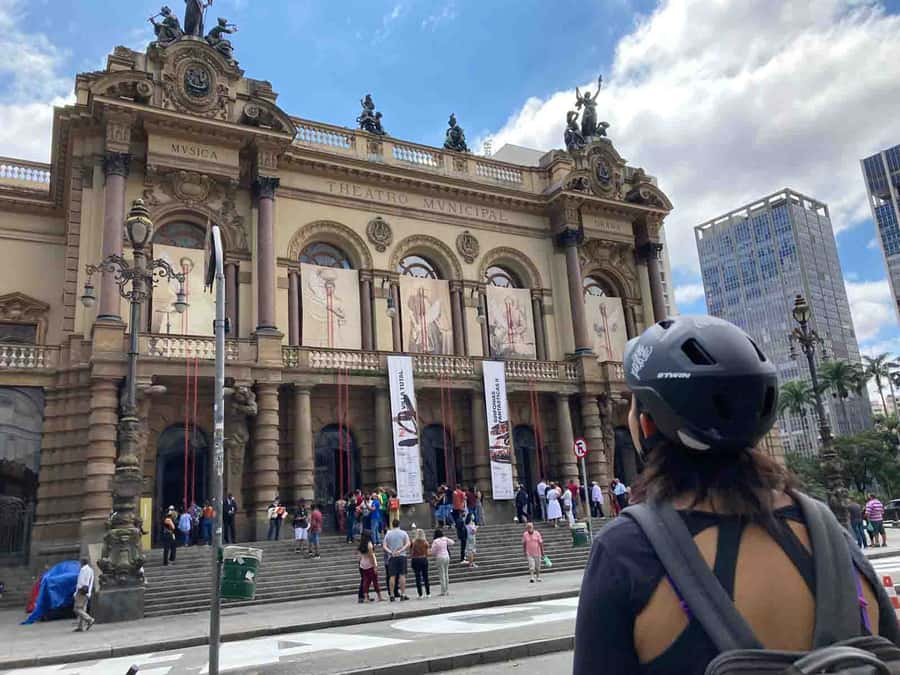
The Municipal Theater brings a different mood. Inspired by European architecture, it has an ornate exterior and a strong presence around Praça Ramos de Azevedo. The square is a natural place to stop and look up. If you have been focused on bike lanes and traffic, this pause lets you take in the architecture properly.
From there, the route reaches Vale do Anhangabaú. This broad historic area has hosted major political and cultural events. A guide can help connect its open space to São Paulo’s public life, which is more useful than simply hearing dates and names.
Expect the center to feel less orderly than Paulista Avenue. Cars, pedestrians, uneven activity, and social problems are part of what you may see. Jefferson received particular praise for explaining poverty and wider social issues without brushing them aside. That makes the ride more honest, but it also means this is not a sanitized sightseeing loop.
A few more days on two wheels around the world worth a look
- Lion City Bike Tour of Singapore
★ 5.0 · 6,211 reviews - Big Bike tour Amsterdam – See all in 3 unforgettable hours
★ 4.7 · 4,929 reviews - 3-Hour Porto Highlights on a Electric Bike Guided Tour
★ 5.0 · 4,392 reviews - Ninh Binh Full-Day Tour from Hanoi to Hoa Lu, Tam Coc & Mua Cave Via Boat & Bike
★ 5.0 · 4,384 reviews
Luz Station, Pinacoteca, and Luz Park
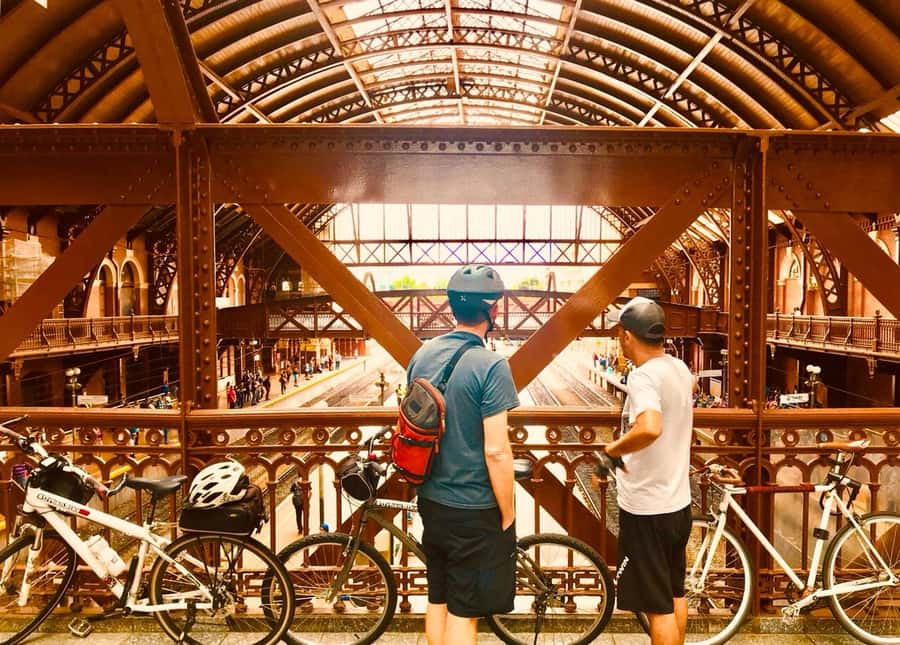
Luz Station shifts the story back to the late 19th century. Its grand railway architecture recalls the importance of rail connections to São Paulo’s growth. You will have time for a photo stop rather than a full station tour, but the exterior alone adds useful scale to the city’s past.
Nearby, the Pinacoteca is one of Brazil’s leading art museums. Again, the bike tour focuses on seeing the building and surrounding area, not on an extended gallery visit. If Brazilian art is high on your list, note the museum and return later with several hours available.
Luz Park gives the group a calmer pause. The route pairs the park with the station and Pinacoteca, so you see how culture, transport, public gardens, and city streets sit side by side. I like this section because it prevents the tour from becoming a checklist of only famous façades.
The Santa Ifigênia Viaduct offers one of the better views across the historic center. Bring a camera, but keep your attention on the bike and the group while moving. Arthur was praised for taking photos and videos safely with his phone rather than distracting himself while riding, which is exactly the habit you want from a guide.
Pátio do Colégio and Sé Cathedral
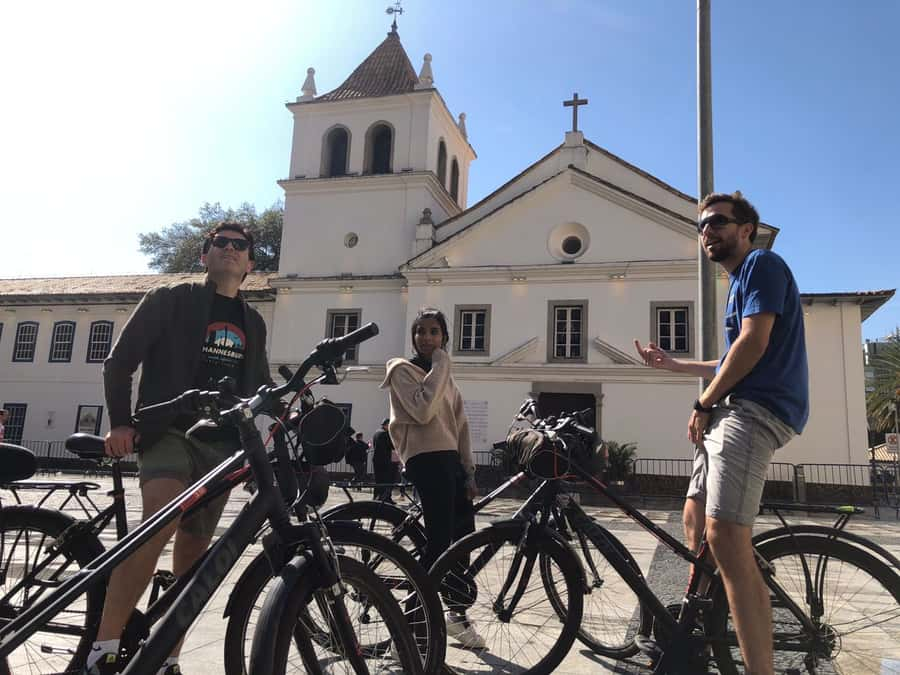
Pátio do Colégio is the emotional center of the tour. It marks the site where São Paulo was founded in 1554, and it gives the city a clear starting point after the modern avenues and high-rise districts earlier in the ride.
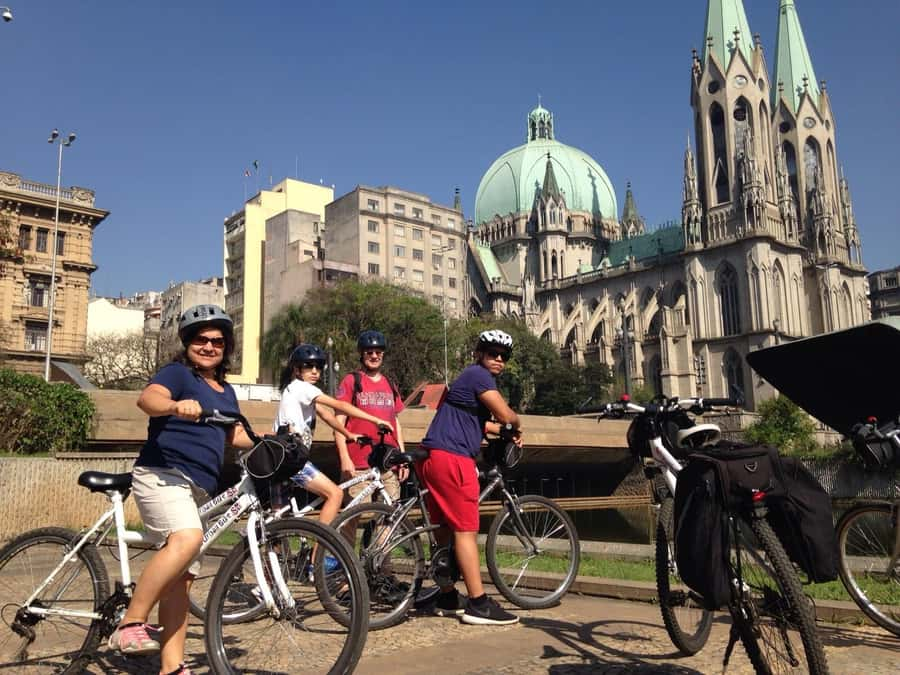
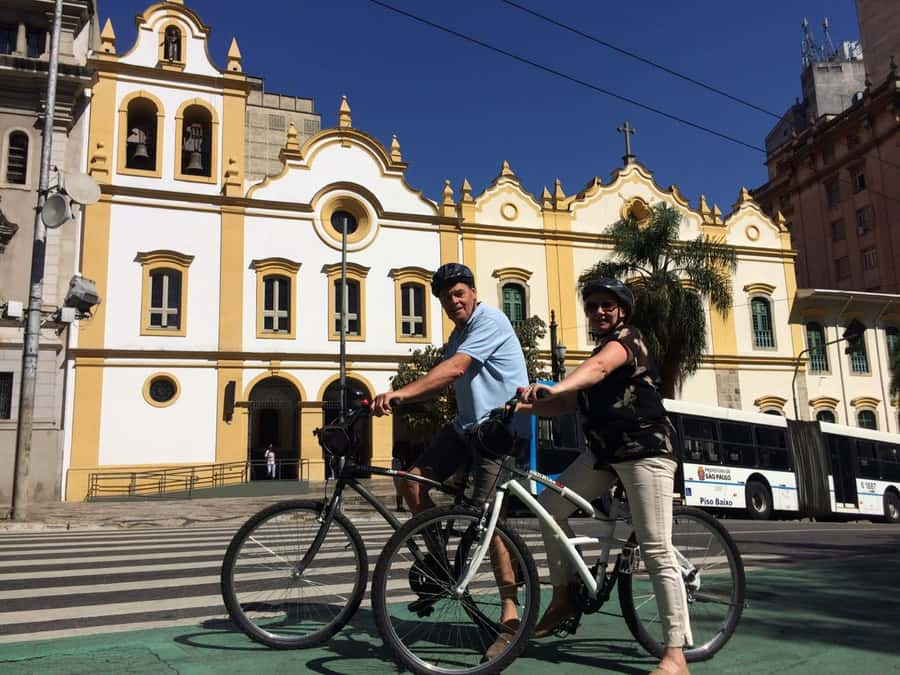
The nearby Sé Cathedral is a major neo-Gothic landmark. Its stained-glass windows and tall columns make it an easy stop for photographs and a reminder of the city’s religious and civic importance. The schedule allows roughly 10 minutes here, so think of it as an introduction, not a full architectural visit.
This part of the route is also where the guide’s storytelling matters most. A short explanation can turn a church, square, or old façade into a piece of the city’s development. Guides have been praised for discussing colonial legacies, economic cycles, music, and social change, not just reciting building names.
Liberdade adds a different cultural layer
Liberdade is São Paulo’s best-known Japanese neighborhood and home to the largest Japanese community outside Japan. Lanterns and torii gates give the streets a distinct visual character, while the neighborhood’s identity reflects the mixing of Asian traditions with Brazilian life.
The stop lasts about 30 minutes, making it one of the longer pauses. You can photograph the streets, look around, and absorb the shift in atmosphere. Depending on the exact route and timing, the neighborhood may appear earlier or later in the ride, but it is a key part of the downtown circuit.
Past participants also describe stops involving local tastes such as sugarcane juice, fresh coconut, or café treats. The confirmed refreshment is iced mate and pão de queijo at Portinha183, so treat other food encounters as possible rather than guaranteed.
Liberdade is a good reason to choose a bike rather than a sealed vehicle. You move slowly enough to notice street details, but quickly enough to connect it with the older center and Paulista Avenue in one outing.
Safety, pace, and the physical side of the ride
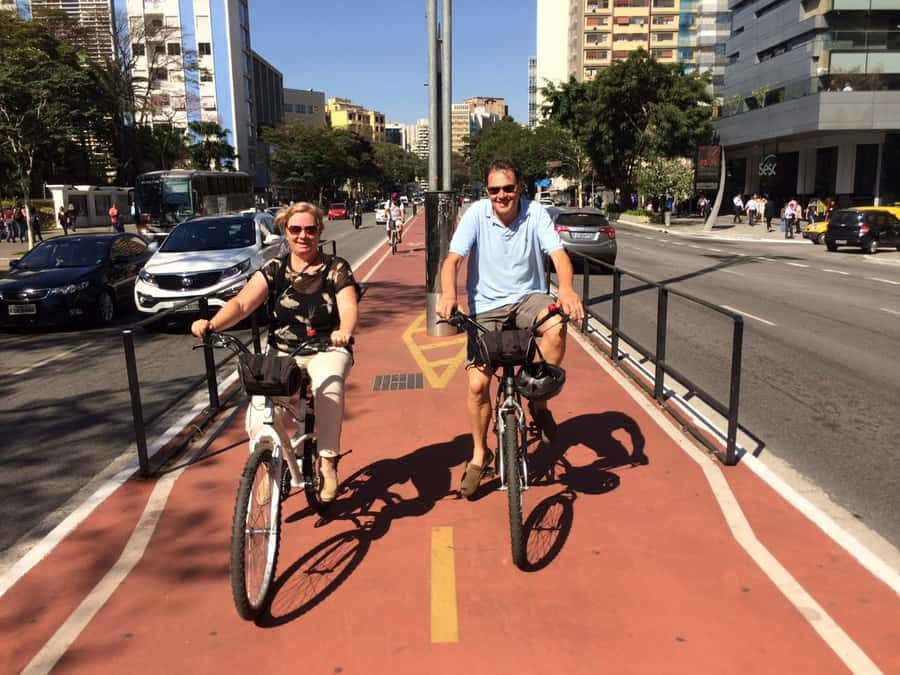
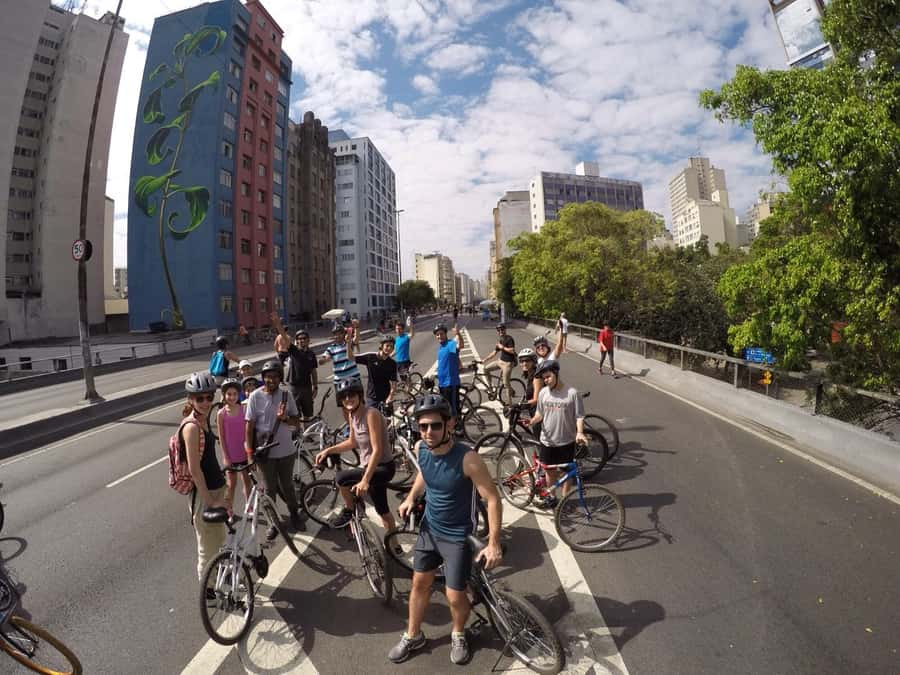
You must know how to ride a bike. This is not a beginner lesson, and the tour does not remove you from city traffic completely. Much of the route uses bicycle lanes, and several guides have been praised for managing the group, but you still need to watch cars, pedestrians, crossings, and traffic lights.
The ride is generally described as smooth and not especially fast. One account calls the hills easy, while another notes that some sections can feel steep depending on your cycling experience. The most honest expectation is a moderate city ride with occasional effort, not a flat recreational path.
Sunday may be a smart choice if your schedule allows. One participant found cycling easier then because some traffic lanes close, leaving more room on the streets. That does not guarantee identical conditions every Sunday, but it is a useful planning tip.
Guides may use a front-and-back system when the group requires it. Roberto was praised for checking that everyone kept up and drank enough, while another group had two guides adjusting to different speeds. Ask at the start how the group will handle crossings and regrouping.
Is $85 a fair price?
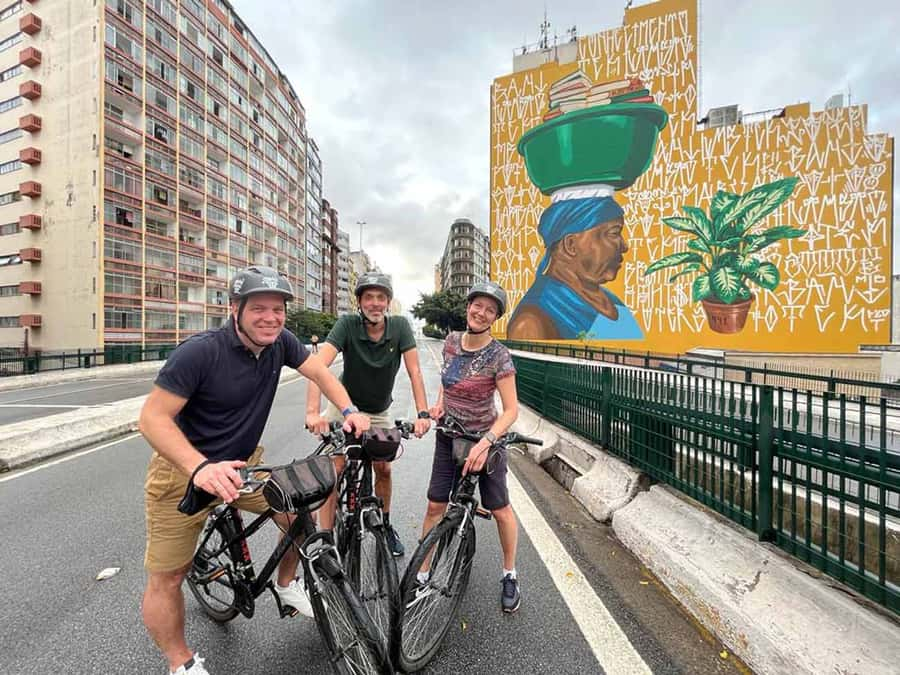
At $85 per person, this is not São Paulo’s cheapest sightseeing option. You are paying for a bike, helmet, water bottle, possible raincoat, guide, small group, refreshments, and a route that covers a large part of the city in three hours.
The price makes more sense if you have only one day in São Paulo, are visiting for business, or want help finding your bearings at the beginning of a longer stay. One person with a single day in town found it an efficient way to reach major landmarks, and flight crews have used the experience as a practical city overview.
The value is also in the interpretation. You can rent a bicycle for less, but you would need to plan the route, navigate unfamiliar streets, judge traffic, and connect places such as Luz, Sé, Liberdade, and Paulista Avenue yourself.
Still, the cost may feel steep if you are an experienced cyclist who only wants independent transport. You should also remember that this is mainly an exterior sightseeing ride. Museum entry and extended indoor visits are not the point.
Booking can remain flexible because cancellation is free up to 24 hours before the start, and you can reserve without paying immediately. Check the available start times, since the activity lasts three hours and conditions may vary by departure.
Who should book this ride?
I would choose it for a solo visitor who wants company without joining a huge coach group. It also suits couples, friends, business visitors, and anyone with limited time who wants a broad first look at São Paulo.
It is particularly useful at the start of a stay. The ride shows you areas you may want to revisit, including Copan, Liberdade, MASP, Pinacoteca, and the historic center. Afterward, you can return by subway or on foot with a much better sense of where those places fit.
It is less suitable if you dislike traffic, tire quickly on a bicycle, or want long indoor visits at museums and churches. Children under 13 cannot join, and every participant must already know how to ride.
Should you book the São Paulo Downtown Historical Bike Tour?
Book it if you want a city overview with real context, not just a series of snapshots. The route covers an impressive range, from Paulista Avenue’s modern culture to Pátio do Colégio’s founding site, with parks, art, architecture, and Liberdade between them.
I would book early in a São Paulo visit, ask about a Sunday departure if convenient, and arrive ready for 9 to 12 miles of steady cycling. The strongest part is the guide service: Juliana, Arthur, Pedro, Roberto, Jefferson, Lucas, and others have been praised for warmth, history, patience, and traffic care.
Skip it if $85 is beyond your activity budget or if you want to explore at a museum’s indoor pace. For a first look at a huge city, though, this is a smart use of three hours and a good way to get your bearings on two wheels.
FAQ
How long is the São Paulo Downtown Historical Bike Tour?
The tour lasts three hours.
How far will I ride?
You should expect to ride between 9 and 12 miles.
Where does the tour begin and end?
It begins and ends at Portinha183 Café, Rua França Pinto, 183, in Vila Mariana, São Paulo.
How far is the meeting point from public transport?
Portinha183 Café is about five minutes from Ana Rosa Subway Station, served by the blue and green lines.
What languages are available?
The tour is offered in English, Spanish, and Portuguese.
Is bike equipment included?
Yes. Bike rental, a helmet, a water bottle, and a raincoat if needed are included.
Can children join the tour?
Children under 13 are not permitted. Knowing how to ride a bike is essential for every participant.
Just added around the world
- Best of Copenhagen Biking Tour-3 Hours, Small Group max 10 people★ 5.0 · 22 reviews
- Urban Design and Livability E-bike Tour★ 5.0 · 18 reviews
- Garden of the Gods Original Electric e-Bike Tour★ 5.0 · 45 reviews
- Copenhagen : Highlights Private Bike Tour★ 4.5 · 20 reviews
- 3-Hour E-Bike Tour of Trail of the Silver Kings (Old Mine Tour)★ 5.0 · 18 reviews
- Gold Camp Road by E-Bike★ 5.0 · 21 reviews
- Pikes Peak & Garden of the Gods E-Bike Expedition★ 5.0 · 29 reviews
- EBIKE Mountain Adventure in Colorado Springs: Gold Camp Road★ 5.0 · 16 reviews
Heritage and Temple Bike Tours, compared.
Historical Singapore Bike Tour on Full-Sized Bicycles
Read our review →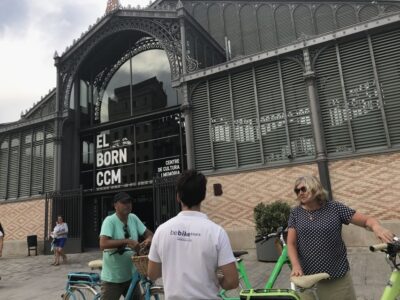
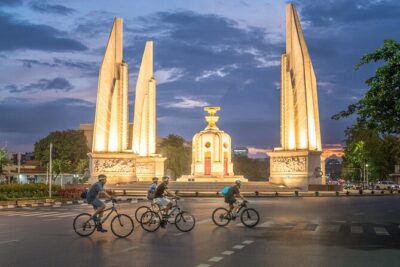
Night Bike Tour with Temples & Flower Market Visit
Read our review →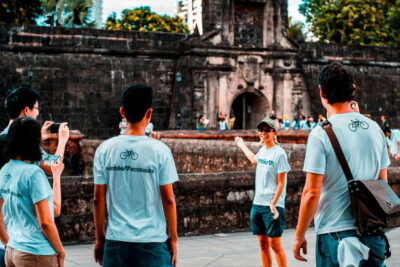
Intramuros, Manila: Historical Bamboo Bike Tour
Read our review →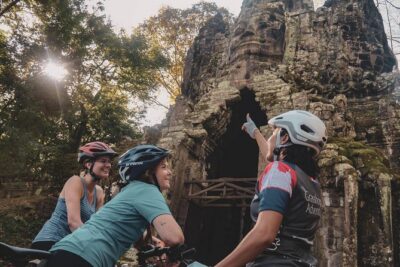
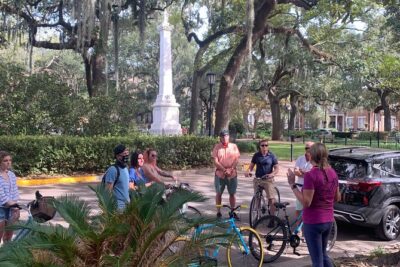
Historical Bike Tour of Savannah and Keep Bikes After Tour
Read our review →Browse the lists this tour appears in