
REVIEW · VIENNA
Vienna: City Highlights Guided Bike Tour
Vienna opens up beautifully on two wheels. This three-hour ride gives you a broad look at the imperial center, linking grand palaces, political landmarks, famous cafés, and quieter streets while a guide explains how Vienna grew from Roman roots into the capital of the Habsburg Empire and modern Austria. At $55 per person, it is a useful first look at the city rather than a deep visit inside each monument.
I like the easy pace on mostly flat streets, which makes this a realistic ride for beginners. I also like the guides’ strong command of Vienna’s past and present. Anita, Karin, Marcelo, Eddie, Franz, and others have been praised for clear storytelling, humor, and helpful restaurant and sightseeing tips.
The main drawback is that this is a moving overview, not a photo-heavy sightseeing stop at every landmark. Some riders wanted more time for pictures, and several found the bikes a little tired. City traffic, two-way bike lanes, weather, and group size can also affect the ride.
Key points before you book
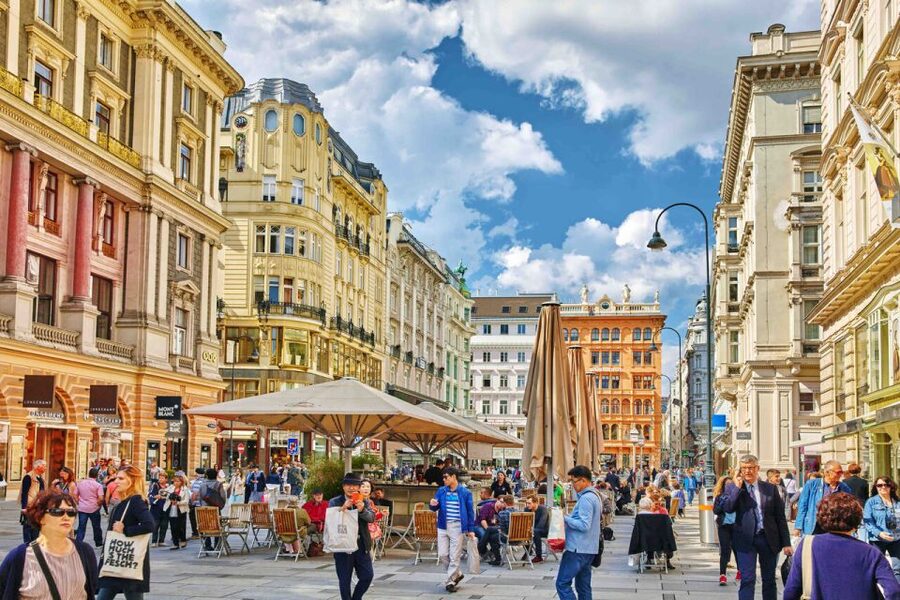
- Three hours covers a lot of central Vienna, including City Hall, Parliament, the Hofburg, the Opera, St. Stephen’s Cathedral, and Heldenplatz.
- The route is gentle for most riders, with largely flat streets and only a few small hills noted near the end.
- History is the main attraction, from Roman origins and Habsburg rule to Vienna’s role in the world wars and the Jewish contribution to city life.
- The guide can shape the whole experience, and past groups have especially praised Anita, Karin, Marcelo, Eddie, Franz, and Hein.
- Bikes may be functional rather than fancy, with some riders describing them as vintage or in need of servicing.
- The best timing is likely early in your Vienna stay, so the route helps you choose museums, cafés, and neighborhoods for later visits.
Starting in Piaristengasse and getting oriented
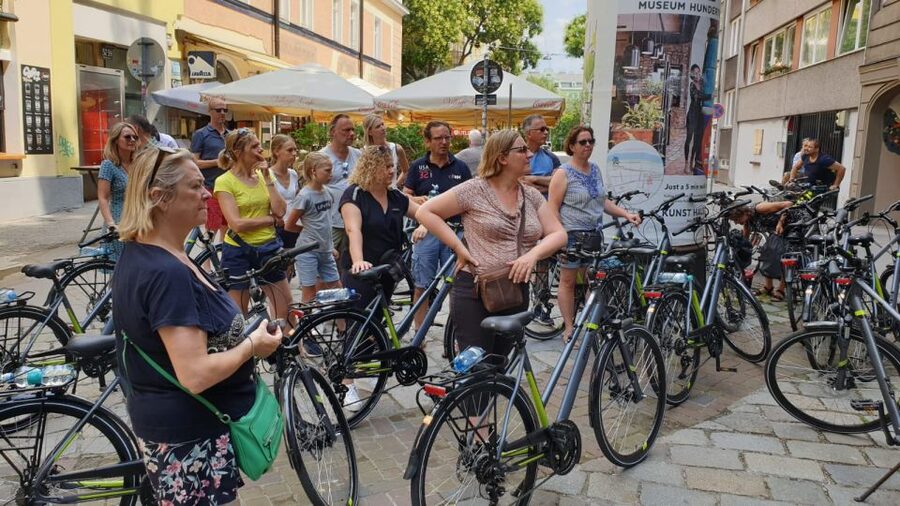
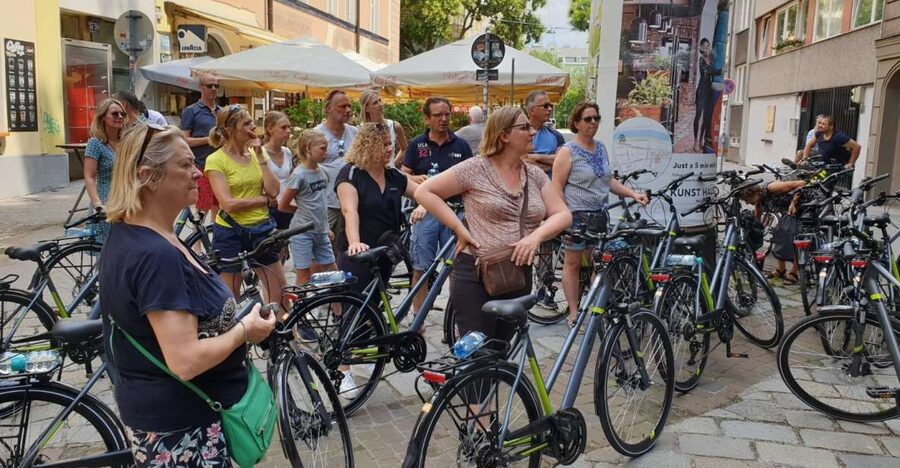
The tour begins at Piaristengasse 56-58. Look for the My Vienna Tours flag, then allow a little time to get settled on the bicycle and listen to the guide’s opening instructions.
The exact group size can vary. One group had 11 riders, another had six that grew to eight, and one group of 15 felt a little large for the route. A smaller group makes it easier to hear the guide, ask questions, and stay together at intersections. If you can choose a date or time, a quieter Sunday may help, since one rider found the roads less crowded then.
You do not need to be a serious cyclist for this outing. The route through central Vienna is mostly flat, and several riders described the pace as comfortable and easygoing. Still, this is a city ride, not a park spin. You need to keep your attention on the road, especially where bike lanes run in both directions. One experienced cyclist also raised a fair concern about helmets, noting that not everyone wore one. Ask about safety equipment when you arrive if that matters to you.
More City Highlights Bike Tours in the world:
- 3-Hour Porto Highlights on a Electric Bike Guided Tour
★ 5.0 · 4,392 reviews - Porto: City Highlights 3-Hour Guided Electric Bike Tour
★ 4.8 · 3,092 reviews - Highlights & Hidden Spots of Barcelona Bike Tour w/ Local Guide
★ 4.5 · 3,009 reviews
Vienna City Hall and the Austrian Parliament
The first major sights include Vienna City Hall and the Austrian Parliament Building. These stops set up the city’s political story before the route turns toward the imperial center.
Vienna City Hall is a grand Gothic-style civic building, and its scale gives you an immediate sense of the city’s ambitions in the nineteenth century. The guide’s job here is not simply to point out a large façade. You get context about how Vienna functions as a capital and how public life changed as the city expanded.
At Parliament, the focus shifts to Austria’s political system and the role of the building in national life. This is one reason a guided ride is more useful than simply cycling past on your own. You can see both sites quickly, but the explanation helps turn a series of impressive buildings into a connected story.
You should not expect a long interior visit at either stop. The route is designed for exterior viewing, short pauses, and spoken interpretation. If you want detailed architecture or access inside these buildings, plan a separate visit.
Hofburg Palace and the Habsburg center
The Hofburg is the tour’s grandest historical stop. Built in the thirteenth century and expanded over many generations, it was the former residence of the Habsburg princes and later rulers of the Austrian Empire.
The palace complex is more than one building. Its courtyards, wings, museums, offices, and ceremonial spaces spread through the heart of Vienna. Seeing it by bicycle helps you understand its size and relationship to the surrounding streets. You are not trapped inside one formal room. You move around the complex and see how imperial power occupied the center of the city.
This is also where the guide can connect architecture with politics. The Habsburgs shaped central European affairs for centuries, and Vienna’s monuments reflect that long period of power. Guides such as Karin and Karen have been praised for making those connections clear without turning the ride into a lecture.
The limitation is simple: you will not tour the palace interiors as part of this three-hour route. If the Hofburg is your main reason for visiting Vienna, save time for its museums and imperial apartments on another day.
Kunsthistorisches Museum and the city’s grand scale
The route continues past the Kunsthistorisches Museum, one of Vienna’s most important museum buildings. Even if you do not go inside, its position along the imperial Ringstrasse helps explain the city’s nineteenth-century building program.
This section of Vienna is made for looking up. Large public buildings were placed around broad ceremonial avenues, and the museum’s exterior fits that grand plan. From a bicycle, you get a quick sense of how the city presented itself as a major European capital.
The guide adds value by explaining the purpose behind the buildings rather than leaving you with a list of names. You may hear about art, monarchy, city planning, and the changing political meaning of these spaces. That wider context is one of the tour’s strengths.
Still, keep your expectations clear. You are seeing the museum from the route, not spending time with its paintings or collections. A bike tour can show you where to return, but it cannot replace a museum visit.
More Guided Rides in the world:
- Small Group Guided Bike Tour of Amsterdam’s Hidden Gems
★ 5.0 · 3,936 reviews - Berlin: Sights and Highlights Bike Tour with a Local Guide
★ 4.8 · 2,698 reviews - Guided Bike Tour of Old Town Key West
★ 5.0 · 2,611 reviews - Valencia: City Highlights Guided Bike Tour
★ 4.7 · 2,373 reviews
Vienna State Opera and Café Sacher
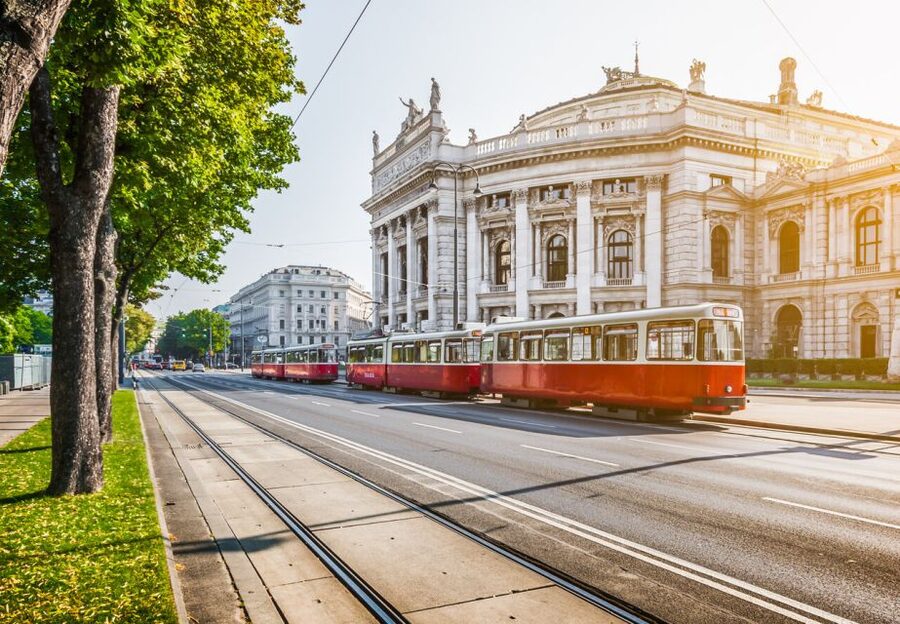
The Vienna State Opera brings the ride into one of the city’s most famous cultural districts. The building represents Vienna’s long association with opera and classical music, but the stop also places you near one of the city’s best-known café addresses, Sacher Café.
The café is famous for its chocolate cake, and it makes a handy reference point for understanding Vienna’s café culture. You might want to return later for cake or coffee, since the bike tour does not include drinks or snacks. Bring water, especially in warm weather, because refreshments are not provided.
This part of the route is also useful for first-time visitors trying to get their bearings. The Opera, Hofburg, St. Stephen’s Cathedral, and the nearby pedestrian streets are all within the central sightseeing area. After the ride, you can return on foot and take your time.
One fair criticism from past riders is that the guide may not stop at the best angle for photographs. If capturing the Opera or other landmarks is important to you, ask politely for a brief picture stop when the route allows. The guide must keep the group moving, so this is not a dedicated photography tour.
St. Stephen’s Cathedral and Vienna’s small streets
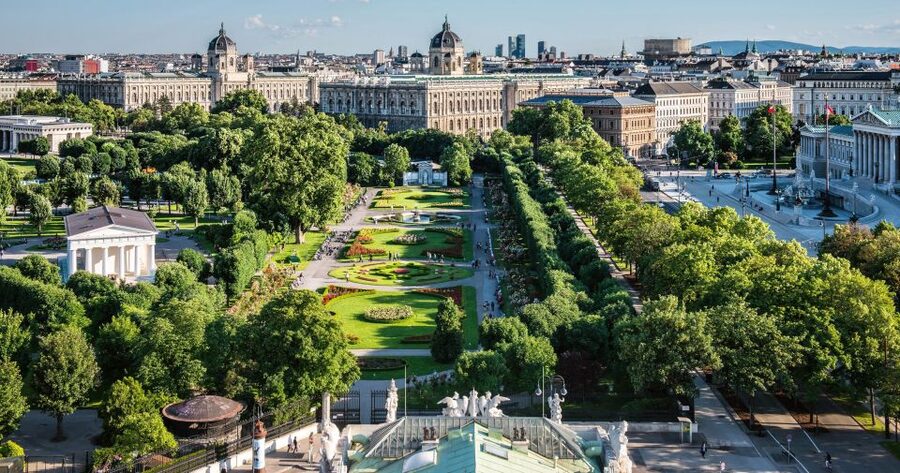
At St. Stephen’s Cathedral, the bicycles are left behind briefly and the group continues on foot. This change of pace matters. The cathedral sits in a busy pedestrian heart, and walking makes it easier to see the building and move through the surrounding streets.
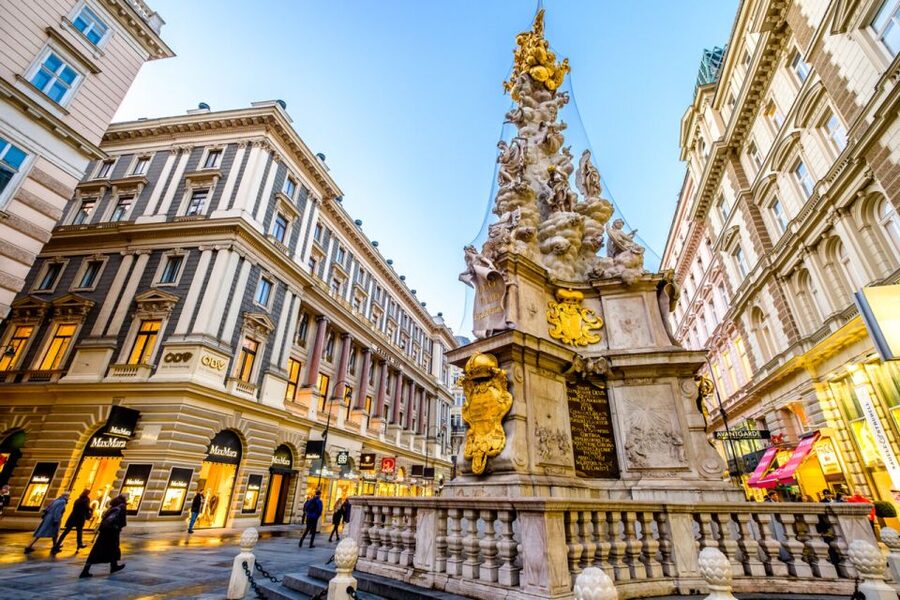
St. Stephen’s is one of Vienna’s defining landmarks. Its roof, towers, and central position make it a useful symbol of the city, while the guide can explain its connection to Viennese identity and freedom. The stop also gives you a break from cycling after the longer road sections.
The route around here mixes large buildings with narrow streets. That contrast is one of the most enjoyable parts of the outing. Vienna is not only imperial façades and formal avenues. It also has compact lanes, old shopfronts, café corners, and everyday city spaces that are easier to notice at bicycle speed than from a tour bus.
The cathedral stop is mainly an orientation visit. You should not expect a full interior tour or extended time for every detail. If you want to climb a tower, attend a service, or study the interior, return independently.
Spanish Riding School and the Hofburg’s imperial theater
The Spanish Riding School is another stop made on foot. Located within the Hofburg complex, it is a center for classical dressage and one of Vienna’s most recognizable imperial institutions.
Even without attending a performance, the stop adds a useful layer to the palace story. The Habsburg court was not only about government and war. Ceremonial riding, court display, music, and strict traditions all helped project imperial authority.
The guide can explain what makes the school distinctive, but the bike tour does not include a dressage performance. If seeing the famous Lipizzaner horses is high on your list, check separately for performance or stable-visit tickets.
This is a good example of the tour’s overall approach. You visit many important places, hear the basic story, and learn which ones deserve a longer return visit. That is efficient, but it also means the three-hour ride will leave you curious rather than finished.
Heldenplatz, memory, and difficult history
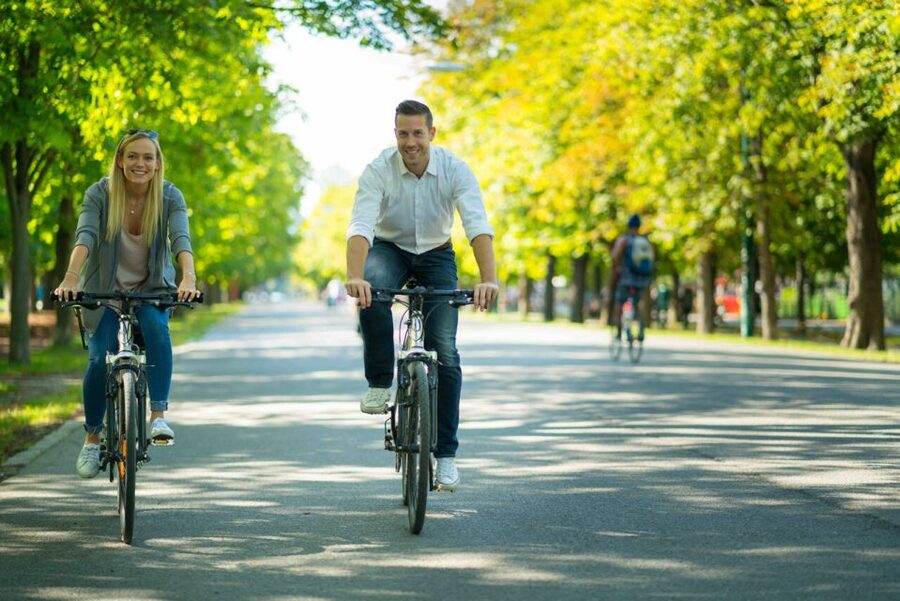
Heldenplatz is one of the most important stops for understanding Austria’s political memory. The guide discusses its imperial setting as well as Adolf Hitler’s speech there in 1938, when Austria was annexed by Nazi Germany.
That subject deserves a serious tone. It is not added as a dramatic sound bite. Heldenplatz shows how the same monumental space can carry imperial ceremony, political theater, and painful memory. A good guide helps you see the gap between Vienna’s polished architecture and the difficult events that took place around it.
The tour also covers Roman roots and Austria’s involvement in the world wars. Several guides have been praised for explaining these subjects in an engaging way, and one rider especially valued attention to the Jewish contribution to Vienna’s story. That broader focus gives the ride more substance than a simple parade of palaces.
You will not get a full course in twentieth-century Austrian history in one stop. But Heldenplatz gives you a strong reason to keep asking questions during the rest of your visit.
The ride back through central Vienna
After Heldenplatz, the group cycles back to Piaristengasse. By this point, you have crossed a useful slice of central Vienna and seen how its major districts fit together.
The ride is not meant to be strenuous. Past riders describe the pace as comfortable, and Vienna’s mostly flat center helps. A few small hills may appear near the end, but the route is suited to ordinary cyclists and beginners more than to athletes seeking speed.
City riding brings practical tradeoffs. You need to follow the guide closely, keep right on two-way bike lanes, and watch for traffic. The group must also stay together, which can limit sudden stops. One rider enjoyed the option of a coffee break, and the group ran about 30 minutes longer by choice. That suggests some flexibility, but do not assume every departure will include the same pause.
Weather matters too. The ride has gone ahead in rain and freezing temperatures, with the guide still keeping it enjoyable, but your comfort will depend on clothing and conditions. A warm coat, rain layer, and water bottle are sensible choices outside the mildest months.
Guides, bikes, and the value of the $55 price
The strongest part of this experience is the guiding. The overall rating is 4.6 from 496 reviews, and the praise is remarkably consistent: guides explain the city well, answer questions, keep the pace manageable, and add humor or local suggestions.
Anita is often singled out for her enthusiasm, group management, and clear history explanations. Karin and Karen have been praised for passion and warmth, while Marcelo is described as friendly and strong on the city’s important sites. Eddie has been praised for humor and for connecting Vienna’s story to different national backgrounds. Other named guides include Franz, Hein, Fritz, and Erin.
That does not mean every guide will use the same style. One rider wanted more questions and discussion, while another wished for better picture stops. Your experience will depend partly on the guide and partly on how actively you ask for clarification or a short photo pause.
At $55, the value is good if you want a fast orientation to central Vienna. The bicycle, guide, and three hours of sightseeing are included. Drinks and snacks are not, and interior admissions are not part of the route. You are paying for access to a well-planned city circuit and for the stories that connect the sights.
The bikes are the weak point. Some riders found them well maintained and easy to ride. Others called them vintage, tired, or in need of servicing. They appear to be generally usable, but do not book this expecting high-end rental bicycles.
Who should book this Vienna bike tour?
I would choose this tour early in a Vienna visit. In three hours, you get a useful map of the central city and a list of places worth returning to. It is especially good for first-time visitors, couples, families with children eight or older, and anyone who finds long walking tours tiring.
It also suits people who want history with their sightseeing. The route covers imperial power, city politics, culture, Jewish life, Roman beginnings, and the world wars. You are not just ticking off buildings.
I would think twice if you want long interior visits, carefully timed photographs, or a quiet ride away from traffic. It may also disappoint serious cyclists who expect polished equipment or a fast pace. A private group is available, which could be the better choice if you want more control over questions, timing, and stops.
Free cancellation is available up to 24 hours before the tour, and you can reserve now and pay later. The tour is offered in English, German, and Dutch. Children under eight cannot join.
Should you book it?
Book this ride if you want to get your bearings quickly, hear Vienna’s major stories from a lively guide, and cover more ground than you could on foot. The flat route, manageable pace, and strong guide feedback make it a sound choice at $55.
I would book it for the first or second day of your stay, preferably when the forecast is comfortable and the group is not too large. Go in expecting an overview, not a palace or museum tour, and you will get good value. Bring water, dress for the weather, keep your camera ready, and ask for a photo pause when the route permits.
FAQ
Where does the Vienna bike tour start?
The tour starts at Piaristengasse 56-58. Look for the My Vienna Tours flag.
How long does the tour last?
The scheduled duration is three hours. A coffee stop chosen by one group extended its tour by about 30 minutes, but this should not be assumed for every departure.
Which sights does the route visit?
The route includes Vienna City Hall, the Austrian Parliament Building, Hofburg Palace, the Kunsthistorisches Museum, Vienna State Opera, St. Stephen’s Cathedral, the Spanish Riding School, and Heldenplatz.
Is the cycling difficult?
The route is mostly flat and has been described as comfortable for beginners. There may be a few small hills near the end, and you should be prepared to cycle through city traffic and two-way bike lanes.
What languages are available?
Live tours are offered in English, German, and Dutch.
Are children allowed to join?
Children under eight are not suitable for this tour. The provided information does not specify a maximum age or other child restrictions.
Just added around the world
- Best of Copenhagen Biking Tour-3 Hours, Small Group max 10 people★ 5.0 · 22 reviews
- Urban Design and Livability E-bike Tour★ 5.0 · 18 reviews
- Garden of the Gods Original Electric e-Bike Tour★ 5.0 · 45 reviews
- Copenhagen : Highlights Private Bike Tour★ 4.5 · 20 reviews
- 3-Hour E-Bike Tour of Trail of the Silver Kings (Old Mine Tour)★ 5.0 · 18 reviews
- Gold Camp Road by E-Bike★ 5.0 · 21 reviews
- Pikes Peak & Garden of the Gods E-Bike Expedition★ 5.0 · 29 reviews
- EBIKE Mountain Adventure in Colorado Springs: Gold Camp Road★ 5.0 · 16 reviews
City Highlights Bike Tours, compared.
3-Hour Porto Highlights on a Electric Bike Guided Tour
Read our review →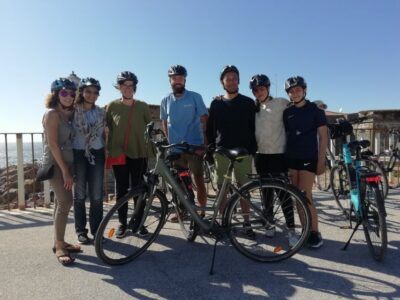
City Highlights 3-Hour Guided Electric Bike Tour
Read our review →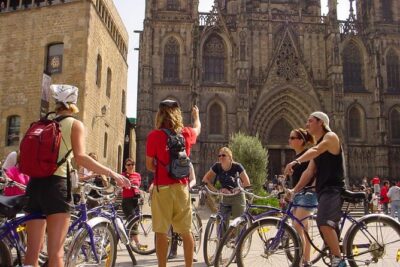
Highlights & Hidden Spots of Barcelona Bike Tour w/ Local Guide
Read our review →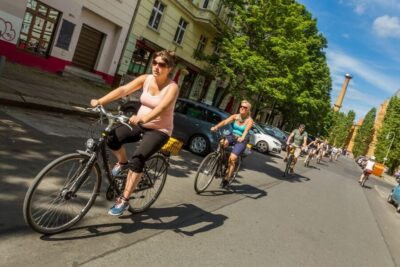
Sights and Highlights Bike Tour with a Local Guide
Read our review →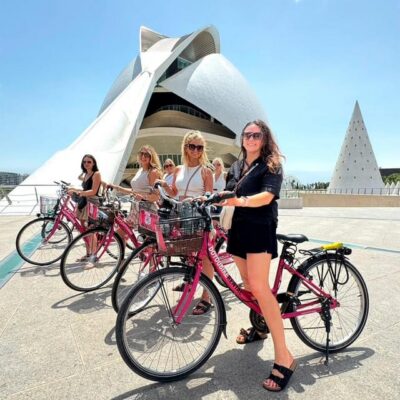
Highlights 3 Hour Bike Tour with a Local Guide
Read our review →
Browse the lists this tour appears in