
REVIEW · YOGYAKARTA
Jogja Hidden Gems – Cycling Tour
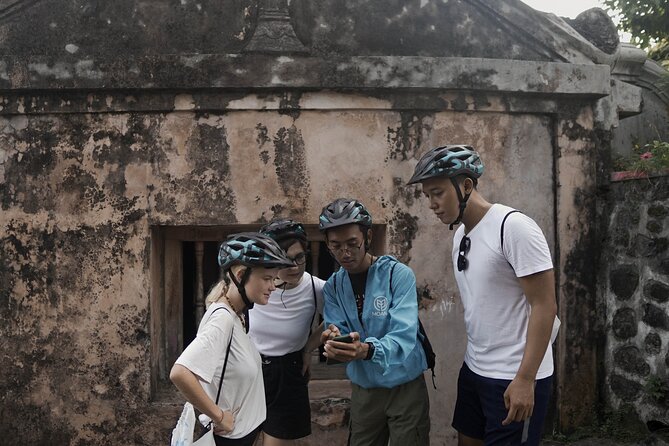
See Yogyakarta beyond Malioboro. This three-hour bicycle ride takes you through kampungs, quiet lanes, the Kalicode riverside, unusual heritage sites, and parts of the sultanate area that are easy to miss. I especially like the chance to meet local residents and stop for Indonesian refreshments, rather than simply ticking off major sights. I also like that university students lead the tour, bringing a young, personal view of Javanese culture.
The main consideration is physical comfort. You will cycle about 11 kilometers, and although the route is flat, it includes city streets and narrow lanes. This is a good outing for a reasonably active cyclist, but pregnant women and people with back problems should choose another activity.
Key points at a glance
- An 11-kilometer flat route: The ride is manageable for regular but unambitious cyclists, with much of the route passing through kampungs and quieter streets.
- A different view of Yogyakarta: You move beyond Malioboro Street to see local neighborhoods, the Kalicode riverside, temples, palace sites, and less familiar sultanate areas.
- Guides who make the difference: Guides such as Alfat, Alpha, and Amiro have been praised for friendly storytelling, traffic awareness, and the ability to adjust explanations to different ages and interests.
- Small cultural encounters: Expect local snacks and drinks, conversations with residents, Javanese writing, and insight into everyday kampung life.
- More than sightseeing: The package includes a visit to a local industry, an eco string bag, and support for a mangrove planting charity.
- A useful short tour: Three hours gives you a broad introduction to Yogyakarta when your schedule does not allow a full day of exploring.
Why this bicycle tour shows the real Yogyakarta
Yogyakarta is famous for its royal court, temples, art schools, and packed central streets. Those are worth seeing, but they do not tell the whole story. Much of daily life takes place in kampungs, the city’s neighborhood communities, where homes, small businesses, religious sites, and old lanes sit close together.
That is the setting for this tour. You ride through parts of the city that are not laid out for sightseeing. Children may greet you, residents may smile as you pass, and your guide can explain how the neighborhood works instead of giving you a quick list of dates and names.
I like this approach because the city begins to feel lived in. You are not just looking at an old building. You are seeing how heritage sites fit beside ordinary homes and local businesses.
The route also gives you a useful contrast with central Yogyakarta. The city center can be noisy and busy, while the kampung sections are quieter and more intimate. The tour is not completely traffic-free, so you should still pay attention near main roads, but much of the riding takes place on flatter, calmer stretches.
More Hidden Gems Bike Tours in Indonesia:
- Small Group Guided Bike Tour of Amsterdam’s Hidden Gems
★ 5.0 · 3,936 reviews - Bangkok: Temples, Canals & Local Life Bike Tour
★ 4.9 · 3,511 reviews - Rome: Top Highlights & Hidden Gems Tour by Cannondale E-Bike
★ 4.9 · 1,760 reviews
Starting outside the fence with Moana Bike Tour
The meeting point is easy to identify if you know what to look for. Meet outside the fence near the Moana Bike Tour sign. Your road captain wears a blue jacket.
That small detail matters in a busy city. Look for the sign and the blue jacket rather than relying only on a street address. The guides speak English and Indonesian, so you can ask questions in either language.
The tour is led by passionate university students. That can give the ride a relaxed tone. You are likely to get more than a formal lecture, with explanations shaped around what interests you. One particularly useful feature is the guide’s ability to adjust the pace of the storytelling. Families, teenagers, and adults can all find something to follow.
Guides named Alfat, Alpha, and Amiro have received especially warm praise for their friendliness and personal manner. Alfat is noted for explaining kampungs, the Chinese temple, and the sultan’s palace, while also keeping an eye on the group in traffic. Amiro is described as welcoming, and Alpha is praised for sharing interesting details about the neighborhoods and palace.
Guide quality can vary on any small-group activity, but this tour appears to place real weight on the person leading the ride. That is important here because the value is not just the bicycle. It is the explanation of what you are seeing.
Riding 11 kilometers through kampungs
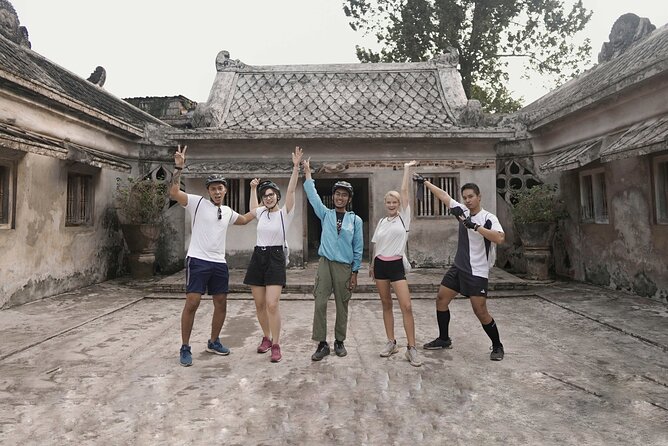
The route covers about 11 kilometers over roughly three hours. It is flat, which makes the ride less demanding than a hilly countryside excursion. A regular cyclist who does not ride for sport should find it manageable, though you should not treat it as a completely effortless pedal.
The route passes through hidden city areas and narrow kampung lanes. These lanes give you a closer look at local life, but they also require care. You will need to control your bicycle, watch for other road users, and follow the guide’s instructions.
One useful point from the ride reports is that most of the route has little traffic, with a few stretches along main roads. That balance works well. You get the calm of residential areas without being cut off from the wider city.
If you are comfortable on a bicycle, the flat route is a strong reason to choose this tour. If you rarely cycle, have back trouble, or dislike riding near traffic, think carefully before booking. Pregnant women and people with back problems are specifically advised not to take part.
The tour is also best taken when you can enjoy the surroundings. You are not racing from one stop to another. The point is to notice small details, listen to the guide, and allow the neighborhood to unfold at bicycle speed.
The Kalicode riverside and everyday neighborhood life
A key part of the route follows the Kalicode riverside. This area offers a different view of Yogyakarta from the grand buildings usually shown in city brochures. You see a more rural-feeling side of the city, along with local communities and the ways people use the space around the river.
The riverside section is valuable because it links scenery with daily life. Your guide can explain the local culture while you ride, rather than separating culture from the places where people actually live.
You may also pass through small lanes where residents and children greet the group. Those encounters are simple, but they can be among the most memorable parts of the ride. They give you a sense of the friendliness of the neighborhoods without turning local people into a staged attraction.
Keep your expectations realistic. This is not a wilderness ride, and the route is still within Yogyakarta. You will see ordinary streets and working neighborhoods, not a polished cultural park. That is exactly the appeal, but it means the experience depends on your interest in daily life.
A few more days on two wheels around Indonesia worth a look
- Electric Cycling Tour of Ubud with Free Hotel Transfer and Lunch
★ 5.0 · 1,397 reviews - From Ubud: Downhill Bike Tour with Rice Terraces and Meal
★ 4.9 · 664 reviews - Menoreh Village Cycling
★ 5.0 · 611 reviews - Ubud: Rice Terraces & Villages Half-Day Fat Tire E-Bike Tour
★ 4.9 · 602 reviews
Temples, palace grounds, and lesser-known royal spaces
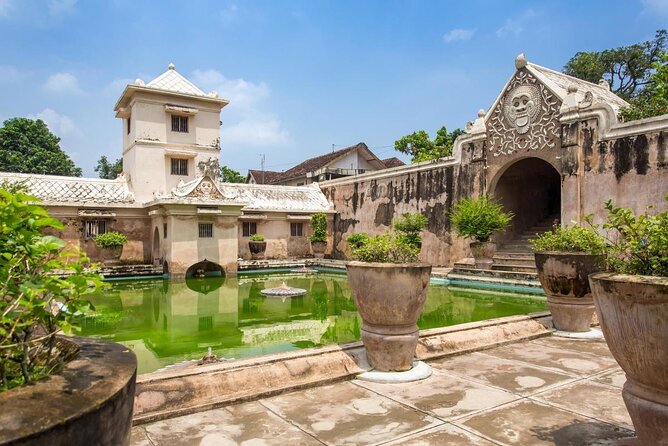
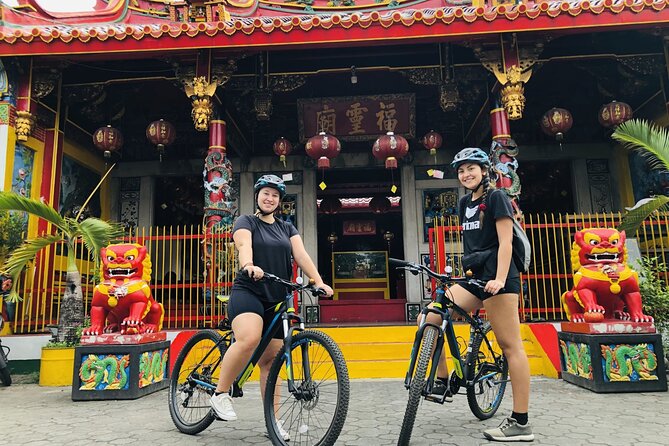
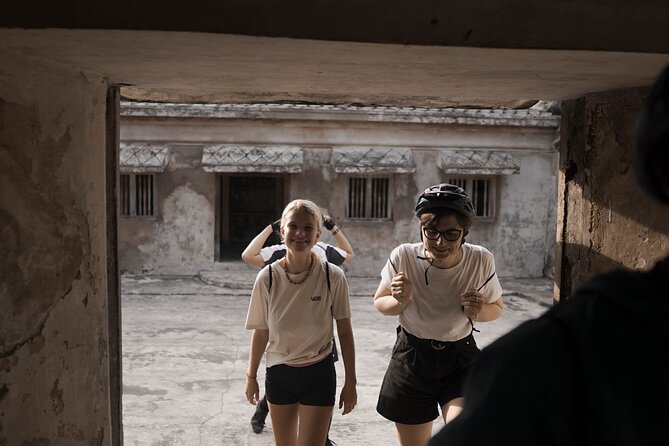
The heritage stops provide the tour’s historical backbone. The route includes temples, an old palace, and lesser-known areas connected with the sultanate. A Chinese temple is also mentioned as one of the places the guide may explain.
These stops are not presented as a standard major-attraction circuit. Instead, they are woven into a route through the city. You get a sense of how old religious and royal sites sit within modern Yogyakarta.
The palace material can be especially useful if you have limited time in the city. Your guide can connect the sultanate to the streets and kampungs around it, giving you context that is harder to gain from looking at a building alone.
The tour does not promise a long, formal visit at every heritage site. You should expect an overview, local stories, and cultural explanation rather than an exhaustive museum-style tour. If you want to study one palace or temple in detail, arrange a separate visit. If you want to see several less obvious places while learning how they relate to the city, this format makes better sense.
The guide also introduces Javanese culture and writing. That is a useful addition because it moves beyond architecture. You learn about signs, traditions, and the ideas behind what you see, not just the age of a structure.
Local snacks, drinks, and a visit to local industry
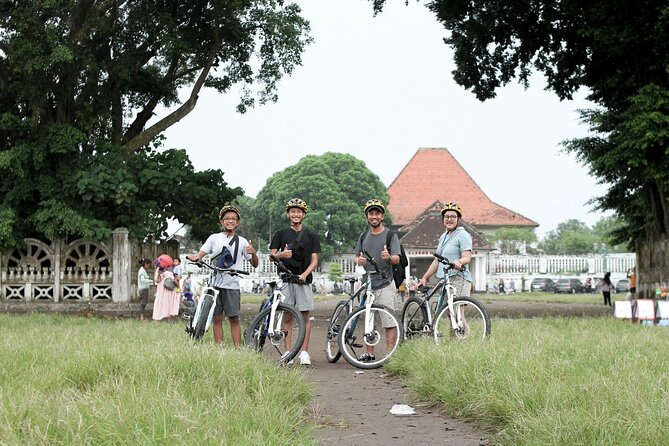
Refreshments are included, with local signature snacks and drinks served along the way. This is a small but worthwhile part of the outing. Food gives your guide an easy opening to explain local habits, flavors, and customs.
Do not expect a full meal. The refreshments are snacks and drinks, so eat normally before the tour if you need a substantial breakfast or lunch. The stop is meant to support the cultural side of the ride, not replace a meal.
The package also includes a visit to a local industry. The available details do not specify the exact business or product, so you should see this as a chance to learn about local work rather than a guaranteed shopping stop. That distinction matters. The value comes from seeing how the city functions, not from being promised a particular factory or workshop.
You also receive an eco string bag. It is a modest inclusion, but a practical one for carrying small purchases or your personal items during the ride. The experience also supports a mangrove planting charity, giving the booking a small environmental contribution beyond the cycling itself.
What guides Alfat, Alpha, and Amiro add
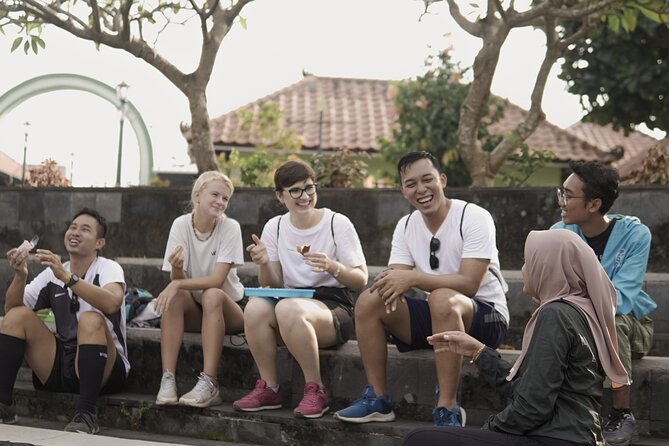
A bicycle route can be pleasant without a guide, but the guide is what gives this tour its character. Alfat has been praised for being entertaining and well informed, while also taking care with traffic. That combination is important. A guide who talks well but ignores road safety would not be enough.
Alpha is associated with explanations of the kampungs, Chinese temple, and sultan’s palace. Amiro is noted for being warm and welcoming. The wider pattern is clear: the guide’s personality plays a major role in how much you get from the ride.
I like that the tour can respond to your interests. If you are curious about local customs, the guide can spend more time there. If you want history, the palace and heritage sites give you a stronger thread. Families can ask simple questions, while adults may want more detail about the city’s past and present.
The English and Indonesian language options also make the tour accessible to a broad range of visitors. Still, keep in mind that the amount of detail may depend on the guide and the questions you ask. Speak up if you want more explanation. This is an interactive outing, not an audio recording.
Is $44 a fair price?
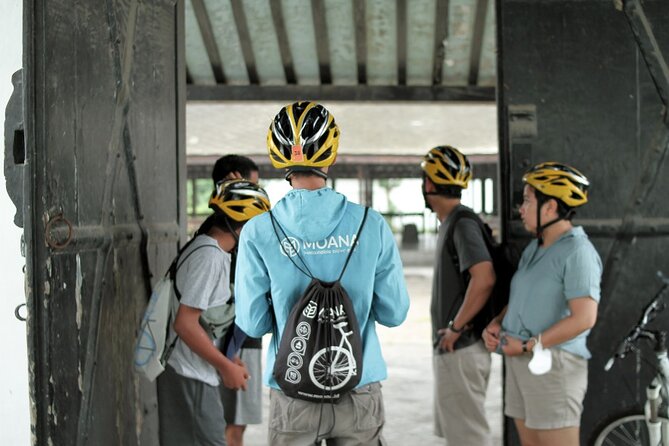
At $44 per person, this is not the cheapest way to rent a bicycle in Yogyakarta. You are paying for more than the bike itself.
The price includes the bicycle, a road captain, snacks and drinks, an eco string bag, a local industry visit, cultural interpretation, and support for a mangrove planting charity. You also get a planned 11-kilometer route through places you might not find easily on your own.
That makes the price reasonable for a short, guided introduction, especially if you have only a few hours in town. The value is strongest for people who want context and company. If you are an experienced cyclist who enjoys making your own route, stopping wherever you like, and asking no one for directions, a simple rental may cost less and suit you better.
For a first morning in Yogyakarta, the tour can also help you get your bearings. You see central and residential areas in one outing, then you can return later to places that caught your interest.
Timing, comfort, and practical advice
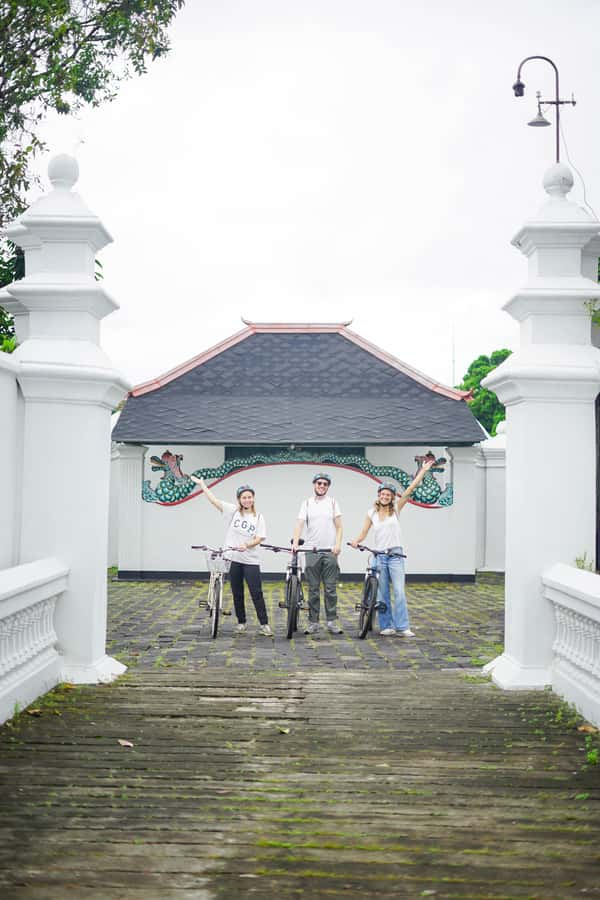
The listed duration is three hours, though one ride began around 7 and finished a little after 11. That suggests you should allow some flexibility around the advertised time, particularly if the group makes extra stops or takes longer with questions.
Check the available starting times when you book. An early start can be useful in a warm city, but the exact schedule depends on availability.
Wear comfortable clothing and shoes suitable for cycling. The route is flat, but 11 kilometers is still a real ride. Bring anything you normally need for a few hours outdoors, and listen carefully when the guide takes you onto main roads.
The meeting point is outside the fence by the Moana Bike Tour sign. Look for the guide in a blue jacket. Cancellation is flexible, with a full refund available when you cancel at least 24 hours ahead. You can also reserve now and pay later, which helps if your plans are still moving around.
Who should book this ride?
I would choose this tour if you want an active introduction to Yogyakarta and prefer local neighborhoods to a checklist of major sights. It works particularly well for visitors with limited time, families with children who can cycle comfortably, and adults who want history mixed with everyday culture.
It is also a good fit if you enjoy asking questions. The stories about kampungs, Javanese writing, the palace, and local customs are likely to mean more when you take part in the conversation.
I would hesitate if you have back problems, are pregnant, dislike cycling, or want a completely private and traffic-free ride. You should also choose another activity if your main goal is a long, detailed visit inside one major monument.
Should you book the Jogja Hidden Gems Cycling Tour?
Book it if you want to see Yogyakarta at street level. The flat route, friendly student guides, local snacks, riverside riding, and unusual heritage stops make this a useful three-hour introduction to the city beyond Malioboro.
The strongest reason to go is the guide-led access to ordinary neighborhoods and lesser-known sites. The main caution is that you need to be comfortable cycling 11 kilometers and sharing a few roads with traffic. For an active visitor who values local stories over polished sightseeing, $44 is a fair price for the range of places and interpretation included.
FAQ
How long is the Jogja Hidden Gems Cycling Tour?
The tour lasts three hours.
How far will I cycle?
You will cycle approximately 11 kilometers.
Is the route hilly?
No. The route is described as flat.
Which languages are available?
The live tour guide speaks English and Indonesian.
Where is the meeting point?
Meet outside the fence at the Moana Bike Tour sign. The road captain wears a blue jacket.
What places will the tour visit?
The route includes the Kalicode riverside, kampungs, temples, an old palace, hidden sultanate areas, and a Chinese temple area.
Are food and drinks included?
Yes. The tour includes refreshment snacks and drinks.
Is a bicycle provided?
Yes. A bicycle is included in the tour.
Is the tour suitable for pregnant women?
No. Pregnant women are listed as not suitable for this activity.
Can I cancel for a refund?
Yes. You can cancel up to 24 hours in advance for a full refund. You can also reserve now and pay later.
Just added around Indonesia
- Scenic Cycling Tours Through Bali’s Sidemen Countryside★ 5.0 · 12 reviews
- Mount Batur: Black Lava Cycling Tour w/ Natural Hot Spring★ 3.8 · 63 reviews
- Mount Batur: Sunrise Dirt Bike Trek with Trained Riders★ 4.6 · 15 reviews
- Kuta: Kintamani Culture and Nature Guided Cycling Tour★ 5.0 · 14 reviews
- Jatiluwih (UNESCO Site) 2-Hour E-Bike Cycling Tour★ 4.3 · 49 reviews
- Bali: Jatiluwih Rice Terraces 1 Hour Electric Bike Tour★ 4.7 · 41 reviews
- E-Bike: Ubud Rice Terraces & Traditional Villages Cycling★ 4.6 · 37 reviews
- Bali: Kintamani Downhill Bike Tour, Jungle and Waterfalls★ 4.9 · 20 reviews
Hidden Gems Bike Tours, compared.
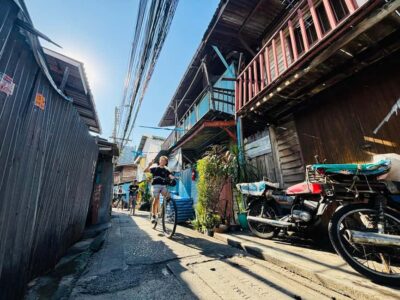

Top Highlights & Hidden Gems Tour by Cannondale E-Bike
Read our review →
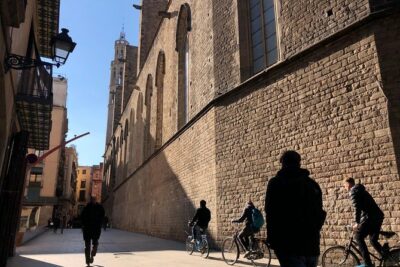
Barcelona 3-hour Bike or E-Bike Tour: Highlights and Hidden Gems
Read our review →
Paris Local Districts and Stories Off the Beaten Track Guided Bike Tour
Read our review →Browse the lists this tour appears in