
REVIEW · KYOTO
Bike Tour Exploring North Kyoto plus Lunch
Kyoto makes more sense on two wheels. This five to six-hour ride links major sights with quiet lanes, temple grounds, and corners you could easily miss from a bus. I especially like the small maximum group of eight and the way the route mixes famous places with less visited ones. The included Japanese lunch is another strong point, since it gives you a proper break instead of a quick snack between stops.
The main tradeoff is simple: you need to be comfortable on a bike for much of the day. The route can cover about 13 miles, or roughly 24 kilometers, and Kyoto weather can be hot or wet. Still, the pace is generally manageable, with frequent stops, and guides such as Mayko, Julian, Indra, Karl, Quinn, and Jay have earned especially warm praise for their history stories, safety care, and easygoing manner.
What makes this Kyoto bike tour worth considering
- A useful first-day orientation: You can cover temples, a shrine, the imperial grounds, Gion, and local streets in one outing.
- A genuinely small group: With no more than eight people, the guide can adjust the pace and answer questions.
- A mix of famous and overlooked Kyoto: Nishi Honganji gives you a quieter opening before the crowds at Kinkakuji.
- A proper lunch is included: The meal has been served at both noodle and sushi restaurants, depending on the day.
- Comfortable equipment comes with the price: You get a Cannondale bike, bottled water, and cycling gear.
- Strong guide-led cultural context: Guides explain Buddhism, Shinto, geisha culture, local customs, and Japanese history rather than simply pointing at buildings.
Why seeing Kyoto by bike works
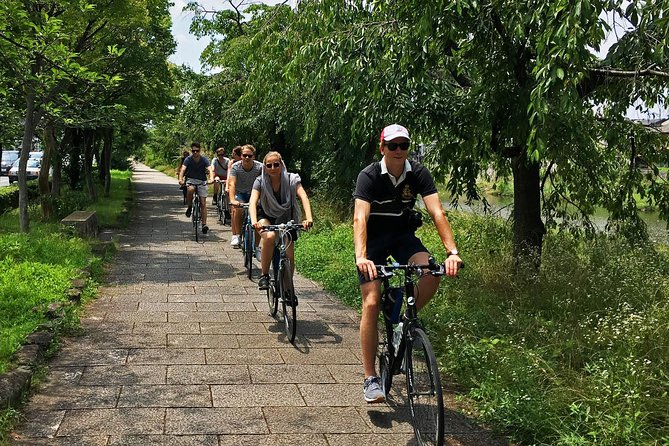
Kyoto’s famous sights are spread across the city. You can connect them by train and bus, but that often means waiting, changing vehicles, and seeing very little between stops. On a bicycle, the journey becomes part of the experience.
You ride through ordinary streets and back lanes between the temples. That gives you a better sense of how Kyoto fits together. You also avoid spending the whole day inside crowded buses, which is no small benefit during busy seasons.
This is not a racing tour. The cycling portion has been described as about two and a half hours, spread across a six-hour day with sightseeing stops. The pace is usually steady rather than intense, and guides have adjusted it for the group’s ability. One small uphill section leads toward Kinkakuji, but much of the route is easier after that.
I would still take the fitness warning seriously. You need to ride confidently in a city and remain comfortable in the saddle for several hours. You do not need to be a serious cyclist, but this is not a sightseeing tour with a bicycle used only for a short photo stop.
More Rides with Lunch in Kyoto:
- 4.5-Hour Kyoto Bike Tour with Lunch and UNESCO Zen Temples
★ 5.0 · 122 reviews - Kyoto: Full-Day City Highlights Bike Tour with Light Lunch
★ 5.0 · 52 reviews - Kyoto: Early Bird E-Bike Tour with Lunch
★ 5.0 · 14 reviews
Starting at Cycle Kyoto at 10:00 a.m.
The day begins at Cycle Kyoto, at 7 Higashikujō Nishisannōchō in Minami Ward. The shop is near public transportation, and the start time is 10:00 a.m. You meet the guide and the other riders, get fitted to a bike, and prepare for the route.
The tour supplies a high-quality Cannondale bicycle, cycling equipment, guidance, and bottled water. Helmets have been available as an option, and bikes are matched to rider height. A padded seat is a welcome touch for a full day in the saddle.
The small group format matters here. A guide can notice if someone is struggling, slow the pace, and keep the group together. Quinn has been praised for learning everyone’s name, while other guides have been described as friendly and attentive with solo riders and families.
The tour ends back at the same meeting point. Plan your day around the full five to six hours rather than assuming you will be free soon after lunch.
Nishi Honganji: a quiet start in a huge wooden hall
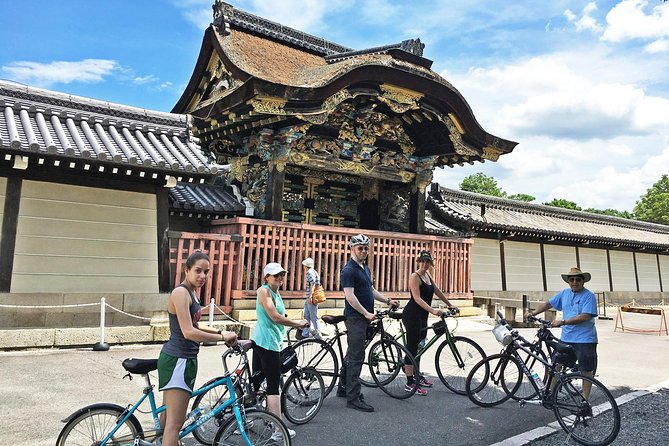
The first major stop is Nishi Honganji, one of Kyoto’s less visited religious sites and home to one of the largest wooden buildings in the world. You have about 15 minutes here.
That short visit works well early in the day. Instead of beginning with Kyoto’s most crowded attraction, you start with a place that allows you to look carefully and listen. The building’s scale is impressive, but the appeal is also in the details. One rider particularly remembered the visible repairs to the historic structure, where signs of mending added character rather than spoiling the view.
Your guide provides the context that makes this stop worthwhile. Without an explanation, a large wooden religious building can blur into the many other temples in Kyoto. With a guide, you can better understand why the site matters and how religious traditions shaped the city.
The 15-minute stop is brief, so do not expect an extended visit or a slow exploration of every building. It works as an introduction, not a complete tour of Nishi Honganji.
Kitano Tenmangu Shrine and local religious life
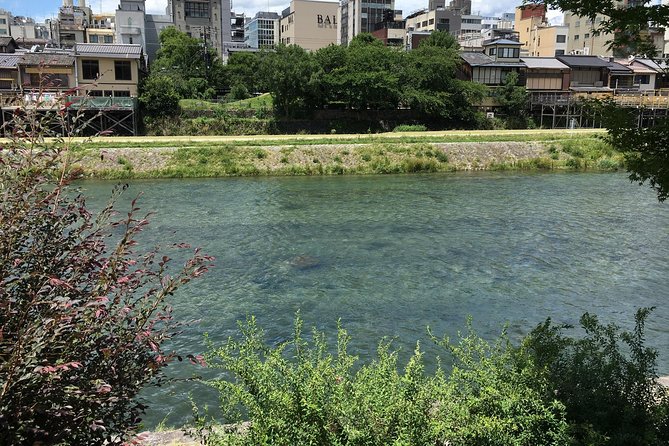
Next comes Kitano Tenmangu Shrine, where you spend about 20 minutes. This is a chance to see a major shrine in use, not simply as a monument on a sightseeing checklist.
The mood here is different from a Buddhist temple. Guides have been especially good at explaining the differences between Shinto and Buddhism, the development of Japanese religious practice, and the way those traditions still influence daily life. That background gives the rest of the day more meaning.
You can watch local shrine goers, take in the grounds, and hear about the shrine’s past. The stop is long enough to enjoy the setting without making the day drag.
This is one of the places where the quality of your guide really matters. Indra, Quinn, Jay, and others have received particular praise for explaining religion in clear language and linking old customs to present-day Japan. If you enjoy cultural context, this may be more valuable than simply adding another famous building to your list.
A few more days on two wheels around Kyoto worth a look
- Hidden Kyoto E-Biking tour
★ 5.0 · 1,843 reviews - Arashiyama Bamboo Forest & Hidden Gems Bike Tour (Early Bird)
★ 5.0 · 613 reviews - 5 Top Highlights of Kyoto Full Day Bike Tour (E-bike option)
★ 5.0 · 511 reviews - Full Day Biking Tour Exploring the Best of Kyoto
★ 5.0 · 498 reviews
Kinkakuji and the famous Golden Pavilion
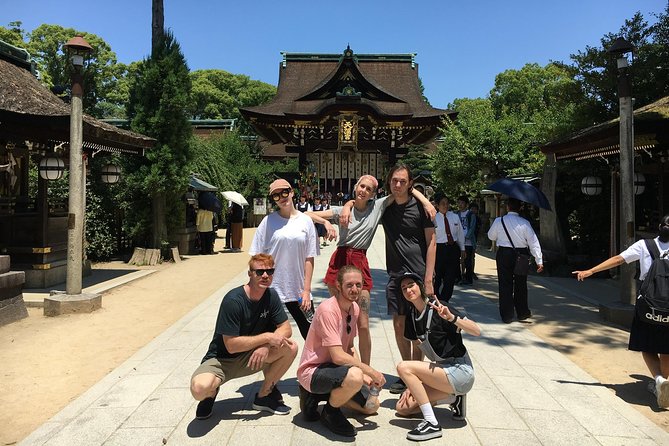
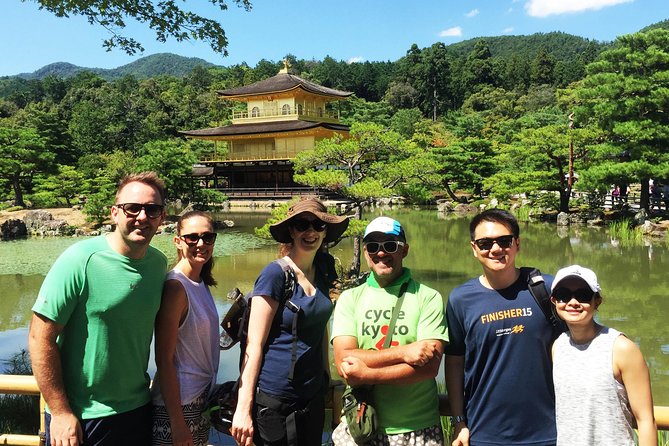
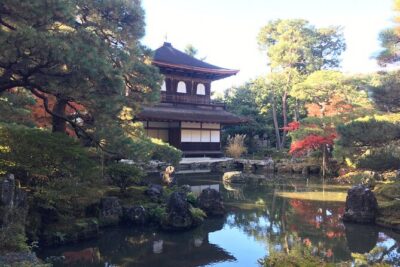
Kinkakuji is the headline attraction. The Golden Pavilion is one of Japan’s most recognizable sights, and the tour allows about 30 minutes there. Temple admission is included.
You should expect this stop to be popular. The pavilion itself is striking, especially reflected in the pond, but you are not visiting a quiet, empty retreat. The advantage of arriving with a guide is that you get useful commentary and a clear sense of what to notice before having time for photos and a short rest.
There is also time to grab an ice cream, a small but practical detail on a warm Kyoto day. The combination of a famous sight, a little explanation, and a chance to cool down keeps the stop from feeling like a rushed photo opportunity.
The route’s modest climb toward Kinkakuji is worth noting. It is not presented as a demanding hill, but you may feel it after riding through the city. Once you leave the pavilion, the route becomes easier in places, and the frequent stops break up the effort.
The former imperial grounds
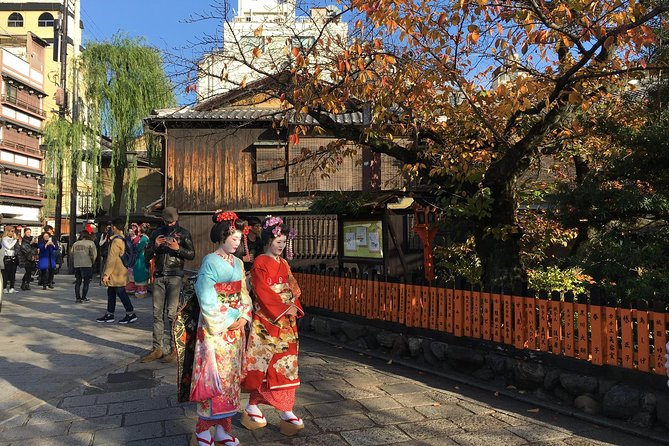
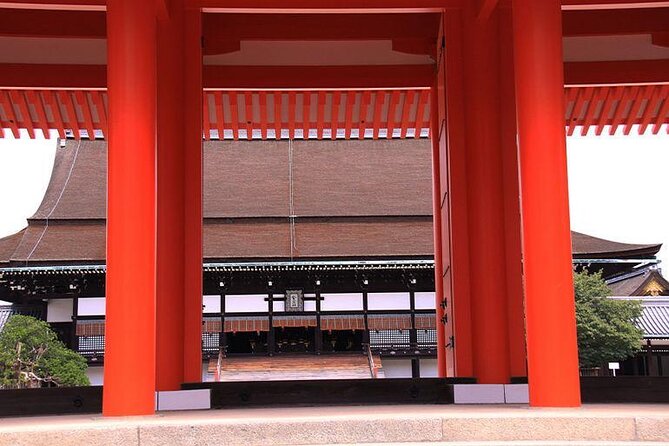
The itinerary also takes you through the grounds of the former seat of Japan’s imperial family. The supplied details do not give a long formal stop here, so think of it as part of the ride rather than a full palace visit.
This section adds useful historical scale to the day. You are not only moving between isolated temples. You are passing through spaces connected to the political and royal story of Japan, then continuing into ordinary Kyoto streets.
The value is in the guide’s explanation and in seeing how these different parts of the city connect. If you want a long, detailed palace tour, this bike experience is not designed for that. If you want to place Kyoto’s imperial past within a wider city route, it fits nicely.
Gion and the final look at geisha culture
The route finishes its sightseeing with a stop in Gion, Kyoto’s famous geisha district. The listed stop lasts about 10 minutes, so keep your expectations realistic.
You may hear about the history and working life of geisha, along with the difference between popular images and the more private reality of the district. You might also catch a glimpse of one of these entertainers, but that is never guaranteed and should not be the reason you book the tour.
A short, respectful visit is the right approach in Gion. The area is not a stage for tourist photos. A good guide helps you understand the district without encouraging intrusive behavior.
Because Gion comes near the end, it works as a final cultural note after you have already seen religious and imperial Kyoto. You get a broader picture of the city rather than a day focused on one theme.
Lunch is part of the experience, not an afterthought
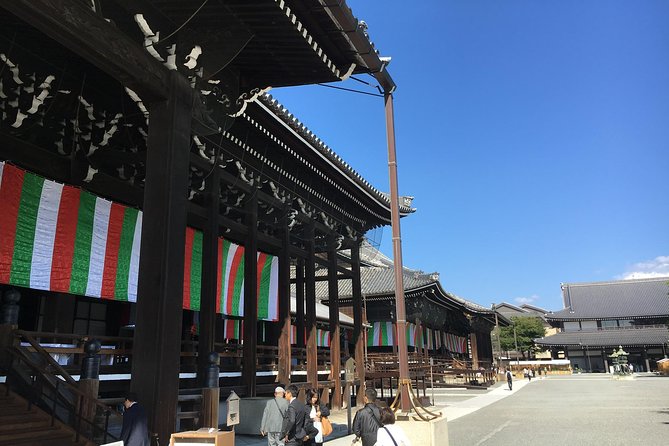
Lunch is included, and it is one of the tour’s most useful features. Depending on the day, the meal may be at a traditional noodle restaurant or a sushi restaurant. One meal took place at a 400-year-old noodle restaurant, while another group ate at a sushi bar after the planned noodle house was closed.
That flexibility is a good sign. You are not promised one exact restaurant in every circumstance, but you are promised a Japanese lunch within the tour. The meal gives you time to rest, refuel, and talk with the small group.
Vegetarian options have been arranged when requested in advance. Dietary requirements need to be provided ahead of time, so do not wait until the morning of the tour.
Lunch also adds value to the $106.12 price. You are paying for a guide, bicycle, equipment, water, temple admission, and a meal, not just for several hours of pedaling. Extra drinks and optional gratuities are not included.
How good are the guides?
The guides are the strongest part of this experience. Specific names that have drawn repeated praise include Mayko, Julian, Indra, Karl, Quinn, and Jay.
Mayko has been appreciated for connecting religious traditions with modern Japanese culture. Julian has been described as relaxed, enthusiastic, and well informed about Kyoto. Indra has been especially effective at explaining Buddhism, Shinto, Japanese history, and geisha culture.
Karl brings humor and detailed answers, while Quinn has been praised for safety, hydration, personal attention, and adjusting the pace. Jay has worked particularly well with families, making younger riders feel included and watching out for their comfort.
Guides can vary from date to date, so you should not book expecting a particular person unless the operator confirms it. The consistent pattern is what matters most: friendly leadership, strong cultural explanations, and care with group safety.
The real physical demands
The ride is generally moderate, but the distance adds up. Reports put the route at about 13 miles or 24 kilometers, with the cycling spread across roughly six hours of stops and visits.
You can expect:
- A steady pace rather than competitive riding
- Frequent stops for temples, shrines, photos, and explanations
- At least one noticeable incline near Kinkakuji
- Long periods outdoors
- Exposure to heat on warm days
Guides have carried or supplied plenty of water on hot outings, and the included bottled water helps. You should still dress for the weather and remember that the tour requires good weather. Rain can lead to a rescheduled date or a full refund.
The experience suits confident riders who exercise moderately, but several accounts suggest it can work for people who do not cycle often, provided they are comfortable riding. The age minimum is 13, and every rider must be comfortable on a bike.
Is $106.12 good value?
At $106.12 per person, this is not the cheapest way to see Kyoto. You could visit individual temples on your own for less, and public transportation costs far less than a guided bike day.
The comparison changes when you count what is included. You get a quality Cannondale bicycle, equipment, a guide, bottled water, lunch, and temple entrance fees. You also get route planning and access to quieter streets that are harder to find on your own.
I think the price is fair for a first or second day in Kyoto, especially if you want an orientation rather than a single temple visit. It is less attractive if you dislike cycling, already know Kyoto well, or prefer to spend several hours inside each attraction.
The tour also has a useful after-effect. You finish knowing which areas deserve a longer return visit. Several people used the ride as a way to decide what to explore during the rest of their stay.
Who should book this ride?
I would recommend it to:
- Active first-time visitors who want a broad introduction to Kyoto
- Couples, families with riders aged 13 and over, and solo visitors
- People who prefer local streets to bus windows
- Anyone interested in the links between Buddhism, Shinto, imperial history, and geisha culture
- Riders who value a guide’s stories as much as the photo stops
I would think twice if you have balance problems, dislike riding in city traffic, need a very slow sightseeing schedule, or want extensive time inside every temple. The tour is active and well paced, but it is still a full day on a bicycle.
Booking and cancellation details
You receive confirmation at booking, and the activity is near public transportation. Free cancellation is available up to 24 hours before the 10:00 a.m. start time. Changes or cancellations inside that window are not accepted for a refund.
Bad weather can cancel the experience, in which case you are offered another date or a full refund. The same applies if the minimum number of participants is not reached. Since rain can affect the schedule, booking this early in your Kyoto stay gives you more room to move it to another day.
Should you book the North Kyoto bike tour?
Yes, if you want to see a lot of Kyoto while still paying attention to the spaces between the major sights. The best reasons to book are the small group, strong guide-led explanations, included lunch, and the chance to combine Nishi Honganji, Kitano Tenmangu, Kinkakuji, the former imperial grounds, and Gion in one day.
Choose another experience if you want a relaxed walking tour or a deep visit to only one temple complex. For the right rider, though, this is a smart way to get oriented, cover serious ground, and see Kyoto as a living city rather than a row of disconnected attractions.
FAQ
How long does the bike tour last?
The tour lasts approximately five to six hours, including cycling, sightseeing stops, lunch, and guide commentary.
What time does the tour start?
The tour starts at 10:00 a.m.
Where does the tour begin?
It begins at Cycle Kyoto, 7 Higashikujō Nishisannōchō, Minami Ward, Kyoto, 601-8003, Japan.
Where does the tour end?
The experience ends back at the meeting point.
What is included in the price?
The price includes a high-quality Cannondale bike, cycling equipment, guidance, bottled water, lunch, and temple entrance fees.
Are drinks included with lunch?
Bottled water is included, but extra drinks are not included.
How old must riders be?
Riders must be at least 13 years old and comfortable riding a bicycle.
How many people can join the tour?
The group has a maximum of eight travelers.
Is lunch suitable for dietary requirements?
Dietary requirements can be accommodated when provided ahead of time. You should notify the operator before the tour.
What happens if it rains?
The experience requires good weather. If poor weather causes cancellation, you are offered a different date or a full refund.
Can I cancel for a full refund?
Yes. You can cancel at least 24 hours before the local start time for a full refund. Changes or cancellations made less than 24 hours before the start are not accepted.
Just added around Kyoto
- Kyoto: Tailored E-Bike Tour to Highlights & Hidden Gems★ 4.9 · 32 reviews
- Best of Kyoto: Ginkakuji & Path of Philosophy E-Bike Tour★ 4.9 · 79 reviews
- Kyoto: Early Bird E-Bike Tour with Lunch★ 5.0 · 14 reviews
- Kyoto: Half-day Guided Bike Tour with Fushimi Inari★ 4.9 · 21 reviews
- Kyoto: Full Day Bike Tour★ 4.9 · 39 reviews
- Kyoto: Full-Day City Highlights Bike Tour with Light Lunch★ 5.0 · 52 reviews
- Cycle Kyoto’s Hidden Gems & Gion Stroll★ 5.0 · 29 reviews
- Kyoto: Arashiyama Bamboo Forest Morning Tour by Bike★ 5.0 · 115 reviews
Kyoto Cycling Tours, compared.
Arashiyama Bamboo Forest & Hidden Gems Bike Tour (Early Bird)
Read our review →
5 Top Highlights of Kyoto Full Day Bike Tour (E-bike option)
Read our review →
Full Day Biking Tour Exploring the Best of Kyoto
Read our review →
Afternoon Kyoto Bike Tour: Bamboo Forest, Monkeys & Hidden Spots
Read our review →
Browse the lists this tour appears in