
REVIEW · KYOTO
E-Bike Tours of the highlights of Kyoto!!!
Kyoto is easier on two wheels. This e-bike tour links temples, shrines, river paths, and old neighborhoods while keeping you off many of the city’s busiest streets. I especially like the small-group format, capped at eight people, and the chance to see Kyoto’s everyday side between major sights. The included e-bike also takes much of the strain out of a long day.
I like the mix of famous places and quieter routes, particularly the Philosopher’s Walk, Gion lanes, and riverside cycling. Guides such as Philippe, Kevin, and Niall add plenty of context about religion, customs, homes, and daily life. The main caution is simple: this is still a long, active outing, and some riders may find the hours in the saddle tiring even with electric assistance.
- Two distinct Kyoto courses: Choose an East Side route or a West Kyoto route, with different temples and sights on each.
- E-bikes are included: Electric assistance helps on a day that can last about five and a half hours.
- Small-group riding: The group limit is eight, which allows for questions, photo stops, and a more personal pace.
- Quiet streets matter: Guides use back lanes, riverside paths, and less crowded routes where possible.
- Temple gardens are a major highlight: Heian Shrine, Ginkakuji, Kinkakuji, and Ryoan-ji each offer a different view of Japanese design.
- Lunch is separate: You can expect to arrange and pay for your own midday meal.
Why Kyoto Works So Well by E-Bike
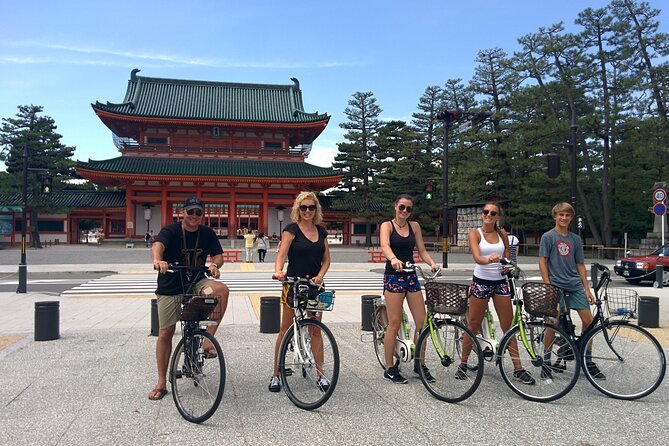
Kyoto’s famous sights are spread across a wide area. Walking between them takes too long, while buses can be slow and crowded around the most popular temples. An e-bike gives you a useful middle ground: you cover ground quickly, but you still move slowly enough to notice wooden homes, small shops, shrine gates, gardens, and ordinary residential streets.
The electric motor is particularly useful for riders who are comfortable on a bicycle but do not want a full day of hard pedaling. The route includes riding between stops, then time on foot at temples and gardens. It is not a nonstop cycling workout, but you should still have a moderate level of fitness and be comfortable riding in an urban setting.
The experience lasts roughly three and a half to six hours, with the usual version taking about five and a half hours. That range likely reflects the different course options and the pace of the group. Plan on giving the tour a good part of your day rather than squeezing it between two fixed appointments.
The price is about $109.43 per person. That includes the guide, e-bike rental, and facility or landing fees. It is not the cheapest way to see Kyoto, but the value improves if you want several major sights, practical route guidance, and cultural explanation in one outing. Admission to several temples is covered, while lunch is not.
Pick the East Side for Gardens and the Philosopher’s Walk
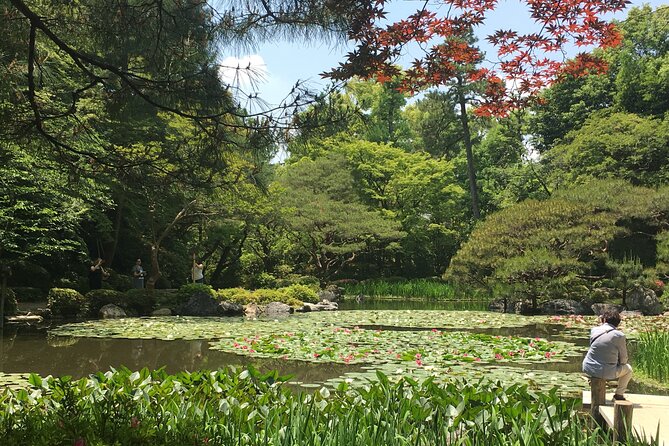
The East Side course is the quieter, more reflective choice. It includes Heian Shrine, Ginkakuji Temple, and the Philosopher’s Walk, with cycling through older neighborhoods and along the river.
Heian Shrine is a striking recreation of Kyoto’s former imperial capital. The main shrine buildings are impressive, but the garden is the reason to pay close attention. It includes three large ponds and broad areas of greenery, giving you room to step away from the city’s noise.
The garden visit also makes this stop useful for understanding Japanese garden design. A guide can point out how water, bridges, planting, and open space shape the mood. You get more from the visit when you know what to look at rather than simply taking a quick photograph of the shrine entrance.
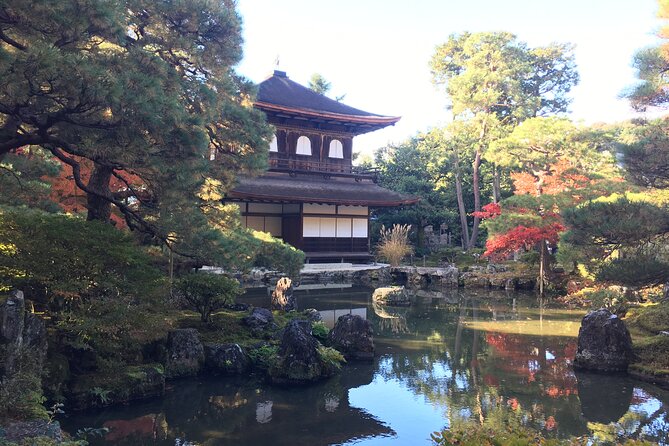
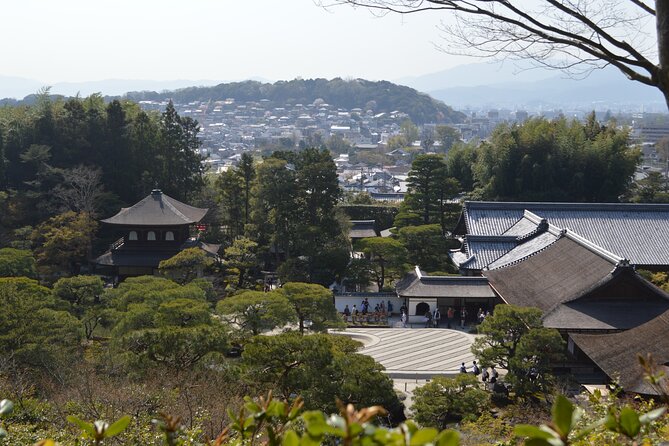
Ginkakuji, often called the Silver Pavilion, is another strong stop for garden lovers. Despite its name, the pavilion is not covered in silver. The grounds are prized for their Zen garden design, carefully arranged plantings, paths, and views across the hillside.
The temple also has an important place in Kyoto’s cultural story as the home of a shogun and a center connected with traditional arts. Your guide can help connect the quiet garden to wider Japanese customs, religion, and aesthetics without turning the visit into a lecture.
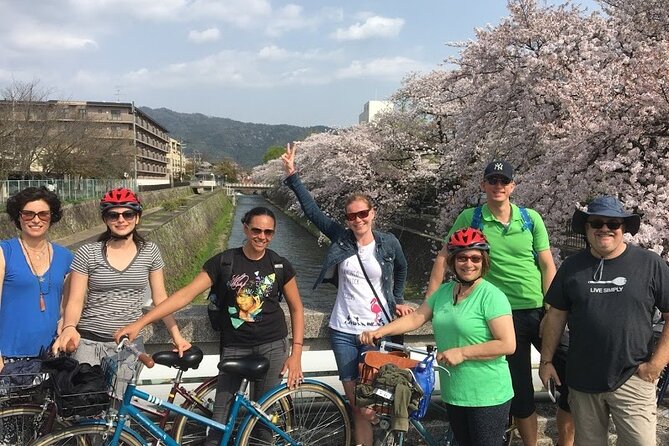
The Philosopher’s Walk provides the most relaxed riding of the East Side course. The path follows a canal through leafy surroundings, and the route gives you a pleasant break from traffic. It is a good place for photos and a slower conversation with your guide.
One practical point: the listed time for the Philosopher’s Walk is about 40 minutes, and it is only part of the East Side course. If this path is high on your list, confirm that you are booked on the correct course. The two routes are not interchangeable.
Some East Side outings may also include a short mountain walk or a picnic stop, depending on the day and route. The supplied details describe one outing with a peaceful but somewhat challenging uphill walk and a city view, so ask about the exact plan if a hike would be difficult for you. Lunch arrangements can include buying prepared food locally and eating outdoors, but lunch is not included in the price.
More City Highlights Bike Tours in Japan
- 5 Top Highlights of Kyoto Full Day Bike Tour (E-bike option)
★ 5.0 · 511 reviews - Kyoto: Full-Day City Highlights Bike Tour with Light Lunch
★ 5.0 · 52 reviews - Kyoto: Tailored E-Bike Tour to Highlights & Hidden Gems
★ 4.9 · 32 reviews
The West Course Packs in Kyoto’s Big Names
The West Kyoto course is the better choice if Kinkakuji, Arashiyama, and Ryoan-ji are your priorities. It covers three of Kyoto’s most recognizable sights, though the famous names also mean more crowds and a more demanding sightseeing day.
Kinkakuji is the Golden Pavilion, a bright three-story structure covered with real gold leaf. The reflection across the pond creates the classic Kyoto view, and the grounds offer several angles as you follow the visitor path.
This stop can feel busy. The pavilion is one of Kyoto’s most photographed places, so your time here is likely to be more about seeing the main view efficiently than sitting in solitude. A guide helps by explaining what you are looking at and keeping the group moving without losing the pleasure of the setting.
Arashiyama Bamboo Forest is the West course’s natural showpiece. The tall bamboo creates a narrow corridor with a very different mood from the open temple gardens. The listed visit is about 30 minutes, which is enough to walk through a section and take photographs, but not enough for a long exploration of the wider Arashiyama area.
The bamboo grove is also one of Kyoto’s most popular photo stops. Expect other people, especially at busy times. The value here is not quiet isolation, but the chance to reach the grove by bicycle and combine it with two very different temples in the same day.
Ryoan-ji completes the course with its famous rock garden. Fifteen stones are arranged across a bed of pale gravel, though the design invites more questions than easy answers. You can sit and look for a while, then ask your guide about the garden’s symbolism, Zen ideas, and the different ways people interpret the arrangement.
The visit is listed at about 40 minutes. That is enough time to sit, observe, and hear an explanation, but some people may want longer. Ryoan-ji is best for anyone who enjoys quiet spaces and visual details. If you prefer constant movement and dramatic buildings, the garden may feel spare.
The Ride Between the Sights Is the Real Bonus
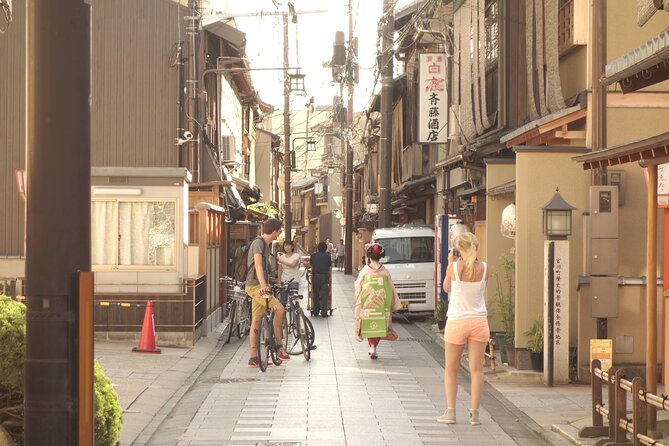
The temples provide the headline attractions, but I think the connecting routes are what make this experience different from a standard sightseeing circuit. You may cycle through Gion, pass old geisha houses, follow the Kamo River, and use smaller streets that you might not find on your own.
That route gives you glimpses of ordinary Kyoto: changing house styles, small businesses, side lanes, and local neighborhoods. You are not simply being carried from one entrance to another. You get a sense of how the city fits together.
The guides also adjust the route when festivals, road closures, or heavy crowds create problems. Philippe has been praised for finding quieter alternatives and pointing out details that are easy to miss. Kevin is noted for his friendly manner, language skills, and ability to explain both major sights and everyday Japanese life. Niall brings a similar mix of local context and easygoing guidance.
The strongest part of the guiding is the range of subjects. You can expect discussion of Shinto shrines, Buddhist temples, religious practices, architecture, legends, and modern life. That makes the tour useful early in your Kyoto stay, because the explanations can help you understand the places you visit later on your own.
What the Cycling Feels Like
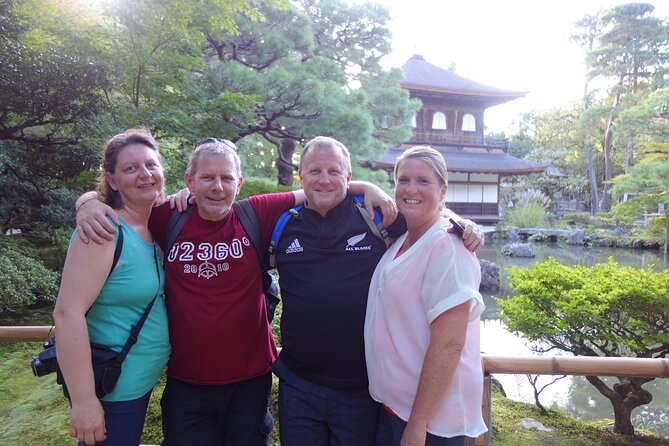
The route is described as mostly flat, which helps. Several outings have been praised for comfortable, well-maintained bikes and minimal traffic on much of the route. The e-bike assistance is a major help when the day stretches toward six hours.
Still, you should not mistake electric assistance for effortless travel. You need to start, stop, steer, watch the road, and ride as part of a group. Kyoto’s streets can become crowded, and one poor experience focused on bike quality, busy roads, and confusing right-of-way signs. That is a useful warning, especially if you have not ridden in a city recently.
At the start, pay attention to the bike briefing and ask questions about the controls. If the fit feels wrong, say so before leaving. Comfortable clothing, sensible shoes, water, and protection from sun or rain will make a long day easier.
The group limit is eight people, although some descriptions emphasize groups of six or fewer. Either way, this is much more personal than a large bus tour. You can ask questions, stop for photos, and keep track of the guide more easily. The exact group size may vary, so do not assume every departure will be a tiny private ride.
More E-Bike Tours in Japan
- Hidden Kyoto E-Biking tour
★ 5.0 · 1,843 reviews - Kyoto: Memory Kyoto E-Bike Tour
★ 4.8 · 297 reviews - Kyoto: City Secrets eBike Tour
★ 4.9 · 196 reviews - Kyoto: Hidden Gems E-Bike Tour with Local Japanese Guide
★ 4.9 · 189 reviews
Guides Who Add More Than Directions
A good bike guide must do two jobs at once: manage a moving group safely and make the city meaningful. This tour seems strongest when Philippe, Kevin, or Niall is leading, with repeated praise for clear explanations, warmth, flexibility, and genuine affection for Kyoto.
Philippe is particularly associated with thoughtful storytelling and an artistic eye. He has been praised for explaining just enough at each stop, choosing attractive routes, and helping people notice views they might otherwise miss. His background and long experience in Kyoto add useful local perspective.
Kevin is known for a friendly, conversational style and broad knowledge of Japan. He has explained religion, traditions, temples, neighborhood life, and food choices, and has sometimes continued the social side of the day over lunch. That kind of warmth will suit you if you prefer a guide who feels approachable rather than formal.
Niall has also been praised for combining local information with engaging stories. Guides can make or break a culture tour, and here the personal connection seems to be one of the strongest reasons to book.
Keep in mind that you may not receive the guide you hope for. The experience is provided by Kyoto Fun, and guide assignments can vary.
Who Should Book This Kyoto Tour?
I would choose this tour if you have limited time in Kyoto and want to see several important places without spending the day on buses. It is also a good fit if you care about the spaces between attractions, not just the attractions themselves.
The East Side course suits garden lovers, photographers, and anyone who wants a calmer route. Choose the West course if Kinkakuji, the bamboo grove, and Ryoan-ji are must-see stops. If you want all six listed attractions, do not assume one outing includes them all. They are split between the two courses.
This experience is less suitable for very young children, riders who are nervous in traffic, or anyone who dislikes a long active day. The electric motor reduces effort but does not remove the need to cycle for several hours.
Your mobile ticket is included, and the meeting point is Kyoto Fun E-Bike Tours & Rentals at 222-2 Koyamachō, Kita Ward. The tour returns to that same location. It is near public transportation, but you should still allow time to arrive ready to ride.
Free cancellation is available up to 24 hours before the start time. Poor weather can lead to a new date or full refund, and the same applies if the minimum number of participants is not reached. That matters in Kyoto, where rain can quickly turn a pleasant ride into a miserable one.
Should You Book It?
Book this tour if you want a full Kyoto day with temples, gardens, neighborhoods, and a little exercise in the mix. The best value comes from the combination of an included e-bike, entrance fees, a small group, and a guide who can explain what you are seeing.
Choose the East Side for Heian Shrine, Ginkakuji, and the Philosopher’s Walk. Choose the West course for the Golden Pavilion, Arashiyama Bamboo Forest, and Ryoan-ji. Just confirm the route before booking, bring enough energy for a long outing, and remember that lunch costs extra.
At $109.43, it is a fair choice for a first look at Kyoto, especially if you would otherwise spend money and time piecing these sights together yourself. If you want a fast list of photo stops, this may feel too slow. If you want to understand Kyoto while moving through its streets, it is one of the more rewarding ways to spend half a day.
FAQ
How long does the e-bike tour last?
The experience lasts approximately three and a half to six hours, with the usual tour taking about five and a half hours.
What is included in the price?
The price includes a guide, e-bike rental, and landing and facility fees. Lunch is not included.
Which sights are on the East Side course?
The East Side course includes Heian Shrine, Ginkakuji Temple, and the Philosopher’s Walk.
Which sights are on the West Kyoto course?
The West course includes Kinkakuji Temple, Arashiyama Bamboo Forest, and Ryoan-ji Temple.
Where does the tour begin and end?
The tour begins at Kyoto Fun E-Bike Tours & Rentals, 222-2 Koyamachō, Kita Ward, Kyoto, and ends back at the same meeting point.
What happens if the weather is poor?
If poor weather causes the tour to be canceled, you will be offered a different date or a full refund.
More City Highlights Bike Tours in Kyoto
- 4.5-hr Kyoto Historical Highlights Bike Tour with UNESCO
★ 4.7 · 13 reviews - 3-Hour Porto Highlights on a Electric Bike Guided Tour
★ 5.0 · 4,392 reviews - Porto: City Highlights 3-Hour Guided Electric Bike Tour
★ 4.8 · 3,092 reviews - Highlights & Hidden Spots of Barcelona Bike Tour w/ Local Guide
★ 4.5 · 3,009 reviews
More E-Bike Tours in Kyoto
- Historical Kyoto E-Bike Tour
★ 5.0 · 181 reviews - Best of Kyoto: Ginkakuji & Path of Philosophy E-Bike Tour
★ 4.9 · 79 reviews - Kyoto: Fushimi Inari Shrine and Tofukuji Temple E-Bike Tour
★ 5.0 · 75 reviews - Kyoto: Hidden Gems E-Bike Tour Through Backstreets & Temples
★ 4.9 · 54 reviews
Just added around Kyoto
- Kyoto: Tailored E-Bike Tour to Highlights & Hidden Gems★ 4.9 · 32 reviews
- Best of Kyoto: Ginkakuji & Path of Philosophy E-Bike Tour★ 4.9 · 79 reviews
- Kyoto: Half-day Guided Bike Tour with Fushimi Inari★ 4.9 · 21 reviews
- Kyoto: Full Day Bike Tour★ 4.9 · 39 reviews
- Kyoto: Early Bird E-Bike Tour with Lunch★ 5.0 · 14 reviews
- Kyoto: Full-Day City Highlights Bike Tour with Light Lunch★ 5.0 · 52 reviews
- Cycle Kyoto’s Hidden Gems & Gion Stroll★ 5.0 · 29 reviews
- Kyoto: Arashiyama Bamboo Forest Morning Tour by Bike★ 5.0 · 115 reviews
City Highlights Bike Tours, compared.

3-Hour Porto Highlights on a Electric Bike Guided Tour
Read our review →
City Highlights 3-Hour Guided Electric Bike Tour
Read our review →
Highlights & Hidden Spots of Barcelona Bike Tour w/ Local Guide
Read our review →
Sights and Highlights Bike Tour with a Local Guide
Read our review →
Highlights 3 Hour Bike Tour with a Local Guide
Read our review →
Browse the lists this tour appears in