REVIEW · KYOTO
Historical Kyoto E-Bike Tour
Kyoto opens up on two wheels. This five- to six-hour ride links famous temples with quiet back streets, making it easier to cover the city’s spread-out sights. I especially like the electric-assist bikes and the small groups of no more than eight. The main tradeoff is that the tour still involves plenty of walking, city traffic, and a lunch stop where you will need yen.
The route is built for people who want more than a quick temple photo. Guides such as Jody, Pohan, Diego, George, Jorge, and Benjamin have earned praise for clear explanations, good humor, and careful riding guidance. The meeting point is a little tucked away, so allow extra time to find Memory Kyoto Bike Tour in Nakagyo Ward.
Key points before you book
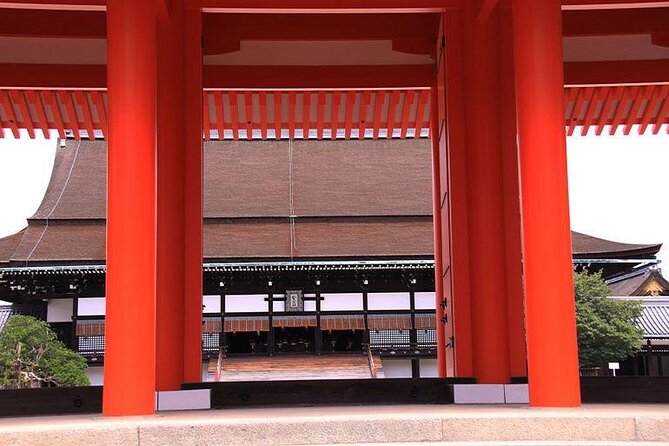
- Four major Kyoto sights in one day: Visit Kitano Tenmangu, Kinkaku-ji, Arashiyama Bamboo Forest, and Tenryu-ji.
- Electric bikes reduce the strain: The assisted bikes make Kyoto’s long distances more manageable, but you still need to pedal and handle city streets.
- Small groups keep the day personal: The maximum group size is eight, useful when crossing roads, asking questions, or adjusting the pace.
- Expect a mix of cycling and walking: The bikes connect the sights, while temple grounds and the bamboo grove are explored on foot.
- Bring cash for lunch and small temple offerings: Several tour takers specifically appreciated the food stop but noted that some places are cash only.
- Morning departures give you two choices: You can select between two morning tour options when booking.
Why an e-bike makes sense in Kyoto
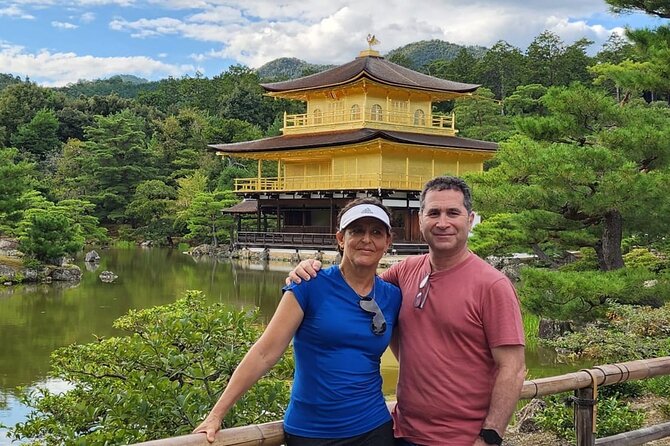
Kyoto’s major sights are not all clustered together. Kinkaku-ji lies in the northwest, while Arashiyama is farther west, and the starting point is in central Kyoto. On foot, connecting these places would take much of your day. Public transportation can work, but it adds waiting, transfers, and station walks.
An e-bike gives you a useful middle ground. You cover more ground than on a walking tour without committing to a hard athletic ride. The electric assistance is especially helpful when the day runs long or when you want to save energy for temple grounds and the bamboo forest.
Do not mistake the bike for a motor scooter. You still pedal, steer, stop, and share roads with cars, buses, mopeds, pedestrians, and other cyclists. The ride takes place in an active city, with few dedicated bike paths. If you are comfortable riding on city streets, the route should feel manageable. If you rarely cycle in traffic, this is the main point to consider.
The guides explain street crossings and local riding rules, which adds real value. Some guides ride at the front and back of the group, helping keep everyone together. That matters more in Kyoto than it might on a quiet country bike path.
More E-Bike Tours in Japan
- Hidden Kyoto E-Biking tour
★ 5.0 · 1,843 reviews - 5 Top Highlights of Kyoto Full Day Bike Tour (E-bike option)
★ 5.0 · 511 reviews - Kyoto: Memory Kyoto E-Bike Tour
★ 4.8 · 297 reviews
Starting near central Kyoto
The tour begins at Memory Kyoto Bike Tour, at 8-6 Umaryo-cho in Nishikyo Nakagyo-ku, Kyoto. The location is near public transportation, but it can be easy to miss because it is down a back road and has limited signage. Plan a little extra time rather than arriving at the last minute.
Your bike and helmet are provided, and water is included. The group size is capped at eight, which keeps the start-up process fairly simple and gives the guide room to check that everyone is comfortable before setting off.
Two morning departure options add flexibility. A morning start also makes sense for this route because the day is long, and the famous sights can become crowded. You will not avoid crowds entirely, especially at Kinkaku-ji and Arashiyama, but cycling lets you move away from the busiest areas between stops.
Kitano Tenmangu and the plum-tree tradition
The first stop is Kitano Tenmangu Shrine, where you begin with Kyoto’s religious and cultural traditions. The shrine is linked to Sugawara no Michizane, a historical figure honored as a deity of learning. That connection gives the site a particular appeal for anyone interested in Japanese education, scholarship, and shrine customs.
You have about 30 minutes here, with admission included. The visit is short, so listen closely as your guide explains what you are seeing. This is also a place where small coins can be useful if you want to take part in traditional customs or make an offering.
Kitano Tenmangu is especially attractive in early spring, when roughly 1,000 plum trees bloom. The blossoms create one of the prettiest settings on the route, though timing is naturally seasonal. If your visit falls outside the flowering period, the shrine’s connection to Michizane remains the main reason for the stop.
The brief visit works well as an introduction. You get context before the larger temple complexes later in the day, without spending so much time here that the rest of the route becomes rushed.
Kinkaku-ji, Kyoto’s golden landmark
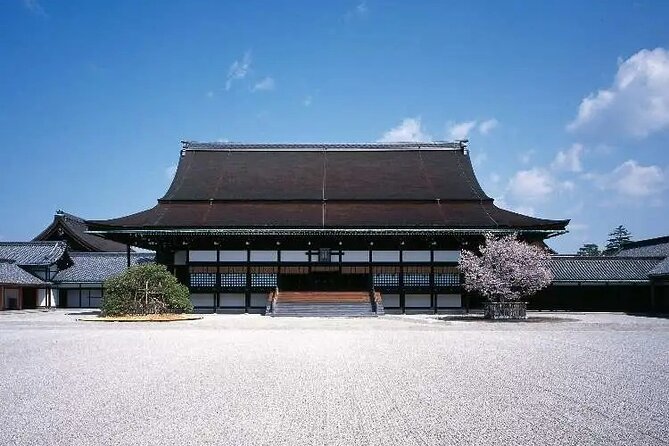
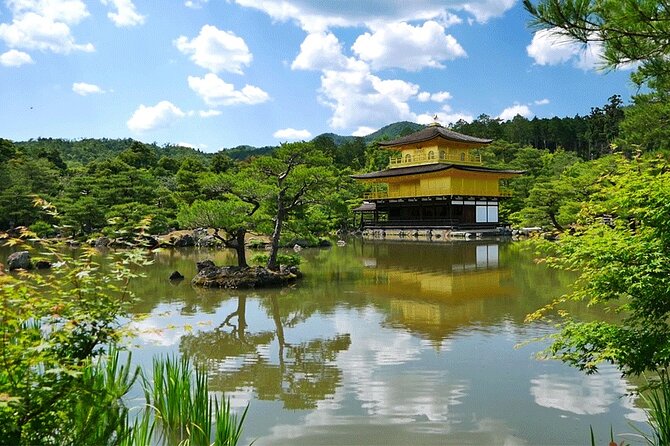
Kinkaku-ji, also known as the Golden Pavilion, receives about 45 minutes. Its gold-leaf exterior reflects in the pond, creating the classic Kyoto scene you have probably seen in photographs. In person, the setting is still striking, even when the grounds are busy.
The stop is less about wandering freely for hours and more about seeing the pavilion, hearing how the temple developed, and understanding its place in Kyoto. Your guide provides the background, then gives you time to take photographs and look around.
Crowds are the clear drawback. Kinkaku-ji is one of Kyoto’s most famous sights, so you should expect a steady flow of people. The bike tour helps by bringing you directly into a wider route, but it cannot turn a famous temple into a quiet one.
The gold pavilion also makes this a good example of the tour’s overall approach. You see a major attraction, but you do not spend the entire day waiting in lines or riding public transportation between famous locations. The bike does the connecting work.
More E-Bike Tours in Kyoto
- E-Bike Tours of the highlights of Kyoto!!!
★ 5.0 · 291 reviews - Kyoto: City Secrets eBike Tour
★ 4.9 · 196 reviews - Kyoto: Hidden Gems E-Bike Tour with Local Japanese Guide
★ 4.9 · 189 reviews - Best of Kyoto: Ginkakuji & Path of Philosophy E-Bike Tour
★ 4.9 · 79 reviews
Lunch, local food, and a cash reminder
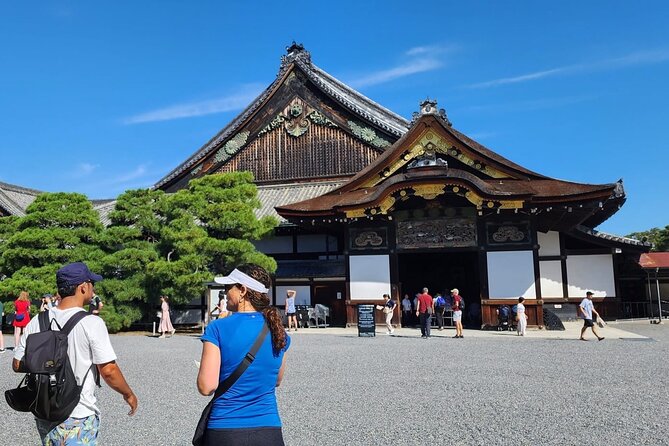
The time between stops includes lunch. The exact restaurant can vary, but the experience has included ramen and other Japanese food venues, including a food court with a wide range of choices. One lunch stop featured food delivered by small robot carts, adding a playful modern touch to the meal.
Bring yen. Some lunch locations are cash only, and you may also want small coins for shrine or temple customs. The meal is not presented as a fully included part of the tour, so budget separately for what you order.
Lunch is also a useful pause in a long day. You can rest your legs, ask the guide questions, and meet the other people in your group. Dietary needs have been handled attentively in the past, but you should still tell the guide about your needs early in the day rather than waiting until everyone is seated.
One point of balance: not everyone wants a fixed restaurant break. A three-star assessment specifically objected to spending about 45 minutes at a restaurant when the person did not want to eat lunch. If you prefer to keep moving or choose your own meal, ask about the lunch arrangement at the start.
Arashiyama Bamboo Forest on foot
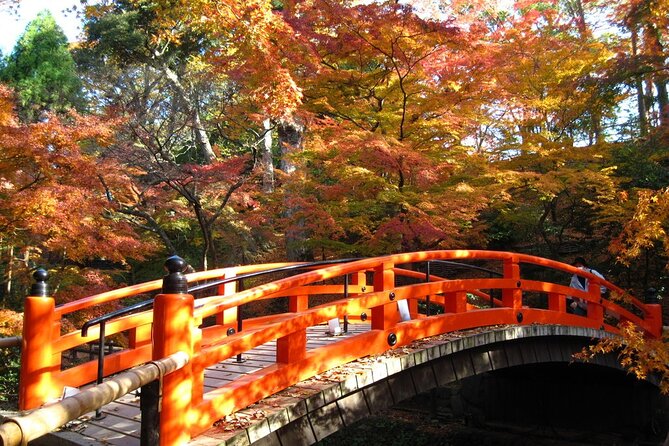
The Bamboo Forest Trail is one of the day’s signature stops. You leave the bikes and walk among tall bamboo stalks, a change of pace after the city riding. The grove has a quiet, enclosed feel that is very different from the open temple courtyards and busy streets.
The scheduled visit lasts about 45 minutes. That gives you time to walk, take photographs, and enjoy the setting without turning the stop into a hurried photo break. Still, the grove is famous, and parts of it can be crowded. The best experience comes from paying attention to the path and the bamboo overhead rather than expecting complete solitude.
This is one reason the tour is not simply a cycling excursion. A large part of the day is spent walking through cultural sites. One assessment described the day as roughly 75 percent walking and 25 percent biking, which is useful guidance even though the exact balance can change.
You may also get the chance to finish the Arashiyama portion at the Kimono Garden. That detail is not guaranteed as a formal stop, but it has been included for some groups. Your guide may also adjust where the walking portion ends based on the group’s needs.
Tenryu-ji and one of Kyoto’s finest gardens
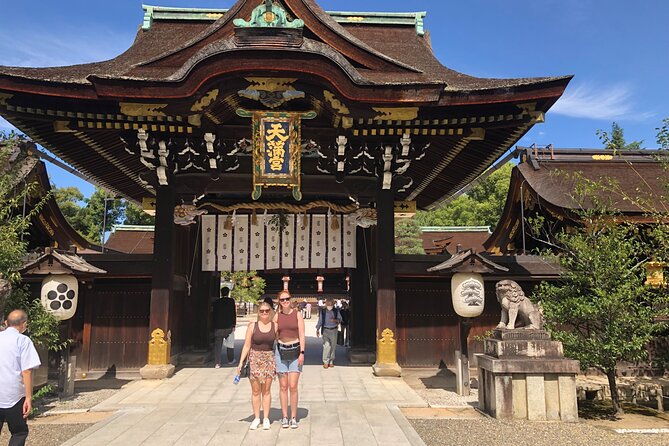
Tenryu-ji receives another 45-minute visit. The temple is a UNESCO World Heritage Site, recognized since 1994, and its garden is the main focus of the stop. After the bamboo grove, this visit provides a calmer setting with carefully arranged views and a clear connection between temple buildings and garden design.
Your guide explains the religious and historical setting, then gives you time to walk through the garden. If you enjoy Japanese garden design, this may be the most rewarding stop of the day. If you prefer fast sightseeing, the amount of walking and looking may feel slower than the bike portions.
The route description places Tenryu-ji after the bamboo forest, and the tour ends back at the original meeting point. Since Arashiyama is far from central Kyoto, riding back is part of the reason the e-bike is so useful. You see more of the city instead of treating the west side as an isolated excursion.
The guides are a major part of the value
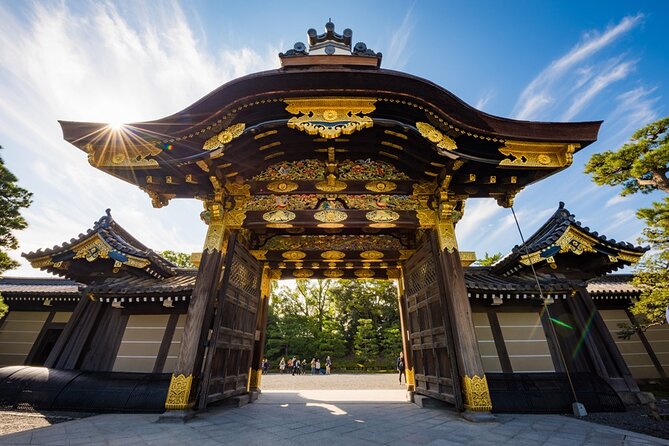
The guide can shape this experience more than any individual temple. Jody has been praised for explaining Japanese customs clearly, helping with food and dietary requests, and making the day fun for families and teenagers. Pohan is described as warm, adaptable, and able to adjust the plan during rain or snow. Diego receives praise for easy conversation, local food suggestions, and historical explanations.
George has been noted for explaining Kyoto’s cycling rules and street crossings carefully. Benjamin has been appreciated for making history and Japanese customs approachable, even while handling an unexpected wrong turn without fuss. These details matter because the tour combines traffic, temples, food, and a long schedule.
The strongest guide experience is not just a list of dates and names. It is learning how to behave at a shrine, what a temple garden is designed to do, and how daily life fits around Kyoto’s old religious sites. If you enjoy asking questions, a small group gives you a better chance to have that conversation.
The guide quality may vary from person to person, as it does on any scheduled tour. The consistently positive descriptions of several different guides suggest that the company has a solid team, but you cannot request a particular guide from the information provided.
Is the $99.49 price fair?
At $99.49 per person, this is not the cheapest way to see Kyoto. You are paying for a five- to six-hour experience, an e-bike, helmet, guide, water, admissions to the listed sites, and a route that connects places spread across the city.
The value improves if you have limited time. You can see four important sites, learn about them, and avoid spending your day figuring out train routes or bus connections. The bike also adds a sense of place that you do not get from moving between stations.
The price is less attractive if you already plan to visit all four sites independently, prefer slow temple visits, or dislike cycling in traffic. Lunch is separate, and you may want extra yen for food and religious customs.
With a 4.9 rating from 181 assessments and a 98 percent recommendation rate, the experience has a strong record. I would treat those figures as a sign of reliable appeal, not a guarantee that every rider will love the traffic or the walking-heavy schedule.
Who should book this Kyoto bike tour?
I would recommend it most strongly to first-time Kyoto visitors with limited time, active couples, families with confident teenage cyclists, and anyone who likes learning while moving. It is also a good first-day activity because the guides can give you useful context for later temple visits.
Families should be honest about cycling ability. Two teenagers enjoyed the route with experienced adults, but the city traffic was still a concern. This is better for riders who can control a bike around cars and pedestrians, not for children who are only comfortable on quiet paths.
You should think twice if you have mobility limits, want a relaxed walking tour, or feel nervous sharing urban roads. The e-bike reduces exertion, but it does not remove the need to ride safely or walk through temple grounds.
Free cancellation is available up to 24 hours before the start time for a full refund. Changes or cancellations inside that window are not accepted for a refund, so keep the local cut-off time in mind.
My booking advice
Book this tour if you want to connect Kyoto’s major western sights in one active day and appreciate a guide who explains customs, history, food, and riding rules. The combination of Kinkaku-ji, Kitano Tenmangu, Arashiyama, and Tenryu-ji gives you a broad introduction without spending the whole day underground on trains.
Skip it if your ideal Kyoto day means lingering quietly at one temple, avoiding traffic, or choosing every meal and stop yourself. For the right rider, though, the e-bike is a smart tool: it helps you see more, keeps the group small, and turns the long distances between Kyoto’s headline sights into part of the experience.
FAQ
How long does the Historical Kyoto E-Bike Tour last?
The tour lasts approximately five to six hours. Time includes cycling between locations, walking through the sites, and a lunch break.
Where does the tour begin and end?
It begins at Memory Kyoto Bike Tour, 8-6 Umaryo-cho, Nishikyo Nakagyo-ku, Kyoto. The tour ends back at the same meeting point.
What sights are included?
The route includes Kitano Tenmangu Shrine, Kinkaku-ji Temple, the Arashiyama Bamboo Forest Trail, and Tenryu-ji Temple.
Are the bikes electric?
Yes. Everyone can use an e-bike during the tour. A helmet is also provided.
How large is the group?
The group has a maximum of eight people.
Are there morning departure options?
Yes. You can choose between two morning tour options.
Is lunch included in the price?
The tour includes time for lunch, but the supplied information does not state that the meal itself is included. Bring yen because some lunch locations are cash only.
Is water provided?
Yes. A bottle of water is included.
What is the cancellation policy?
You can cancel up to 24 hours before the start time for a full refund. Cancellations or changes made less than 24 hours before the start time are not accepted for a refund.
More Heritage and Temple Bike Tours in Kyoto
- Bangkok: Temples, Canals & Local Life Bike Tour
★ 4.9 · 3,511 reviews - Historical Singapore Bike Tour on Full-Sized Bicycles
★ 5.0 · 1,421 reviews - Barcelona: 2.5-Hour Bike or E-Bike Historical Tour
★ 4.5 · 1,262 reviews - Bangkok: Night Bike Tour with Temples & Flower Market Visit
★ 4.8 · 751 reviews
More Heritage and Temple Bike Tours in Japan
- 4.5-Hour Kyoto Bike Tour with Lunch and UNESCO Zen Temples
★ 5.0 · 122 reviews - Kyoto: Fushimi Inari Shrine and Tofukuji Temple E-Bike Tour
★ 5.0 · 75 reviews - Kyoto: Hidden Gems E-Bike Tour Through Backstreets & Temples
★ 4.9 · 54 reviews - 4.5-hr Kyoto Historical Highlights Bike Tour with UNESCO
★ 4.7 · 13 reviews
Just added around Kyoto
- Kyoto: Tailored E-Bike Tour to Highlights & Hidden Gems★ 4.9 · 32 reviews
- Best of Kyoto: Ginkakuji & Path of Philosophy E-Bike Tour★ 4.9 · 79 reviews
- Kyoto: Early Bird E-Bike Tour with Lunch★ 5.0 · 14 reviews
- Kyoto: Half-day Guided Bike Tour with Fushimi Inari★ 4.9 · 21 reviews
- Kyoto: Full Day Bike Tour★ 4.9 · 39 reviews
- Kyoto: Full-Day City Highlights Bike Tour with Light Lunch★ 5.0 · 52 reviews
- Cycle Kyoto’s Hidden Gems & Gion Stroll★ 5.0 · 29 reviews
- Kyoto: Arashiyama Bamboo Forest Morning Tour by Bike★ 5.0 · 115 reviews
Heritage and Temple Bike Tours, compared.
Historical Singapore Bike Tour on Full-Sized Bicycles
Read our review →

Night Bike Tour with Temples & Flower Market Visit
Read our review →
Intramuros, Manila: Historical Bamboo Bike Tour
Read our review →