
REVIEW · JAPAN
Nara: City Highlights Shared Group or Private Bike Tour
Nara is best seen on two wheels. This three-hour tour gives you a lively mix of temples, deer, shrine lanterns, and local craft, rather than keeping you in one crowded sightseeing zone. I especially like the relaxed pace through Nara Park and the chance to visit Kikuichi, a traditional Japanese cooking knife shop. The main drawback is the meeting point, which sits away from the central station area and may require a bus or taxi.
You should also expect a proper workout, even though the tour is not designed as a race. A few climbs and three hours in the saddle can leave you tired, but the reward is seeing more of Nara in one morning or afternoon. Guide Robert has earned praise for his lively explanations, and the tour can be booked as a private outing or a small group.
Key points at a glance
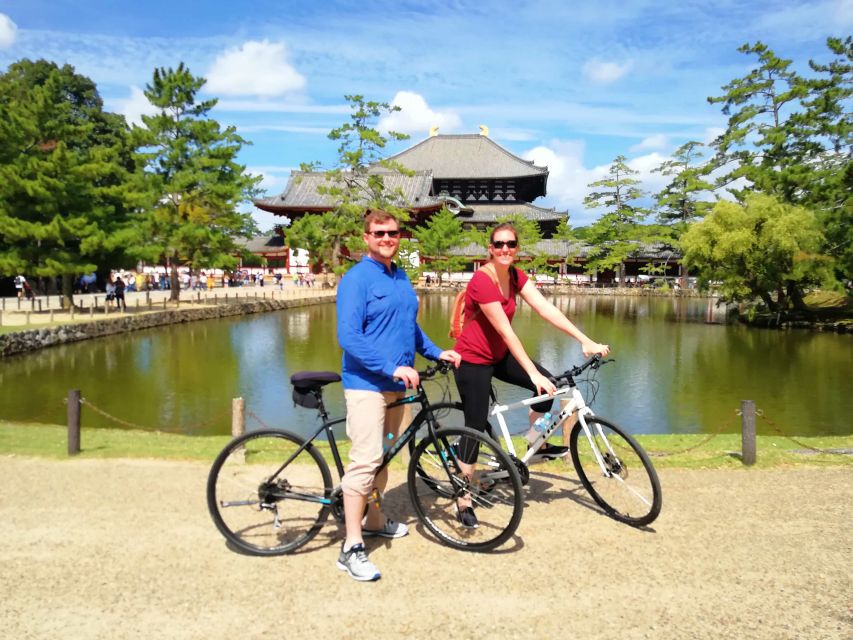
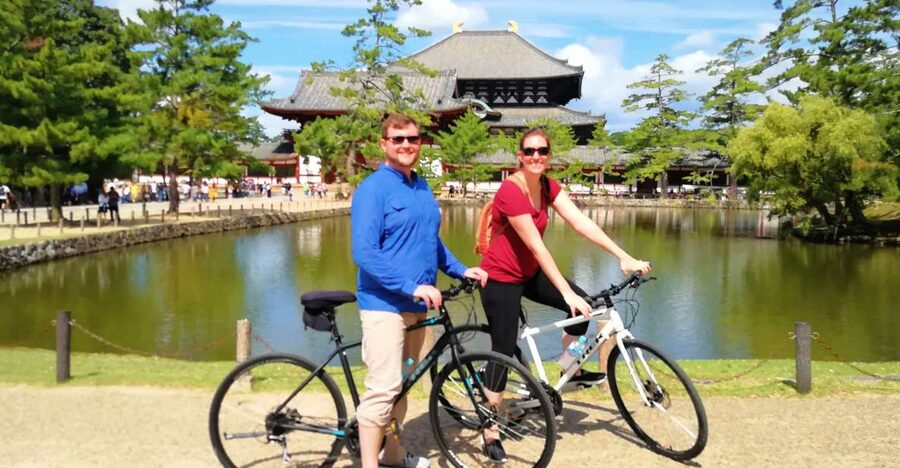
- See Nara by bicycle: Cover major sights and quieter streets more efficiently than on foot.
- Meet the deer in Nara Park: Ride at an easy pace through the city’s famous parkland.
- Visit the Great Buddha: Enter Tōdai-ji and see its huge 15-meter Buddha statue.
- Count the lanterns at Kasuga Taisha: Walk through one of Nara’s most atmospheric Shinto shrine complexes.
- Learn about Japanese knives: Stop at Kikuichi, a high-end cooking knife retailer with a long craft tradition.
- Plan for the starting point: The bike base is near the Toichi Shougakko bus stop, not directly beside JR Nara Station or Kintetsu Nara Station.
Why a bicycle works so well in Nara
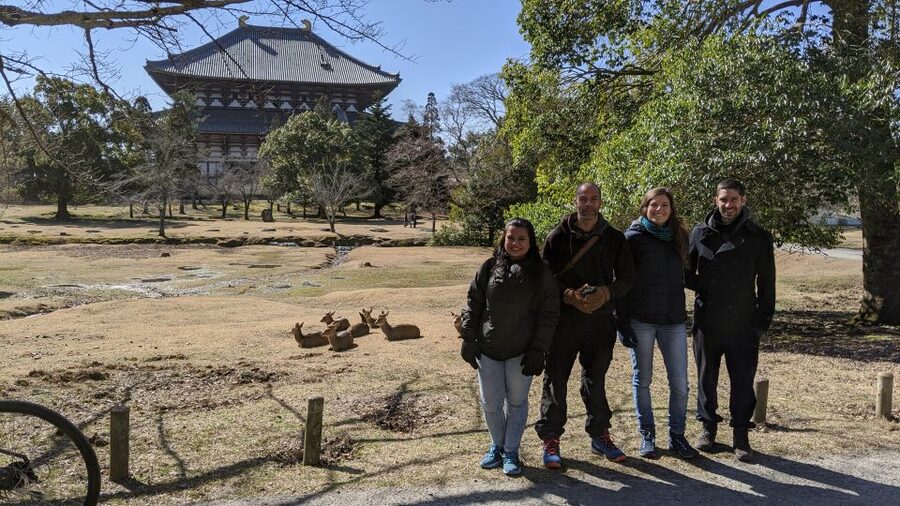
Nara’s headline sights are spread across a broad area. You can walk between them, but the distances add up, especially after visiting Tōdai-ji and wandering through Nara Park. A bicycle lets you connect the stops without spending much of your precious sightseeing time on roads or waiting for transport.
The tour runs for about 210 minutes, with riding, walking, photo stops, and free time mixed together. I like this format because you are not simply pedaling past the sights. You get off the bike when a temple or shrine deserves a closer look, then continue through the city without retracing every step.
The pace is described as relaxed, but this is still an active outing. One participant called it a working tour, and that is fair. The route includes some climbs, and you should be comfortable riding for several hours. You do not need to be a serious cyclist, but comfortable clothes and shoes matter.
You receive a bicycle, helmet, guide, entrance fees, and a bottle of water. Food and additional drinks are not included, so bring a snack and extra water if you tend to get thirsty while riding.
More City Highlights Bike Tours in Japan
- Tokyo Top Highlights 3h Guided E-bike Tour
★ 5.0 · 714 reviews - 5 Top Highlights of Kyoto Full Day Bike Tour (E-bike option)
★ 5.0 · 511 reviews - Tokyo: 3-Hour Bike or E-Bike City Highlights Tour
★ 4.8 · 435 reviews
Finding the bike base near Toichi Shougakko
The practical wrinkle comes before the riding starts. You meet the guide at the bike base near the Toichi Shougakko bus stop, written in Japanese as 東市小学校. Search for Japan Tour Adventure in Nara on Google Maps, and watch the supplied bus instruction video if you are coming from JR Nara Station or Kintetsu Nara Station.
This location is not the most convenient choice for a first-time visitor. You may need a bus or taxi to reach it, and you should allow enough time to find the base before the scheduled start. Several people have found the instructions clear but the location less friendly for visitors staying near the main stations.
Once you arrive, the process is simple. You meet the guide, receive a short introduction and safety briefing, put on your helmet, and set off. The provider offers English, French, and Japanese tours. Private and small-group options are available, which can make a real difference if you want more questions answered or a gentler pace.
Ukimido and the opening ride
The first cycling section lasts about 30 minutes and includes Ukimido. This is a useful way to get used to the bicycle before reaching the major temple grounds. You can settle into the pace, learn how the guide handles crossings and stops, and begin seeing Nara beyond the station district.
Do not expect a long formal visit at every early stop. The tour is designed to keep moving, so some places work mainly as scenic riding and orientation. That is part of the value: you get a wider sense of Nara instead of spending the entire session inside one complex.
The guide also begins introducing the subjects that shape the rest of the day, including Japanese history, Buddhism, Shinto, and cutlery. These themes are not random additions. They give you a clearer way to understand why a Buddhist temple, a Shinto shrine, and a traditional knife shop all fit into one Nara route.
Riding through Nara Park with the deer
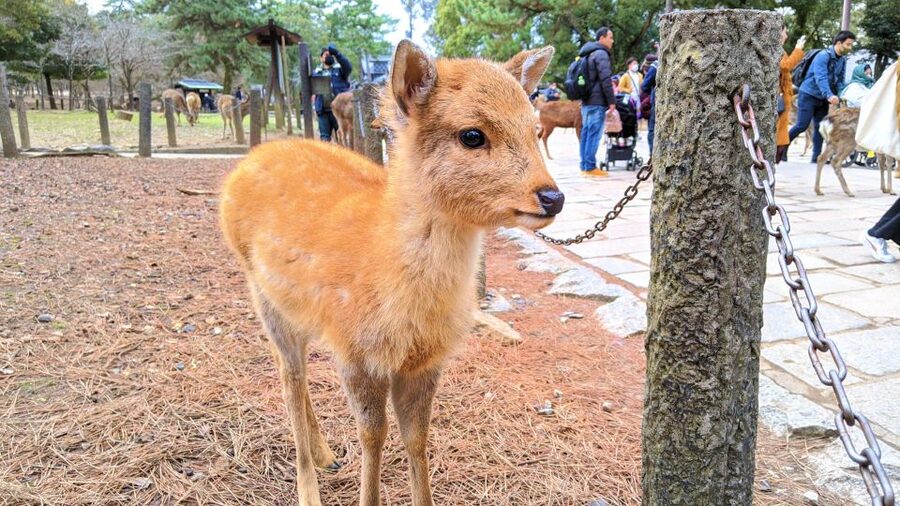
Nara Park is the heart of the ride. You spend about 30 minutes cycling through or beside the park, taking in the maintained grounds and the deer that roam freely. The deer are not kept behind fences, so you get the familiar Nara experience of seeing them close to paths and temple approaches.
The bicycle helps here because the park is large and the route does not force you to choose between every distant corner. You can enjoy the scenery while moving at a measured pace, then pause when the guide points out something worth seeing.
Keep your attention on the path and the animals. Deer are a central part of the experience, but they are also living animals, not decorative props. The tour description does not promise deer feeding, so you should think of this stop as wildlife viewing and scenic riding rather than a feeding session.
This is one of the best sections for a camera, though the guide may keep the group moving. If you want an unhurried photographic visit to the park, a private tour may suit you better than a shared departure.
More Private Cycling Tours in Japan
- 1-Day Private Rural E-Bike Tour in Hida
★ 5.0 · 188 reviews - 3-Hour Tokyo Private E-Bike Tour Starting from Your Hotel
★ 5.0 · 117 reviews - Private Afternoon Cycling Tour in Hida-Furukawa
★ 5.0 · 109 reviews - Private-group Morning Cycling Tour in Hida-Furukawa
★ 5.0 · 105 reviews
Nandaimon Gate and the scale of Tōdai-ji
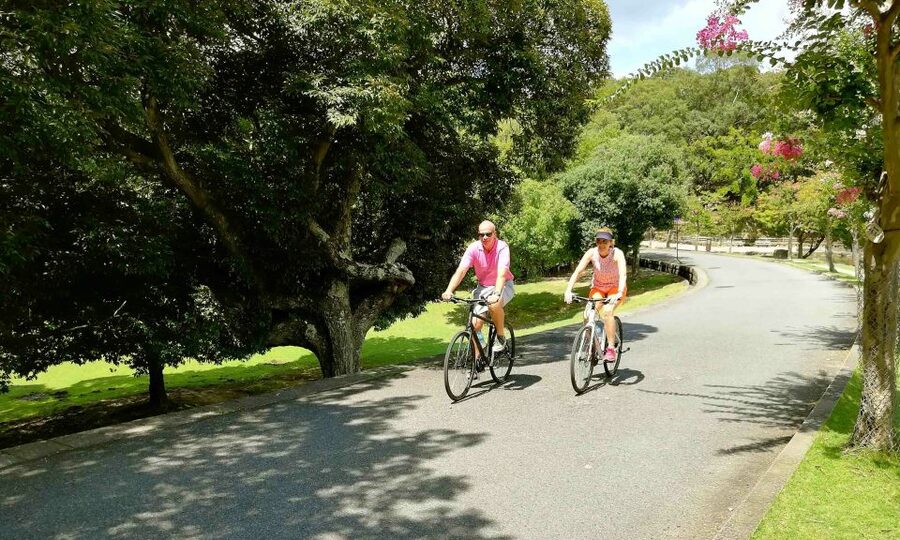
The route reaches Nandaimon Gate, the large entrance gate to Tōdai-ji. You get around 20 minutes for a photo stop, a visit, and a short walk. The gate is a strong introduction to the temple because its size prepares you for the enormous wooden buildings beyond it.
From here, the tour continues into Tōdai-ji for about 45 minutes. This is the longest single sightseeing stop, and it deserves the time. The temple is famous for its giant bronze Buddha, which rises about 15 meters and gives the visit its dramatic focus.
Your guide explains Buddhist and Shinto traditions as you explore the grounds. That background is useful because Japanese religious sites can seem confusing if you only look at architecture. A guide can help you notice the difference between a Buddhist temple complex and a Shinto shrine, and explain how both traditions shaped Nara.
The Tōdai-ji stop includes walking, so you will leave the bicycle outside the main sightseeing areas. Wear shoes that are comfortable for standing and walking. The tour includes the entrance fee, which keeps the day’s cost straightforward.
The limitation is time. Forty-five minutes is enough to see the key interior and hear the main explanation, but it is not enough for a slow, detailed exploration of every building and garden. If Tōdai-ji is your main reason for coming to Nara, you may want to return independently for a longer visit.
Kikuichi and the art of Japanese cutlery
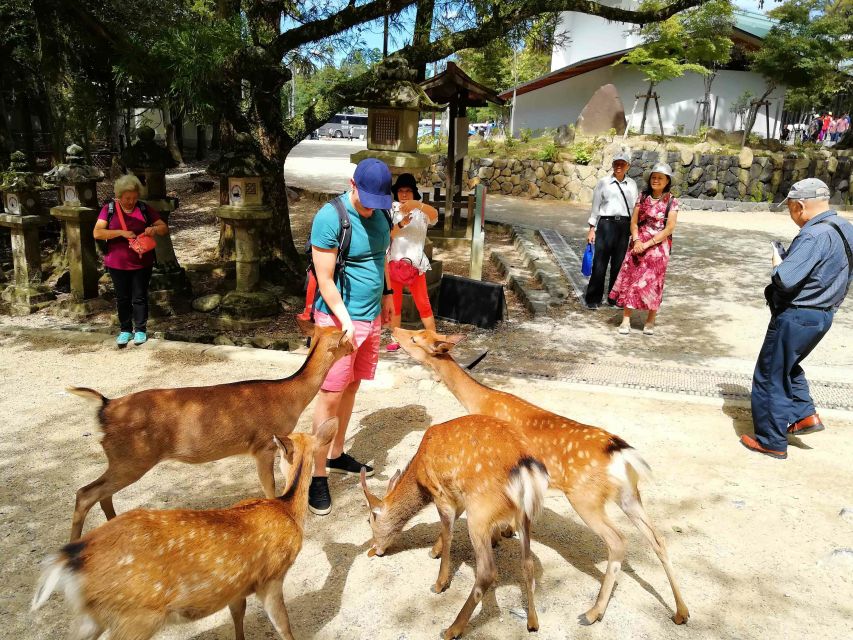
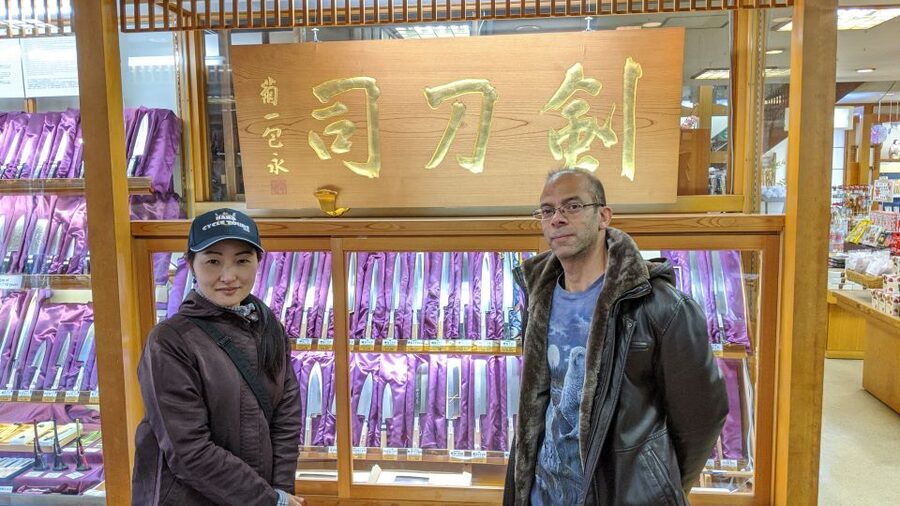
Kikuichi adds a welcome change of subject. After temples, deer, and shrine grounds, you visit a high-end Japanese cooking knife retailer for about 30 minutes. This is more than a shopping stop if you are interested in Japanese food culture and handcraft.
The guide discusses cutlery and the shop’s role in traditional knife making. You can browse the products and consider how Japanese kitchen knives differ from ordinary tourist souvenirs. The stop is especially appealing to cooks, food lovers, and anyone who wants to take home something practical rather than another small trinket.
You are not required to buy anything. Still, remember that this is a retail visit, so the value depends partly on your interests. If knives and craft shops do not appeal to you, this may feel like the least essential part of the route. For the right person, it gives the tour a local, useful edge that many temple-focused outings lack.
Kasuga Taisha and its thousand lanterns
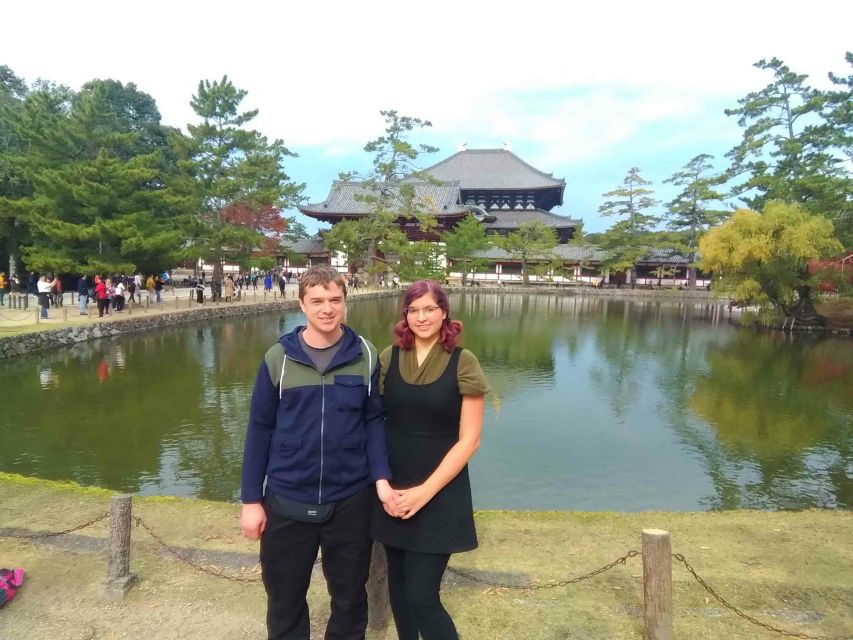
The final major stop is Kasuga Taisha, one of Nara’s best-known Shinto shrines. You have about 30 minutes for a photo stop, sightseeing, free time, and scenic views along the way.
The shrine is known for its many lanterns, including the thousand lanterns highlighted on this tour. Their repeated shapes create a very different mood from the vast interior of Tōdai-ji. Here, the focus shifts to Shinto worship, forested shrine paths, and the visual rhythm of stone and bronze lanterns.
The guide’s explanation is important at Kasuga Taisha. Without context, you may simply see a beautiful shrine with rows of lanterns. With an introduction to Shinto customs and symbols, the visit becomes easier to read.
Thirty minutes gives you a useful first look but keeps the schedule tight. You will have time for the principal sights and photographs, yet not a long private wander through every path. The tour works best if you accept that it is a highlights visit, not a full-day study of the shrine.
The ride back through Nara Park
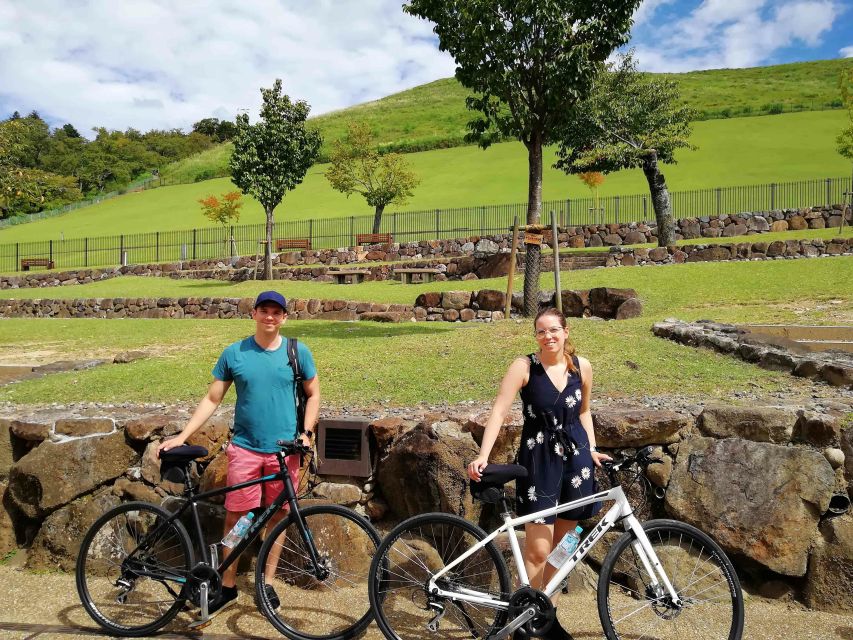
After Kasuga Taisha, you cycle for roughly 20 minutes through Nara Park and return to the bike base. This final ride gives you a second chance to enjoy the park without stopping at every major landmark.
It also helps the tour finish as a complete loop. You have seen the main Buddhist site, the main Shinto shrine, the deer park, and a local craft business, then returned by bicycle rather than ending far from the starting point.
At the end, you may feel pleasantly worn out. The route covers a lot in a short period, but it is not physically effortless. If you have plans immediately afterward, leave yourself time to cool down and change pace before another activity.
Is $70 a fair price?
At $70 per person, the tour is not the cheapest way to see Nara, but it offers solid value if you want structure and context. The price includes the bicycle, helmet, guide, entrance fees, and water. You are also paying for route planning, navigation, and the ability to connect sights that can take much longer to reach on foot.
The value is strongest for a first visit or a short stay. If you have only one day in Nara, a guided bicycle route can help you see more without spending hours figuring out bus connections and walking directions.
A shared group keeps the cost reasonable. A private option may be worth considering if you are traveling with family, prefer a slower pace, or want more time for questions and photos. The tour provider offers both private and small-group formats, but the exact group size is not specified.
The price is less attractive if you already know Nara well, dislike organized sightseeing, or plan to spend most of your day inside Tōdai-ji and Kasuga Taisha. In that case, independent visits may give you more time at each place.
Weather, fitness, and practical planning
The tour may be canceled if the Japan Meteorological Agency forecast gives a greater than 60 percent chance of rain. You receive notice the evening before, so check your email rather than assuming the tour will operate in poor weather.
The activity is not suitable for wheelchair users or people with mobility impairments. You need to ride a bicycle, walk at the temple and shrine, and manage a few climbs. Comfortable clothing and shoes are essential.
Bring your passport, camera, food, and water. The passport is listed among the items to bring, so keep it with you even though no additional reason is given. A light snack is sensible because food is not included.
Single visitors can book, but the tour needs at least two participants to operate. If only one person books, the session may be canceled, with rescheduling or a full refund offered. This is worth knowing before you build a tightly timed day around the activity.
The cancellation policy allows a full refund when you cancel at least 24 hours in advance. You can also reserve now and pay later, which helps if your Japan schedule is still shifting.
Who should book this Nara bike tour?
I would choose this tour if you want to cover the major sights in one compact outing and learn what you are looking at along the way. It suits active couples, friends, families with older children, and first-time visitors who like a guide but do not want to sit on a bus all day.
It is also a good choice if you want more than the standard temple circuit. Kikuichi brings in Japanese food culture, while the cycling route takes you through quieter areas that you might not reach by following the busiest walking path.
I would think twice if you have limited cycling confidence, mobility limitations, or a strong preference for slow museum-style sightseeing. The schedule moves along, and some stops are brief. The starting point also requires extra transport planning from the main stations.
Final verdict
Book this Nara bike tour if you want broad coverage, clear cultural explanations, and an active way to connect the city’s main sights. The strongest parts are the relaxed ride through Nara Park, the scale of Tōdai-ji, the lanterns at Kasuga Taisha, and the unusual knife-shop visit.
The $70 price makes sense when you include the guide, bicycle, helmet, entrance fees, and the time saved moving between sights. Just plan for the out-of-the-way meeting point, check the weather email the night before, and expect a few climbs. If you can handle that, this is a smart way to see a lot of Nara before your legs ask for a quiet temple bench.
FAQ
How long does the Nara bike tour last?
The tour lasts three and a half hours, or 210 minutes.
What sights are included?
The route includes Ukimido, Nara Park, Nandaimon Gate, Tōdai-ji, Kikuichi, and Kasuga Taisha before returning to the starting point.
Is the Great Buddha at Tōdai-ji included?
Yes. The tour includes a visit to Tōdai-ji, where you can see the famous Buddha statue, which is about 15 meters tall.
Where does the tour meet?
Meet the guide at the bike base near the Toichi Shougakko bus stop, written as 東市小学校. Search for Japan Tour Adventure in Nara on Google Maps.
What is included in the price?
The price includes the bike, helmet, guide, entrance fees, and a bottle of water. Food and other drinks are not included.
What languages are available?
The tour is available in English, French, and Japanese.
Can a single person book the tour?
Yes, but the tour requires at least two participants to operate. If only one person books, the session may be canceled, with rescheduling or a full refund offered.
Just added around Japan
- Private E-MTB guided cycling around Mt. Aso volcano & grasslands★ 5.0 · 16 reviews
- Handmade Goshuin Book Experience Eco Friendly Upcycling in Tokyo★ 5.0 · 21 reviews
- Tokyo: West-Side Cycling and Food Tour with Guide★ 5.0 · 37 reviews
- Tokyo: Rice Ball Making Class★ 5.0 · 14 reviews
- Tokyo: Discover Traditional Tokyo Full-Day Bicycle Tour★ 4.7 · 131 reviews
- Tokyo: 3h Private E-bike Tours, Starting at Your Hotel★ 5.0 · 36 reviews
- Tokyo Bike Tour: Shibuya, Harajuku & Hidden Gems★ 5.0 · 20 reviews
- Tokyo: Private Cycling Tour with cute E-bike★ 5.0 · 11 reviews
Private Cycling Tours, compared.
Private Self-Guided E-Bike Ride in Tuscany with Vineyard Visit
Read our review →
Bilbao: Guided Highlights Small Group or Private E-Bike Tour
Read our review →
Florence Vintage Bike Tour–guided, small group or private option
Read our review →
Bike Tour Copenhagen. Private Guide, Concierge Service, Small Grp
Read our review →

Prague Bike City Tour with Small Group or Private Option
Read our review →
Browse the lists this tour appears in