
REVIEW · TOKYO
Tokyo: West-Side Cycling and Food Tour with Guide
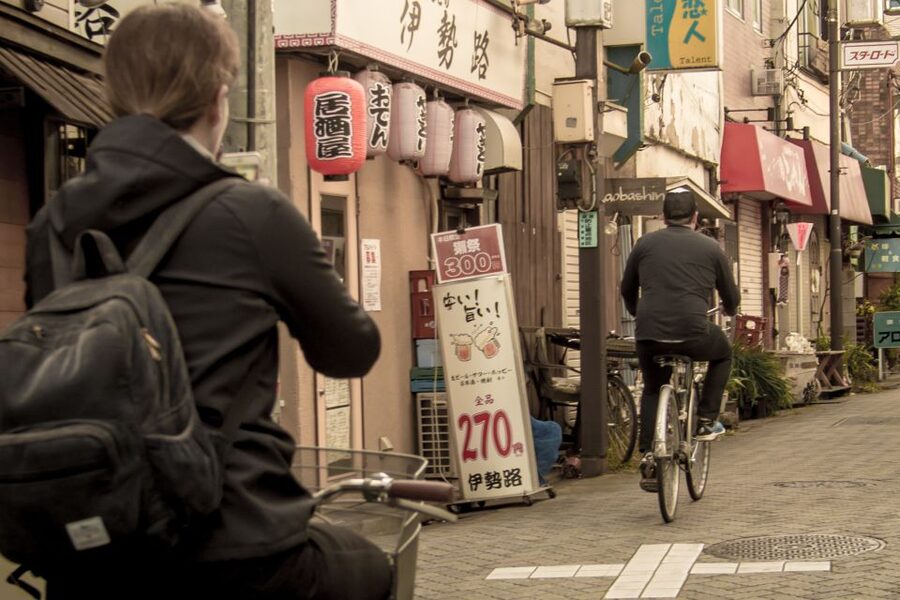
Tokyo rewards anyone willing to leave the big sights behind. This 3.5-hour bike and food tour carries you through Nakano, Koenji, and Asagaya, three inner-west neighborhoods where narrow lanes, small shops, local eateries, and everyday routines replace the usual sightseeing circuit. You ride a salvaged but well-kept mamachari bicycle, stop for two street foods and lunch, and learn how Tokyo works at street level.
I like the ordinary neighborhood focus and the chance to see Tokyo by bicycle rather than through a train window. I also like the practical cultural details, from bicycle parking systems to vending machine drinks and local eating habits. The main drawback is simple: you must be comfortable riding 12 to 15 kilometers through occasional narrow, crowded streets, and the tour generally continues in rain.
- Start at Koenji Station, just six minutes from Shinjuku by JR train
- Ride three local neighborhoods, Nakano, Koenji, and Asagaya
- Use a mamachari bicycle, the practical city bike often seen in Japanese neighborhoods
- Eat a simple local lunch plus two street foods
- Learn from Andy, an English-speaking guide praised for his humor and insight into Japanese customs
- Expect an all-weather outing, with uneven surfaces and possible rain
Why Tokyo Looks Different from a Bicycle
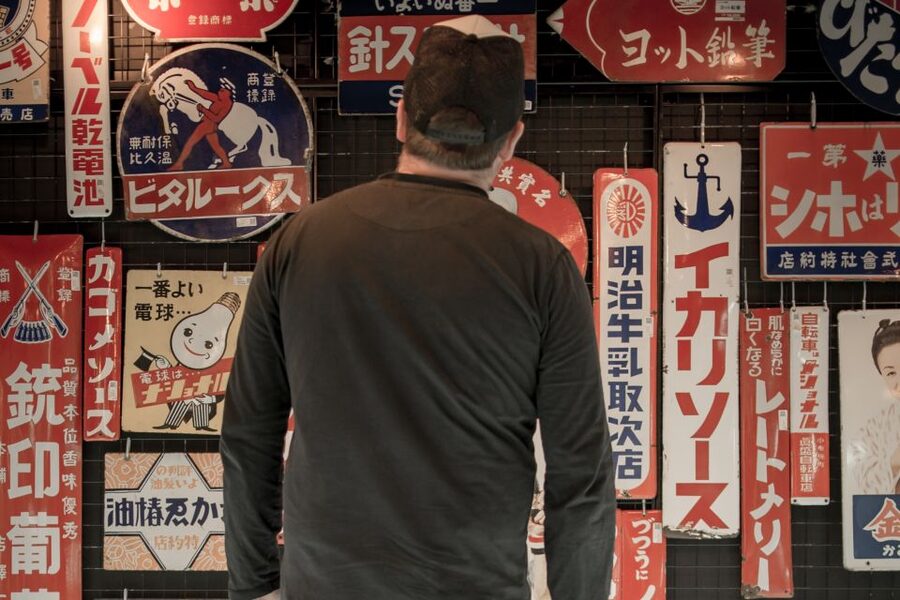
Tokyo can feel enormous when you move through it by train. You pop up at a station, cross a major road, and head toward the next famous sight. This tour slows the city down. At bicycle speed, you notice the turn into a quiet residential lane, the way bicycles are stored, the small activity hubs, and the quick shift from one neighborhood’s mood to the next.
The ride covers roughly 7.5 to 9.5 miles, or 12 to 15 kilometers, at a leisurely pace. That sounds modest, but city cycling takes attention. You need to handle narrow streets, uneven surfaces, occasional crowds, and sharp turns. The pace is not a race, yet you should already be a competent cyclist.
The bicycle itself is part of the lesson. A mamachari is a practical Japanese city bike, often fitted with a front basket and built for daily errands rather than speed. The bikes used here can be creaky or squeaky, but they are described as carefully maintained and easy to ride. The basket is useful for small belongings, though you should still keep valuables secure.
I find this style of transport valuable because it puts you into the rhythm of the area. You are not simply looking at Tokyo from a guide’s van. You are watching the road, making turns, parking the bike, and moving as local cyclists do.
Meeting Andy at Koenji Station
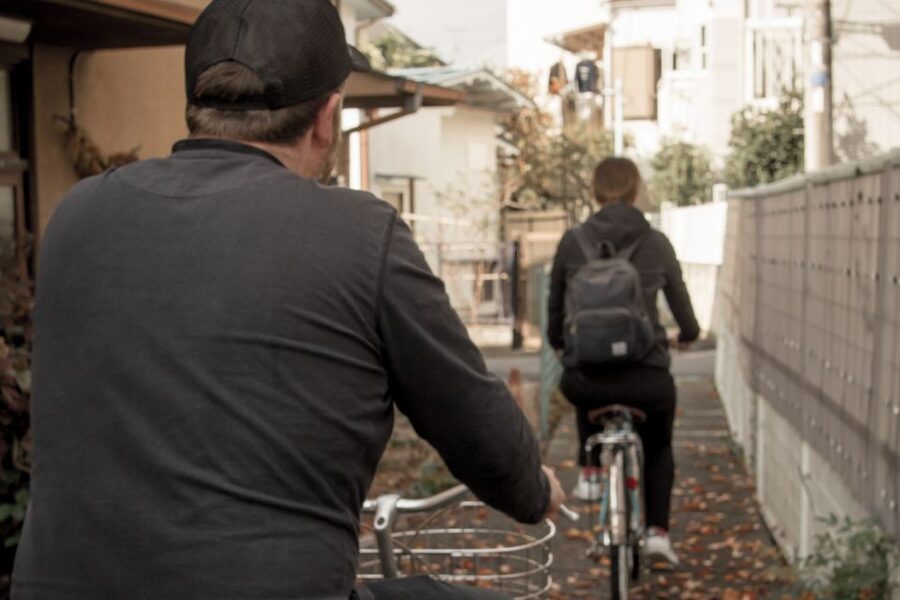
The meeting point is directly outside the ticket gates at Koenji Station on the JR network. Koenji is six minutes from Shinjuku and about 18 minutes from Shibuya, so it is easy to reach from the main visitor districts. The guide waits five minutes before departure and wears a baseball cap.
That final detail matters. Koenji Station is quieter than the major terminals, but stations can still be confusing when you are watching the clock. Leave enough time to find the correct train, pass through the gates, and get outside. The tour leaves on time, so late arrivals risk being left behind.
Andy is the guide named most often in the tour information and feedback. He is an Australian who has built strong local knowledge of Tokyo, and his style combines Japanese hospitality with Australian humor. His role goes beyond pointing out streets. He explains customs, food, social habits, neighborhood life, and the small systems that make Tokyo function.
I would choose this tour early in a Tokyo stay if you want help getting your bearings. It can also work near the end of a visit, when you are ready to see how the city operates beyond the major sights.
More Food and Market Bike Tours in Tokyo:
- Versailles Palace Bike Tour with Market & Marie-Antoinette hamlet
★ 5.0 · 2,680 reviews - Madrid: 3 h. Guided Highlights Bike Tour with Optional Tapas
★ 4.9 · 1,623 reviews - Rome: Appian Way & Aqueducts E-Bike Tour (Catacombs & Food)
★ 4.9 · 1,498 reviews
Nakano: A Gentle Introduction to Inner-West Tokyo
Nakano is one of the first neighborhood areas included in the ride. The tour does not treat it as a checklist of famous monuments. Instead, you move through the local fabric, using back streets and activity areas to understand how people live, shop, commute, and eat.
This is where Andy’s explanations matter most. A street can look ordinary until someone explains what you are seeing. Bicycle parking, compact buildings, residential lanes, and small businesses all tell you something about city life. The tour gives those details a wider context without turning the ride into a formal lecture.
You may also get a useful lesson in Tokyo’s contrasts. A major rail station can be only a short ride from quiet streets where the city feels much more residential. That quick change is difficult to appreciate from a subway platform, but it becomes obvious on a bicycle.
The drawback is that this portion may not satisfy anyone looking for grand architecture or famous photo stops. The appeal is the everyday city. If your idea of sightseeing requires a long list of major landmarks, this outing may feel too low-key.
Koenji: Local Streets, Sharp Turns, and Food Stops
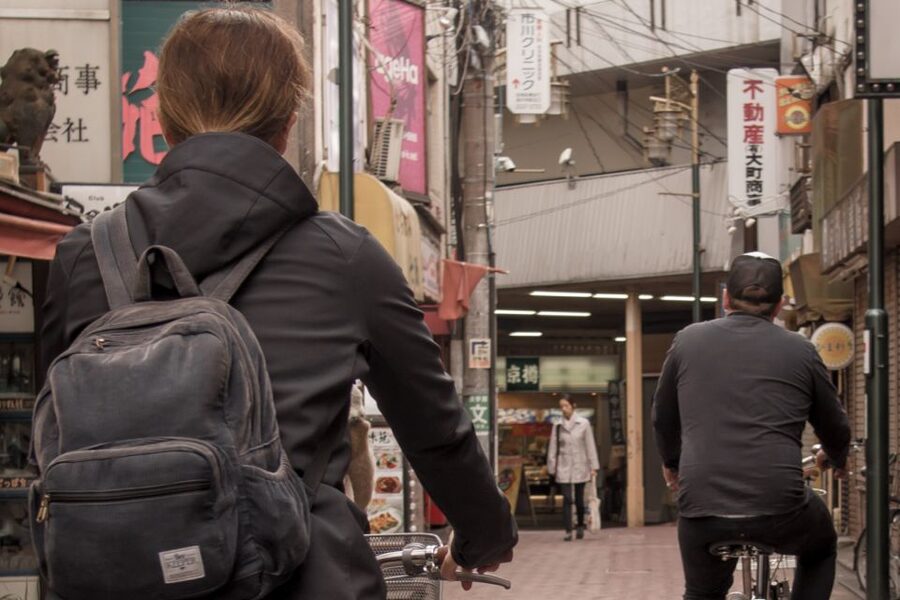
Koenji brings more character to the ride. It is known here as a local neighborhood with twisting lanes, shops, food stops, and a strong sense of daily activity. You ride through streets that are not designed for sightseeing groups, which means the route can feel personal and slightly unpredictable.
One past rider described the outing as including sharp turns, so pay attention to the road rather than assuming the ride is effortless. The mamachari bikes are easy to use, but easy does not mean careless. Keep a safe distance, follow Andy’s signals, and expect occasional tight corners.
Koenji is also where the food side of the tour becomes important. You receive two popular street food items during the outing, chosen as part of the route. These are not presented as a grand tasting menu. They are simple local bites that help you understand what people eat between errands and work.
You also get a simple Japanese lunch. The meal has a practical, everyday feel, with a stop at a small noodle bar mentioned in the tour information. The setting is part of the experience. Sitting at a counter with hungry office workers gives you a closer look at ordinary eating habits than a polished restaurant aimed at international visitors.
Do not expect extensive menu choice. The tour does not cater to personal tastes, dietary requirements, or allergies. Vegans and people with food allergies should not book it. If you eat a broad diet and enjoy trying what is selected for the group, the food adds real value.
Asagaya and Tokyo’s Everyday Systems
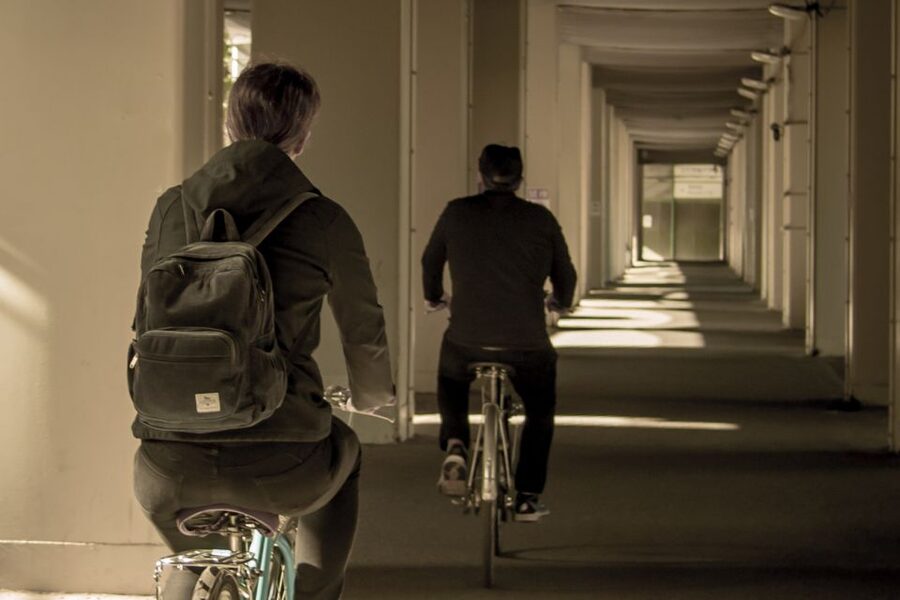
The route continues into Asagaya, another west-side neighborhood that helps complete the picture. Moving through several adjacent areas shows you how Tokyo changes in small steps. One district may feel more residential, another more focused on shops or food, and another more active around its station.
The tour also highlights Tokyo’s bicycle culture. You learn about bicycle parking fees and the city’s organized approach to storing bikes. That may sound like a small subject, but it is exactly the kind of practical detail that helps you understand Tokyo. A city with limited space needs systems for everything, including where bicycles wait while their owners shop or work.
The route uses riverside bike paths as well as back streets and activity hubs. This mix keeps the ride from becoming repetitive. You get quieter stretches, tighter urban passages, and places where local life is on full display.
I especially like the way this turns infrastructure into a cultural subject. You are not just passing through Asagaya. You are learning why the streets look and function as they do. That kind of information stays useful after the tour, especially when you begin cycling or walking around other parts of Japan.
More Guided Rides in Tokyo:
- Tokyo Guided Small-Group Biking Tour
★ 5.0 · 1,250 reviews - Tokyo Top Highlights 3h Guided E-bike Tour
★ 5.0 · 714 reviews - 3h Tokyo E-Bike Tour: Hidden Gems, and Local Life with guide
★ 5.0 · 670 reviews - Tokyo: 3-hour Guided E-Bike Tour of the City’s Hidden Gems
★ 4.8 · 251 reviews
What You Eat, and What You Should Expect
The $110 price includes a simple local lunch, two street food items, one bottled drink, bicycle parking fees, and cycling liability insurance. It does not include a choice-heavy food itinerary. Think of the meal as a practical refueling stop rather than a restaurant review.
The included food is a strong part of the value because it removes the need to choose a place while cycling. You can focus on the neighborhood and let Andy explain what you are eating. The vending machine drink guidance is another small but useful touch. Japanese vending machines can seem simple until you are standing in front of unfamiliar labels and sizes.
Still, food is the clearest limitation. Personal preferences are not accommodated, and the experience is unsuitable for vegans and anyone with food allergies. If you have strict dietary needs, the cycling and cultural elements are not enough to overcome that issue.
Bring tissues or hand sanitizer, plus a garbage bag. The garbage bag is useful because Japan expects people to manage their own rubbish, and public bins are not always close by. You should also bring a passport or ID card, as requested in the tour instructions.
Is $110 Good Value?
At $110 per person, this is not a cheap bicycle rental with a few snacks added. You are paying for a 210-minute guided route, a maintained bicycle, lunch, two street foods, a bottled drink, parking, insurance, and an English-speaking guide.
The strongest value comes from access and explanation. You could ride around Nakano, Koenji, and Asagaya independently, but you might miss the local systems and cultural meaning that make the route worthwhile. You would also need to find a bicycle, work out the route, choose food stops, and handle parking yourself.
The value is especially good for someone who has already seen Shibuya, Shinjuku, or the major temple areas and wants a different side of Tokyo. It is less useful if you only have one short day in the city and want famous sights. The tour is about understanding neighborhoods, not collecting landmark photographs.
Small-group or private options are available. A smaller group should make it easier to ask questions and stay connected during the ride, though the supplied details do not specify exact group sizes.
Weather, Fitness, and Practical Limits
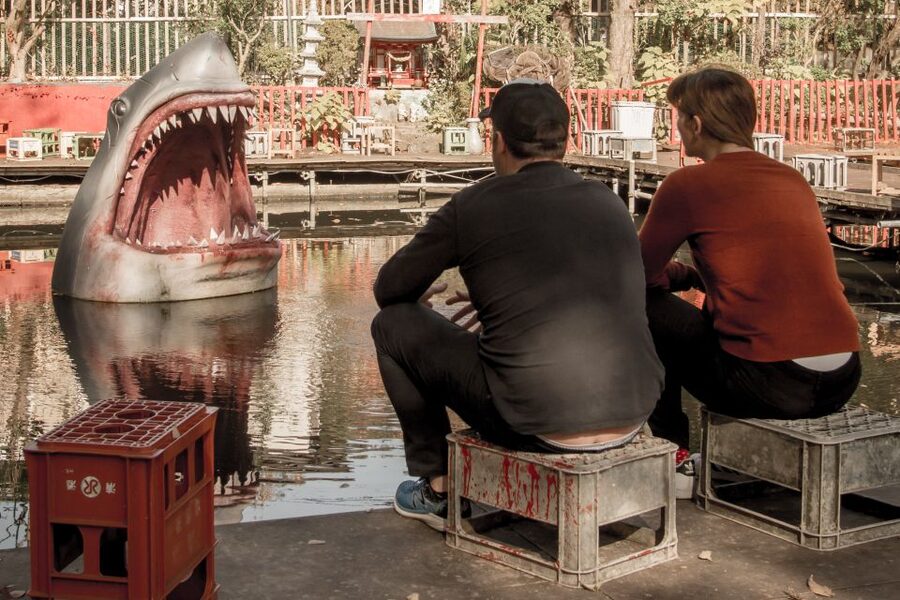
This is an outdoor activity in all seasons and weather. In rain, the tour generally continues, so you should be ready to get wet. Wear practical clothing and shoes that can handle cycling and walking. The tour information does not promise rain gear, so plan accordingly.
The minimum comfortable height is 140 centimeters, or about 4 feet 7 inches. Children under 10 are not accepted, and people below the height requirement should not book. The route is leisurely, but the distance and street conditions still require basic cycling confidence.
You do not need to be a sports cyclist. You do need to control a bicycle around narrow streets, uneven surfaces, and other road users. Anyone nervous about city cycling should think carefully before booking. Andy helps guide the group, but he cannot remove the basic demands of riding in Tokyo.
The all-weather policy also affects your decision. A rainy ride might add atmosphere for some people, but it can make food stops, handling, and comfort less pleasant. Check the forecast and dress for the possibility of wet conditions.
Who Will Like This Tour Most?
I would recommend it to you if you:
- Want to see Tokyo beyond Shibuya, Shinjuku, and the major sightseeing zones
- Enjoy local food without needing a highly planned tasting menu
- Are comfortable riding in city traffic and narrow lanes
- Like asking questions about customs, daily life, and practical city systems
- Prefer small groups or private touring
- Have at least half a day available for a slow, neighborhood-focused outing
I would skip it if you need a fully flexible food plan, have allergies, avoid animal products, dislike cycling in crowds, or want major historical sights. It is also a poor fit for anyone who expects the weather policy to change for light rain.
Booking Details That Matter
The tour costs $110 per person and lasts 210 minutes. It is offered in English, with private or small-group options available. You can cancel up to 24 hours before the start for a full refund, and the reserve-now, pay-later option gives you some flexibility.
The most important booking detail is the departure time. Arrive outside the Koenji Station ticket gates at least five minutes early and look for the guide in a baseball cap. This is not a tour where you can stroll in after the group has left.
Should You Book the Koenji Cycling and Food Tour?
Book it if you want Tokyo explained through its ordinary streets. The combination of mamachari cycling, local food, bicycle systems, and Andy’s cultural commentary gives you a useful introduction to Nakano, Koenji, and Asagaya.
My advice is to book early in your visit if you want neighborhood ideas for later. You may leave with a better sense of how to read Tokyo, where to wander, and why the city works as it does. Just arrive ready to ride, eat what is served, and possibly get wet.
FAQ
Where does the tour begin?
It begins directly outside the ticket gates at Koenji Station on the JR Train Network.
How far is Koenji Station from Shinjuku?
Koenji Station is about six minutes from Shinjuku by train.
How long does the tour last?
The tour lasts 210 minutes, or about 3.5 hours.
How far do you cycle?
You cycle roughly 12 to 15 kilometers, or 7.5 to 9.5 miles, at a leisurely pace.
What neighborhoods does the tour visit?
The route includes Nakano, Koenji, and Asagaya, with back streets, riverside bike paths, and local activity areas.
What food and drinks are included?
The price includes a simple local lunch, two street food items, and one bottled drink.
Is the tour suitable for people with food allergies or vegans?
No. The experience does not accommodate food allergies, dietary requirements, or personal tastes, and it is not suitable for vegans.
What happens if it rains?
The tour generally proceeds in rainy weather, so you should expect the possibility of getting wet.
Just added around Tokyo
- Tokyo: Discover Traditional Tokyo Full-Day Bicycle Tour★ 4.7 · 131 reviews
- Tokyo: Rice Ball Making Class★ 5.0 · 14 reviews
- Tokyo: 3h Private E-bike Tours, Starting at Your Hotel★ 5.0 · 36 reviews
- Tokyo Bike Tour: Shibuya, Harajuku & Hidden Gems★ 5.0 · 20 reviews
- Tokyo: Private Cycling Tour with cute E-bike★ 5.0 · 11 reviews
- Tokyo: 2-Hour Night Bike Tour of the City’s Hidden Gems★ 4.9 · 25 reviews
- Tokyo: Hidden Gems Guided Bike Tour with Lunch★ 4.5 · 30 reviews
- 3-Hour Tokyo Private E-Bike Tour Starting from Your Hotel★ 5.0 · 117 reviews
Food and Market Bike Tours, compared.
3 h. Guided Highlights Bike Tour with Optional Tapas
Read our review →
Appian Way & Aqueducts E-Bike Tour (Catacombs & Food)
Read our review →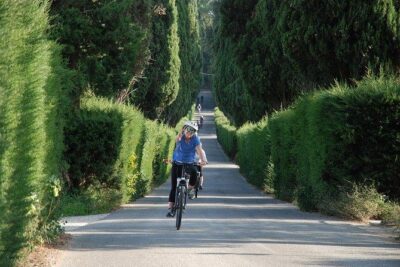
Tuscany Bike Tours Through the Chianti Hills with Wine Tasting
Read our review →
Rome by Night – Ebike Small Group Tour – Food and Wine (Option)
Read our review →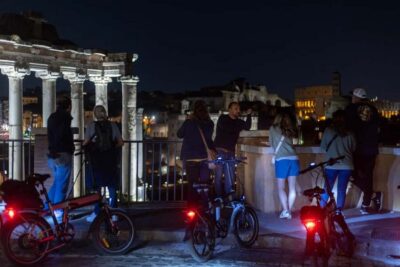
Rome by Night: E-bike Small Group Tour -Food & Wine (Option)
Read our review →
Electric Bike Beach Adventure with Tequila Tasting and Lunch
Read our review →
Frida Kahlo VIP [Museum Tickets Included] Bike, Markets & Churros
Read our review →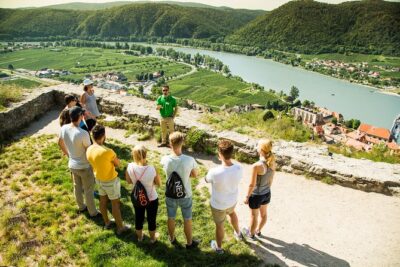
Wachau Valley Wine Tasting Bike Tour from Vienna
Read our review →Browse the lists this tour appears in