
REVIEW · JAPAN
Sakurajima Century Lava Climb Journey with E-bike
A volcano ride beats another bus window. This three-hour Sakurajima tour gives you a close look at Taisho lava, island agriculture, and the forces that shaped Kagoshima. I like the small groups, limited to six, and the way guide Rento combines volcano facts with regular stops, local snacks, and photo breaks. The electric bikes make the climb possible without turning the morning into a suffer-fest.
I also like the personal service. Rento has adjusted the pace for first-time e-bike riders, waited for a guest arriving by island bus, and stopped often in hot weather. The main caution is the road surface: wet black volcanic sand can make a path slippery, so you should ride carefully and expect a real uphill workout even with electric assistance.
Five useful things to know before riding
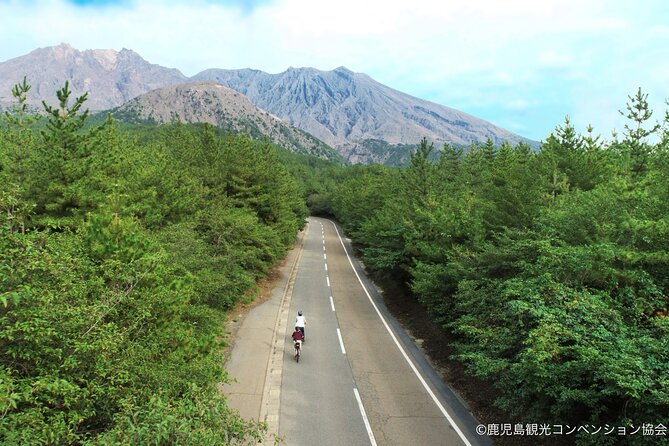
- The climb is assisted, not effortless: The e-bike helps on the uphill route, but you still need to pedal and feel comfortable on a bicycle.
- Yunohira Observatory is the payoff: You get 30 minutes for views, photos, free time, and a local snack and drink.
- Rento’s guiding style is a major strength: He explains eruptions, geology, farming, and island history while keeping the pace friendly.
- This is a small-group outing: With no more than six participants, the ride can feel personal and questions are easy to ask.
- Prepare for changing conditions: Bring water, comfortable shoes, weather-ready clothing, sunglasses, gloves, and a small backpack.
- Safety matters on volcanic roads: Be alert for loose or wet black sand, wind, rain, and ash glare.
Why an e-bike is a smart way to see Sakurajima
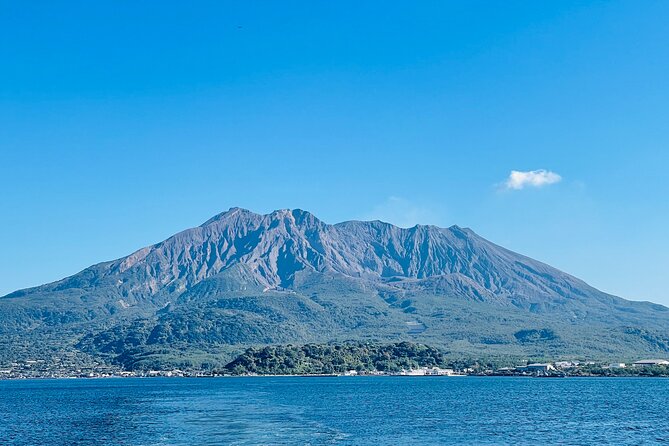
Sakurajima is easy to reach from Kagoshima, but seeing it well takes more than a quick ferry crossing and a bus ride to a viewpoint. An e-bike gives you a slower, more open-air way to read the island. You can notice the road, the orchards, the lava traces, and the changes in the ground beneath you.
The route is guided, so you are not left to guess what the dark rock or barren slopes mean. The focus is the major eruption of the 20th century, the traces of Taisho lava, and the continuing story of an active volcanic island. That context turns a scenic ride into a lesson you can feel under your tires.
I would not sell this as a leisurely cycle through flat countryside. The uphill section is challenging, even with electric help. But that effort gives the ride some purpose. You are not simply being delivered to a lookout. You are working your way toward it, with the guide setting a reasonable pace and stopping to explain what you are seeing.
The electric bikes are especially helpful if you have never used one. Kevin, a first-time e-bike rider, found that a little practice was enough to enjoy the ride. The important point is that you still need basic cycling ability. This is not suitable for anyone who cannot ride a bicycle, and riders must be at least 145 centimeters tall.
More E-Bike Tours in Japan
- Hidden Kyoto E-Biking tour
★ 5.0 · 1,843 reviews - Tokyo Top Highlights 3h Guided E-bike Tour
★ 5.0 · 714 reviews - 3h Tokyo E-Bike Tour: Hidden Gems, and Local Life with guide
★ 5.0 · 670 reviews
Starting at the Sakurajima Visitor Center
The meeting point is the Sakurajima Visitor Center, about an eight-minute walk from the Sakurajima Ferry Terminal. That makes the tour easy to pair with a ferry trip from Kagoshima.
The first 20 minutes are set aside for a safety briefing. This is useful rather than filler. You can get used to the e-bike, helmet, controls, and riding position before the road begins to rise. If you are new to electric bikes, use this time to ask how the assistance works and how to brake smoothly.
Rento’s approach has earned particular praise for patience and safety. Several riders appreciated his regular breaks and his attention to comfort in hot weather. If you are unsure about your cycling strength, say so at the start. A group capped at six people gives the guide more room to adjust the pace than a large bus excursion would.
The tour includes a helmet, e-bike rental, and a Kagoshima snack and drink. You should still bring water. The snack is a welcome local touch, but it is not a replacement for your own supply on a warm or windy day.
The first 10 minutes: learning the route
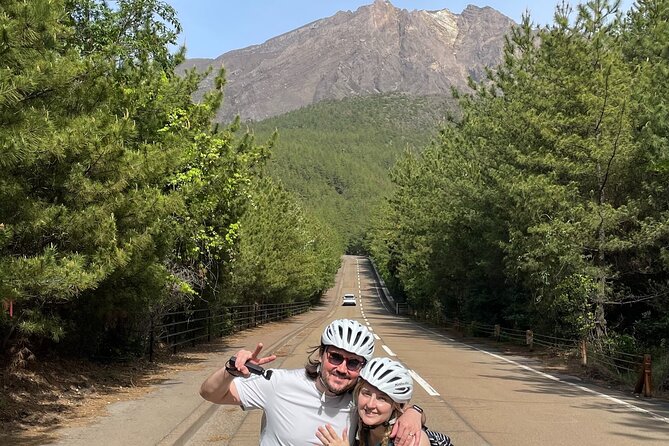
After the briefing, you set off on a guided e-bike ride. The first stretch is short, only about 10 minutes, but it lets you settle into the machine and the road.
This is where the small group works in your favor. You can ask questions without trying to catch a guide’s voice over a full coach. You also have a better chance to get help if the bike feels unfamiliar.
Do not rush this opening section. Get used to the motor response before the climb. Keep your hands steady, leave space between bikes, and listen for surface warnings. Volcanic terrain can look smooth while hiding loose grit or sand.
Stops among lava, orchards, and quiet roads
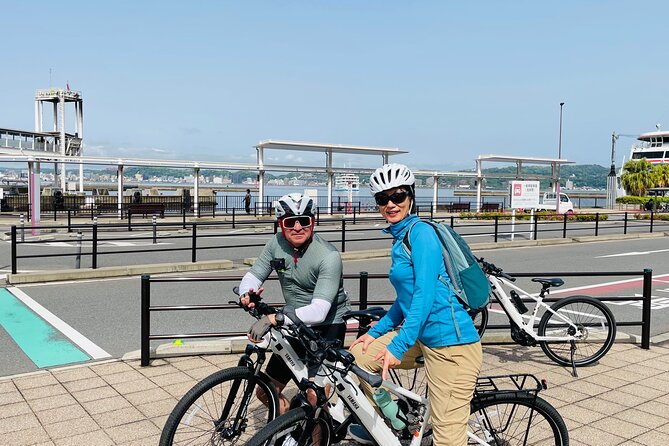
The middle portion includes short visits and guided stops of roughly 10 minutes each. These pauses break up the uphill ride and give the guide time to explain the island rather than simply point at it.
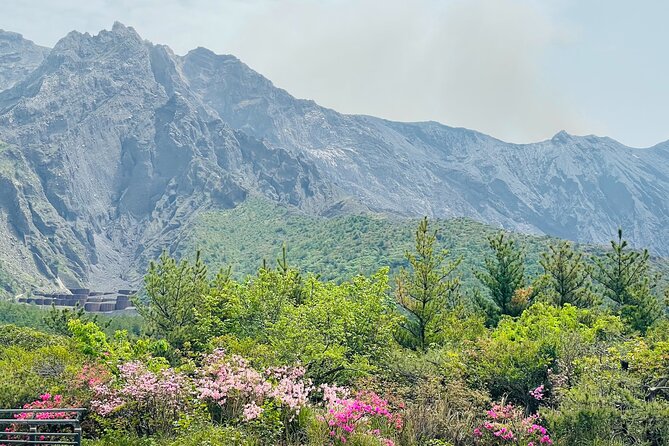
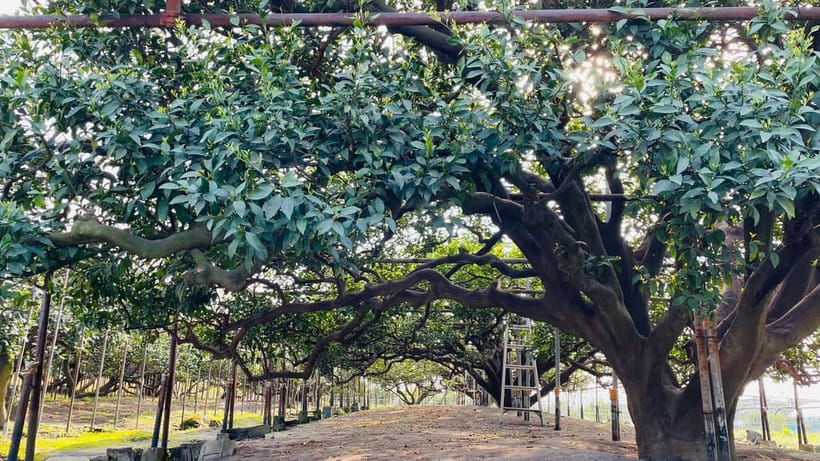
The most interesting theme is the link between eruption and daily life. You learn how the major Taisho eruption affected Sakurajima and see traces of the lava that moved across the island. The route also passes agricultural areas and local orchards, adding a useful human scale to the volcano story.
Christophe particularly valued the quieter places and agricultural sites along the route. Nicola also enjoyed the ride down, when the route offered a chance to look at orchards and discuss farming. Those details matter because Sakurajima is not just a dramatic cone in the distance. It is also a lived-in island where people work around volcanic conditions.
These stops are short, so do not expect a long walk or a formal museum visit at each one. Their value comes from the guide’s explanation and the changing view as you move through the island.
More Road and Gravel Rides in Japan:
- Rent road bike
★ 5.0 · 118 reviews - Personalised Road Bike Tour in Malaga
★ 5.0 · 97 reviews - Rent a Carbon or Aluminum Road Bike in Sicily
★ 5.0 · 85 reviews - Guided or Self-Guided Road Bike Tour of Red Rock Canyon
★ 4.5 · 75 reviews
The uphill ride and the black sand warning
The climb is the physical heart of the tour. Electric assistance takes much of the strain out of the slope, but it does not remove it. Mike described the ride as a good workout even with the motor, while Sabrina called it a slightly challenging climb that was worth the effort.
That makes this a good choice if you want active sightseeing, but a poor fit if you want to remain completely fresh. You should be comfortable on a bicycle and ready for regular pedaling. The guide has shown a willingness to stop for rests, but the experience still depends on your ability to ride uphill.
Pay attention to the surface. One rider experienced a fall when wet black sand had spread onto a pathway and caused a bicycle to skid. The injury was limited to bruising and swelling, but the warning is important. Black volcanic sand can be hard to judge, particularly after rain.
Wear shoes with good grip. Slip-resistant gloves are recommended for cold weather and control. Sunglasses help with glare and may also protect your eyes if ash is falling. A small backpack is useful, and bicycle bags can carry valuables, though you should keep important items secure.
Yunohira Observatory, the high point of the ride
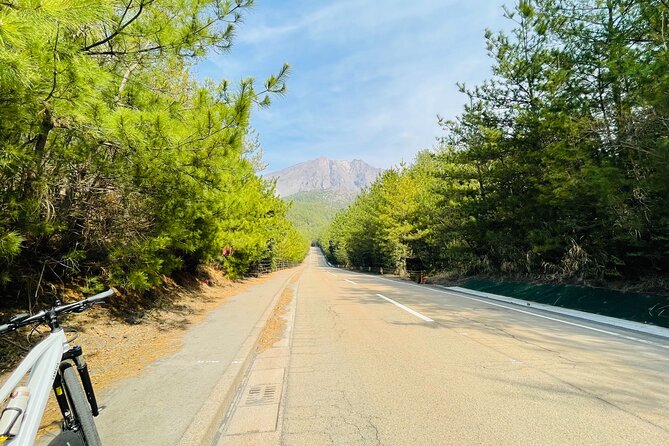
Yunohira Observatory is the tour’s main reward. It is described as the highest point on Sakurajima and provides broad views toward Kagoshima and the surrounding area.
You get about 30 minutes here, enough time for photos, a guided explanation, free time, and a look around. Rento uses the viewpoint to explain the volcano and the effects of its eruptions, which gives the scenery more meaning than a quick photo stop.
This is also where the included Kagoshima snack and drink come into play. After the climb, that small break should feel well timed. Several riders appreciated the chance to rest, take photos, and hear more about the island before beginning the return route.
Keep your expectations practical. The view depends on weather, haze, ash, and wind. On a clear day, Kagoshima and the surrounding area can provide the broad panorama promised by the tour. On a poor-weather day, the view may be less open. The ride still has historical and geological value, but the lookout is naturally weather-dependent.
The 30-minute stop also gives non-riders a possible meeting point. In one case, Rento waited at the top for a guest who was following by island tourist bus and then explained the site. That is not the standard ride format, but it shows how flexible the guide can be when circumstances allow.
The return route and two quieter stops
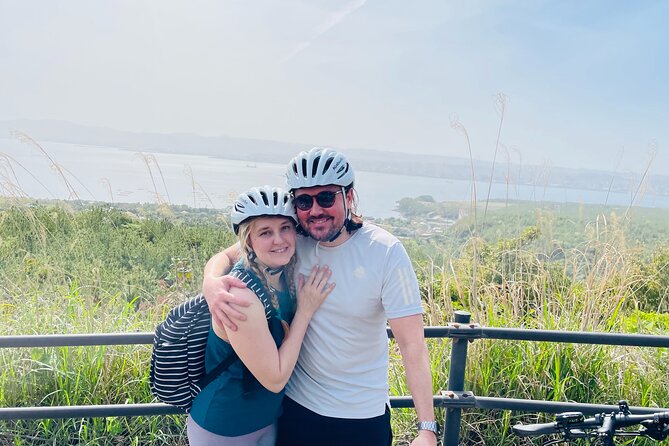
After Yunohira, the route heads back toward the Visitor Center. The downhill section is easier physically, but it still requires care. Do not let the electric bike and the slope tempt you into riding faster than you can safely control.
Two additional stops are described as quieter or more private points along the way. Each lasts about 10 minutes and includes a break, sightseeing, and more explanation. The exact nature of these stops can vary, so you should think of them as guide-led discoveries rather than fixed attractions with a long program.
This part of the ride is valuable because it slows the return. You get more than a direct descent from the observatory. The guide can point out details you might miss from a bus, including volcanic traces, views, and agricultural areas.
You return to the Sakurajima Visitor Center after about three hours. Since the meeting point is close to the ferry terminal, you can continue your day in Kagoshima without a long transfer. Still, allow yourself breathing room if you have a fixed ferry or train connection. Outdoor activities can be affected by weather, group pace, and surface conditions.
How good is the $102 value?
At $102 per person, this is not the cheapest way to reach a Sakurajima viewpoint. A bus or self-guided visit will cost less in direct terms. The price here covers a three-hour guided experience, an e-bike, helmet, small-group attention, interpretation, stops along the route, and a local snack and drink.
I think the value is strongest if you want to understand the island rather than simply photograph it. Rento’s role is important. He explains the eruption story, points out geological features, discusses agriculture, helps first-time riders, and takes photos at scenic points. Those services would be difficult to reproduce with a map and a rental bike.
The value is also better for couples, families with suitable older children, and active visitors who prefer a personal outing. Solo riders can benefit from the small group, and on quiet days the tour may feel nearly private. If you mainly want the cheapest transport to Yunohira, I would choose another option.
Weather, clothing, and practical preparation
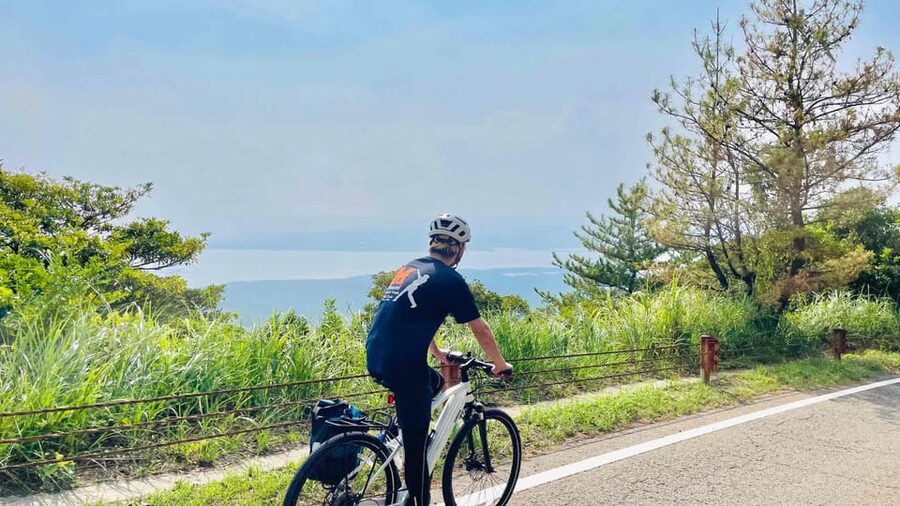
Weather can change the character of the tour. The operator makes the decision about bad weather by the day before and provides a refund if the experience is canceled for that reason. That policy is helpful, but you should still check the forecast before committing other plans around the ride.
Bring:
- A passport or ID card
- Comfortable shoes
- Water
- Weather-appropriate clothing
- Sunglasses
- Slip-resistant gloves
- A small backpack
- A rain and wind layer
A window breaker is recommended as protection against sudden rain and wind. The wording may refer to a compact rain or wind barrier, so confirm what is expected when booking if you are unsure.
Do not bring alcohol or drugs. Travel insurance is also recommended. The tour is offered in English and Japanese, so you should have a workable option for guided explanations in one of those languages.
Cancellation is free up to 24 hours before the start for a full refund. You can also reserve now and pay later, which helps if your Kyushu schedule is still shifting.
Who will enjoy this Sakurajima ride most?
I would choose this tour if you meet three conditions: you can ride a bicycle, you want some exercise, and you care about the story behind volcanic scenery. The ride suits people who enjoy stopping often for explanation rather than racing from one viewpoint to the next.
It is also a good choice for first-time e-bike users who feel a little uncertain. The experience includes a safety briefing, and Rento has shown patience with beginners. You should still be honest about your cycling ability and prepared for the climb.
I would skip it if you cannot ride, are under 145 centimeters tall, dislike hills, or need a fully predictable outdoor schedule. I would also think twice if wet weather is likely and you are uncomfortable with slippery surfaces. The price buys a thoughtful, personal experience, but it does not turn a volcanic road into a paved park path.
Should you book the Century Lava Climb?
Yes, if you want an active and personal way to understand Sakurajima. The strongest parts are the small group, the patient guiding, the Taisho lava story, the agricultural stops, and the view from Yunohira. Rento’s friendly care has made a real difference for beginners and experienced riders alike.
Book with sensible expectations. This is a climb, not a flat sightseeing loop. Wear grippy shoes, watch for wet black sand, bring protection from rain and wind, and keep your speed under control on the descent.
If those conditions suit you, $102 is fair for three hours of guided riding, equipment, local flavor, and access to a side of Sakurajima that is easy to miss from a bus.
FAQ
Where does the Sakurajima e-bike tour begin?
It begins at the Sakurajima Visitor Center, about an eight-minute walk from the Sakurajima Ferry Terminal.
How long does the experience last?
The tour lasts three hours, including the safety briefing, guided ride, stops, and time at Yunohira Observation Deck.
What languages are available?
The live tour guide is available in English and Japanese.
Is the tour suitable for someone who has never ridden an e-bike?
Yes, provided you can already ride a bicycle. The tour includes a 20-minute safety briefing, and the e-bike can make the uphill section more manageable.
What should I bring?
Bring a passport or ID card, comfortable shoes, water, travel insurance, and weather-appropriate clothing. Sunglasses, slip-resistant gloves, a small backpack, and protection from sudden rain and wind are also recommended.
What happens if the weather is bad?
The weather decision is made by the day before the experience. If the tour is canceled because of bad weather, you receive a refund. You can also cancel up to 24 hours in advance for a full refund.
Just added around Japan
- Private E-MTB guided cycling around Mt. Aso volcano & grasslands★ 5.0 · 16 reviews
- Handmade Goshuin Book Experience Eco Friendly Upcycling in Tokyo★ 5.0 · 21 reviews
- Tokyo: West-Side Cycling and Food Tour with Guide★ 5.0 · 37 reviews
- Tokyo: Discover Traditional Tokyo Full-Day Bicycle Tour★ 4.7 · 131 reviews
- Tokyo: Rice Ball Making Class★ 5.0 · 14 reviews
- Tokyo Bike Tour: Shibuya, Harajuku & Hidden Gems★ 5.0 · 20 reviews
- Tokyo: Private Cycling Tour with cute E-bike★ 5.0 · 11 reviews
- Tokyo: 3h Private E-bike Tours, Starting at Your Hotel★ 5.0 · 36 reviews
Road and Gravel Cycling, compared.
Guided or Self-Guided Road Bike Tour of Red Rock Canyon
Read our review →
Browse the lists this tour appears in