
REVIEW · TOKYO
Tokyo: Discover Traditional Tokyo Full-Day Bicycle Tour
Tokyo reveals itself best at street level. This 20-kilometer bicycle tour links famous sights with quiet back roads, old neighborhoods, shrines, markets, and canals that are easy to miss from a train or tour bus. I especially like the small groups of up to eight and the gentle, mostly flat route.
I also like the thoughtful food stops, which can include pastries, anpan, sweet-potato treats, ham and cheese snacks, matcha, and a tea picnic. The main consideration is stamina: 270 minutes on a bicycle is manageable for regular riders, but the distance, heat, and humidity can make this a long outing for young children or anyone unused to city cycling.
Key points to know before you book
- A 20-kilometer route with mostly flat roads: The tour covers a lot of central Tokyo without demanding steep climbs.
- A mix of famous sights and local streets: You see the Imperial Palace, Ginza, Tsukiji, Tokyo Station, temples, bridges, canals, and traditional neighborhoods.
- Food is part of the experience: Snacks, tea, and small local treats turn the ride into more than a sightseeing circuit.
- Hiro is highly praised as a guide: He is known for careful route planning, historical explanations, and looking after the whole group.
- Small 20-inch bicycles suit Tokyo streets: Their compact size helps with narrow bicycle parking areas, though taller riders should confirm the fit.
- Best for active visitors who want context: This is a good introduction to Tokyo early in your stay, especially if you enjoy cycling and local history.
Why cycling is a smart way to see Tokyo
Tokyo is huge, but many of its central sights sit surprisingly close together. By train, you can move quickly between districts, yet you often miss the small shifts between them. On a bicycle, Ginza gives way to older streets, office towers give way to temples, and broad avenues give way to canals and neighborhood shops.
This route covers about 20 kilometers, with most of the riding on flat roads. That matters in Tokyo, where the challenge is usually not hills but traffic, crowds, crossings, and knowing which street to take. The guide leads the way and uses quieter roads, parks, and back streets where possible.
I would not treat this as a hard athletic ride. The pace is described as easy, and the stops break up the distance. Still, four and a half hours on a bicycle is not a short spin around a park. You need to feel comfortable riding for much of an afternoon and staying alert around city streets.
The route is also useful for getting your bearings. If you take it near the beginning of your Tokyo stay, you will see several districts and can return later to the places that caught your interest.
More Full-Day Rides in Tokyo:
- Ninh Binh Full-Day Tour from Hanoi to Hoa Lu, Tam Coc & Mua Cave Via Boat & Bike
★ 5.0 · 4,384 reviews - From Perth: Rottnest Island Full-Day Bike and Ferry Trip
★ 4.7 · 2,548 reviews - Versailles Full Day Bike Tour with Palace, Gardens, & Picnic
★ 5.0 · 2,217 reviews
Starting at Toranomon Hills
The meeting point is in the lobby on the third floor of the Mori Tower at Toranomon Hills, in front of the flower shop. This detail matters because Toranomon Hills has four towers. You need Mori Tower, not simply any entrance marked Toranomon Hills.
The building connects directly to Toranomon Hills Station on the Hibiya Line. From Toranomon Station on the Ginza Line, use exit B1 or B6. Keep the guide’s phone number, +81-90-9567-0007, available in case you have trouble locating the lobby.
At the start, the guide explains the bicycle and local traffic rules. That introduction is useful even if you cycle regularly at home. Tokyo’s roads have their own rhythm, and the guide’s instructions help the group stay together and move safely.
The tour uses small 20-inch bicycles. The reason is practical: bicycle parking areas in Tokyo can be narrow, and compact bikes are easier to handle in tight urban spaces. Several riders praised the equipment as well maintained and suitable for different ages and heights, but I would still mention your height or fit concerns before setting off.
Helmets are included, as are gloves during the winter season. The group is limited to eight people, a sensible size for city riding. A small group is easier to keep together at crossings and makes it more realistic to ask questions at each stop.
Hibiya Park and the center of old power
Hibiya Park offers an early change of pace from the surrounding business district. It is a useful place to pause, hear the guide explain Tokyo’s development, and see how formal green space fits into the modern capital.
From here, the ride moves through central Tokyo, where imperial, commercial, and entertainment districts sit close together. You are not simply checking off landmarks. The guide connects the streets to the city’s past and points out how Tokyo has changed.
That historical thread is one of the strongest reasons to choose this tour. Several riders appreciated the use of maps to explain how the city looked in earlier periods. Those visual comparisons can make the modern streets easier to understand, especially when the old road pattern is no longer obvious.
Ginza and Kabukiza from two wheels
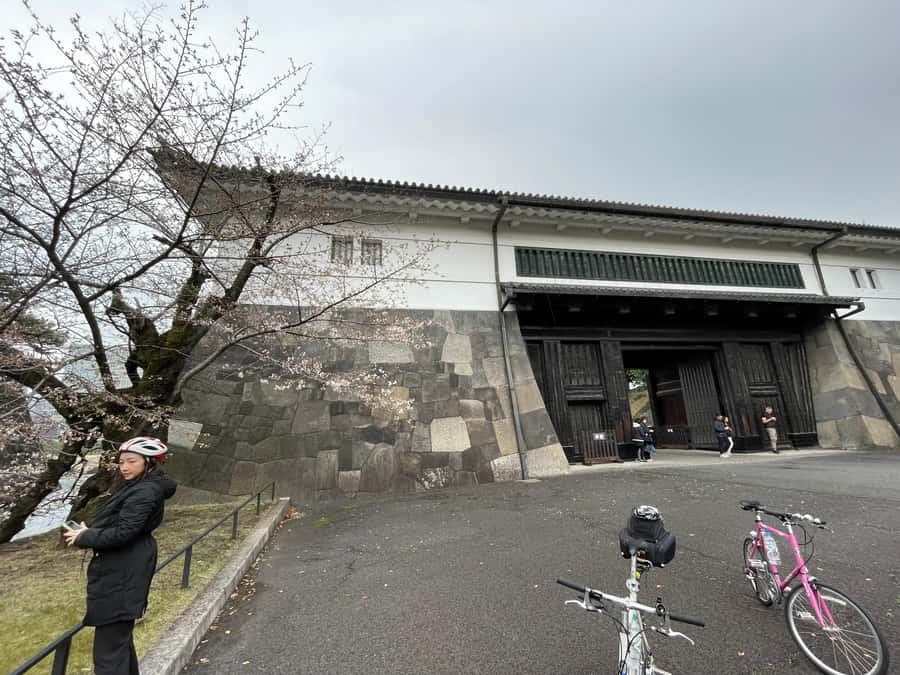
Ginza is Tokyo’s polished shopping district, known for major department stores, luxury shops, restaurants, and wide avenues. A bicycle gives you a quick look at this famous commercial area without making you spend the day inside it.
The nearby Kabukiza theater adds a cultural layer. Kabuki is one of Japan’s traditional theatrical forms, and the theater’s distinctive design makes it one of the area’s most recognizable buildings. The tour does not promise a performance, so think of this as an exterior and neighborhood visit rather than a theater experience.
The advantage here is variety. One moment you are near Tokyo’s grandest retail streets, and soon after you are riding through places with a more local feel. The route gives you a sense of how sharply Tokyo’s districts can change within a short distance.
A few more days on two wheels around Tokyo worth a look
- Tokyo Guided Small-Group Biking Tour
★ 5.0 · 1,250 reviews - Tokyo Great Cycling Tour
★ 5.0 · 811 reviews - Tokyo Top Highlights 3h Guided E-bike Tour
★ 5.0 · 714 reviews - 3h Tokyo E-Bike Tour: Hidden Gems, and Local Life with guide
★ 5.0 · 670 reviews
Tsukiji, snacks, and Tokyo’s food culture
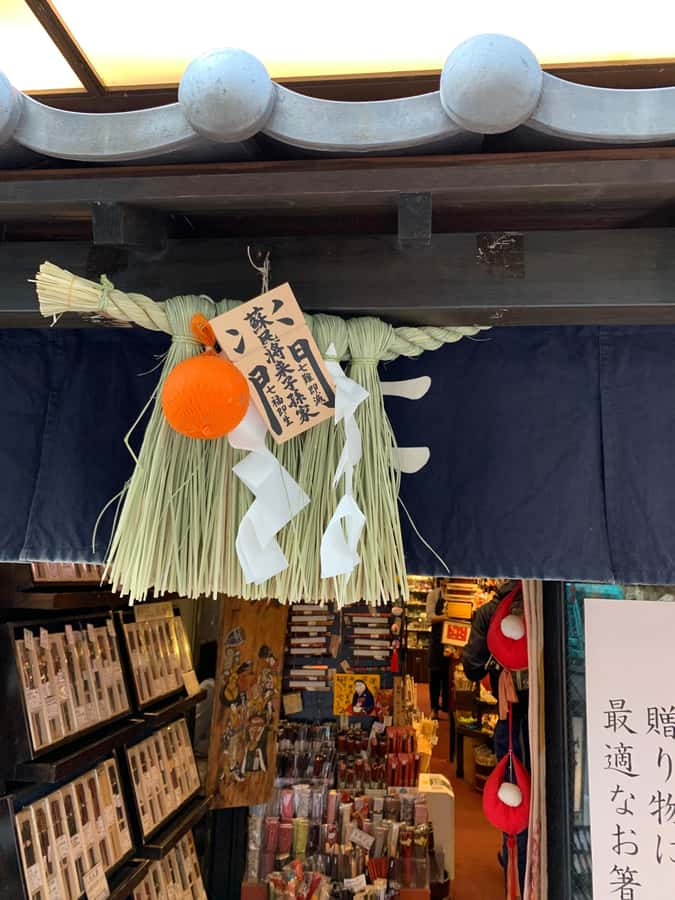
Tsukiji is one of the tour’s most appealing stops. Although the wholesale fish market moved to Toyosu, the older Tsukiji area remains known for food shops, prepared dishes, and market atmosphere. The tour presents it as part of a broader look at Tokyo’s food culture rather than a promise of a formal market meal.
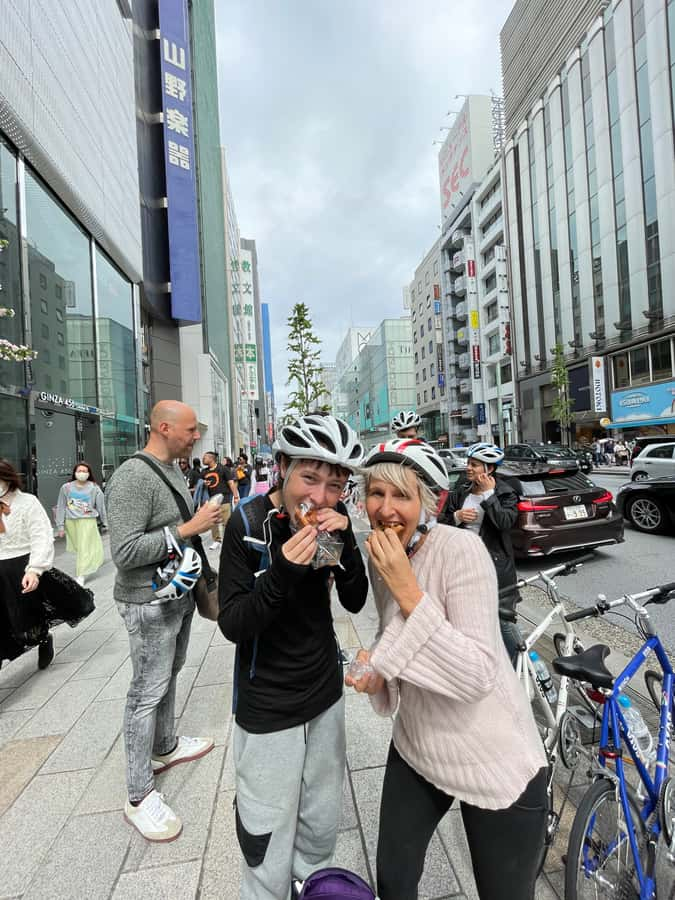
Food stops vary in their exact details, but the experience includes a light snack and teatime confectionery. Riders have described pastries, anpan, sweet-potato treats, ham and cheese snacks, matcha tea, and a picnic beside a canal. One account also described a sushi lunch in the historic fish-market area, although you should not assume that every departure includes the same meal.
This is a real strength. A snack bought from a local shop gives you a small taste of everyday Tokyo, while the guide can explain what you are eating and how it fits into Japanese food customs. It also breaks up the riding and gives you a chance to rest.
You should not book this expecting a full restaurant lunch included in the price. The supplied inclusions specify a light snack and teatime confectionery. If you have a large appetite, eat a proper breakfast and consider carrying water.
Temples, shrines, and quieter Tokyo
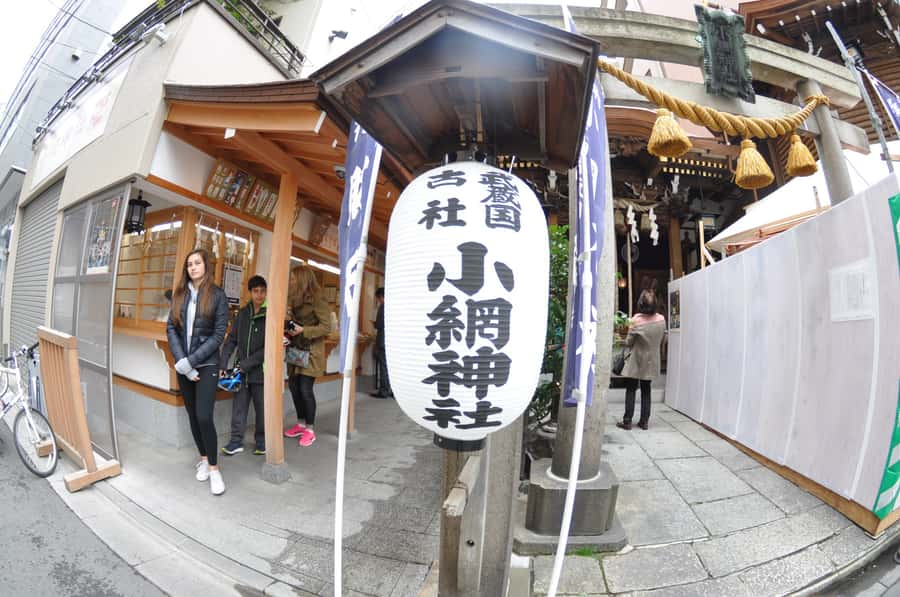
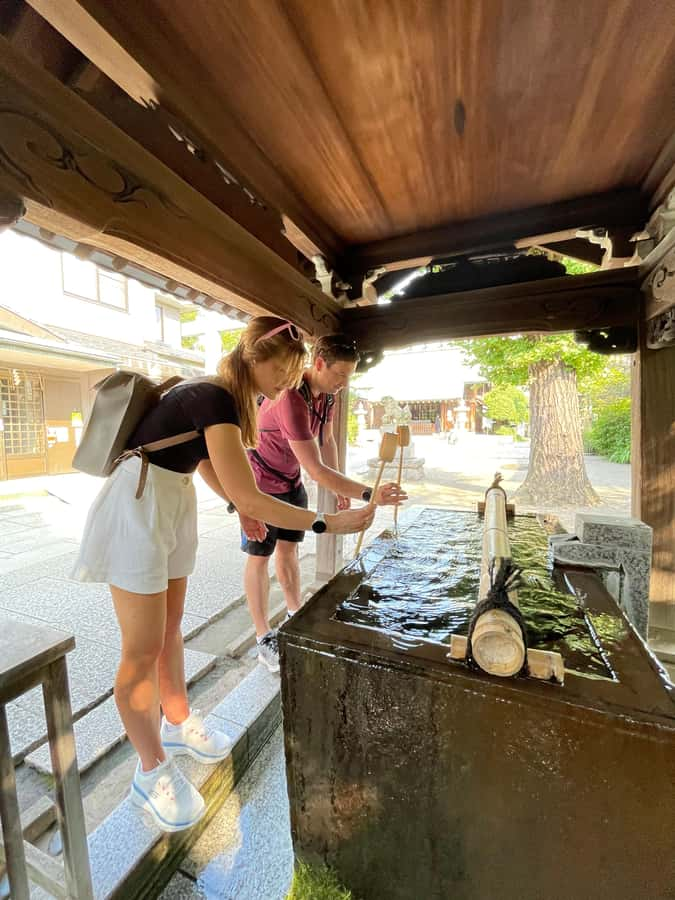
The tour includes temples and shrines, though the exact sequence can vary. These stops add the traditional side of Tokyo that is difficult to understand from major shopping streets alone.
A guide is especially useful here. You can learn how a shrine differs from a temple, how to behave respectfully, and why a modest-looking site matters to the surrounding neighborhood. The stops also offer a natural pause from the bicycle.
The route is designed to include places you might not think to visit on your own. Riders repeatedly praised the back streets, small parks, neighborhood shops, and older corners that do not appear on a standard first-time route. That is where this tour earns much of its value.
You should keep your expectations measured. The tour visits many places, so it cannot provide a long, detailed visit inside every temple, shrine, or garden. It works best as a broad introduction, with time later for returning to one or two places that you want to explore properly.
Kachidoki Bridge, Tsukudajima, and Tsukishima
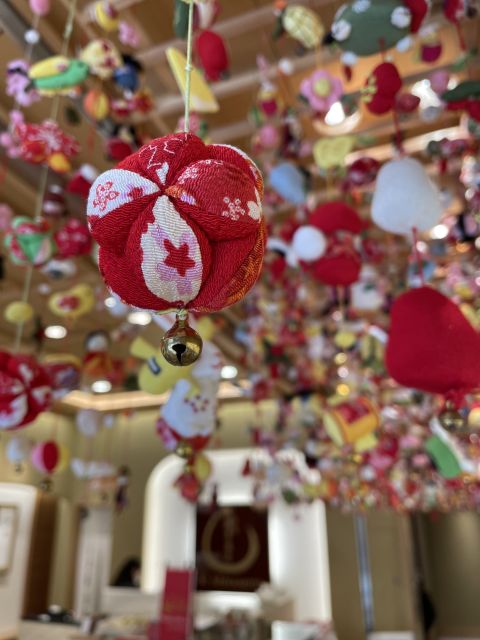
The ride toward Kachidoki Bridge brings water and open views into the day. Bridges can be more than photo stops in Tokyo. They show how the city is shaped by rivers, canals, reclaimed land, shipping, and dense development.
Old Tsukudajima and Tsukishima offer a different view of Tokyo. These areas retain traces of older working neighborhoods alongside newer buildings and waterfront development. Tsukishima is also associated with monja, a local savory dish cooked on a hot griddle and eaten directly from the pan.
The tour includes Monja Street, giving you a chance to see a food district with a strong local identity. The description does not promise a sit-down monja meal, so consider the street itself part of the cultural stop.
This section is one reason the route feels more personal than a simple list of famous attractions. You see the city’s older layers beside its newer ones, and the bicycle lets you move between them without repeatedly entering a station.
The Imperial Palace and Tokyo Station
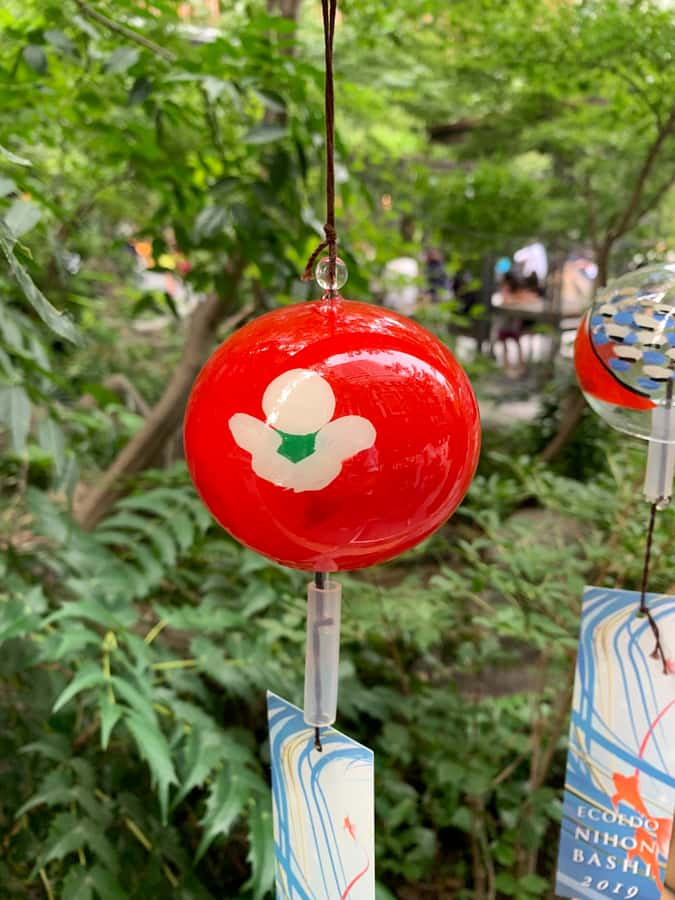
The Imperial Palace area provides one of Tokyo’s most important historical settings. The tour gives you a view of the palace surroundings, but it should not be confused with a guided palace interior visit. The value is in the setting, the grounds, and the explanation of the imperial center of the city.
Tokyo Station offers a strong architectural contrast. Its historic red-brick facade is one of the capital’s best-known buildings, set among high-rise offices, hotels, and major transport links. Seeing it by bicycle also helps you understand how central the station is to the city’s structure.
These famous sights anchor the less familiar sections of the tour. You get recognizable Tokyo landmarks, but you also ride through streets that make the city feel lived in rather than staged for sightseeing.
What makes guide Hiro so well regarded
The guide most often named in the supplied information is Hiro. He is praised for explaining Tokyo’s history, choosing safer back roads, watching the entire group, and adding food and tea stops that feel personal rather than routine.
Several riders describe him as especially good with families and teenagers. He explains enough history to keep the route meaningful without requiring you to spend hours inside every temple or museum. One family with a teenager appreciated seeing major sights while staying active and avoiding long formal visits.
Other guide names appear in the information, including Brezza, Hirotoshi, Thiery, Shiro, and Shiro’s daughter. That suggests the exact guide may depend on the departure date. Hiro is clearly associated with many of the strongest comments, but you should not assume he will lead every tour.
The guide’s local route knowledge is the main reason to pay for this experience instead of renting a bicycle independently. You receive navigation, traffic guidance, cultural explanation, and a planned sequence of stops. You also avoid wasting time trying to find suitable roads through a city that can feel confusing on a first visit.
Food, breaks, and the pace of the day
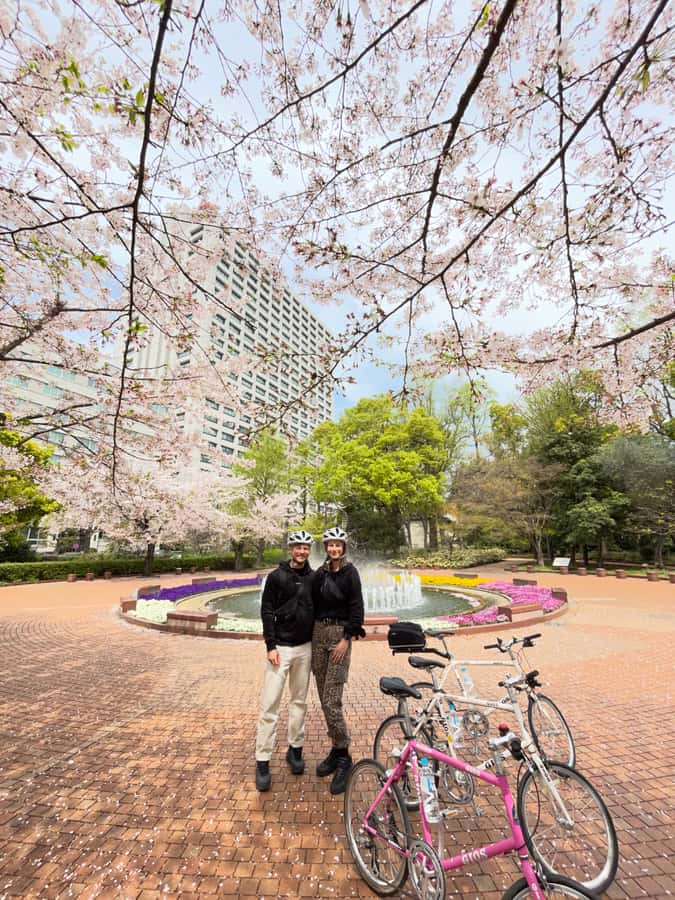
The snacks are more important than they may sound. A small sweet-potato treat, a pastry, anpan, or a tea stop gives the group a reason to slow down and notice local tastes. Some riders described a picnic beside a canal or under a cherry tree, which adds a pleasant social pause to the ride.
The stops also help make the distance manageable. Rather than cycling continuously for 20 kilometers, you ride in sections with sightseeing, explanations, and food breaks between them.
Summer needs extra care. One rider completed the tour on a very hot and humid day and still enjoyed it because of the regular pauses, but another specifically noted the heat. Bring water, wear suitable clothing, and avoid treating the easy pace as a guarantee that the day will feel easy in midsummer.
Spring can be especially appealing because cherry blossoms may add color to parks and picnic stops. Weather is never guaranteed, so the attraction is the route itself, not a promise of blossoms.
Is $102 a fair price?
At $102 per person, this is not the cheapest way to move around Tokyo. You could use trains and walk between major sights for far less money.
The price makes more sense when you consider what you are buying: a bicycle, helmet, winter gloves, an English or Japanese-speaking guide, route planning, traffic support, cultural explanations, and snacks. The small group also gives the day a more personal feel than a large coach tour.
For a visitor with only a short time in Tokyo, the value is strong. You cover many central districts in one outing and gain enough context to decide where to return. For a committed cyclist, the route and local guidance may be worth the cost even if you could navigate the city independently.
The value is weaker if you dislike cycling, want long visits at each landmark, or prefer a food tour with a full meal. In that case, a walking or public-transport tour may suit you better.
Free cancellation is available up to 24 hours before the activity, and you can reserve now and pay later. Those options help if your Tokyo plans are still shifting, but you should still check the available start time before booking.
Who should book this bicycle tour?
I would recommend it to adults, couples, active families, and solo visitors who enjoy seeing a city from the street. It is also a good choice for teenagers who may find a long temple-by-temple sightseeing day dull.
The experience suits beginner and intermediate cyclists according to the supplied accounts, provided you are comfortable riding for several hours. The mostly flat route and gentle pace help, but city cycling still requires attention.
I would be cautious about bringing small children. One rider felt the long day was not ideal for children, while other families had good experiences with children aged 10, 12, 13, 15, and 16. The deciding factors are stamina, traffic awareness, and the child’s interest in cycling.
Tall riders should ask about the 20-inch bicycles before committing. The compact bikes are chosen for Tokyo’s narrow parking areas and were described as well maintained, but a comfortable fit matters over 20 kilometers.
Should you book it?
Book this tour if you want Tokyo explained while you move through it. The best parts are the quiet streets, food tastings, historical stories, and guide-led route choices that connect Ginza, Tsukiji, temples, bridges, waterfront districts, the Imperial Palace, and Tokyo Station.
Skip it if you want a short ride, a full restaurant lunch, or long uninterrupted time at each landmark. For most reasonably fit visitors, though, this is a smart first or second Tokyo activity. You cover a surprising amount of ground, see details a train window hides, and get a friendly introduction to the city at street level.
FAQ
How long is the Tokyo bicycle tour?
The tour lasts 270 minutes, or four and a half hours. Some descriptions from participants refer to the experience as lasting about five hours when stops are included.
How far do you cycle?
The full route is approximately 20 kilometers.
Are the roads difficult?
Most roads on the route are flat, and the pace is described as easy. You still need to be comfortable cycling through a large city and following local traffic rules.
What sights does the tour visit?
The route includes Hibiya Park, Ginza, Kabukiza theater, Tsukiji, temples and shrines, Kachidoki Bridge, old Tsukudajima, Tsukishima Monja Street, the Imperial Palace, Tokyo Station, and other locations.
Are bicycles provided?
Yes. A bicycle, helmet, and winter-season gloves are included.
What size are the bicycles?
The bicycles have 20-inch wheels. The compact size is used because bicycle parking areas in Tokyo can be narrow.
Is food included?
A light snack and teatime confectionery are included. The experience may include items such as pastries, anpan, sweet-potato treats, or tea, but the exact food selection is not specified.
Where does the tour meet?
Meet in the lobby on the third floor of the Mori Tower at Toranomon Hills, in front of the flower shop. Toranomon Hills has four towers, so be sure to use Mori Tower.
How do I reach the meeting point?
From the Ginza Line, use exit B1 or B6 at Toranomon Station. The Mori Tower is directly connected to Toranomon Hills Station on the Hibiya Line.
What languages are available?
The tour is offered with live guides in English and Japanese.
How large is the group?
The group is limited to eight participants.
Is hotel pickup included?
No. Hotel pickup and drop-off are not included.
Can I cancel for a refund?
You can cancel up to 24 hours in advance for a full refund.
Is this tour suitable for children?
The route can work for families with older children and teenagers, but the long cycling time may be tiring for younger children. The information specifically includes positive experiences with children aged 10 and above, while one rider advised caution for children because of the length.
Just added around Tokyo
- Tokyo: West-Side Cycling and Food Tour with Guide★ 5.0 · 37 reviews
- Tokyo: Rice Ball Making Class★ 5.0 · 14 reviews
- Tokyo: 3h Private E-bike Tours, Starting at Your Hotel★ 5.0 · 36 reviews
- Tokyo Bike Tour: Shibuya, Harajuku & Hidden Gems★ 5.0 · 20 reviews
- Tokyo: Private Cycling Tour with cute E-bike★ 5.0 · 11 reviews
- Tokyo: 2-Hour Night Bike Tour of the City’s Hidden Gems★ 4.9 · 25 reviews
- Tokyo: Hidden Gems Guided Bike Tour with Lunch★ 4.5 · 30 reviews
- 3-Hour Tokyo Private E-Bike Tour Starting from Your Hotel★ 5.0 · 117 reviews
Tokyo Cycling Tours, compared.
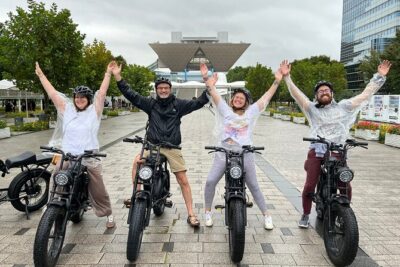
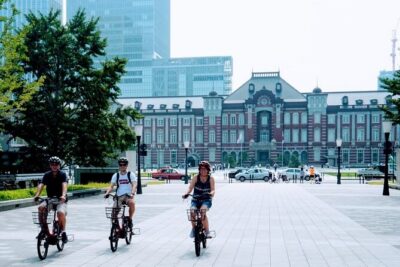
3h Tokyo E-Bike Tour: Hidden Gems, and Local Life with guide
Read our review →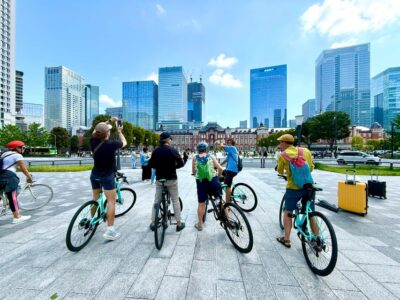
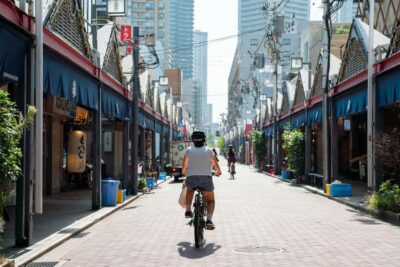
3-hour Guided E-Bike Tour of the City’s Hidden Gems
Read our review →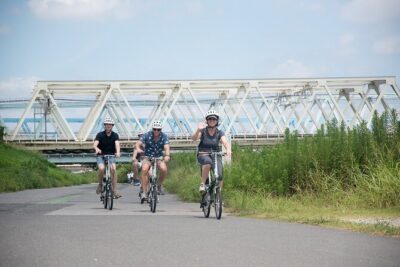
3-Hour Tokyo Private E-Bike Tour Starting from Your Hotel
Read our review →
5-Hour Tokyo & Edo Hidden Gem Bike Tour with Lunch
Read our review →Browse the lists this tour appears in