
REVIEW · HIROSHIMA
Hiroshima and Miyajima by Bike and Boat
Two cities, one active day. This small-group tour links Hiroshima’s rivers, memorials, castle, and neighborhoods with a ferry ride to Miyajima, where deer, shrine gates, and a local lunch round out the experience. I especially like the mix of cycling and public transport, plus the chance to see far more of Hiroshima than you could comfortably cover on foot. The included meal and a group capped at eight also add real value.
The main caution is pace. You cover a lot in seven to eight hours, and the day can run longer. One account describes a ten-hour outing, with Miyajima taking so much time that Hiroshima’s Peace Park and castle felt rushed. The Atomic Bomb Museum is not included, so you need to plan extra time if it is a priority.
Quick takeaways
- Eight-person maximum: The small group lets the guide adjust the pace, bike sizes, and sometimes the order of stops.
- Cycling reveals more of Hiroshima: Quiet riverside paths, parks, and neighborhoods give you a better sense of the city than a quick walk between major sights.
- Peace Park receives thoughtful attention: The Cenotaph and surrounding monuments are presented with care, though the museum is not part of the tour.
- Miyajima comes by JR ferry: The fare, train ride, bicycle, lunch, and taxes are included in the price.
- Guides make or break the day: Aimee, Alex, Ihsan, Sage, Melissa, and James are praised for warmth, humor, flexibility, and strong historical explanations.
- Heat matters: Hiroshima summers can be hot and humid. Expect a full day of riding and walking, with breaks and water especially important.
Why this route works so well
At $142.05 per person, this is not the cheapest way to see Hiroshima. It is a full-day package, though, and the price covers bicycle use, train and ferry transport, lunch, admission fees, and taxes. You are also paying for a guide who handles the route between several places that would take more planning on your own.
I like the design because it combines three ways of moving: bicycle, train, and boat. The bike gets you through parts of Hiroshima that sit outside the usual tourist path. The train and ferry then make the trip to Miyajima simple, without asking you to cycle a long distance between the city and island.
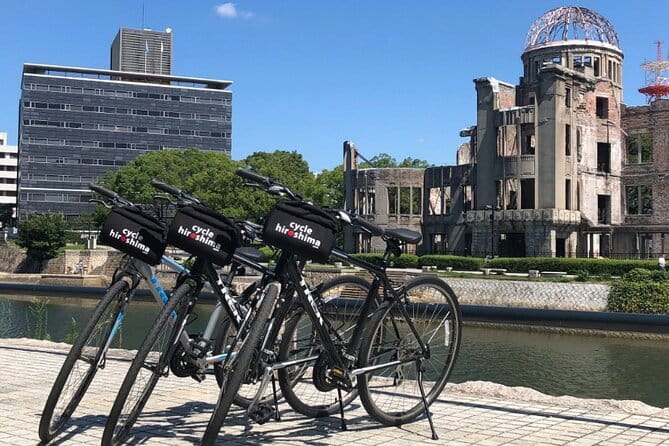
The group limit of eight matters. A guide can stop for questions, fit you to a suitable Trek bicycle, adjust the pace, or alter the order of the day. Several accounts describe private or nearly private outings, and guides such as Aimee and Alex are praised for tailoring the experience to individual interests.
Still, you should treat the schedule as full rather than leisurely. The tour starts at 9:30 a.m. and ends back at the Cycle Hiroshima meeting point. There are many moving parts, and Miyajima includes a good deal of walking. If you want long museum visits, extended shopping, or quiet photography at every monument, this route may feel compressed.
More Bike and Boat Tours in Japan:
- Hiroshima: City and Miyajima Bike and Boat Tour
★ 5.0 · 20 reviews - Ninh Binh Full-Day Tour from Hanoi to Hoa Lu, Tam Coc & Mua Cave Via Boat & Bike
★ 5.0 · 4,384 reviews - From Perth: Rottnest Island Full-Day Bike and Ferry Trip
★ 4.7 · 2,548 reviews
Starting beside Hiroshima’s rivers
You meet at Cycle Hiroshima, at 4-chōme-5-4 Ōtemachi in Naka Ward. The first part takes you through Hiroshima by bicycle, including riverside routes, parks, and local neighborhoods. This opening ride is not just transportation. It gives you a feel for how the rebuilt city is laid out and lets you cover ground quickly.
The cycling is one of the tour’s best features. Hiroshima is broad and spread out, so walking between the Peace Memorial Park, castle area, and other points can eat up valuable time. On a bike, you can move between them while still seeing ordinary streets and waterways along the way.
The equipment appears to be a strong point. Aimee is specifically praised for fitting a Trek bike to a shorter rider, and another account describes a good range of bicycles to choose from. Tell the guide if you need a slower pace or a different bike size at the start, rather than waiting until the route is underway.
You should be comfortable cycling and walking for much of the day. The tour is not presented as a difficult athletic ride, and the pace has been adjusted for heat and mixed abilities, but it is still an active outing. Rain can also change the plan. In one case, heavy weather led to a walking-based version of the tour instead of cycling.
Hiroshima Peace Memorial Park and the Cenotaph
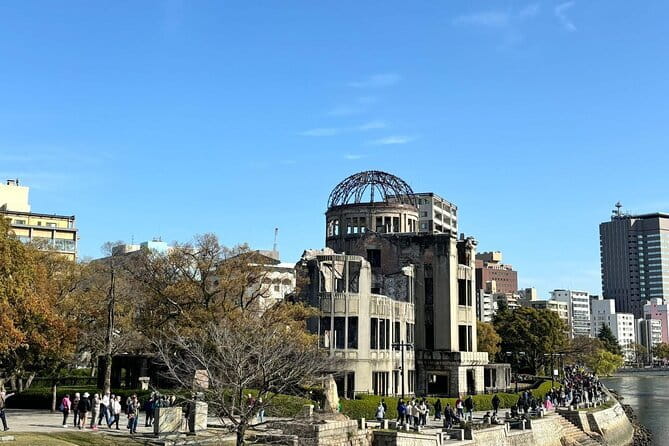
The Peace Memorial Park is the emotional center of the Hiroshima portion. You spend about an hour exploring the park, followed by around 15 minutes at the Cenotaph for the Atomic Bomb Victims. The guide’s role here is especially important, and the strongest accounts praise explanations that are clear, balanced, and respectful.
Expect to see monuments and memorials that are easy to miss if you visit alone. James is praised for pointing out statues and memorials that might otherwise pass unnoticed. Other guides, including Ihsan, Aimee, Melissa, and Alex, receive strong praise for explaining the events leading to the atomic bombing and the aftermath without turning the subject into a rushed list of dates.
The Cenotaph offers a short pause for reflection. Fifteen minutes is not a long time, but the stop gives the monument its due rather than treating it as a quick photo opportunity. You can expect sensitive commentary, though the depth may vary with the guide and the group’s questions.
Here is the practical catch: the Atomic Bomb Museum is not included. That is a major omission for anyone visiting Hiroshima to study the bombing in detail. You can return to the museum later, but the schedule may not leave much energy or daylight after Miyajima. If the museum is essential, ask the guide early about the day’s timing and consider booking a separate visit.
Hiroshima Castle and the city’s earlier past
Hiroshima Castle shifts the focus from the twentieth century to feudal Japan. You have about 30 minutes to explore the grounds, moat, and main tower area. The castle was restored, and the stop gives the day some historical range beyond the Peace Park.
This is a short visit, so think of it as an introduction rather than a full museum tour. You can take photos, see the moat and grounds, and hear about the castle’s role in the city’s earlier story. If you want to read every display or spend a long time inside the tower, the allotted time may feel brief.
The order can change. Some guides take the group to Miyajima first and return to the Peace Park later, which may be useful depending on ferry timing, weather, and the group’s interests. That flexibility is valuable, but it also creates the risk of reaching Hiroshima’s major memorials late in the day. One less positive account found the castle and Peace Park rushed near sunset after a long Miyajima visit.
A few more days on two wheels around Japan worth a look
- Hidden Kyoto E-Biking tour
★ 5.0 · 1,843 reviews - Tokyo Guided Small-Group Biking Tour
★ 5.0 · 1,250 reviews - Bike Tour Exploring North Kyoto plus Lunch
★ 5.0 · 1,087 reviews - Tokyo Great Cycling Tour
★ 5.0 · 811 reviews
The JR ferry ride to Miyajima
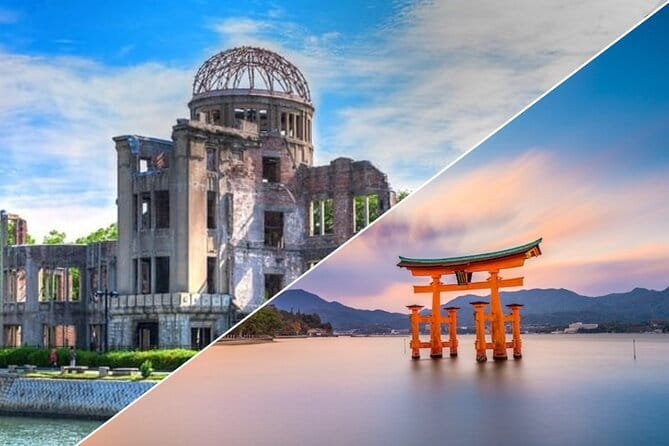
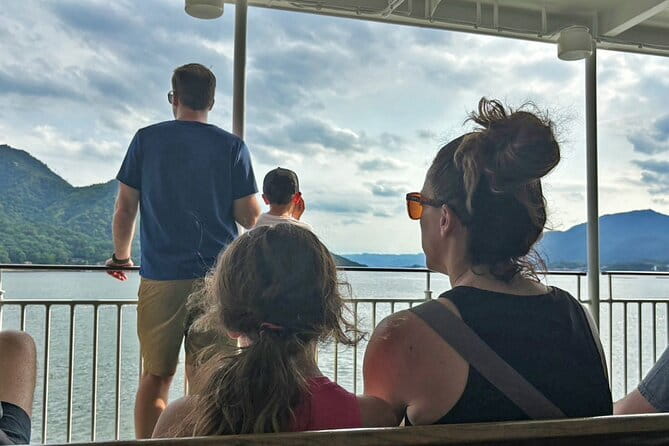
The JR Miyajima Ferry is included, and the crossing takes about 30 minutes. The ferry is more than a practical link. It gives you a pleasant break from cycling and a changing view as you approach the island.
The route also includes a train ride when you retrace your steps back toward Hiroshima. Having both fares covered removes small but annoying decisions during a packed day. You can concentrate on the guide and the places ahead instead of sorting out tickets at each stage.
Keep your expectations clear. This is not a boat cruise with extended sightseeing commentary. It is the ferry used to reach Miyajima, but the crossing itself remains a memorable part of the day because it changes the rhythm from street cycling to open water and island exploration.
Miyajima’s streets, deer, and shrine
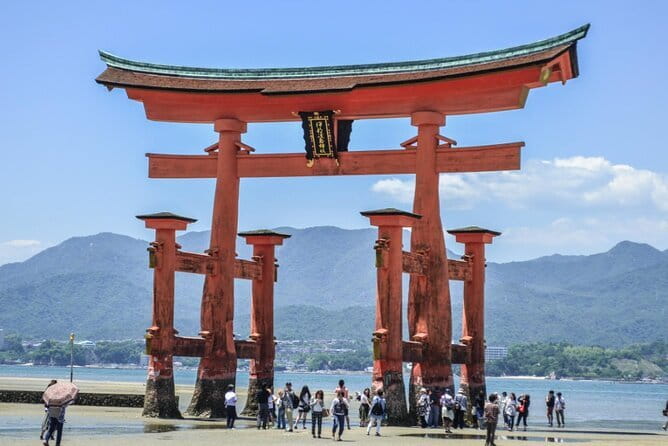
Miyajima receives roughly an hour and a half of guided exploration before or around the Itsukushima Shrine visit. You walk through streets lined with orange buildings and greenery, learn about the island, and encounter the local deer. The guide helps you make sense of the monuments instead of leaving you to wander without context.
The island is beautiful, but it is also where the schedule can stretch. Much of this section is on foot rather than by bicycle. If you booked mainly for cycling, you should know that the island portion may feel more like a walking tour.
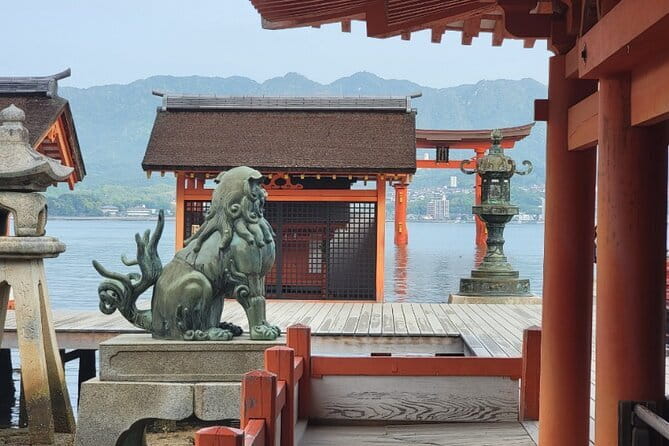
Itsukushima Shrine is the headline sight. The orange structures and famous shrine gate create the classic Miyajima view, and the guide points out the surrounding monuments and landmarks. The time here is enough for an introduction and photographs, though not necessarily for an unhurried study of every building.
The deer are part of the island experience, but the shrine and setting deserve more attention than a quick wildlife stop. A guide can explain the island’s legends and religious background while also helping you navigate the busy areas. James is praised for doing exactly that, while Aimee is remembered for adding small interactive moments, including a visit to the Kaidan Meguri at Daishoin Temple during a rain-adjusted day.
Local lunch and Hiroshima flavors
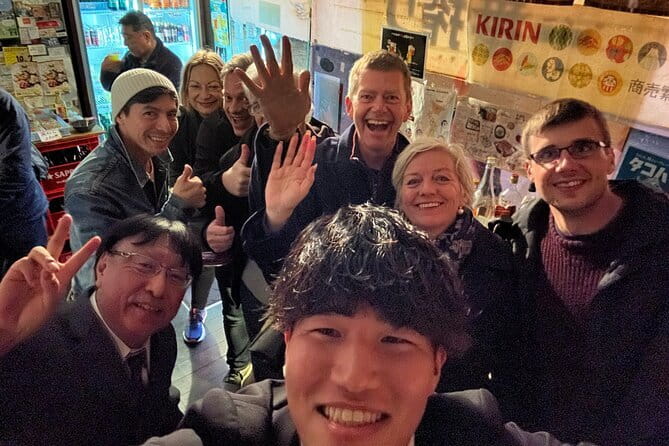
Lunch is included at a nearby eatery, with vegetarian choices available. The meal is described as local Japanese food, and specific accounts mention Hiroshima-style okonomiyaki and Hiroshima ramen. That makes lunch more useful than a generic restaurant stop because it connects the meal to the region.
The food is also a social pause. After cycling, ferry travel, and walking, sitting down with the group gives you a chance to compare impressions and recharge. Several guides are praised for choosing good food and helping with local specialties.
There is a tradeoff. Lunch can take longer than expected, especially with a full group or a busy restaurant. One account felt that the meal helped push the total day toward ten hours. If you have an evening train or another fixed booking, allow plenty of room after the advertised seven to eight hours.
Vegetarian meals are available, but other dietary needs should be discussed before booking. Do not assume the restaurant can handle every restriction at short notice.
What the guides add
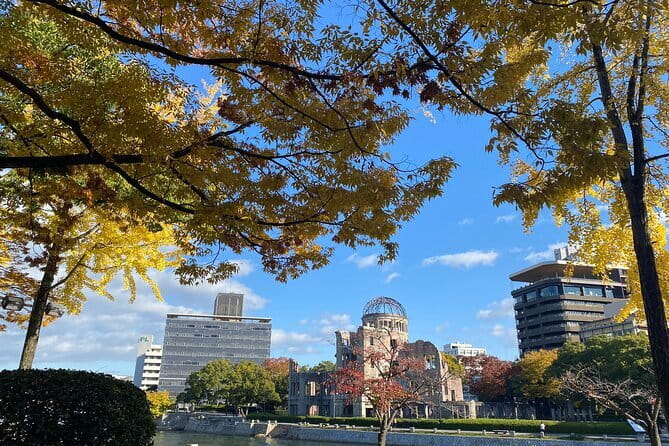
The guides are the tour’s biggest variable, but the overall record is very strong. Aimee is repeatedly praised for warmth, humor, clear English, thoughtful pacing, and careful attention during extreme heat. Alex is described as friendly and flexible, with long experience living in Japan. Ihsan receives praise for explaining wartime history from several perspectives and for making the route easy to follow.
Melissa is praised for finding the right balance between serious history and lighter moments. James is singled out for language ability, historical depth, bike fitting, photography help, local food, and attention to the group’s needs. Sage is praised for a friendly manner, steady cycling pace, and clear explanations, although one account felt the wartime discussion was too light.
That last point is worth taking seriously. Guides may differ in tone and depth. Hiroshima calls for adult, direct treatment of difficult history. If this subject is central to your visit, ask thoughtful questions and make clear that you want a fuller discussion. The strongest experiences appear to come when the guide engages closely with the group.
Heat, rain, and the physical effort
The tour can work well in hot weather, but you should not underestimate the conditions. Several accounts describe intense heat and humidity. Guides have responded with water, frequent rests, slower cycling, and even cooling strips, but you still need to arrive prepared.
Wear comfortable clothing and shoes suitable for both riding and walking. The day includes cycling around Hiroshima, walking through the Peace Park, ferry and train travel, island streets, shrine grounds, and a return ride to the starting point.
Rain can also change the plan. The company has shifted at least one outing from cycling to walking because of a poor forecast. That flexibility is useful, though the experience will feel different if you expected a full day on a bicycle.
The tour requires good weather and a minimum number of participants. If poor weather or low enrollment cancels the outing, you are offered another date or a full refund.
Who should book it
I would choose this tour if you have one full day in Hiroshima and want an organized introduction to both the city and Miyajima. It suits active visitors who like learning while moving, small groups, local food, and a guide who can answer questions along the way.
It is also a smart choice if you find train and ferry connections stressful. The route handles the transport while giving you a bicycle for the parts of Hiroshima where two feet would be too slow.
I would be more cautious if the Peace Memorial Museum is your top priority, if you dislike full schedules, or if you want long independent time at Miyajima. The tour gives you a broad view, not unlimited time at each place. You may need to return to the museum or island on your own.
Final verdict
At $142.05, this is good value for an active, guided day that includes bicycles, train and ferry rides, lunch, and a maximum group of eight. Its best feature is the combination of Hiroshima’s difficult past, its older castle district, and Miyajima’s shrine and island setting in one well-organized route.
Book it if you want context, movement, and a strong overview. Go in expecting a packed day, not a slow one. Confirm your priorities with the guide at the start, protect time for the Peace Park, and arrange a separate museum visit if needed. For many visitors, especially those short on time, this is one of the most efficient ways to connect Hiroshima’s major sights with Miyajima.
FAQ
How long does Hiroshima and Miyajima by Bike and Boat take?
The scheduled duration is approximately seven to eight hours, beginning at 9:30 a.m. The day can run longer, with one account describing a ten-hour outing.
What is included in the $142.05 price?
The price includes bicycle use, lunch, train and ferry rides, all fees and taxes, and the guided experience.
Where does the tour begin and end?
It begins and ends at Cycle Hiroshima, 4-chōme-5-4 Ōtemachi, Naka Ward, Hiroshima, 730-0051, Japan.
Is the Atomic Bomb Museum included?
No. The tour visits Peace Memorial Park and the Cenotaph for the Atomic Bomb Victims, but the museum is not included.
How large is the group?
The tour has a maximum of eight participants.
Is lunch suitable for vegetarians?
Vegetarian options are available. Other dietary restrictions should be discussed with the provider before the tour.
Does the tour operate in poor weather?
The experience requires good weather. If poor weather causes cancellation, you are offered a different date or a full refund.
Can I cancel for a full refund?
Yes. You can cancel at least 24 hours before the experience begins for a full refund. Changes or cancellations made less than 24 hours before the start time are not accepted.
Just added around Japan
- Private E-MTB guided cycling around Mt. Aso volcano & grasslands★ 5.0 · 16 reviews
- Handmade Goshuin Book Experience Eco Friendly Upcycling in Tokyo★ 5.0 · 21 reviews
- Tokyo: West-Side Cycling and Food Tour with Guide★ 5.0 · 37 reviews
- Tokyo: Discover Traditional Tokyo Full-Day Bicycle Tour★ 4.7 · 131 reviews
- Tokyo: Rice Ball Making Class★ 5.0 · 14 reviews
- Tokyo: 3h Private E-bike Tours, Starting at Your Hotel★ 5.0 · 36 reviews
- Tokyo Bike Tour: Shibuya, Harajuku & Hidden Gems★ 5.0 · 20 reviews
- Tokyo: Private Cycling Tour with cute E-bike★ 5.0 · 11 reviews
Bike and Boat Tours, compared.
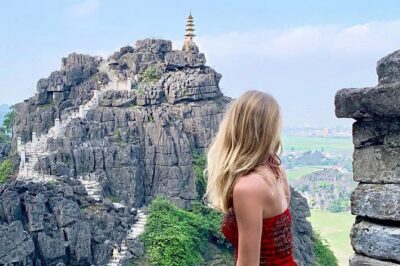
Ninh Binh Full-Day Tour from Hanoi to Hoa Lu, Tam Coc & Mua Cave Via Boat & Bike
Read our review →
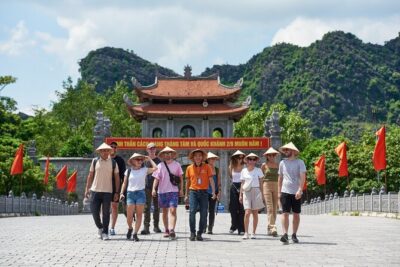
Ninh Binh Day Trip: Hoa Lu-Trang An/Tam Coc-Mua Cave-Cycling-Boat
Read our review →

E-Bike Tour with Montjuic Cable Car & Boat Ride
Read our review →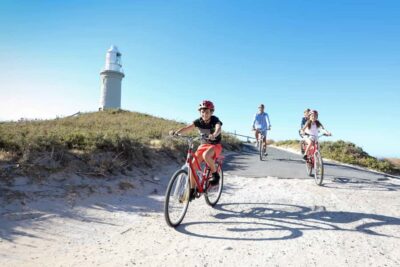
From Fremantle: Rottnest Island Ferry and Bike Day Tour
Read our review →
Browse the lists this tour appears in