REVIEW · KYOTO
4.5-hr Kyoto Historical Highlights Bike Tour with UNESCO
Kyoto rewards slow travel. This four-and-a-half-hour ride links Gion, Zen temples, and the Kamo River without making you fight the city’s bus system all day. I like the easy pace and the chance to see Kyoto between major sights, rather than moving from one crowded entrance to another. I also like that the tour includes the bike, helmet, lock, temple admission, lunch, and photos. The main consideration is that cycling and listening at the same time can be tricky, especially if your guide speaks softly.
The tour costs $96 per person and limits the group to five people. That is a fair price if you value a local guide, a proper temple visit, and lunch in a traditional Japanese house. You should be comfortable on a bike, at least 150 centimeters tall, and ready for weather that may be warm or wet.
Key points at a glance
- A calm start along the Kamo River: The opening ride gives you a quick feel for Kyoto’s peaceful side before the temples and city streets.
- Seventy-five minutes at Kennin-ji: You get time to learn about Gion, geisha culture, Zen practice, and the temple’s Japanese rock garden.
- Nanzen-ji adds scale and history: An 80-minute visit leaves room for photographs and a fuller look at one of Kyoto’s important Zen temple areas.
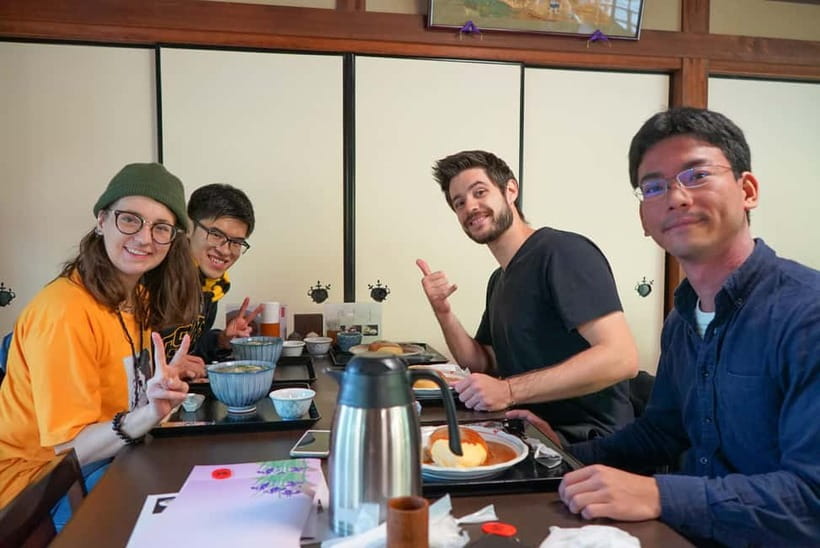
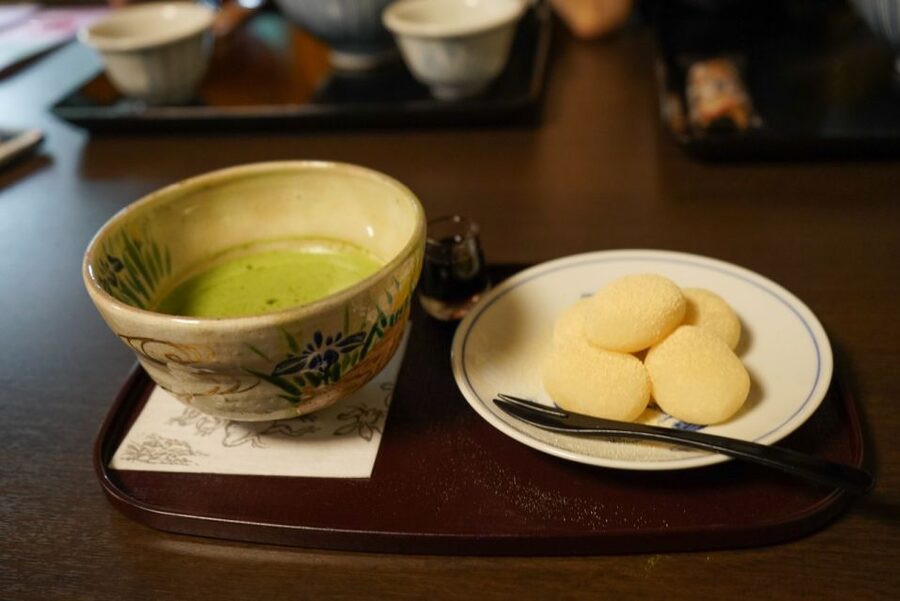
- Lunch is part of the cultural experience: Expect local Kyoto food, soba, matcha, and mochi in a traditional Japanese house.
- A very small English-speaking group: With no more than five participants, the guide can usually keep the ride personal and flexible.
- Good for casual cyclists: The ride is designed for ordinary riders, not only for people who spend their holidays on two wheels.
Why cycling works so well in Kyoto
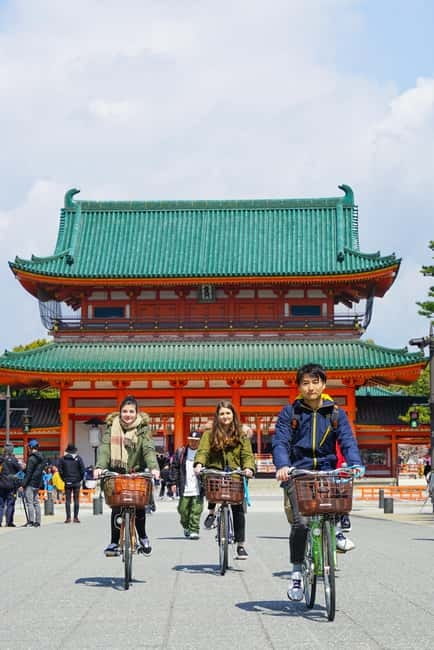
Kyoto is large, with more than 1.4 million people in its metropolitan area, but many of its most appealing routes feel surprisingly quiet. A bicycle lets you connect districts that can be awkward by bus, while giving you a better sense of the streets, riverbanks, and older neighborhoods between the famous sights.
I like this tour because the bike is not treated as a sport. You are not being pushed to race from temple to temple. The goal is to move at a useful pace, stop often, and hear how Kyoto developed from the imperial capital of Japan into the city you see today.
The ride is suitable for anyone over 150 centimeters tall, not just highly skilled cyclists. You still need to follow traffic instructions, watch the road, and keep your phone away while riding. Japanese law prohibits smartphone use during cycling, though you may use your phone when the bicycle is stopped. Headphones are also not allowed.
A helmet, lock, and bodily injury liability insurance are included. That matters because it removes the usual first-day hassle of finding a rental shop, choosing a suitable bike, and working out where to leave it.
More City Highlights Bike Tours in Japan
- 5 Top Highlights of Kyoto Full Day Bike Tour (E-bike option)
★ 5.0 · 511 reviews - E-Bike Tours of the highlights of Kyoto!!!
★ 5.0 · 291 reviews - Kyoto: Full-Day City Highlights Bike Tour with Light Lunch
★ 5.0 · 52 reviews
Meeting at Kyoto Station and reaching the Kamo River
The meeting point is in front of the Seven Eleven outside the Hachijo-guchi exit of Kyoto Station, next to Hotel Via Inn Prime. Look for the guide holding a Magical Trip sign. The location is practical, but Kyoto Station has several exits and levels, so I would arrive early rather than trying to find the convenience store at the last minute.
The route begins with about 15 minutes beside the Kamo River. This is a gentle introduction to the ride. The riverbanks give you open views and a break from station traffic, and you may see local people enjoying the water and sunshine. It is a small stop, but it helps set the tone: this is Kyoto at a slower speed.
The river route also makes a useful contrast with Gion. You move from an open, relaxed public space into one of Kyoto’s best-known historic districts without a long transfer or complicated navigation.
Gion and Kennin-ji: Kyoto culture with room to think
Gion is closely linked with geisha culture, traditional teahouses, and old Kyoto streets. The important thing here is not just taking pictures. A good guide can explain how the district works and help you understand the difference between what you see in popular images and the living culture behind them.
The tour then spends about 75 minutes at Kennin-ji, a Zen temple in Gion. This is one of the strongest parts of the morning because you get enough time to look around instead of making a quick stop for a single photograph. The visit focuses on Zen culture and includes a Japanese rock garden, known as karesansui.
A rock garden asks you to slow down. Its stones, gravel, and carefully controlled empty space are not decoration in the usual sense. Your guide can use the garden to explain how Zen ideas shape Japanese arts, temple design, and daily habits. This context is much more useful than simply being told the name of the garden.
Kennin-ji is also a good place to learn about the connection between Gion and traditional Kyoto culture. The tour does not treat the temple and the district as separate attractions. Instead, the temple helps explain the cultural setting you have just cycled through.
One practical note: the guide may need to speak while other people are nearby or while the group is moving between areas. One participant found a soft-spoken guide difficult to hear and suggested a clip-on microphone. That is a fair point. Stay close when explanations begin, and ask your guide to repeat anything you miss.
The ride to Nanzen-ji and Heian Shrine
After Kennin-ji, you cycle through local streets toward Nanzen-ji. This is where the experience feels different from a standard temple tour. You are not simply being delivered to another major sight. You get to notice the spaces between them, with the guide pointing out aspects of Kyoto and its past along the way.
Nanzen-ji receives about 80 minutes, making it the longest temple stop of the day. That gives you time to see several photogenic areas and listen to an explanation of Zen life and old Kyoto. The temple complex is especially useful for visitors who want more than a list of dates and architectural names. The guide can connect the buildings, gardens, and religious traditions to the wider story of the city.
The route also includes about 20 minutes at Heian Shrine. This short visit works as a compact look at one of Kyoto’s major Shinto sites after the Buddhist temple stops. Since Kennin-ji and Nanzen-ji focus heavily on Zen, Heian Shrine gives the day a broader religious balance.
The timing means you will not have hours to explore every corner of each location. That is the tradeoff. You see several important places in one morning, but you should not expect the slow, unhurried study possible on a full-day temple visit.
More Heritage and Temple Bike Tours in Japan
- Historical Kyoto E-Bike Tour
★ 5.0 · 181 reviews - 4.5-Hour Kyoto Bike Tour with Lunch and UNESCO Zen Temples
★ 5.0 · 122 reviews - Kyoto: Fushimi Inari Shrine and Tofukuji Temple E-Bike Tour
★ 5.0 · 75 reviews - Kyoto: Hidden Gems E-Bike Tour Through Backstreets & Temples
★ 4.9 · 54 reviews
Lunch in a traditional Japanese house
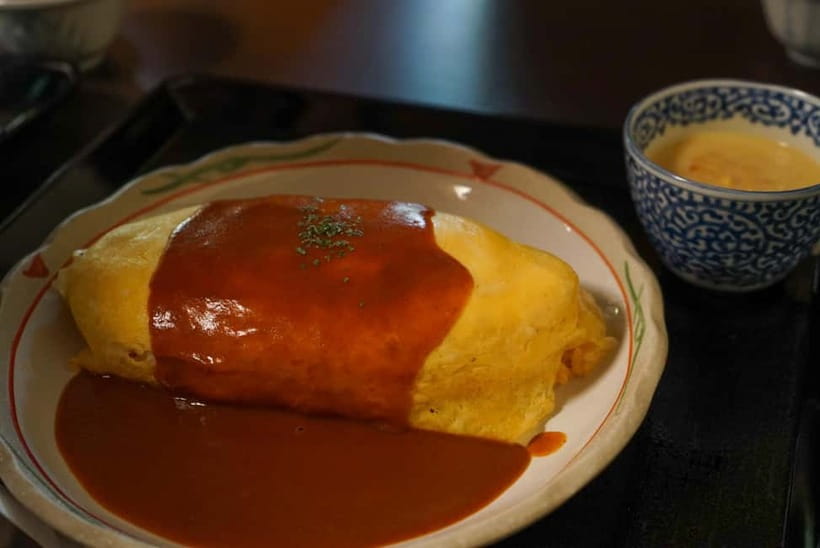
Lunch lasts about 45 minutes and takes place at a traditional Japanese house. This is one of the tour’s most praised details, and I can see why. A meal in a local setting gives you a break from the saddle while adding a more personal side to Kyoto than another sightseeing stop would.
The food includes local cuisine, with soba dishes available along with matcha and mochi desserts. After lunch, you can also look at a Japanese garden and a nearby souvenir shop where Yatsuhashi sweets are available to try. Yatsuhashi is a well-known Kyoto sweet, so this stop gives you a chance to sample something associated with the city rather than buying an anonymous snack from a station kiosk.
Vegetable and vegan meals are available, but fish stock is still used. You need to tell the operator about dietary requests or allergies at least one day before the tour. Requests made on the day cannot be accommodated, and the food is prepared in kitchens outside the tour company’s control, so an allergy-free meal cannot be guaranteed.
Drinks and extra food are not included. Bring some yen or another accepted payment method if you want more during lunch or plan to shop for sweets.
The lunch is also a social pause. The small group format gives you time to talk with the guide and other participants, instead of eating separately and rushing back to the itinerary. For many people, that shared meal may become one of the most memorable parts of the morning.
Returning the bikes and ending beside the river
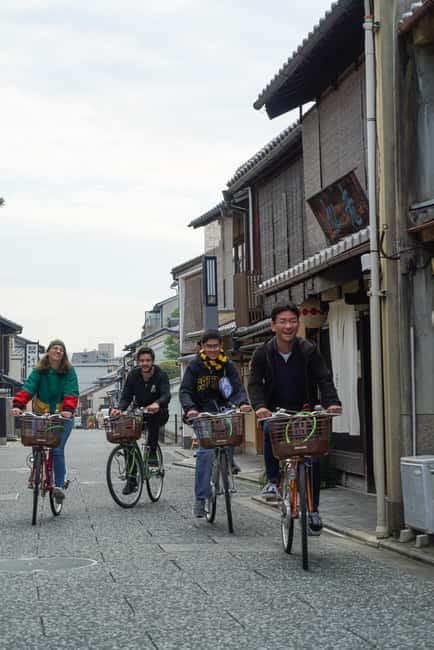
The final section includes about 30 minutes at the Rental Bicycle KYOTO ECO TRIP flagship shop. This is listed as a guided portion, and it brings the equipment side of the day to a close. Because the bikes are arranged in advance, you do not have to return them to a random street kiosk or work out the rental system yourself.
The ride back toward the Kamo River is intentionally relaxing. After lunch and several cultural stops, you can enjoy the city without another demanding visit. The riverbanks are a fitting finish because they return you to the calm atmosphere from the start.
This last ride may be especially appealing if you are visiting Kyoto in warm weather. One family enjoyed cycling in temperatures around 30 degrees Celsius, and teenagers in particular liked the movement and the river route. Still, heat can make four and a half hours feel longer, so wear light clothing, bring water, and do not assume the ride will feel effortless in midsummer.
What $96 gets you
At $96, the price is not simply for bicycle hire. It covers a rental bike, helmet, lock, insurance, guide service in English, photos, lunch, and entrance to Kennin-ji. You are also paying for a carefully linked route through Gion, two Zen temple areas, Heian Shrine, the Kamo River, and local streets.
That makes the price reasonable for visitors who would otherwise pay separately for bike rental, temple admission, lunch, and transport between districts. The value is strongest for a first visit to Kyoto, when a guide can give you cultural context and save you time with route planning.
The value is weaker if you already know Kyoto well, dislike group schedules, or want to spend most of the day inside one temple complex. The tour gives you a broad sample rather than long, independent visits at every stop.
The group is limited to five people, which is a real advantage. It gives the guide a better chance to answer questions and adjust the pace. Karin once led a tour that became private when the other bookings did not appear, creating an especially flexible experience. You should not count on having a private tour, but the small maximum keeps the normal group from feeling unwieldy.
Several guides have drawn strong praise for making the history easy to follow. Woohee was especially appreciated for explaining cultural ideas and suggesting places to visit later. Tobu handled a hot day well and added information about Kyoto history and Shinto shrines. These details matter because the quality of this tour depends heavily on the guide’s explanations, not only on the route.
Who should book this bike tour?
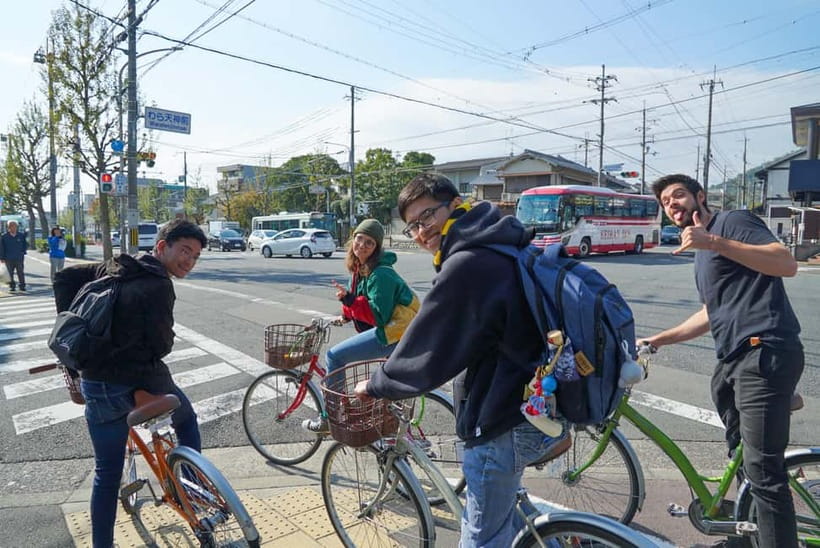
I would recommend it to first-time Kyoto visitors who want a clear introduction without spending the entire day on foot. It suits couples, families with older children, and adults who enjoy light activity mixed with temples and food.
It is also a good choice for teenagers. The cycling breaks up the formal temple visits, and the Kamo River gives the day a more relaxed rhythm. Casual cyclists should manage it, but you need to be confident enough to ride in city traffic and follow the guide’s instructions.
I would think twice if you use a wheelchair, are under 150 centimeters tall, or strongly dislike cycling in hot or uncertain weather. The tour may be canceled for safety if conditions are unsuitable, and the route cannot accommodate wheelchair users.
Book at least a day ahead if you have allergies or dietary needs. For comfort, wear supportive shoes and stay close enough to hear the guide. If English explanations are important to you, mention any hearing concerns at the start, since one soft-spoken guide was hard to hear while riding.
Should you book it?
Book this tour if you want Kyoto’s major cultural themes connected by an easy bike route, with lunch and equipment handled for you. The best reasons are the small group, the long visits at Kennin-ji and Nanzen-ji, and the traditional-house meal with soba, matcha, mochi, and Yatsuhashi.
Skip it if your priority is total independence or a slow study of only one temple. For most visitors who want to see more of Kyoto without spending the day underground on trains, $96 is a sensible price for a well-balanced morning.
FAQ
How long does the Kyoto bike tour last?
The tour lasts 270 minutes, or four and a half hours.
How much does the tour cost?
The listed price is $96 per person.
Where does the tour meet?
Meet in front of the Seven Eleven outside Exit Hachijo-guchi of Kyoto Station, next to Hotel Via Inn Prime. The guide will hold a Magical Trip sign.
What language is the tour offered in?
The live guided tour is offered in English.
How many people can join the tour?
The tour is limited to five participants.
Is a bicycle provided?
Yes. The rental bike, helmet, bike lock, and bodily injury liability insurance are included.
Is lunch included?
Yes. Lunch is included and features local Kyoto food, including soba options and desserts with matcha and mochi. Additional drinks and food are not included.
Can the tour accommodate vegetarian or vegan diets?
Vegetarian and vegan meals are available, but fish stock is still used. You must provide dietary requests or allergy information at least one day before the tour, and allergy-free meals cannot be guaranteed.
Who cannot join the tour?
The tour is not suitable for wheelchair users or anyone under 150 centimeters, or 4 feet 11 inches, tall.
More City Highlights Bike Tours in Kyoto
- Kyoto: Tailored E-Bike Tour to Highlights & Hidden Gems
★ 4.9 · 32 reviews - 3-Hour Porto Highlights on a Electric Bike Guided Tour
★ 5.0 · 4,392 reviews - Porto: City Highlights 3-Hour Guided Electric Bike Tour
★ 4.8 · 3,092 reviews - Highlights & Hidden Spots of Barcelona Bike Tour w/ Local Guide
★ 4.5 · 3,009 reviews
More Heritage and Temple Bike Tours in Kyoto
- Bangkok: Temples, Canals & Local Life Bike Tour
★ 4.9 · 3,511 reviews - Historical Singapore Bike Tour on Full-Sized Bicycles
★ 5.0 · 1,421 reviews - Barcelona: 2.5-Hour Bike or E-Bike Historical Tour
★ 4.5 · 1,262 reviews - Bangkok: Night Bike Tour with Temples & Flower Market Visit
★ 4.8 · 751 reviews
Just added around Kyoto
- Kyoto: Tailored E-Bike Tour to Highlights & Hidden Gems★ 4.9 · 32 reviews
- Best of Kyoto: Ginkakuji & Path of Philosophy E-Bike Tour★ 4.9 · 79 reviews
- Kyoto: Early Bird E-Bike Tour with Lunch★ 5.0 · 14 reviews
- Kyoto: Half-day Guided Bike Tour with Fushimi Inari★ 4.9 · 21 reviews
- Kyoto: Full Day Bike Tour★ 4.9 · 39 reviews
- Kyoto: Full-Day City Highlights Bike Tour with Light Lunch★ 5.0 · 52 reviews
- Cycle Kyoto’s Hidden Gems & Gion Stroll★ 5.0 · 29 reviews
- Kyoto: Arashiyama Bamboo Forest Morning Tour by Bike★ 5.0 · 115 reviews
Heritage and Temple Bike Tours, compared.
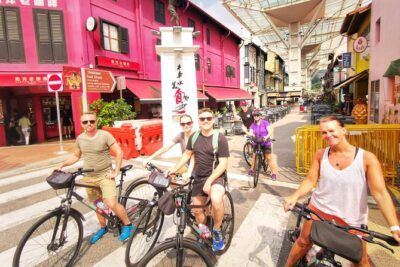
Historical Singapore Bike Tour on Full-Sized Bicycles
Read our review →

Night Bike Tour with Temples & Flower Market Visit
Read our review →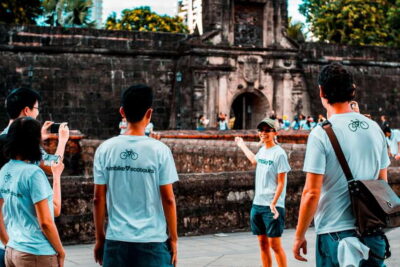
Intramuros, Manila: Historical Bamboo Bike Tour
Read our review →