
REVIEW · TOKYO
Tokyo: Rice Ball Making Class
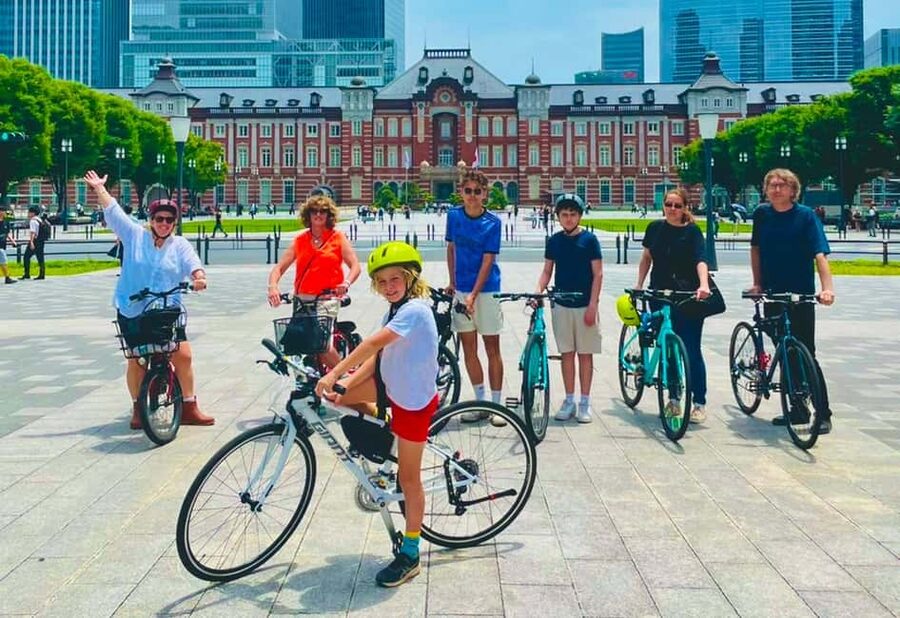
A warm snack opens Tokyo’s quiet side. This small-group experience combines an onigiri lesson with a bicycle ride through local streets, then brings you to Hamarikyu Gardens for a picnic. I like the hands-on cooking, which gives you a simple skill to take home, and I like the gentle mix of city views, river paths, and traditional gardens. The main consideration is physical: cycling is required, and the tour is not suitable for children under 12, people with mobility or back problems, wheelchair users, or anyone with a low level of fitness.
The price is $51 per person, including the class, ingredients, bicycle, English-speaking guide, and entrance to Hamarikyu Gardens. That is fair value if you want more than a cooking demonstration. You are paying for a complete outing, not just a plate of food, though extra drinks and snacks are your responsibility.
Key points at a glance
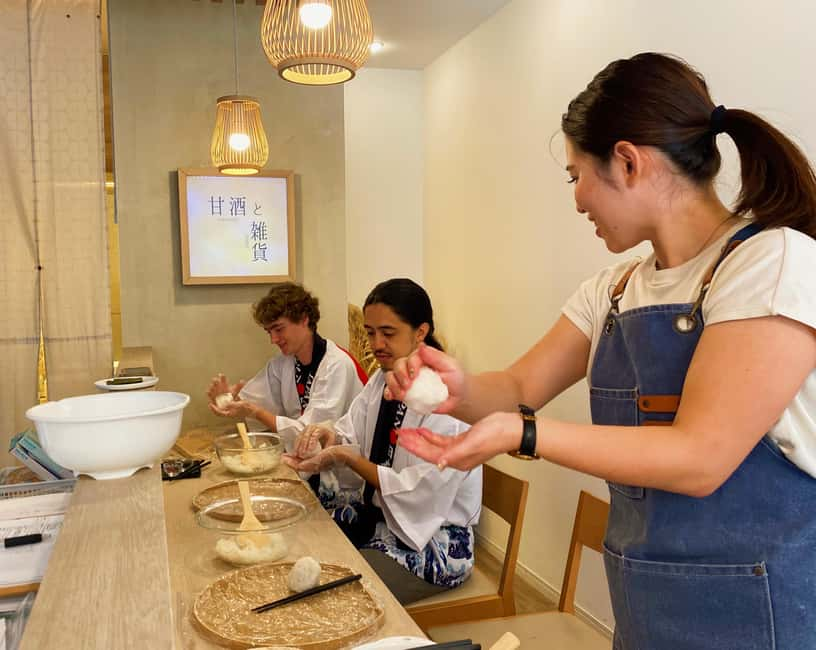
- Make onigiri from freshly steamed rice: Shape the rice by hand and try fillings such as salmon, pickled plum, and tuna-mayo.
- Eat your own work at Hamarikyu Gardens: The picnic pairs a warm rice ball with ponds, flowers, teahouses, and Tokyo Bay views.
- Cycle beyond the main tourist routes: The ride uses local backstreets, riverside paths, and waterfront lanes.
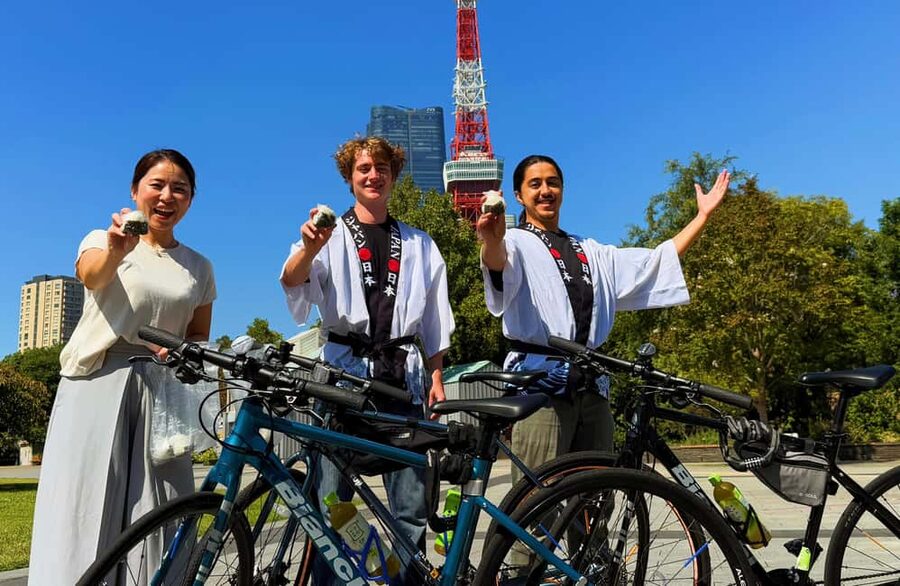
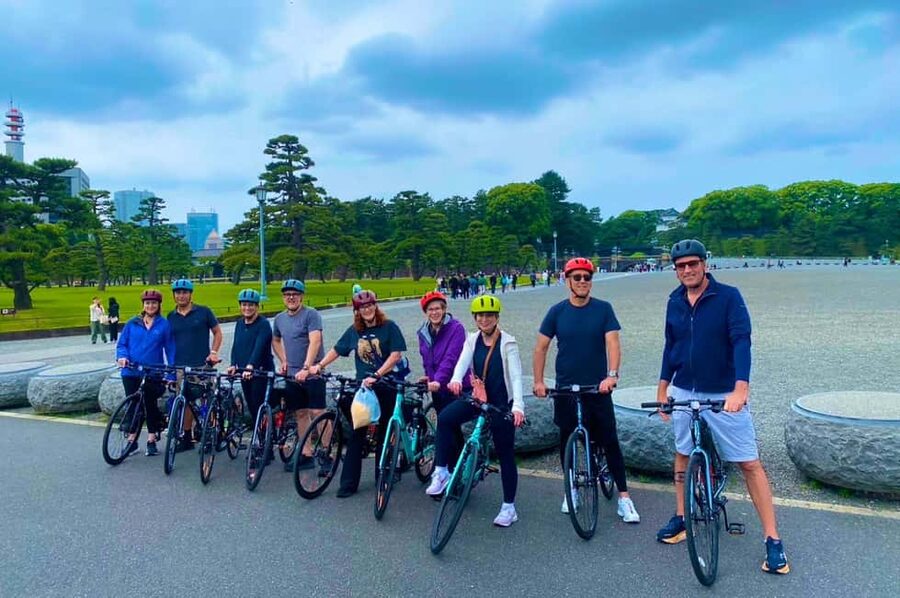
- See several famous sights by bicycle: The route can include views of Tokyo Tower, the Imperial Palace, Zozoji Temple, and Tokyo Bay.
- Keep the group small: A maximum of six participants makes it easier to ask questions and get help with shaping the rice.
- Plan for an active outing: Comfortable clothing and a reasonable level of cycling fitness matter more here than fancy sightseeing clothes.
Why an onigiri class works so well in Tokyo
Onigiri is one of Japan’s most familiar everyday foods. It is simple at first glance: seasoned rice shaped around a filling, often wrapped or finished with nori. Yet the class gives you a closer look at how much care goes into something that many people eat as a quick meal or snack.
I like this format because you are not merely watching an instructor assemble rice balls. You season and shape the rice yourself. The tactile part matters. Rice that is too loose will not hold its form, while rice that is pressed too hard can become dense. An expert can show you the practical middle ground.
The fillings also give the class a useful introduction to Japanese flavor preferences. Salmon is savory and familiar. Pickled plum, or umeboshi, brings a sharp, sour note. Tuna-mayo is creamy and mild. Trying all three helps you see how one basic food can suit different tastes.
The small group size, limited to six people, should make the lesson more personal. You can ask about shaping, seasoning, or ingredients without trying to catch an instructor’s attention across a crowded room. English is the tour language, and several comments about the experience praise the friendly teaching and clear English.
Do not expect a full restaurant meal. The focus is on learning, making, and eating the onigiri you prepare. If you need extra food or drinks, you will need to buy those separately.
A few more days on two wheels around Tokyo worth a look
- Cai Be Mekong Delta Tour: Cooking Class, Cycling & Craft Villages
★ 5.0 · 1,881 reviews - Paella Class, Winery & Bike Ride – Free Hotel Pickup from Sitges
★ 5.0 · 69 reviews - Cai Be Mekong Delta: Cooking Class, Cycling, Craft Villages
★ 4.4 · 36 reviews
Meeting the guide and starting the lesson
You meet the guide at the onigiri-making class. The exact starting time depends on availability, so check the schedule carefully before booking. Since the outing can last from one to three hours, the time spent cycling and at the garden may vary.
The teaching style appears to be one of the experience’s strongest points. The instructor is there to help you make delicious rice balls, not to turn the class into a formal cooking exam. That makes this a good pick if you enjoy food activities but do not have much confidence in the kitchen.
If Sho is your guide, you may get the especially friendly and playful approach praised in feedback about the class. The experience has also earned repeated praise for helpful staff and guides who speak English very well. That is important in a hands-on lesson, where small instructions about pressure, shape, and filling make a real difference.
You should wear clothes that are comfortable for both cooking and cycling. Bring water. Baby strollers are not allowed, which is another reason this outing is better suited to older children and adults.
Shaping rice balls with salmon, plum, and tuna-mayo
The class centers on freshly steamed rice, seasonings, and fillings. You will learn how to handle the rice, place the filling, and create the familiar onigiri form. The process sounds easy until you try to make a neat shape without splitting the rice.
That small challenge is part of the fun. Your first onigiri may be a little uneven. It may also be more satisfying than a perfect one from a shop because you made it yourself. The class is designed around participation, so expect to use your hands and pay attention to texture.
The ingredients are included in the price. You can experiment with the classic fillings provided, then compare the different flavors as you eat. Pickled plum is the boldest choice, while tuna-mayo is likely to be the gentlest for cautious eaters. Salmon sits comfortably between the two.
This is also a useful activity for people who want a small connection with Japanese food culture without committing half a day to a major cooking school. The lesson is short enough to fit into a larger Tokyo schedule, yet practical enough to give you a memory that lasts beyond the meal.
Cycling to Hamarikyu Gardens
Once the onigiri are packed, you get on a bicycle and ride toward Hamarikyu Gardens. The bicycle is included, as is the garden entrance. That keeps the outing straightforward and means you do not have to arrange a separate rental or admission ticket.
The cycling route is part of the appeal. Rather than moving only between major sights by train or taxi, you pass through backstreets and local neighborhoods. These quieter stretches show ordinary Tokyo life, with the city experienced at street level instead of through a vehicle window.
You also ride along scenic riverside paths and broader waterfront lanes. The route brings a change of pace: narrow local streets give way to open views toward Tokyo Bay. This mixture is more interesting than a ride that stays on one type of road.
The main caution is that the exact cycling conditions may feel different from what you expect. Tokyo is a huge city, and even a carefully chosen route requires attention, balance, and comfort on a bicycle. You should not book this if you cannot ride confidently or if cycling tends to aggravate your back.
Same roads, a different day in the saddle:
- Tokyo Guided Small-Group Biking Tour
★ 5.0 · 1,250 reviews - Tokyo Great Cycling Tour
★ 5.0 · 811 reviews - Tokyo Top Highlights 3h Guided E-bike Tour
★ 5.0 · 714 reviews - 3h Tokyo E-Bike Tour: Hidden Gems, and Local Life with guide
★ 5.0 · 670 reviews
A picnic inside Hamarikyu Gardens
Hamarikyu Gardens gives the experience its best pause. Here, you can unwrap the onigiri you made while sitting among traditional Japanese garden features, saltwater ponds, walking paths, and seasonal flowers.
The setting creates a pleasing contrast. Traditional teahouses and carefully arranged garden spaces sit within sight of Tokyo’s modern skyline. You get an easy visual reminder that old and new Tokyo are not separate cities. They share the same view.
Eating your own food here also changes the garden visit. Instead of rushing through with a camera, you have a reason to stop. The picnic is simple, but it gives the experience a calm center after the active lesson and bicycle ride.
Hamarikyu Gardens is especially appealing if you want a break from Tokyo’s dense streets. Keep in mind that the activity does not promise a private picnic area or a specific seating arrangement. You are simply enjoying the garden setting with the food you prepared.
The garden admission is included, which adds value to the $51 price. If you were already planning to visit Hamarikyu Gardens, this experience combines that stop with a meal and a guided ride.
Tokyo views from the bicycle seat
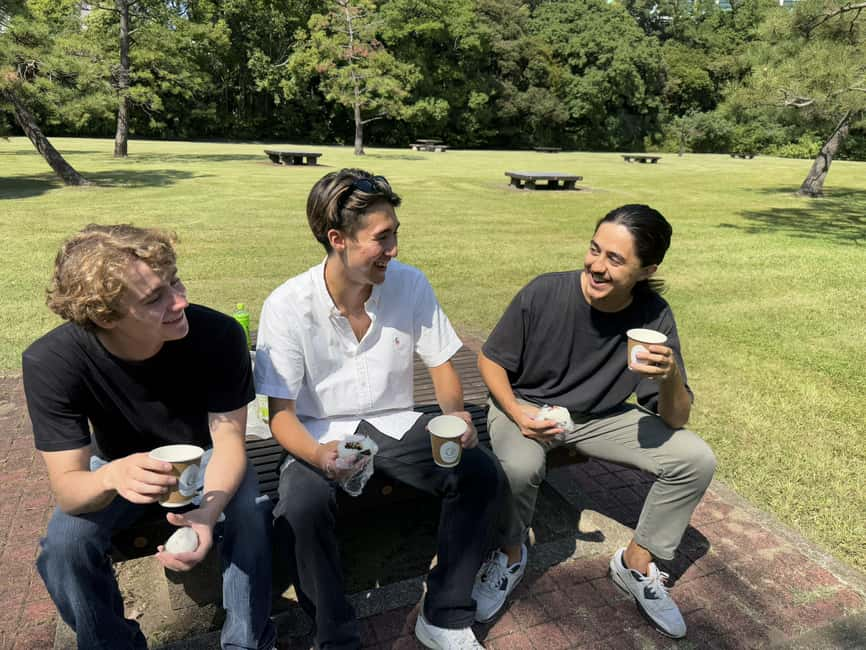
After the picnic, the ride continues through more of the city. You may see Tokyo Tower rising in the distance, along with the Imperial Palace and Zojoji Temple. The route also includes waterfront views toward Tokyo Bay.
These sights are not presented as long formal sightseeing stops. That is both a benefit and a limitation. You get a moving view of several important places, but you should not expect a detailed tour inside the Imperial Palace or Zojoji Temple.
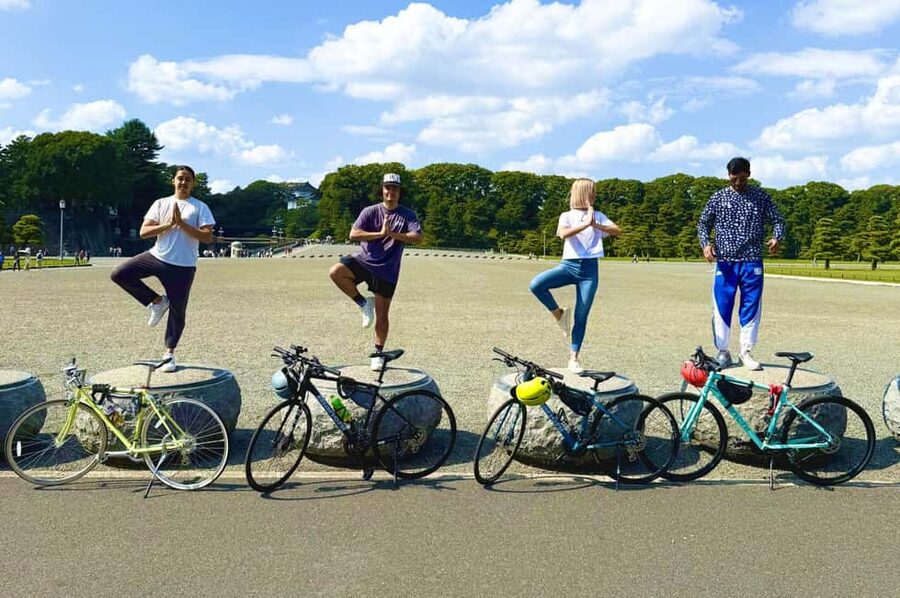
I like this approach for a first or second day in Tokyo, when you are still building a mental map of the city. The bicycle helps connect places that can feel separate when visited by train. You see how the neighborhoods, waterways, gardens, and grand landmarks fit together.
The ride also gives you a chance to ask the guide questions as you go. Feedback about the bike guide repeatedly praises an informative and fun manner, which matters because a quiet route can become much more interesting when someone explains what you are seeing.
Is $51 a fair price?
At $51, this is not the cheapest way to eat onigiri in Tokyo. You could buy rice balls from a convenience store for very little money. That comparison, however, misses the point of the experience.
The price includes:
- The onigiri lesson
- Ingredients
- A bicycle
- An English-speaking local guide
- Entrance to Hamarikyu Gardens
You are also paying for the planning of the route and the convenience of combining food, cycling, and sightseeing in one outing. For a small group capped at six people, the price is reasonable, especially if you value interaction over a large commercial tour.
The value is weaker if you mainly want a cooking class or mainly want to see Hamarikyu Gardens. In those cases, separate plans may give you more control. The strongest value comes from wanting all three elements: a food lesson, a guided bicycle ride, and a garden visit.
Extra snacks and drinks are not included. Bring water, and budget a little more if you want something beyond the onigiri.
Who should book this experience?
I would recommend it to adults, couples, friends, and families with children aged 12 or older who enjoy practical activities. It also suits repeat visitors who have already seen the major central sights and want a quieter view of Tokyo’s neighborhoods.
Food lovers will appreciate the chance to make a basic Japanese staple. People who prefer active sightseeing will like reaching the garden by bicycle instead of simply taking public transport. The experience also works well for visitors who want a local activity that does not require advanced cooking skills.
It is not a good fit for anyone who cannot ride a bicycle, has significant back problems, has limited mobility, uses a wheelchair, or has poor fitness. The activity is also listed as unsuitable for people over 70, those with high blood pressure, and people with visual impairments. These limits are worth taking seriously rather than treating them as routine wording.
Children under 12 cannot join. Baby strollers are not allowed. Comfortable clothing is recommended, and water is the one item specifically suggested to bring.
The duration is listed as one to three hours, so check the available starting time and expected length when you reserve. The flexible cancellation policy allows a full refund if you cancel at least 24 hours ahead, and you can reserve now and pay later. Those terms are useful if your Tokyo schedule is still changing.
Final verdict: a tasty, active slice of Tokyo
I would book this experience if you want Tokyo to feel personal rather than purely monumental. The onigiri lesson gives you something to do with your hands, the garden provides a peaceful place to eat, and the bicycle route connects local streets with major sights.
The best parts are the friendly instruction, the small group, and the contrast between a homemade snack and a city of enormous scale. The main weakness is the physical demand. This is not a passive sightseeing tour, and people who dislike cycling will not get much from it.
For active visitors who enjoy food and smaller-scale discoveries, $51 is a sensible price. You leave with a new skill, a garden visit, and a better sense of Tokyo’s streets. That is a useful three-part souvenir.
FAQ
How much does the Tokyo rice ball making class cost?
The experience costs $51 per person.
How long does the experience last?
The listed duration is one to three hours. Available starting times should be checked when booking.
What is included in the price?
The price includes the onigiri-making class, ingredients, a local bike tour guide, a bicycle, and entrance to Hamarikyu Gardens.
Is the tour conducted in English?
Yes. The live tour guide speaks English.
How many people are in the group?
The group is limited to six participants.
Where do I meet the guide?
You meet the guide at the onigiri-making class.
Which onigiri fillings can I try?
The class includes classic options such as savory salmon, pickled plum, and tuna-mayo.
Do I need to bring anything?
You should bring water and wear comfortable clothes suitable for cycling.
Are drinks and extra snacks included?
No. Extra snacks and drinks at the shop are not included.
Who should not join this experience?
It is not suitable for children under 12, people who cannot ride a bicycle, people with back problems or mobility impairments, wheelchair users, people with visual impairments, people with high blood pressure, people with low fitness, or people over 70. Baby strollers are also not allowed.
Just added around Tokyo
- Tokyo: West-Side Cycling and Food Tour with Guide★ 5.0 · 37 reviews
- Tokyo: Discover Traditional Tokyo Full-Day Bicycle Tour★ 4.7 · 131 reviews
- Tokyo: 3h Private E-bike Tours, Starting at Your Hotel★ 5.0 · 36 reviews
- Tokyo Bike Tour: Shibuya, Harajuku & Hidden Gems★ 5.0 · 20 reviews
- Tokyo: Private Cycling Tour with cute E-bike★ 5.0 · 11 reviews
- Tokyo: 2-Hour Night Bike Tour of the City’s Hidden Gems★ 4.9 · 25 reviews
- Tokyo: Hidden Gems Guided Bike Tour with Lunch★ 4.5 · 30 reviews
- 3-Hour Tokyo Private E-Bike Tour Starting from Your Hotel★ 5.0 · 117 reviews
Workshops, compared.
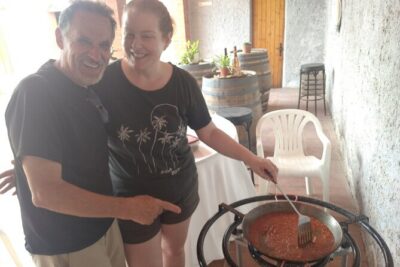
Paella Class, Winery & Bike Ride – Free Hotel Pickup from Sitges
Read our review →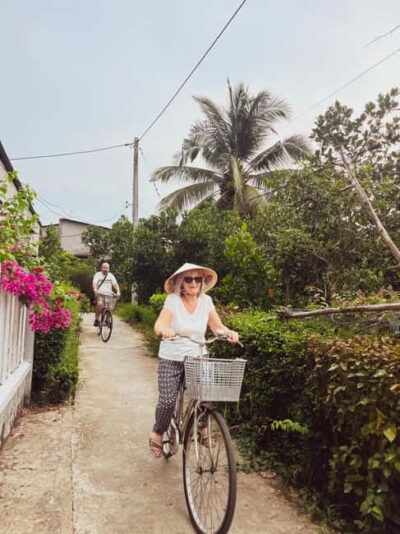
Cai Be Mekong Delta: Cooking Class, Cycling, Craft Villages
Read our review →
Oaxaca City: Bike Tour with Professional Guide+Art workshop
Read our review →
Biking and cooking class in the rural tour at Can Tho
Read our review →Browse the lists this tour appears in