
REVIEW · YOGYAKARTA
Authentic Yogya Bicycle Tour
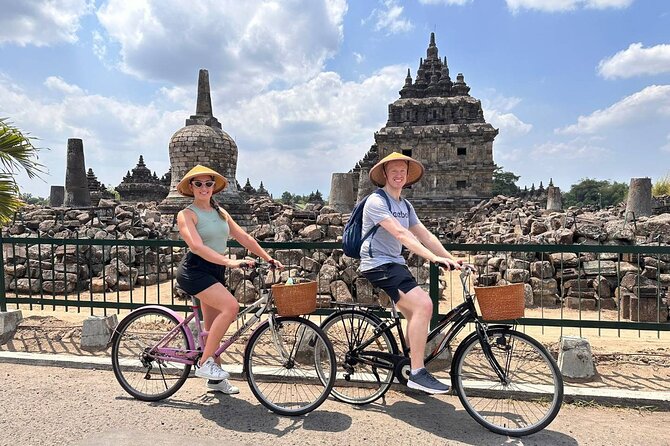
Java on two wheels feels wonderfully close. This two-hour ride near Prambanan links temple views with rice fields, village lanes, snack making, tofu production, and stingless-bee honey. I especially like the chance to see everyday work in local homes, and the flat route makes the ride approachable for anyone with moderate fitness. The main catch is that Plaosan Temple admission costs extra, and rain can affect the outing.
The tour is led by Alga Lova Tour, with bikes, water, coffee or tea, raincoats, taxes, and a local guide included. The high rating, 5 out of 5 from 232 ratings, fits the experience described: warm hosting, good bikes, clear English from the host on some departures, and plenty of friendly conversation. Still, this is a group ride, with up to 30 people, so the atmosphere may feel less personal on a full departure.
Five details that make this ride worth considering
- A flat ride north of Prambanan: You cycle beside rice fields and through small villages rather than spending the whole morning on busy roads.
- Plaosan Temple adds a second temple view: This Hindu-Buddhist site gives the route a quieter cultural stop, though entry is not included.
- Local production is the main event: You see how emping chips and tofu are made, then visit a stingless-bee operation.
- Small tastes make the tour lively: Fresh tofu, soy milk, and pure honey may be available, depending on timing and luck.
- Good support for changing weather: Bottled water and a raincoat are included, and poor-weather cancellations allow a new date or a full refund.
- A practical meeting point: You start and finish at Prambanan Temple, which makes this easy to pair with a wider visit to the area.
Starting beside Prambanan Temple
The meeting point is at Prambanan Temple on Jalan Raya Solo-Yogyakarta, in Bokoharjo, Sleman Regency. This is not central Yogyakarta, so you need to plan your transfer to Prambanan before the ride begins. The tour has several departure times, which helps if you are arranging it around temple visits or other plans.
The cycling starts north of the main Prambanan Temple complex. That detail matters. You are not immediately pedaling through the archaeological site itself. Instead, the route uses Prambanan as its anchor, then moves into the countryside beyond the temple grounds.
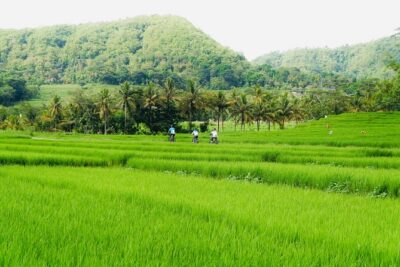
You cycle on a flat route through rice fields and small villages. That makes this a good choice if you want exercise without a demanding hill climb. You still need moderate physical fitness, since you will be riding for about two hours, but the route is not presented as a hard athletic challenge.
The bikes are supplied by the operator, and good equipment is one of the tour’s strongest practical points. Water is provided, and the host welcomes riders with cold water and snacks on some departures. These small touches matter in Java’s warm conditions, especially if you have arrived early for a temple visit.
A few more days on two wheels around Indonesia worth a look
- Electric Cycling Tour of Ubud with Free Hotel Transfer and Lunch
★ 5.0 · 1,397 reviews - From Ubud: Downhill Bike Tour with Rice Terraces and Meal
★ 4.9 · 664 reviews - Menoreh Village Cycling
★ 5.0 · 611 reviews
Plaosan Temple and the quieter side of Prambanan
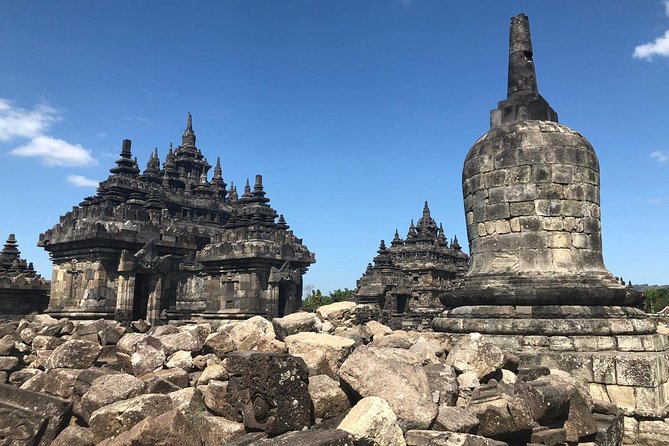
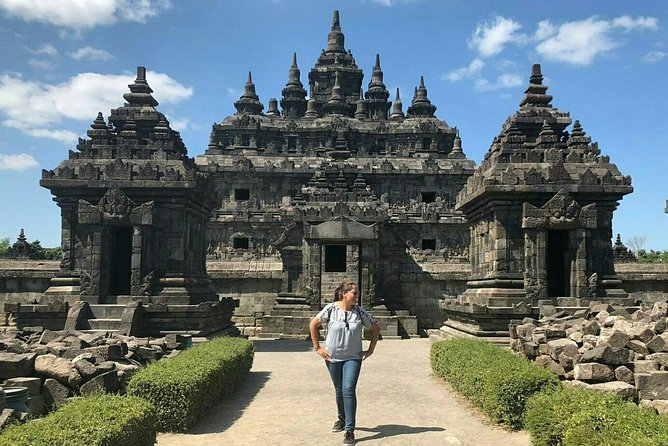
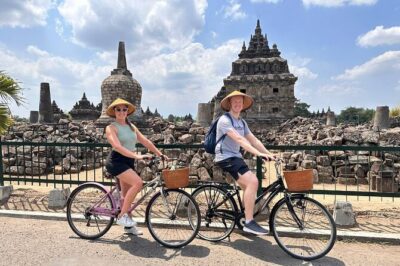
Plaosan Temple is the first listed stop. It is especially interesting because the site combines Hindu and Buddhist elements. That gives you a useful reminder that Central Java’s religious past was not divided into neat modern categories.
The tour enjoys the view from outside, but entry may be possible if you choose to go in. The ticket is not included, so bring extra money if you want to visit the interior. Ask the guide about timing before paying, since a short cycling tour leaves limited room for a long temple exploration.
Plaosan is a good match for this route because it feels connected to the surrounding villages and fields. You get a cultural stop without turning the entire outing into a formal monument visit. I like that balance. You see a significant site, take photos, and then return to the countryside rather than spending the entire tour reading signs and waiting in lines.
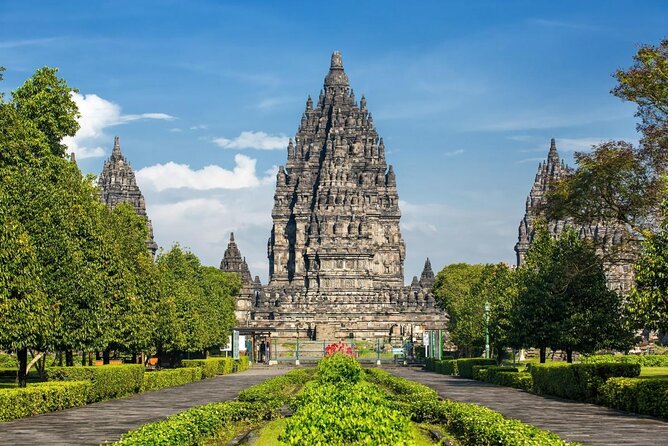
The main Prambanan complex is also part of the setting. The tour begins outside the temple area and highlights Prambanan as a UNESCO World Heritage Site, but the listed inclusions do not promise admission to the main complex. If seeing the temple interiors is a priority, schedule a separate visit or confirm the exact plan with Alga Lova Tour before booking.
Rice fields, village lanes, and photo stops
After Plaosan, the route continues through open rice fields and small settlements. This is the part of the experience that gives the tour its sense of place. You are not simply moving between famous monuments. You are seeing the agricultural area around Prambanan and observing how village life sits beside major historical sites.
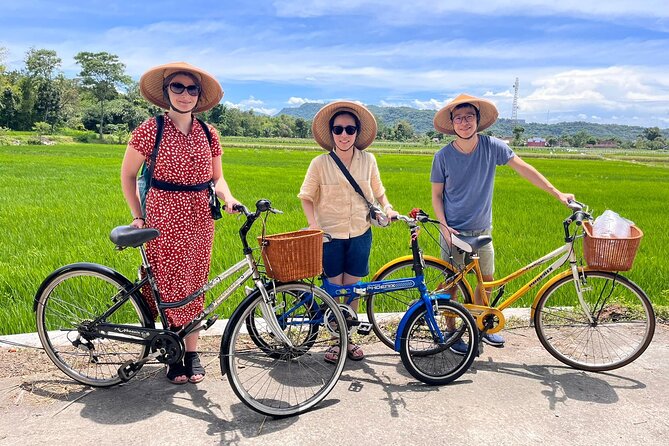
The route is described as scenic and flat, with several places to stop for photos. Expect views of cultivated fields, local homes, and the rural setting around the temples. Exact photo locations can vary, so it is best to think of the ride as a moving view rather than a fixed checklist of viewpoints.
Cycling makes a difference here. From a car, the fields and houses pass in a blur. On a bicycle, you can slow down, notice small details, and stop without making a major production of it. You also have more contact with the guide, who can explain the village and the surrounding area as you ride.
The pace appears friendly rather than competitive. One useful detail from the feedback is that the guide is praised for being fun, warm, and willing to explain local culture. That is important on a short ride. A guide who treats the route as a conversation can make a simple village road much more interesting.
Making emping chips in a local home
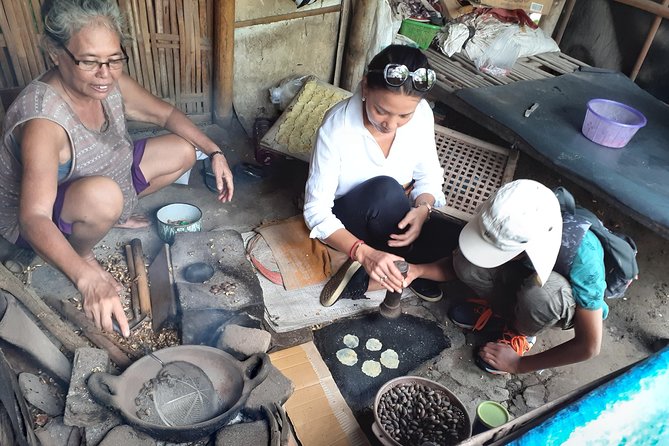
The first hands-on stop is a local home industry producing emping chips. Emping is a traditional Indonesian snack made from the seeds of the melinjo tree. The experience gives you a look at food production at a small scale, where local work takes place in or near the home rather than in a large factory.
This is one of the tour’s best ideas. You are not just tasting a packaged snack in a shop. You are seeing part of the process and learning how an everyday Indonesian food reaches the table.
The visit also adds a human side to the ride. The route may show you fields and temples, but the home industry shows how people earn a living in the same area. That connection between scenery, agriculture, and food is what gives the outing more substance than a standard bike rental.
The exact activity can depend on the household’s work that day. You should expect a local demonstration and explanation, not a long cooking class with a detailed recipe. If you want to take photos, ask first, as you would at any private home.
Same roads, a different day in the saddle:
- Ubud: Rice Terraces & Villages Half-Day Fat Tire E-Bike Tour
★ 4.9 · 602 reviews - Ubud: Downhill Cycling with Volcano, Rice Terraces and Meal
★ 5.0 · 536 reviews - Ubud eBikes Tour to Tegallalang Rice Terrace
★ 5.0 · 507 reviews - Half-Day Ubud Electric Cycling Tour to Tirta Empul Water Temple
★ 5.0 · 315 reviews
Tofu, soy milk, and the possibility of a fresh taste
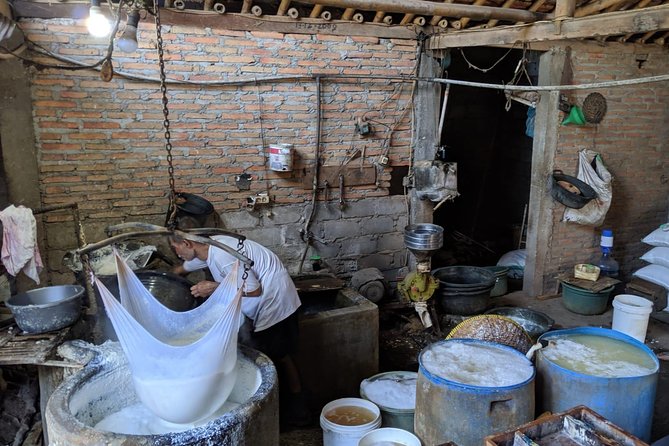
The next stop is a tofu-making home industry. Tofu production adds another useful piece of local food culture to the trip. You see a different process from emping, based on soybeans and the transformation of soy milk into tofu.
If timing is lucky, you may taste fresh tofu and soy milk. The wording matters: these samples are possible, not guaranteed. Still, the chance to try food close to its point of production is a pleasant bonus.
I like the way the two food stops complement each other. Emping connects you with a traditional snack, while tofu shows a more familiar staple in a working local setting. Together they give the ride a practical focus. You are seeing what people make, eat, and sell, not just what they built centuries ago.
Do not expect a polished visitor center. The appeal is the ordinary setting. That also means conditions may be simple, and the experience may vary with the day’s production. If you prefer highly structured sightseeing, this stop might feel informal. If you enjoy seeing real work in progress, it is likely to be one of the highlights.
Stingless bees and pure honey
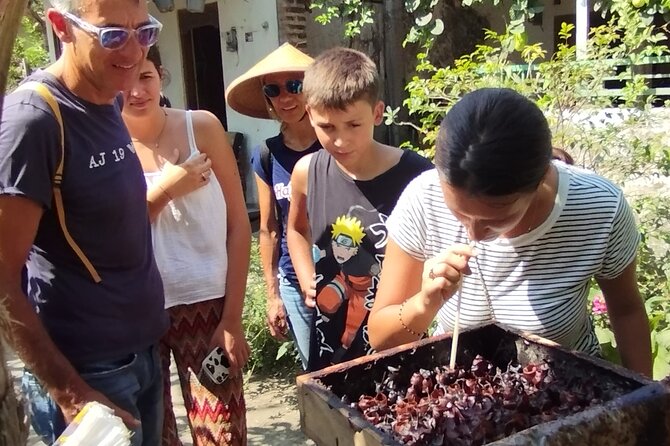
The final local stop is a stingless-bee operation. These small bees produce honey, and you may taste it during the visit. The stop adds a natural element to a route already built around farming and food.
Stingless-bee keeping is a particularly nice detail because it is different from the usual temple-and-rice-field program. You learn about a small-scale form of beekeeping and get a close look at another local source of food. The taste of pure honey, if available, gives the stop a simple reward.
This is not advertised as a technical beekeeping lesson, so keep your expectations realistic. You are visiting a working local operation and learning about the bees from the guide or host. The value is in the direct encounter and the variety of the program.
After the honey visit, you cycle back to the original meeting point. The return ride completes a loop through the same rural area and keeps the whole activity close to Prambanan.
What the $22 price really covers
At $22 per person, this is strong value if you want more than a bicycle rental. You receive a guide, bicycle equipment, bottled water, coffee or tea, rain protection, and all listed fees and taxes. You also get several cultural stops in a short period.
The price does not include the Plaosan Temple ticket. That is the main extra cost clearly identified, and you should allow for it if you want to enter. The listing does not say that admission to the main Prambanan complex is included, so confirm that separately if you plan to go inside.
The value is greatest for visitors who would otherwise need to arrange separate transport to villages, food workshops, and the temple area. A car can get you around more quickly, but it will not offer the same close contact with the fields and village lanes. A bicycle rental may cost less, but you would miss the guide, introductions, and local production visits.
The group limit is 30 people. That is a fairly large possible group for a bicycle activity. On a quiet departure, the ride may feel personal. At full capacity, you should expect a more social outing and less time for long individual questions.
Timing, weather, and what to bring
The tour lasts about two hours, and several start times are available. That flexibility helps you fit it around a visit to Prambanan, though you should allow time to reach the meeting point and get organized before the ride.
Weather is an important consideration. The tour requires good weather, but raincoats are included. If poor conditions force a cancellation, you can choose another date or receive a full refund. You can also cancel for a full refund up to 24 hours before the start time. Within 24 hours, the payment is not refundable, and late changes are not accepted.
Wear comfortable clothes and shoes suitable for cycling. Bring sun protection and a little cash for the Plaosan ticket if you want to enter. Water is supplied, but you may still prefer to carry a small bottle for personal use.
The tour is near public transportation, but the meeting point is outside central Yogyakarta. Ride-hailing services are one practical way to reach Prambanan, and one account describes using Grab from Yogyakarta. Confirm the meeting details with the operator after booking, since the exact start time and local instructions matter.
Who will enjoy this Prambanan bike ride?
I would choose this tour if you want to combine exercise, local food, rural views, and heritage in one compact outing. It suits couples, friends, and curious families with older children who can manage a two-hour ride.
It is also a good fit if you are not normally a tour person. The program has enough structure to make the logistics easy, but the stops feel informal and connected to local homes rather than a chain of large attractions.
You may want another option if you need an intense cycling challenge, a private luxury experience, or a long guided visit inside Prambanan Temple. The ride is about access to local life and the countryside, not a full archaeological tour.
The strongest praise centers on the guide’s friendliness, the condition of the bikes, and the chance to learn about food production. One group also continued on to Prambanan afterward with help from the host. That kind of practical assistance can be useful, though you should arrange or confirm any extra transport in advance.
Should you book it?
Book this ride if you want to see Prambanan’s surroundings, not only its stone towers. For $22, you get a guided route through fields and villages, a temple stop, several local production visits, and basic equipment. The experience offers more personal contact with the area than a quick temple transfer.
Before booking, check the departure time, ask about Plaosan entry, and confirm what access you will have to the main Prambanan complex. If the weather forecast looks poor, keep your schedule flexible.
I would recommend it to anyone with moderate fitness who values local contact over a tightly scripted sightseeing circuit. The ride is short, affordable, and varied, with enough small surprises to make the Prambanan area feel like a living place rather than only an ancient monument.
FAQ
How long does the Authentic Yogya Bicycle Tour last?
The tour lasts approximately two hours.
Where does the tour start?
It starts at Prambanan Temple, Jalan Raya Solo-Yogyakarta, Kranggan, Bokoharjo, in Sleman Regency, Yogyakarta.
Where does the tour end?
The activity ends back at the original meeting point.
Is Plaosan Temple included in the route?
Yes. Plaosan Temple is listed as a stop on the cycling route.
Is the Plaosan Temple admission ticket included?
No. The Plaosan Temple ticket is not included in the tour price.
Does the tour enter the main Prambanan Temple complex?
The ride begins north of the Prambanan Temple complex and outside the temple area. Admission to the main complex is not listed as an included service, so confirm the details with the operator.
What is included in the price?
The tour includes bottled water, all listed fees and taxes, a raincoat, a local guide, coffee or tea, and the necessary biking equipment.
Is the tour suitable for all fitness levels?
The tour requires a moderate level of physical fitness.
How many people can join the tour?
The activity can have a maximum of 30 participants.
What happens if it rains?
The experience requires good weather. If it is canceled because of poor weather, you can receive a full refund or choose a different date.
Just added around Indonesia
- Scenic Cycling Tours Through Bali’s Sidemen Countryside★ 5.0 · 12 reviews
- Mount Batur: Black Lava Cycling Tour w/ Natural Hot Spring★ 3.8 · 63 reviews
- Mount Batur: Sunrise Dirt Bike Trek with Trained Riders★ 4.6 · 15 reviews
- Kuta: Kintamani Culture and Nature Guided Cycling Tour★ 5.0 · 14 reviews
- Jatiluwih (UNESCO Site) 2-Hour E-Bike Cycling Tour★ 4.3 · 49 reviews
- Bali: Jatiluwih Rice Terraces 1 Hour Electric Bike Tour★ 4.7 · 41 reviews
- E-Bike: Ubud Rice Terraces & Traditional Villages Cycling★ 4.6 · 37 reviews
- Jogja Hidden Gems – Cycling Tour★ 5.0 · 12 reviews
Yogyakarta Cycling Tours, compared.
Browse the lists this tour appears in