
REVIEW · JAPAN
Nara: Bike Tour in Ancient Capital UNESCO World Heritage
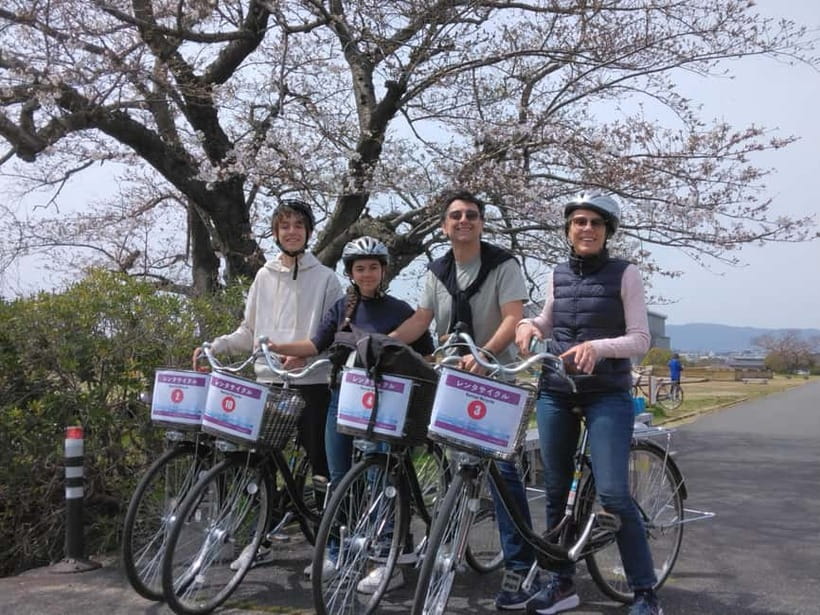
Ancient Nara feels best on two wheels. This two-hour ride around the Heijo Palace site gives you a calm, useful introduction to Japan’s Nara period, with stops at major gates, gardens, museums, an ancient tomb, and palace buildings. I especially like the small group of up to eight people and the way a bicycle lets you cover this enormous site without rushing between distant sights.
I also like the excellent value at $22, since the price includes the bike, helmet, guide, admissions, and traditional costume experience. The main caution is the weather and the nature of the site itself. Summer heat can make cycling uncomfortable, and some of what you see is reconstructed or archaeological remains rather than original buildings. If ancient Japanese history is not your interest, two hours here may feel long.
Key points to know before you book
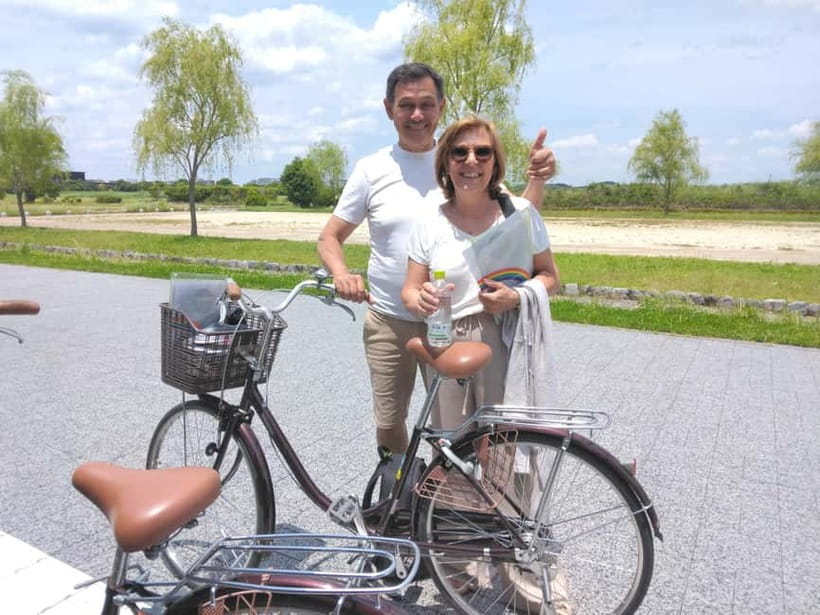
- Kay is frequently the guide: She is praised for patient explanations, friendly service, good English, and a strong grasp of Nara’s past.
- The bicycle solves the distance problem: Heijo Palace is a large open site, and cycling lets you see more than you could comfortably cover on foot.
- The tour avoids Nara’s busiest sights: This is about the palace and Nara period, not deer or the crowded paths around Todai-ji.
- You visit more than reconstructed buildings: The route includes a garden, excavation museum, ancient tomb, pond, palace halls, and older museum collections.
- The pace suits families: One six-year-old enjoyed the ride, collecting stamps, and the stops, though every participant must be able to ride a bike.
- Traditional clothing is included: You can dress in Tenpyo period costume and take photos during the experience.
Why Heijo Palace is worth seeing by bike
Nara is often reduced to deer, temple bells, and Todai-ji’s Great Buddha. Those are good reasons to visit, but Heijo Palace tells a different story. This was the center of Japan’s government during the Nara period, when Nara served as the imperial capital.
The palace grounds are spread out, with open spaces between the main sights. That is where the bike matters. You can ride from a monumental gate to a garden, then continue toward museums and archaeological remains without spending much of your short visit simply walking across the site.
The ride also changes the mood. Instead of following a packed sightseeing route, you move through broad spaces with trees, water, birds, and room to pause. Several people found the ride peaceful, especially in the morning, and that matches the character of the place. The site can feel almost rural in spots, even though it marks the center of an ancient capital.
Your guide supplies the missing context. Without help, a reconstructed hall or a preserved excavation pit can be difficult to understand. With explanations about how the palace worked and why Nara mattered, the scattered remains begin to make sense.
More Heritage and Temple Bike Tours in Japan
- E-Bike Nara Highlights – Todaiji, Knives, Deer, Shrine
★ 4.8 · 186 reviews - Historical Kyoto E-Bike Tour
★ 5.0 · 181 reviews - 4.5-Hour Kyoto Bike Tour with Lunch and UNESCO Zen Temples
★ 5.0 · 122 reviews
Starting at Suzaku Gate and Suzaku Square
Meet at the rental bicycle reception counter inside Miharashi-Kan in Suzaku Square. You should arrive 10 minutes before the scheduled start. The meeting point is at 34.68628944048124, 135.7926401146025, and the tour returns to the same rental bike location.
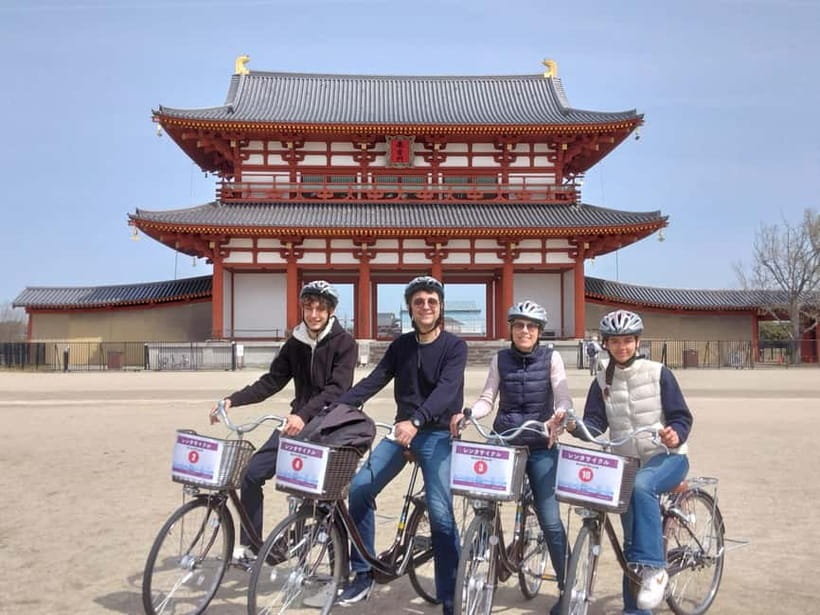
Suzaku Gate is the natural opening scene. It was the main entrance to Heijo Palace, so it gives you an immediate sense of scale and ceremony. The gate is also one of the best places for photographs, with the open grounds and surrounding greenery providing a calmer backdrop than central Nara.
Your guide uses this first stop to explain the ancient capital and the role of the palace. The planned visit lasts about 15 minutes, which is enough time for photographs and an introduction without letting the opening explanation take over the whole ride.
This is also where you get a practical feel for the bicycle. The tour is not presented as a fast athletic ride. The pace is easy, with frequent stops for sights and explanations. Families have found that useful, especially with younger riders.
To-in Garden, where palace life becomes easier to picture
The To-in Garden, also called the East Palace Garden, is one of the most attractive stops. It shows how Japanese garden design took root in the Nara period, with bridges, buildings, rocks, and water arranged as part of a formal setting.
Your guide explains the role of the state guest house and how the parts of the garden fit together. That makes this more than a quick photo stop. You begin to picture how important visitors might have been received and how the palace was designed for both government work and ceremony.
The scheduled stop is about 10 minutes. That is brief, but the garden works well within a moving tour because you can see its main arrangement without needing a long visit. If gardens are a major interest for you, you may wish you had more time here. For most people, the stop gives a pleasant change from gates, halls, and excavation displays.
Archaeology at the Excavation Site Exhibition Hall
The Excavation Site Exhibition Hall is one of the most unusual places on the route. Instead of placing objects in a separate display case, the museum preserves and presents the remains in the condition in which archaeologists found them.
That direct approach gives you a better feel for how the ancient capital is being studied. You are not only looking at finished reconstructions. You are seeing the physical evidence beneath the modern surface and learning how small traces can reveal the plan and function of an old city.
The visit lasts around 10 minutes. That will be enough if your main aim is to understand the site as a whole, but anyone especially interested in archaeology may want to linger. The advantage of having a guide is clear here, since the exposed remains may not explain themselves.
The nearby Nara Palace Site Museum adds another layer. It is described as the oldest museum at the Heijo Palace site, with ancient roof tiles, wooden tablets, and models. These objects help connect the bare archaeological remains with everyday administration and construction in the Nara period.
Same roads, a different day in the saddle:
- Hidden Kyoto E-Biking tour
★ 5.0 · 1,843 reviews - Tokyo Guided Small-Group Biking Tour
★ 5.0 · 1,250 reviews - Bike Tour Exploring North Kyoto plus Lunch
★ 5.0 · 1,087 reviews - Tokyo Great Cycling Tour
★ 5.0 · 811 reviews
A quiet ride around Mizukami Pond
The route around Mizukami Pond, also called Minakami Pond, is the tour’s most restful stretch. You ride beside the water, feel the breeze, and listen for birds. Ducks and turtles may appear along the way.
This section is less about a single landmark and more about atmosphere. It gives your legs an easy rhythm after the museum stops and shows how much open space surrounds the palace site. The ride is also a good reason to choose this tour instead of visiting only the main reconstructed buildings.
The peaceful setting was a favorite part for several people, and it is easy to see why. You get a break from formal history while still riding through the grounds of the ancient capital. If you are visiting Nara after a full morning of temples, this slower section may be exactly what you need.
Hishiage Kofun and the ancient burial story
Hishiage Kofun is an ancient tomb, with grave goods connected to the site. The planned stop lasts about 10 minutes and includes time for photographs and an explanation from the guide.
This visit widens the story beyond the palace itself. You see that the area was shaped by burial customs and political life as well as government buildings. The tomb also gives the tour a useful change of scale, moving from grand palace planning to the evidence left by people connected with the ancient community.
Do not expect a large museum-style tomb interior based on the information provided. The value here is the setting, the mound, and the chance to understand another part of Nara’s past. Your guide’s explanation will be important in helping you notice what matters.
The Imperial Audience Hall and South Gate
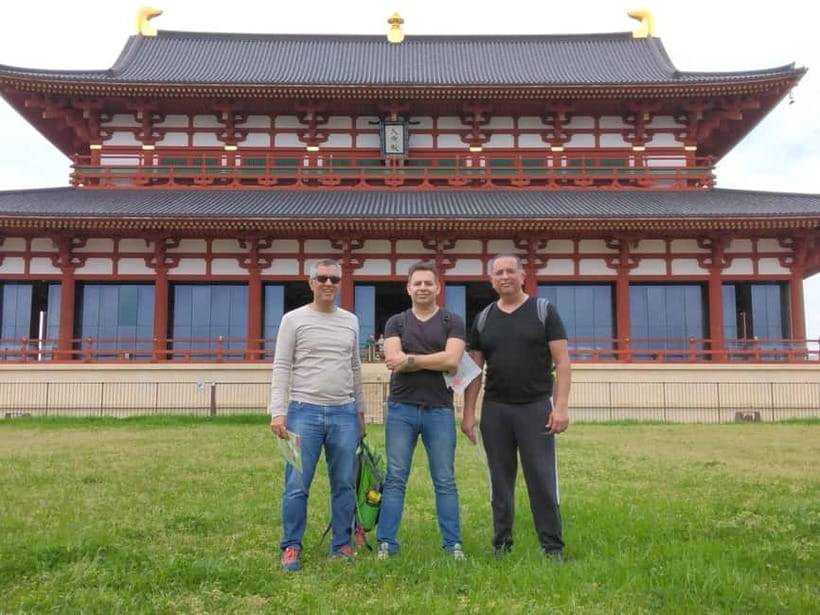
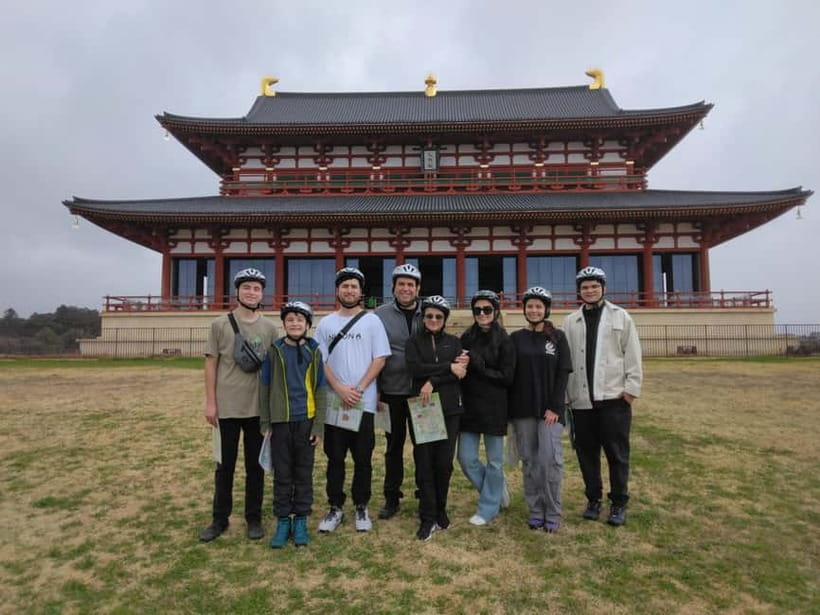
Daiichiji Daigokuden, the Imperial Audience Hall, is one of the tour’s main highlights. This reconstruction represents a major Nara Palace building used for special ceremonies. Inside, you can see paintings, ornaments, and other displays, while the surrounding area gives you a broad view across the palace site.
The hall is useful because it lets you experience the scale and form of a building that would otherwise exist only in diagrams and foundations. At the same time, it is important to keep expectations realistic. This is a reconstruction, not an untouched ancient structure.
The planned visit lasts about 15 minutes. That gives you time to look at the decoration, hear the explanation, and take in the view. The guide can also explain why the hall mattered and how it fit into the palace complex.
You then stop at the South Gate, known as Daiichiji Daigokudenin Daigokumon or Nanmon. This is a shorter five-minute visit. It works as a supporting stop rather than a major separate attraction, offering another look at the ceremonial design of the palace.
Traditional Tenpyo clothing and the photo stop
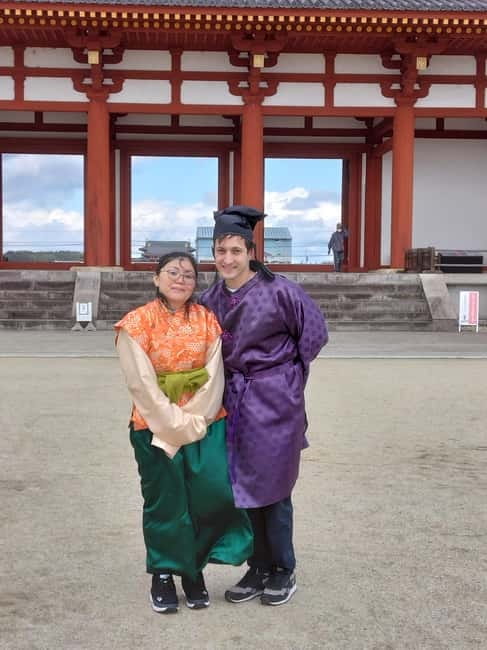
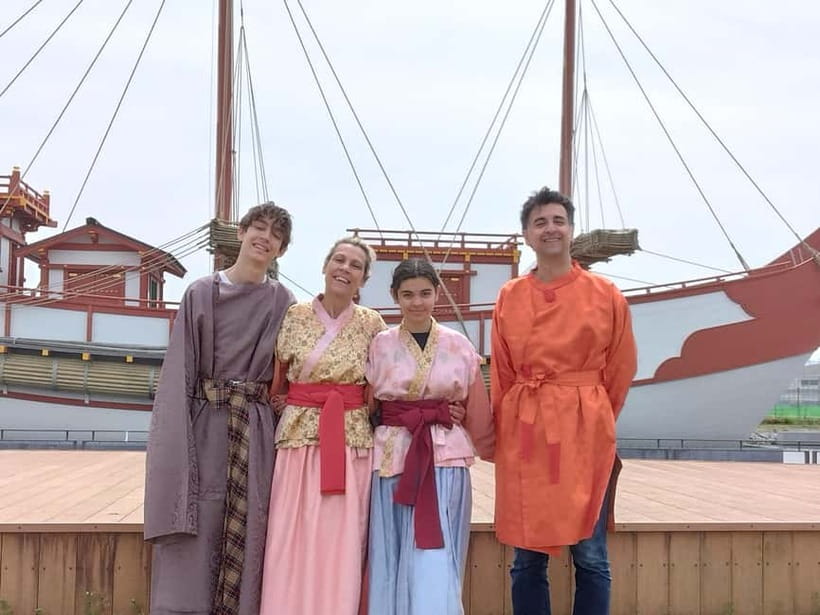
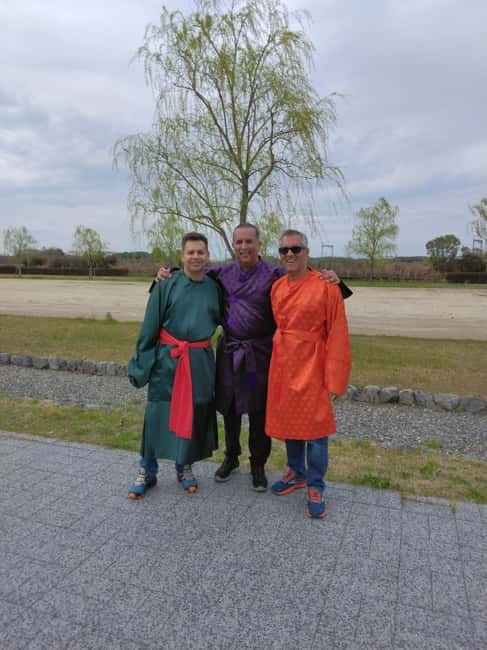
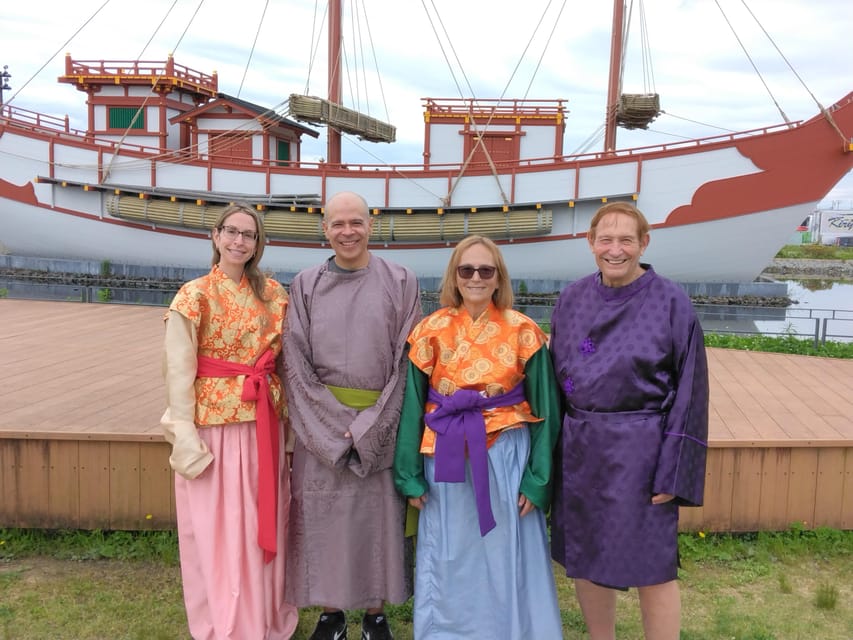
The experience includes a chance to wear traditional Tenpyo, or Nara period, clothing and take photographs. This adds a playful element to what is otherwise a history and archaeology tour.
The costume is not simply a decorative extra. It helps you connect the buildings and ceremonies with the people who once used the palace. Families may especially enjoy this, and it gives you a personal souvenir that is different from another temple photograph.
The supplied details do not state exactly how long the costume experience lasts or at which point it takes place. If this is your main reason for booking, ask the operator about the timing when you reserve. The tour does include the experience, but the primary focus remains the bicycle route and the historic site.
What the guide adds
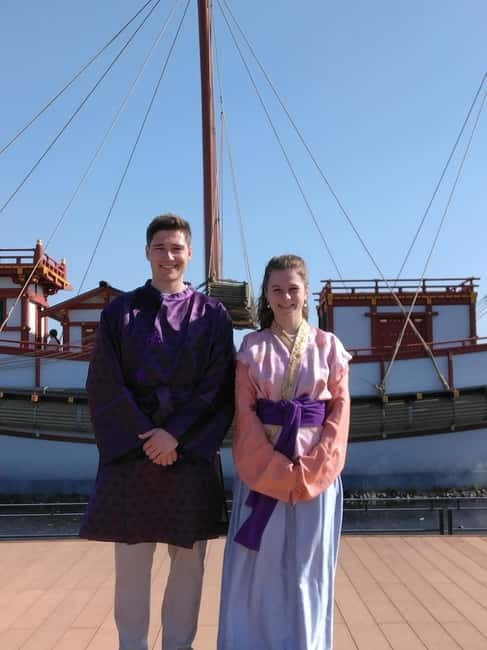
The guide can make or break a visit to a large archaeological complex. Here, Kay is the guide most often named in the supplied feedback. She is praised for clear English, patience with children, helpful photo stops, and explanations that cover history, culture, and local traditions without turning the ride into a lecture.
One family found that she handled a six-year-old especially well. Another child enjoyed collecting stamps along the route. Kay also helped arrange a taxi after one tour, and she waited for a group that arrived late, although you should not rely on extra time or special exceptions.
The strongest praise is for her ability to give enough detail at each stop while keeping the ride moving. That balance matters during a two-hour tour. You get an overview rather than a university course, but you also avoid simply cycling past buildings without knowing why they matter.
The guide speaks English and Japanese. The group is limited to eight people, which gives you a better chance to ask questions and keep a comfortable pace.
Price, timing, and practical value
At $22 per person, this is a strong-value experience. You receive a rental bike, helmet, guide, admission fees, and the Tenpyo costume experience. You also save time crossing a large site, which is part of the practical value.
The two-hour length is well judged for a first visit. One person who had visited Nara before found it a useful way to spend time away from the more touristy areas. Another person felt that two hours could be long if ancient Japanese culture was not a strong interest.
You should not book this as a food tour or a general Nara highlights tour. Food and drinks are not included, and the experience has nothing to do with the deer that draw many people to Nara Park. It is focused on the palace site and the history of the Nara period.
The tour includes helmets, but bike insurance is not included. Hotel pickup is also not provided. You make your own way to the rental bike reception at Miharashi-Kan.
From Kintetsu Nara Station, take the Nara Kotsu bus to Suzakumon Hiroba Mae. The ride takes about 16 minutes, followed by a five-minute walk north. From Kintetsu Yamato-Saidaiji Station, the bus ride is about 10 minutes from the South Exit, followed by the same five-minute walk. From JR Nara Station’s West Exit, the bus trip is about 10 minutes, with a five-minute walk after you get off.
You can also walk about 20 minutes from Kintetsu Yamato-Saidaiji Station’s South Exit or about 20 minutes from Shin-Omiya Station. Arrive early, since missing the tour is not refundable.
Weather, riding ability, and who should skip it
Cycling is part of the appeal, but weather matters. A summer booking can mean strong heat on open stretches of the palace grounds. One rider enjoyed the tour but found the August heat tough. Spring and autumn may feel more comfortable, though the activity can be canceled for heavy rain, storms, or other bad weather, with a full refund in that situation.
You need to be able to ride a bicycle. The activity is not suitable for pregnant women, wheelchair users, or people with visual impairments. The route is also not designed for anyone who cannot safely manage a bike.
Families can do well here if children can ride and listen during the short explanations. The easy pace, stamp collecting, costume photos, and pond stop give younger participants several points of interest. Still, it is wise to consider your child’s comfort with a two-hour outing centered on history.
Should you book the Heijo Palace bike tour?
Book it if you want to understand Nara beyond the deer and major temples. The bike makes a large site manageable, the group stays small, and the $22 price covers nearly everything you need. The combination of palace buildings, gardens, archaeology, a tomb, water, and costume photos gives you a varied morning.
Skip it if you dislike cycling, plan to visit in extreme summer heat, or have little interest in reconstructed buildings and archaeological remains. The site may feel understated if you expect a fully preserved ancient city.
For most first-time visitors with a genuine interest in Japanese history, this is an easy, affordable way to get your bearings in Nara. It is especially appealing early in your stay, before you spend the rest of your time among the city’s temples and deer.
FAQ
How long is the Nara Heijo Palace bike tour?
The tour lasts two hours.
How much does the bike tour cost?
The listed price is $22 per person.
What is included in the price?
The price includes the bike tour, guide, rental bike, helmet, all admission fees, and the traditional Tenpyo costume experience.
Where does the tour meet?
Meet at the rental bike reception counter at Miharashi-Kan in Suzaku Square. The coordinates are 34.68628944048124, 135.7926401146025.
How early should I arrive?
You should arrive at the rental bike reception 10 minutes before the tour begins.
What languages does the guide speak?
The tour is available with a live guide speaking English or Japanese.
How large is the group?
The activity is limited to eight participants.
Is bike insurance included?
No. Bike insurance is not included.
Does the tour include hotel pickup?
No. You must make your own way to the meeting point.
Can I cancel for a full refund?
Yes. You can cancel up to 24 hours in advance for a full refund. The tour may also be canceled by the supplier for heavy rain, storms, or other bad weather, in which case the cancellation is fully refunded.
Just added around Japan
- Private E-MTB guided cycling around Mt. Aso volcano & grasslands★ 5.0 · 16 reviews
- Handmade Goshuin Book Experience Eco Friendly Upcycling in Tokyo★ 5.0 · 21 reviews
- Tokyo: West-Side Cycling and Food Tour with Guide★ 5.0 · 37 reviews
- Tokyo: Discover Traditional Tokyo Full-Day Bicycle Tour★ 4.7 · 131 reviews
- Tokyo: Rice Ball Making Class★ 5.0 · 14 reviews
- Tokyo: 3h Private E-bike Tours, Starting at Your Hotel★ 5.0 · 36 reviews
- Tokyo Bike Tour: Shibuya, Harajuku & Hidden Gems★ 5.0 · 20 reviews
- Tokyo: Private Cycling Tour with cute E-bike★ 5.0 · 11 reviews
Heritage and Temple Bike Tours, compared.
Historical Singapore Bike Tour on Full-Sized Bicycles
Read our review →

Night Bike Tour with Temples & Flower Market Visit
Read our review →
Intramuros, Manila: Historical Bamboo Bike Tour
Read our review →
Historical Bike Tour of Savannah and Keep Bikes After Tour
Read our review →Browse the lists this tour appears in