
REVIEW · JAPAN
Shuri+Naha: Cycling Tour Explore Water Heritage with E-Bike
Water tells Okinawa’s story. This three-hour e-bike tour links Naha’s city streets with quiet springs, old stone steps, Shuri Castle, and a traditional sweet shop. I like the way it shows you everyday Okinawa, not just the famous sights, and I like the small group size, capped at five people. The main consideration is physical: you need to ride a bicycle confidently, manage hills, and handle slippery paths near water.
The electric bicycles make the uphill ride to Shuri easier, while the downhill return gives you a cool breeze and a welcome rest. Guides including Jo-Jo, Aki, Sally, and Maki have received especially warm praise for their care, English ability, and clear explanations. Still, this is not a passive sightseeing trip. You will ride near traffic, climb hills, and walk around rocky or damp areas.
Key details before you book
- Follow Naha’s water routes: You visit springs, a waterfall, and quiet forest edges that are easy to miss from the main streets.
- Ride a practical e-bike: Electric assistance helps with the climb toward Shuri, while you still get the fun and freedom of cycling.
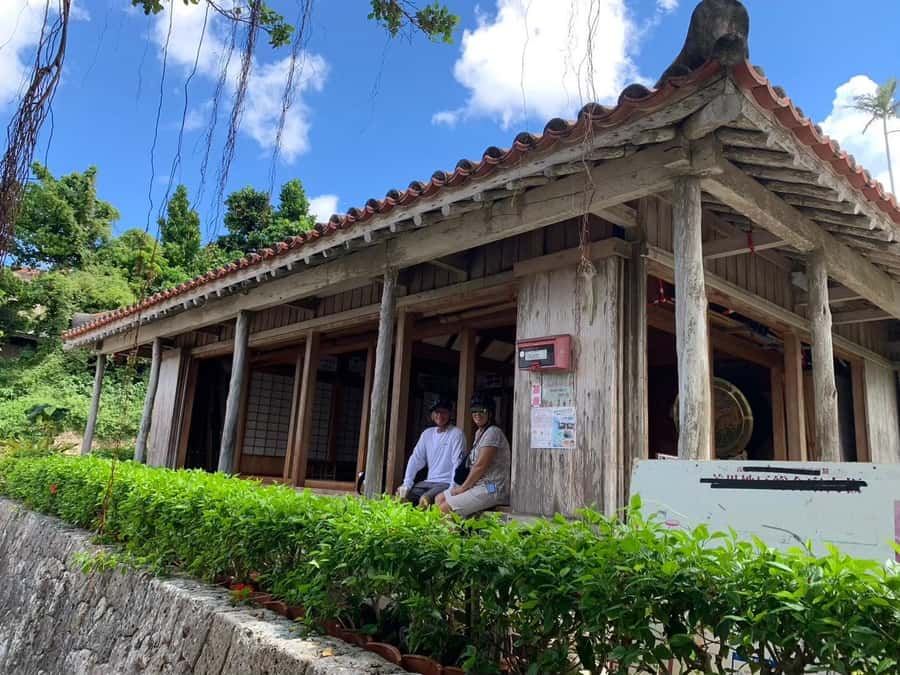
- See Shuri beyond the castle name: Stone steps, red roofs, sacred places, and old castle-town details give the area its character.
- Taste a 200-year-old tradition: A stop at a confectionery offers a look at handmade sweets linked to the Ryukyu Kingdom era.
- Enjoy a genuinely small group: With no more than five participants, the guide can keep an eye on the group and answer questions.
- Plan for real cycling conditions: Athletic shoes are essential, and sandals or high heels are a poor match for wet or uneven ground.
Starting beside Makishi Station
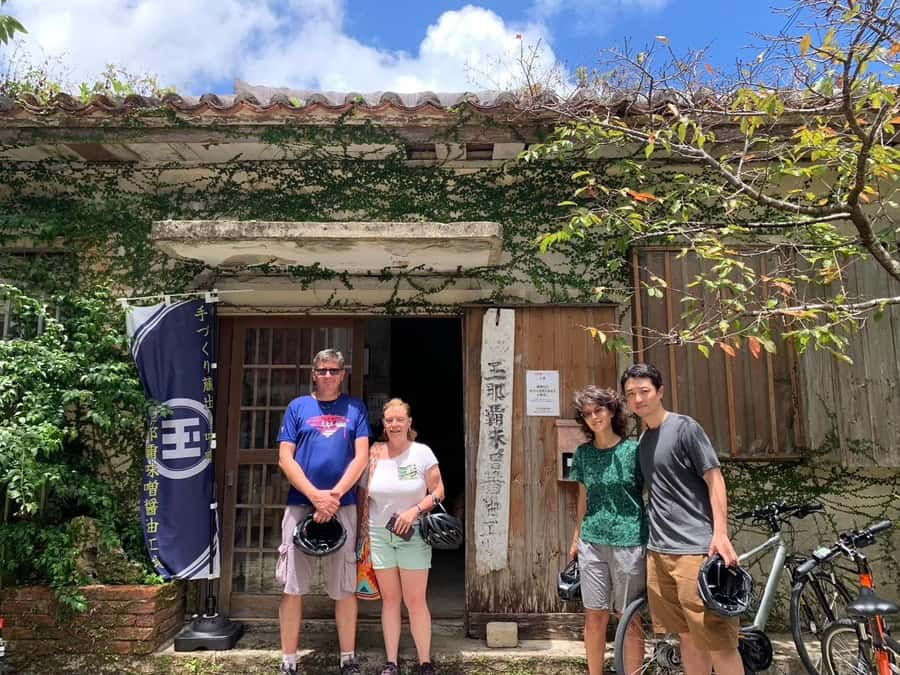
The tour begins at the e-charity bike shop near Makishi Monorail Station, next to Makishi Post Office. It is only about a one-minute walk from the station, which makes the start simple if you are staying in central Naha or arriving by monorail.
You pick up your electric bicycle and helmet, then receive a safety briefing. The helmet includes an intercom system, so the guide can speak with the group while you ride. That is a useful feature in a city setting, where stopping every few minutes to gather everyone would slow the tour.
The group limit is five people. I consider that one of the strongest parts of the experience. A small group gives the guide more room to adjust the pace, explain local details, and help riders feel secure around turns, hills, and narrow streets.
You should arrive ready to ride rather than dressed for a formal sightseeing outing. Wear athletic shoes with a firm sole. The route includes water-side areas and rocky sections, and the roads can be slippery at times. The tour is not suitable for anyone who cannot ride a bike or for wheelchair users.
More E-Bike Tours in Japan
- Hidden Kyoto E-Biking tour
★ 5.0 · 1,843 reviews - Tokyo Top Highlights 3h Guided E-bike Tour
★ 5.0 · 714 reviews - 3h Tokyo E-Bike Tour: Hidden Gems, and Local Life with guide
★ 5.0 · 670 reviews
Following rivers, houses, and local routines
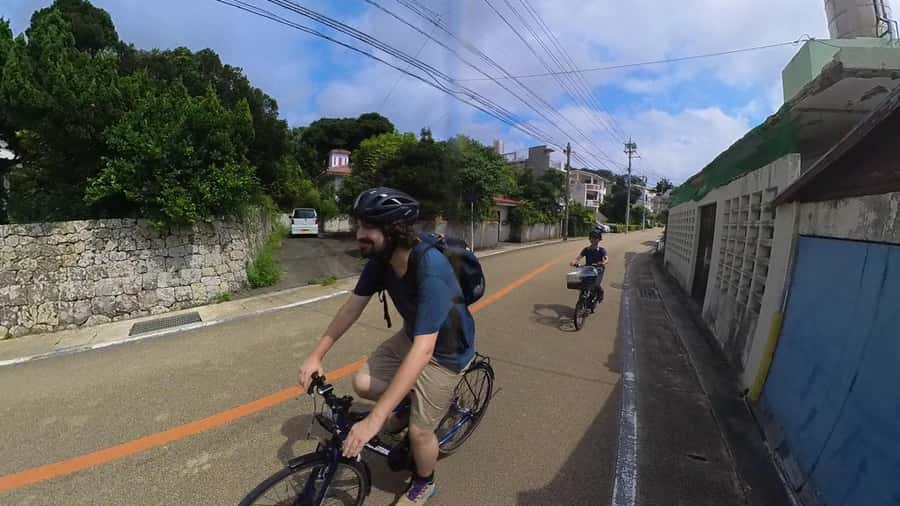
Early in the ride, the route follows riverside streets where traditional and modern homes sit side by side. This is a good change from the polished visitor areas of Naha. You get a sense of how people live, move around, and greet one another in ordinary neighborhoods.
The guide encourages friendly contact with locals, and a simple greeting may bring a smile in return. That small exchange is part of the appeal. You are not simply looking at Okinawa from a vehicle window. You are moving at street level, close enough to notice homes, walls, trees, and small changes in the road.
An e-bike is well suited to this route. You still pedal, but the motor takes some strain out of the hills. That matters because the tour later climbs toward Shuri, and you will enjoy the cultural stops more if you are not already worn out.
The tour is three hours, so the guide needs to keep things moving. You should expect short stops rather than long stretches at every site. If you want a slow, detailed examination of each shrine, spring, and castle feature, you may prefer a walking tour or a full day in Shuri. This ride gives you a broad taste of the area in a compact format.
Sashikasa Hijā and the quiet sound of water
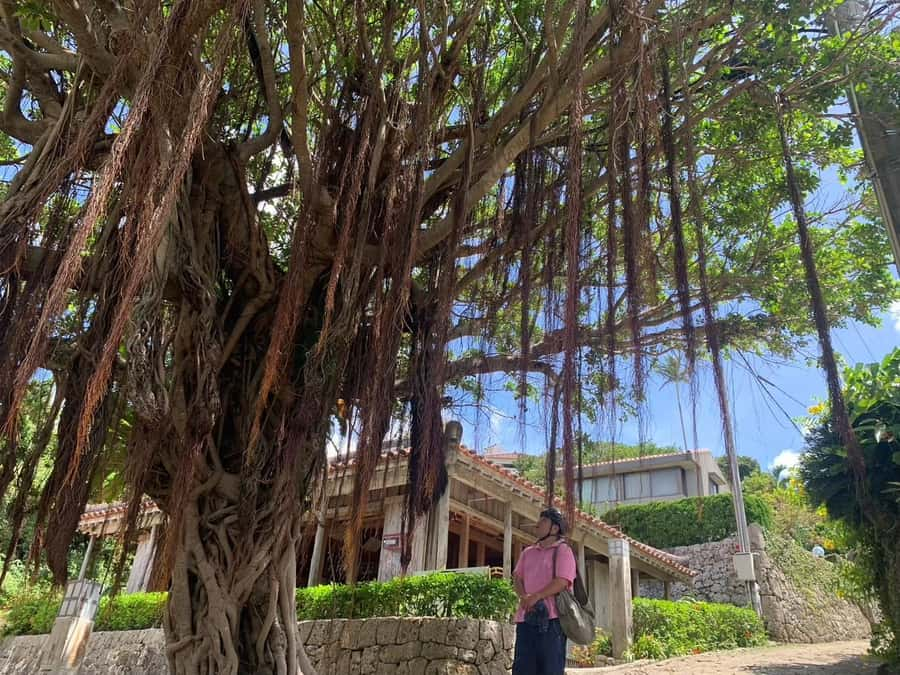
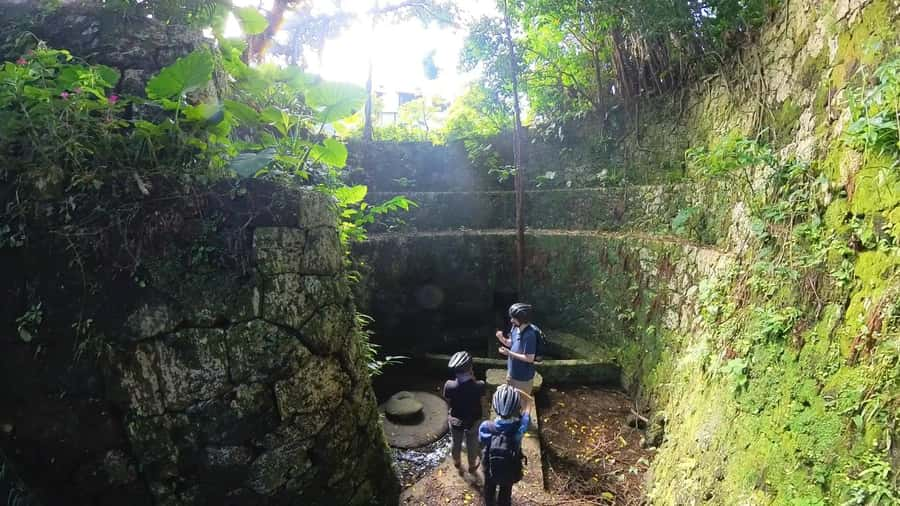
One of the most memorable parts of the route is Sashikasa Hijā, also written as 指司笠樋川. You leave the louder city streets, pass ancient trees and old stone steps, and descend toward a perennial spring.
At the bottom, you find flowing water and the sound of a small waterfall. The setting is striking because it feels far removed from the monorail and main roads nearby. You are still in Naha, but the stonework, trees, and water create a much older atmosphere.
This stop gives the tour its main idea: water is not just scenery in Okinawa. Springs have supported daily life and shaped how people settled and moved through the area. The guide adds context about that connection, turning a pleasant pause into a useful piece of local history.
Take care on the steps. The route includes rocky areas and water-side ground, so good shoes are more than a packing suggestion. You may also want to keep your phone secure rather than holding it loosely while walking.
A second spring where birds replace traffic
After riding through residential streets, you reach another spring in a forested setting. Waterfowl gather here, and the atmosphere becomes noticeably quieter. Instead of engines and city noise, you hear water and birds.
This is the sort of place that makes the cycling format worthwhile. A bus or taxi might carry you past the general district, but a bicycle lets you reach smaller corners and pause without the trouble of parking. The route connects several modest sites into one story, rather than treating Shuri as only a castle visit.
The stop may appeal most to people who like nature, local customs, and small details. It is not a grand viewpoint or a dramatic monument. Its value is in the calm, especially after riding through city streets.
The guide’s intercom also helps here. You can listen to explanations without needing to crowd around one person. Guides Aki, Sally, and Maki have been praised for their polite manner, clear English, and attentive support, while Jo-Jo was singled out for making the experience enjoyable.
More Heritage and Temple Bike Tours in Japan
- E-Bike Nara Highlights – Todaiji, Knives, Deer, Shrine
★ 4.8 · 186 reviews - Historical Kyoto E-Bike Tour
★ 5.0 · 181 reviews - 4.5-Hour Kyoto Bike Tour with Lunch and UNESCO Zen Temples
★ 5.0 · 122 reviews - Kyoto: Fushimi Inari Shrine and Tofukuji Temple E-Bike Tour
★ 5.0 · 75 reviews
Handmade sweets from the Ryukyu court tradition
The confectionery stop adds a welcome taste of Okinawa. The shop preserves recipes associated with the Ryukyu Kingdom era and prepares the sweets by hand. You can watch part of the production process and sample the finished confectionery.
The shop has a long family tradition, with recipes and methods passed down through generations. The sweets were connected to the hospitality offered to honored guests of the royal court. That context makes the tasting more interesting than a quick snack break. You get a small edible link to the old kingdom.
This is also a practical pause in the middle of a bike ride. You can rest, take in the scent of sugar, and learn about a craft that is easy to overlook when you focus only on castles and beaches.
One review describes the stop as a small bakery visit where handmade pieces are prepared and wrapped with care. The exact sweets available may vary, so you should treat the tasting as part of the experience rather than expecting a particular item.
Shuri’s famous vermilion gate
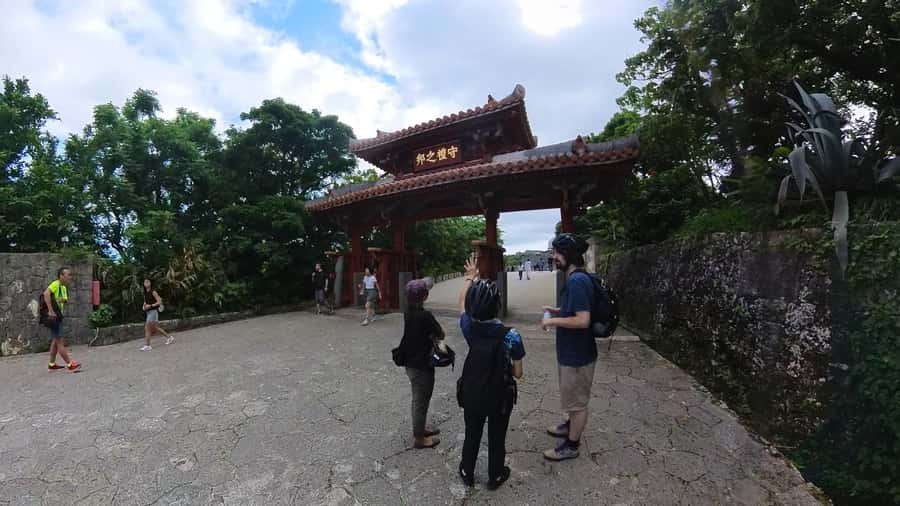
The route then reaches one of Okinawa’s most recognizable symbols, the vermilion gate associated with Shuri Castle. Its balanced design and bright color make it an obvious photo stop.
The gate is more than a good background for a picture. It represents the former Ryukyu Kingdom and signals the change from ordinary residential streets to the historic castle area. The old name, Ue no Ayamon Ii no Ayashō, translates roughly as Beautiful Gate Above, a phrase used by ordinary people of the time.
You will have time for commemorative photos, but remember that this is one stop within a moving itinerary. If you want extended photography, ask the guide how much time is available. The route is designed to keep the group together and return to the shop within three hours.
Climbing through Shuri’s castle-town streets
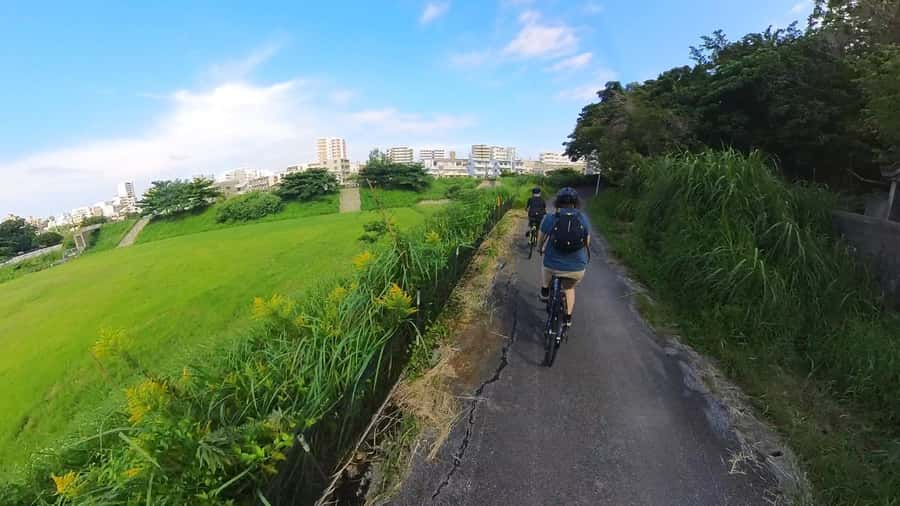
From the gate, the ride continues uphill. This is where the electric assistance earns its keep. You still need to pedal and steer, but the motor helps make the climb manageable.
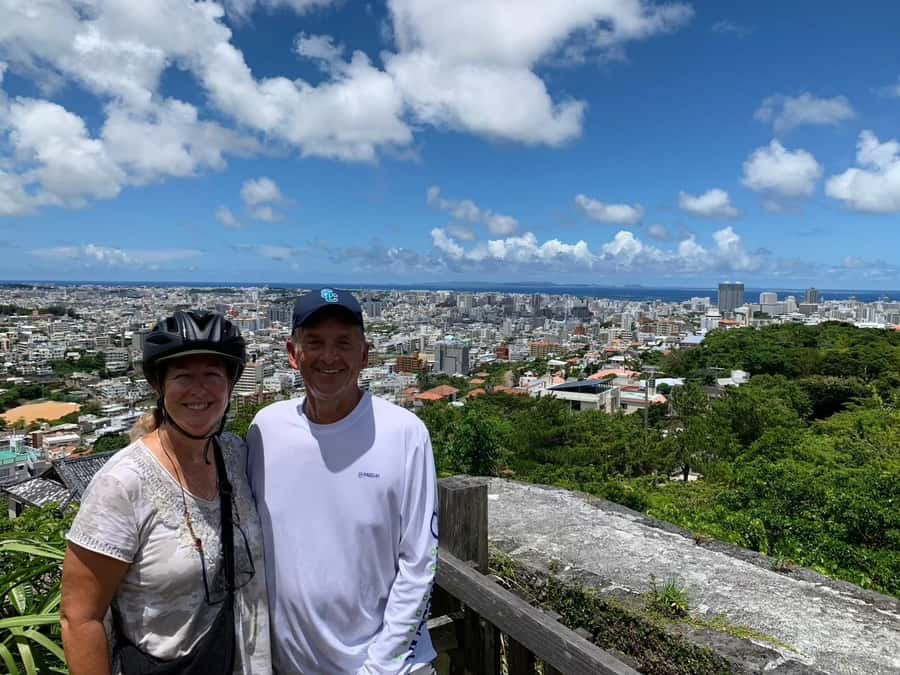
As you gain height, you can look across Naha City. Red roofs, stone pillars, and small guardian figures appear among the streets. These details create the feel of an old castle town, even where modern homes and roads have taken over.
I like this part because it asks you to look beyond the main monument. Shuri is not only a single castle complex. Its character also appears in roofs, walls, steps, sacred sites, and the shape of the streets. The guide can point out details you might otherwise pass without noticing.
The climb is still a climb. If you rarely cycle or dislike hills, you may find this section tiring despite the motor. The tour is best for riders who are comfortable using hand brakes, starting and stopping, and following directions in a small urban group.
Shuri Castle, sacred places, and Ryukyu identity
At Shuri Castle, you explore streets, stone paving, temples, and sacred shrines tied to the old Ryukyu capital. The guide explains the kingdom’s culture and Okinawa’s religious traditions as you move through the area.
The focus is not simply on architecture. Shuri was a political and spiritual center, and the surrounding streets reflect that role. Sacred places sit alongside daily life, giving the area a character that is different from a standard castle visit.
You should check exactly which castle areas are open on your date, since the supplied tour details describe exploration around Shuri Castle rather than promising access to every interior building. The experience remains worthwhile even if your time is mainly spent on the surrounding streets and historic points.
This portion suits anyone who wants context with their sightseeing. The guides are a major part of the value. Sally has been praised for making Okinawa’s nature and history easy to understand, and Maki for being particularly attentive. The high overall score of 4.9 from 22 ratings fits the pattern: the guide’s care is one of the strongest elements of the trip.
The downhill return to Naha
After the climb and Shuri stops, the route heads downhill toward the original bike shop. This is the easiest riding of the day, and you can feel the air move as you coast.
The downhill finish helps balance the route. You get the reward of the earlier climb without having to repeat it in reverse. Still, downhill riding requires attention, especially if the road is wet. Keep your speed controlled and follow the guide’s instructions.
At the shop, you return the bicycle and helmet, and the tour ends. You can then continue exploring Naha on your own. The central starting point makes that convenient, especially if you want food, shopping, or more time around the city afterward.
Is $87 a fair price for three hours?
At $87 per person, this is not the cheapest way to see Naha. The price includes the electric-assisted bicycle, helmet with intercom, and a live English or Japanese guide. It also includes several different experiences: springs, neighborhood riding, a sweet tasting, scenic views, and Shuri’s historic area.
I think the value is strongest if you want several parts of Naha connected in one outing. Renting a bicycle alone would not give you the guide’s local explanations, planned route, or support on the hills. You would also need to find the springs and water sites yourself.
The value is weaker if you already plan to spend a full day at Shuri Castle and prefer to move slowly. Three hours passes quickly, and the tour is built around variety rather than long visits at one location.
The small group improves the price comparison. With a maximum of five people, this feels more personal than a large city cycling group. You also have the safety benefit of a guide using an intercom while the group rides.
Who should book this e-bike tour?
I would choose this tour if you:
- Want to see Naha through local streets rather than only major attractions
- Are comfortable riding a bicycle and handling hills
- Like history presented through ordinary places, springs, homes, and stone paths
- Want a guide who can explain Okinawan culture in English or Japanese
- Prefer a small group over a large organized outing
- Have only a few hours and want several Shuri highlights in one route
I would hesitate if you cannot ride confidently, dislike uneven or wet ground, or want a slow visit inside every part of Shuri Castle. Sandals are also a poor choice, and high heels should stay in your luggage.
Children aged one to five may be able to ride in a child seat attached to a parent’s bicycle, but you should consult the staff before booking. The tour is not suitable for wheelchair users.
Weather matters in Okinawa. If the chance of rain rises above 70 percent or severe conditions are expected, the route may change. The operator may contact you from three days before the tour through the day before. You can cancel up to 24 hours ahead for a full refund, and the reserve-now, pay-later option keeps your plans flexible.
Should you book it?
Book this tour if you want a compact, active introduction to Naha and Shuri with a strong local feel. The springs, quiet forest waterway, handmade sweets, and castle-town streets give you more variety than a simple castle visit, while the e-bike takes the edge off the hills.
Skip it if cycling is not your thing or if you want a long, unhurried castle day. For the right rider, though, $87 buys a well-organized three hours, a very small group, useful historical context, and a look at Okinawa that is easy to miss from the main road.
FAQ
Where does the cycling tour begin?
It begins at the e-charity bike shop near Makishi Monorail Station, next to Makishi Post Office. The shop is about a one-minute walk from the station.
How long does the tour last?
The tour lasts three hours, including the bike briefing, guided stops, riding time, and return to the shop.
What languages does the guide speak?
The tour is available with a live guide in English or Japanese.
How many people are in the group?
The group is limited to five participants.
Is an electric bicycle included?
Yes. The price includes an electric-assisted bicycle rental and a helmet with an intercom system.
Do I need to bring special clothing?
Bring comfortable athletic shoes or similar footwear. Avoid high heels and sandals because some roads and paths may be slippery or rocky.
Can children join the tour?
Children aged one to five may be able to use a child seat attached to a parent’s bicycle. You should consult the staff for details before booking.
Can someone who cannot ride a bike join?
No. The tour is not suitable for people who cannot ride a bicycle.
Are camera mounts or phone holders included?
No. Camera mounts and mobile phone holders are not included.
What happens if the weather is severe?
If the precipitation probability exceeds 70 percent or severe weather is expected, the route may change. The operator may contact you from three days before the tour through the day before.
Just added around Japan
- Private E-MTB guided cycling around Mt. Aso volcano & grasslands★ 5.0 · 16 reviews
- Handmade Goshuin Book Experience Eco Friendly Upcycling in Tokyo★ 5.0 · 21 reviews
- Tokyo: West-Side Cycling and Food Tour with Guide★ 5.0 · 37 reviews
- Tokyo: Rice Ball Making Class★ 5.0 · 14 reviews
- Tokyo: Discover Traditional Tokyo Full-Day Bicycle Tour★ 4.7 · 131 reviews
- Tokyo: 3h Private E-bike Tours, Starting at Your Hotel★ 5.0 · 36 reviews
- Tokyo Bike Tour: Shibuya, Harajuku & Hidden Gems★ 5.0 · 20 reviews
- Tokyo: Private Cycling Tour with cute E-bike★ 5.0 · 11 reviews
Heritage and Temple Bike Tours, compared.

Historical Singapore Bike Tour on Full-Sized Bicycles
Read our review →

Night Bike Tour with Temples & Flower Market Visit
Read our review →
Intramuros, Manila: Historical Bamboo Bike Tour
Read our review →

Historical Bike Tour of Savannah and Keep Bikes After Tour
Read our review →Browse the lists this tour appears in